Newsletters


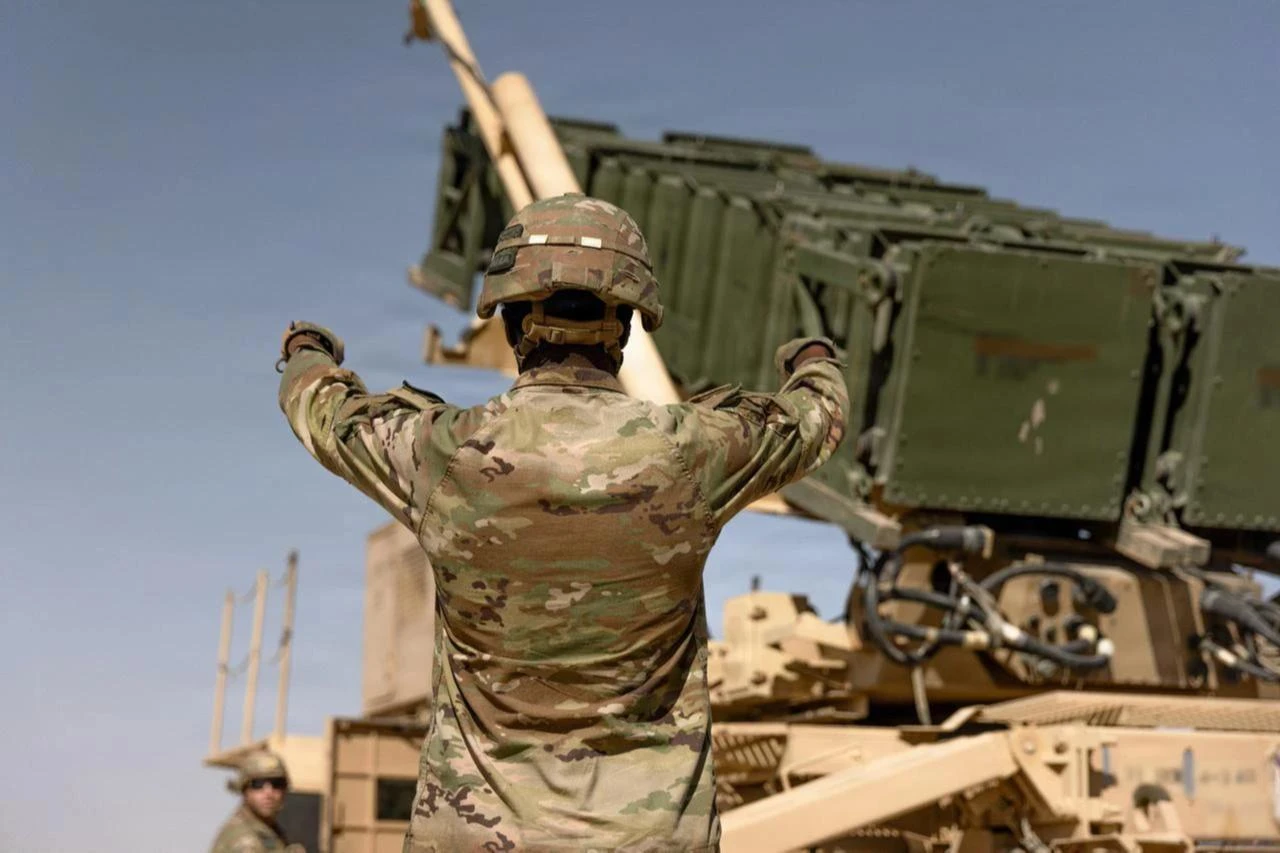


The United States has quietly withdrawn its Patriot air-defense batteries from a military compound near Erbil's international airport in northern Iraq, raising alarm over a deepening security vacuum in a region that has endured relentless attacks by Iran and its proxy militias since the outbreak of the broader Iran conflict in February.
Well-placed sources with direct knowledge of the process confirmed the development to Al-Monitor, saying the pullout began last week and is ongoing. The bulk of US forces and their heavy equipment have already departed, with all Patriot anti-missile batteries redeployed to an undisclosed location. Other defensive weapons systems remained in place at the time of reporting.
The drawdown is formally framed as part of Washington's obligation to fully exit Iraq by a September 30 deadline agreed with Baghdad, ending a 23-year American military presence that began with the 2003 invasion. Regional officials have described the movements as routine. US Central Command spokesperson Captain Tim Hawkins declined to comment on any ongoing troop movements.
Yet the timing could scarcely be more fraught. Iran-backed Shiite militia groups have carried out hundreds of attacks on US positions and allied infrastructure across Iraq since February, with Erbil's airport among the most frequently targeted sites. American interceptors had successfully neutralized at least 95 percent of those attacks, sources told Al-Monitor, providing an umbrella of protection that extended well beyond US personnel to the broader civilian and institutional fabric of the city.
With the Patriot systems gone, that umbrella has been folded shut.
The militia campaign has not confined itself to northern Iraq. On July 27, Saudi Arabia reported drone strikes launched from Iraqi territory against its infrastructure, prompting Riyadh to join Washington in carrying out retaliatory strikes against Popular Mobilization Forces positions across Iraq on July 28, killing at least 20 fighters. Five members of Iran's Islamic Revolutionary Guard Corps killed in those strikes were repatriated to Iran by July 31, marking Tehran's first official acknowledgment of IRGC losses in the campaign.
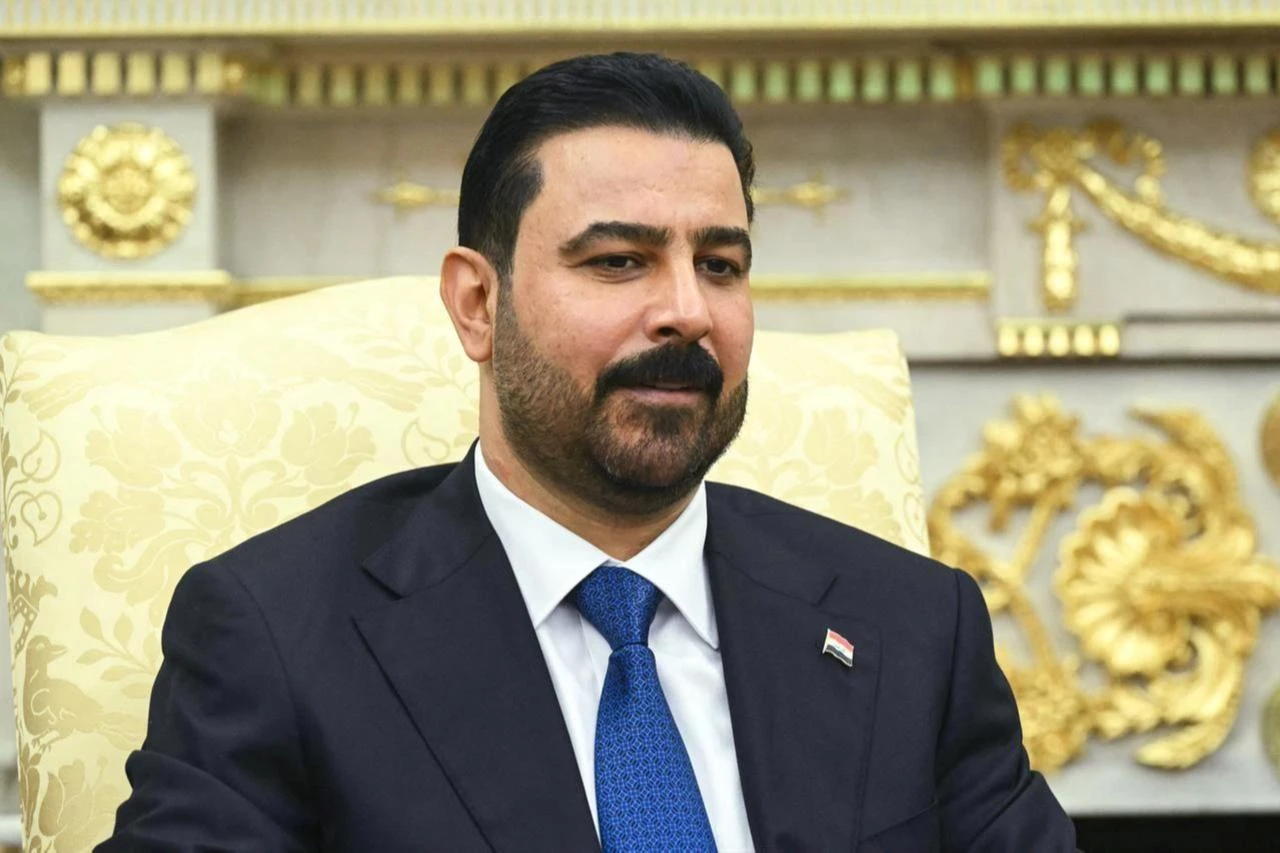
Baghdad has so far proved unwilling or unable to rein in the militias despite pledging to disarm and demobilize them by September 30. Iraqi Prime Minister Ali al-Zaidi, who confirmed the US withdrawal timeline in Washington earlier this month alongside President Donald Trump, has made no visible progress on that front, a failure that has drawn US and Saudi military action directly onto Iraqi soil and further inflamed tensions across the country.
Iran has also continued to strike armed Iranian Kurdish opposition groups based in northern Iraq, using both ballistic missiles and drones, targeting Erbil and its surrounding districts on multiple occasions. A drone struck a camp of an Iranian Kurdish opposition group east of Erbil as recently as July 30.
The removal of the Patriot systems from Erbil is also a window onto a starker strategic reality: the United States is running low on interceptors.
A study published by the Center for Strategic and International Studies in Washington this week found that the overall Patriot stockpile had declined by a further 10 percent since a May memorandum of understanding between Washington and Tehran broke down, building on an earlier April report that showed 55 percent of the stockpile had already been lost.
The Foreign Policy Research Institute has estimated that the United States produces approximately 600 Patriot interceptors per year, a pace that has long been insufficient to offset wartime consumption, with prior transfers to Ukraine having already placed significant strain on reserves.
Against that backdrop, one source familiar with the redeployment decisions put the calculus bluntly: "The Region is not a priority; the Gulf and Jordan clearly are."


 Set as preferred source
 Set as preferred source


 1 min read
 1 min read