Newsletters


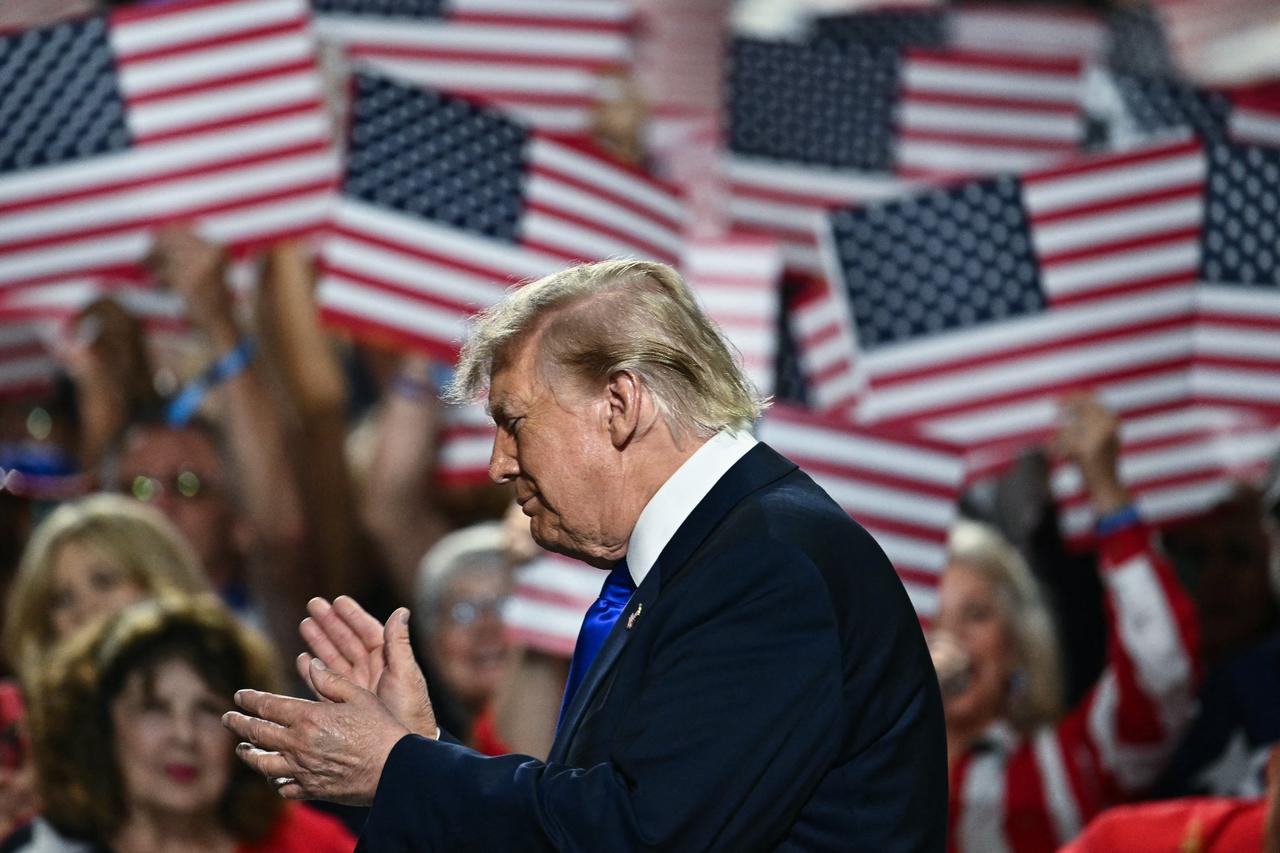


U.S. Ambassador to the United Nations Mike Waltz said Sunday that the "door is open" for Iran to return to negotiations to end the conflict in the Middle East, telling an Al-Monitor Live event on the sidelines of the U.N. General Assembly that the Trump administration believes time is on its side.
"I do believe that to be the case," Waltz said when asked by Al-Monitor senior adviser Andrew Parasiliti whether Washington believes time favors the U.S. in the conflict, which began Feb. 28.
Waltz added that the "door is open for Iran to come back to the negotiating table," while dismissing as "fantastical" reports that Tehran has demanded an end to U.S. sanctions and war reparations as conditions for renewed talks.
"The Iranian regime is at its weakest point since 1979 and it's getting weaker," Waltz said, citing economic pressure and the collapse of Iran's currency.
"They're going to come back (to talks), I hope peacefully and diplomatically," he added.
Iran's rial fell to a record low of more than 2.25 million to the dollar on the informal market earlier this month amid mounting pressure from the war, U.S. sanctions and restrictions on Iranian oil exports.
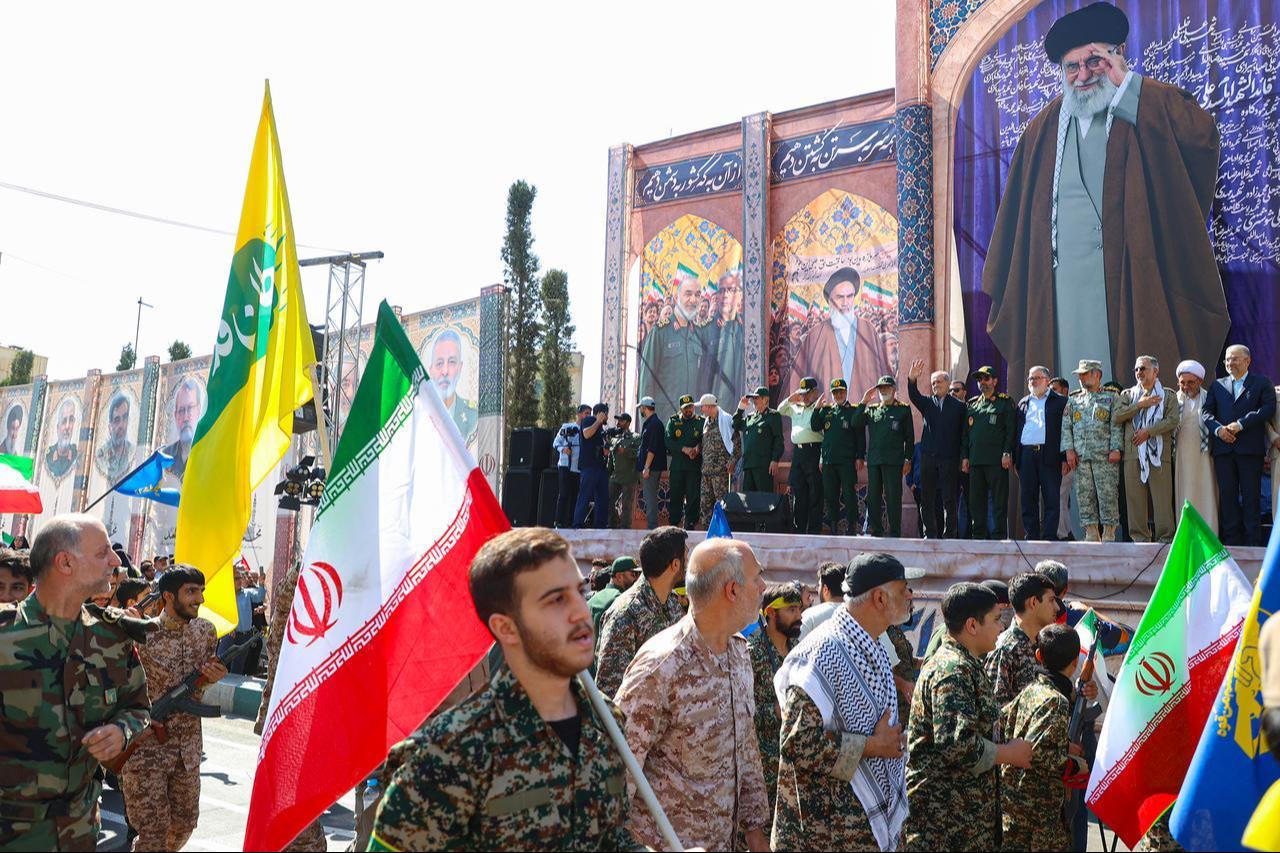
Iran has effectively blockaded the Strait of Hormuz since the war began, conditioning its reopening on the removal of U.S. sanctions, compensation for war damage and other demands Washington has rejected.
Waltz said Trump remains determined to ensure Iran never acquires a nuclear weapon, posting on X that the U.S. will continue applying "maximum pressure to that end," and describing the U.S.-Israel war on Iran as the continuation of a 47-year conflict.
"The president is determined to stay focused on his goals of Iran, the largest and most prolific sponsor of terrorism the world has ever seen, will certainly not be able to hold the world hostage, much less the Strait of Hormuz, under a nuclear umbrella," Waltz said.
Iran has denied seeking a nuclear weapon and signed a 2015 deal with world powers to curb its atomic program in exchange for sanctions relief; Trump withdrew the U.S. from that agreement during his first term, leading to its collapse.

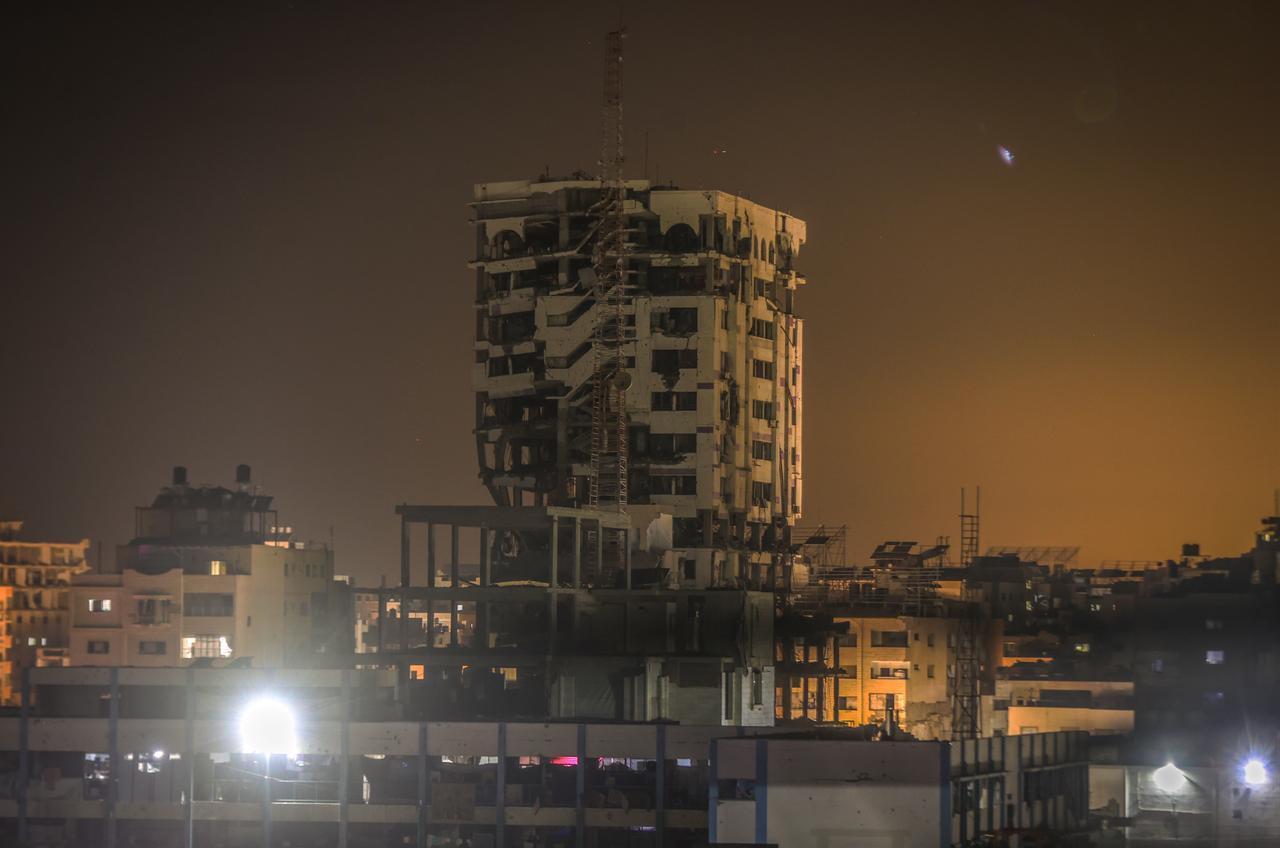
Waltz described the administration's approach to Gaza as a "new type of multilateralism" focused on specific challenges and bringing together countries with a direct interest in resolving them.
At the center of that approach is Trump's Board of Peace, which oversees implementation of his 20-point Gaza plan, including a Palestinian technocratic committee to administer the enclave, reconstruction efforts and an International Stabilization Force.
The board announced a roadmap in July aimed at resolving the plan's most difficult outstanding issue, the disarmament of Hamas and other armed groups alongside a phased Israeli withdrawal, but implementation has stalled over how to sequence those steps.
Waltz said he expects discussions with Israel "to move forward after the elections are settled," referring to Israel's Oct. 27 parliamentary election.
Waltz said several regional states have expressed interest in joining the Abraham Accords, though he did not name them.
The U.S.-brokered agreements establishing diplomatic relations between Israel and the UAE, Morocco and Bahrain were signed at the White House on Sept. 15, 2020, marking their sixth anniversary last week.
Waltz also praised Israel and Morocco's decision earlier this month to exchange ambassadors, upgrading ties that had remained at the liaison-office level since Morocco normalized relations with Israel in 2020.
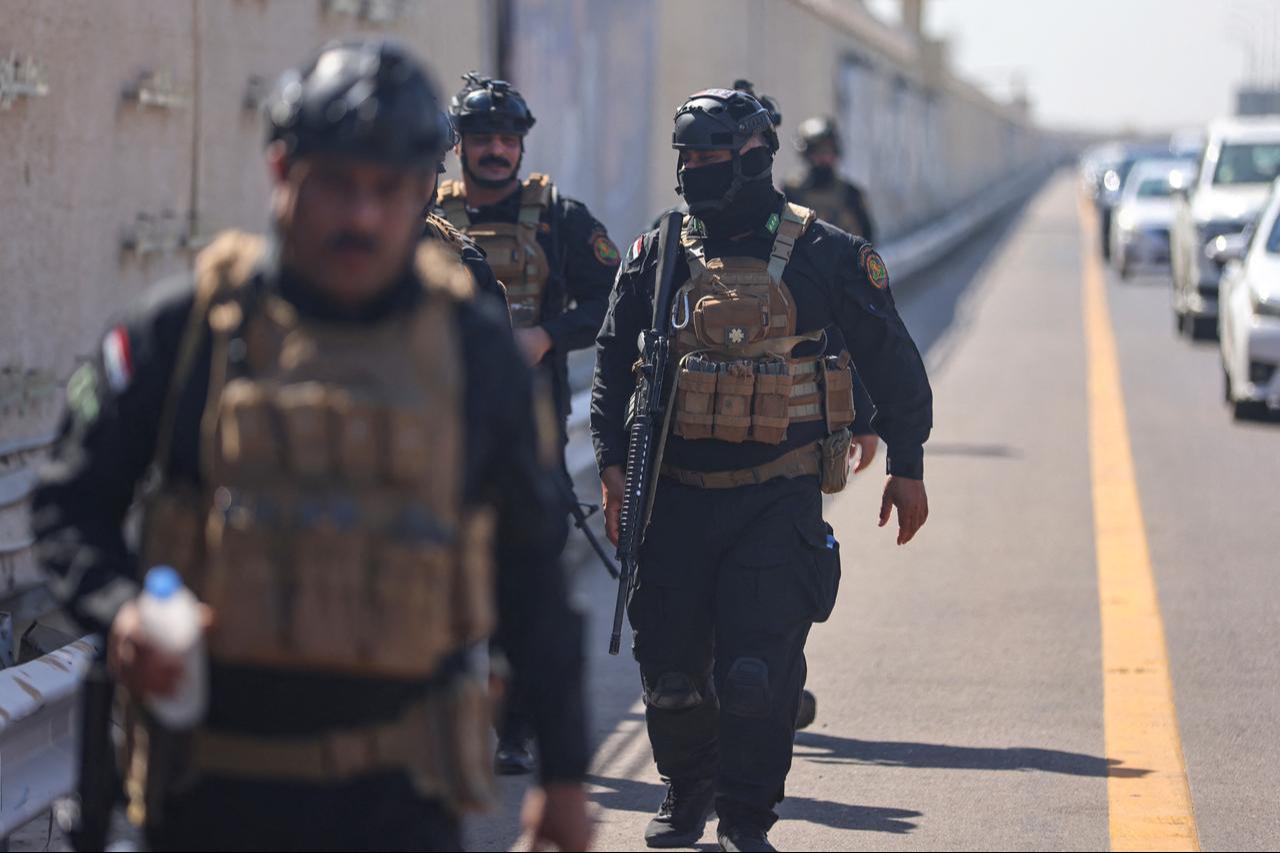
Waltz praised Iraqi Prime Minister Ali al-Zaidi's efforts to bring Iran-backed militias under state control, saying Iran's "weakened state" has created an opening to curb their influence.
He called the effort an important test of Baghdad's ability to assert a state monopoly over arms after years in which powerful Iran-backed factions maintained military structures outside formal government control.
Zaidi had linked Sept. 30, the deadline for withdrawal of remaining U.S.-led coalition forces, to the disarmament push, though Iraqi officials have since said there is no fixed deadline for militias to surrender their weapons, reflecting continued resistance from some of the most powerful Iran-aligned groups.
Turning to the United Nations itself, Waltz said the U.S. aims to make the institution "great again," citing what he described as the first-ever budget cut in U.N. history.
"There had never been a cut before, the budget only kept growing. We put the U.N. on a diet. Sometimes being leaner and more focused is much better," Waltz said.


 Set as preferred source
 Set as preferred source


 2 min read
 1 min read