Newsletters


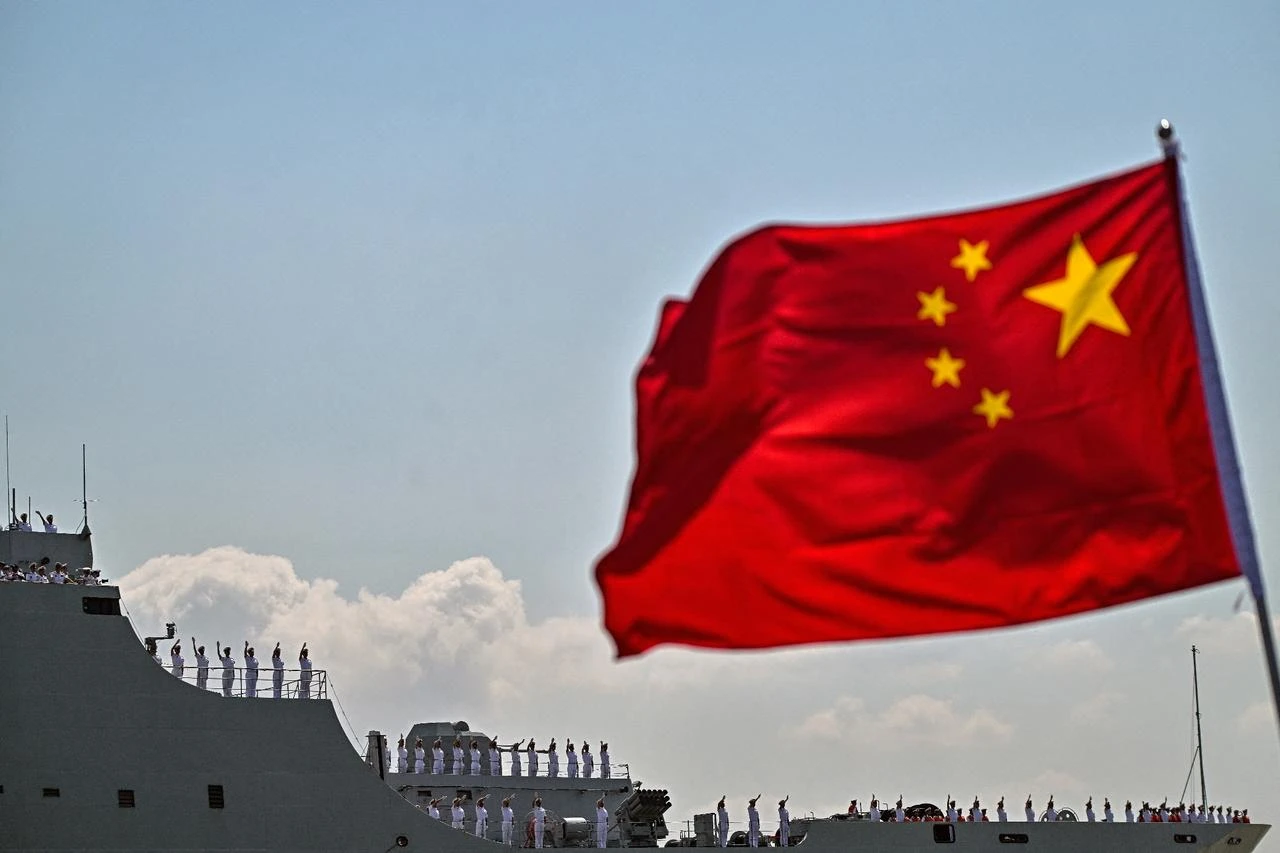


China said Friday that U.S. "sanctions and pressure" would not resolve the conflict with Iran, after Washington urged governments including Beijing to join efforts to isolate the Iranian economy under a newly announced sanctions campaign.
Asked about U.S. President Donald Trump's threats, Chinese Foreign Ministry spokesman Lin Jian told reporters in Beijing that "sanctions and pressure will not help resolve the issue."
"China calls on all relevant parties to take responsible measures and resolve the problem through political and diplomatic means," he said.
Lin reiterated the same message Thursday when Trump first announced the campaign, telling reporters that "sanctions and pressure would not help resolve the issue" and calling on all relevant parties to take responsible steps toward a political and diplomatic solution.
Lin elaborated further: "China always believes military actions, sanctioning, pressuring do not help solve the problem, it only builds up the tensions in the current situation."
He said such actions do "not fit the interests of any party" and added: "We urge the relevant party to solve the current dispute through negotiations and dialogue."
Lin said China "opposes any illegal, unilateral sanctions without authorization of the UN."
"China hopes all sides take responsibility to solve the current issues through political settlement," he added.
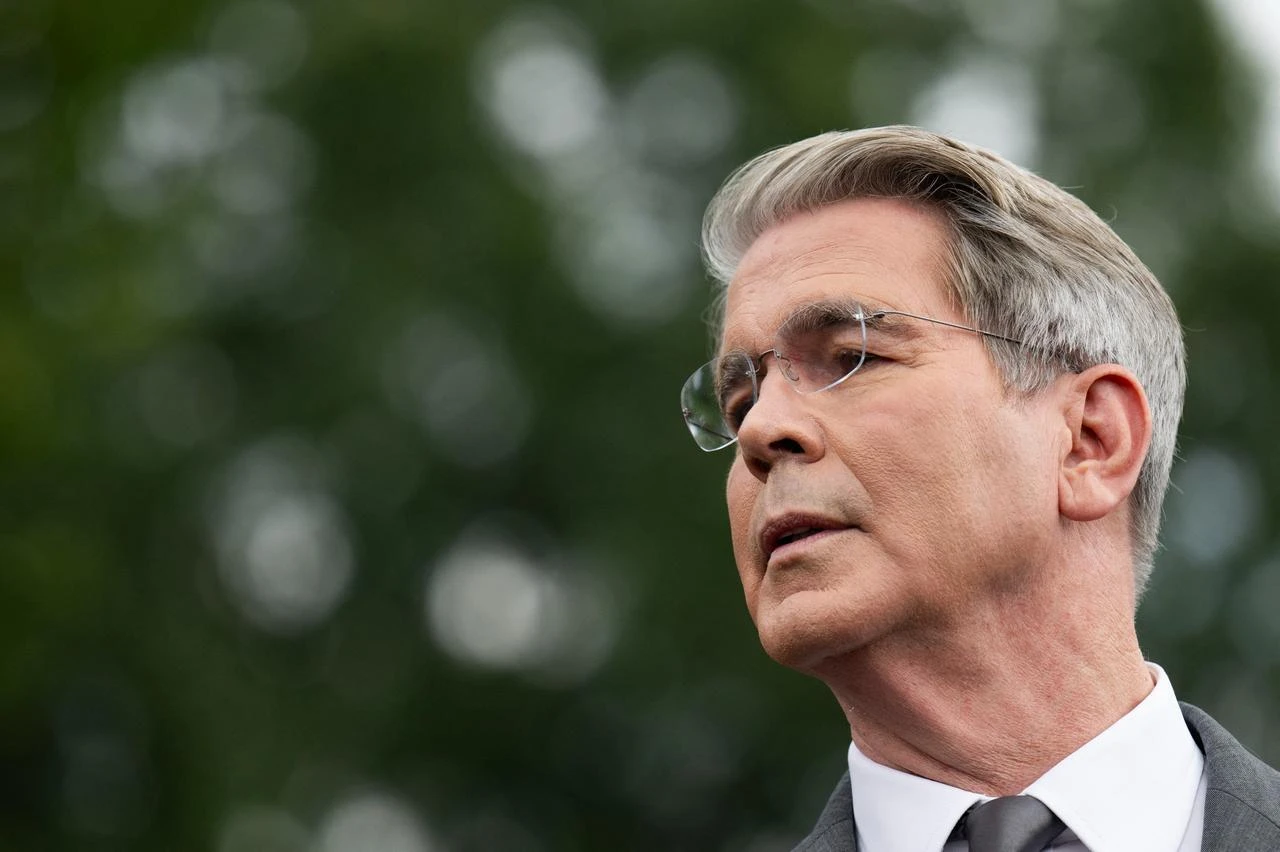
The remarks came after U.S. Treasury Secretary Scott Bessent said Thursday that Washington would impose the "toughest sanctions in history" on Iran as part of what he called the "greatest coordinated economic isolation in the history of the world."
Bessent told CNBC the U.S. "will put its full might and force toward" nations found transferring money, buying oil or conducting seaborne shipping with Iran, saying Washington would tell countries they are "either with us or against us."
Asked whether the U.S. would specifically pressure China to join the campaign, Bessent told CNBC that "many conversations are best to have in private," but called on Beijing "to get with the program."
Lin, responding to a question about Bessent's remarks, reiterated the need for all parties to take "responsible measures" in resolving the conflict.

Trump announced Wednesday what he called "the most crushing economic operation ever taken against any country," escalating his campaign to isolate Iran and warning countries and companies that assist Tehran of severe economic consequences.
The U.S. would seek to cut off financial and commercial channels providing Iran with economic support, he said.
"Today, I am also announcing that any country that allows its financial institutions, businesses, airports, or government entities to provide any type of lifeline to Iran will itself face tremendous economic consequences," Trump said.
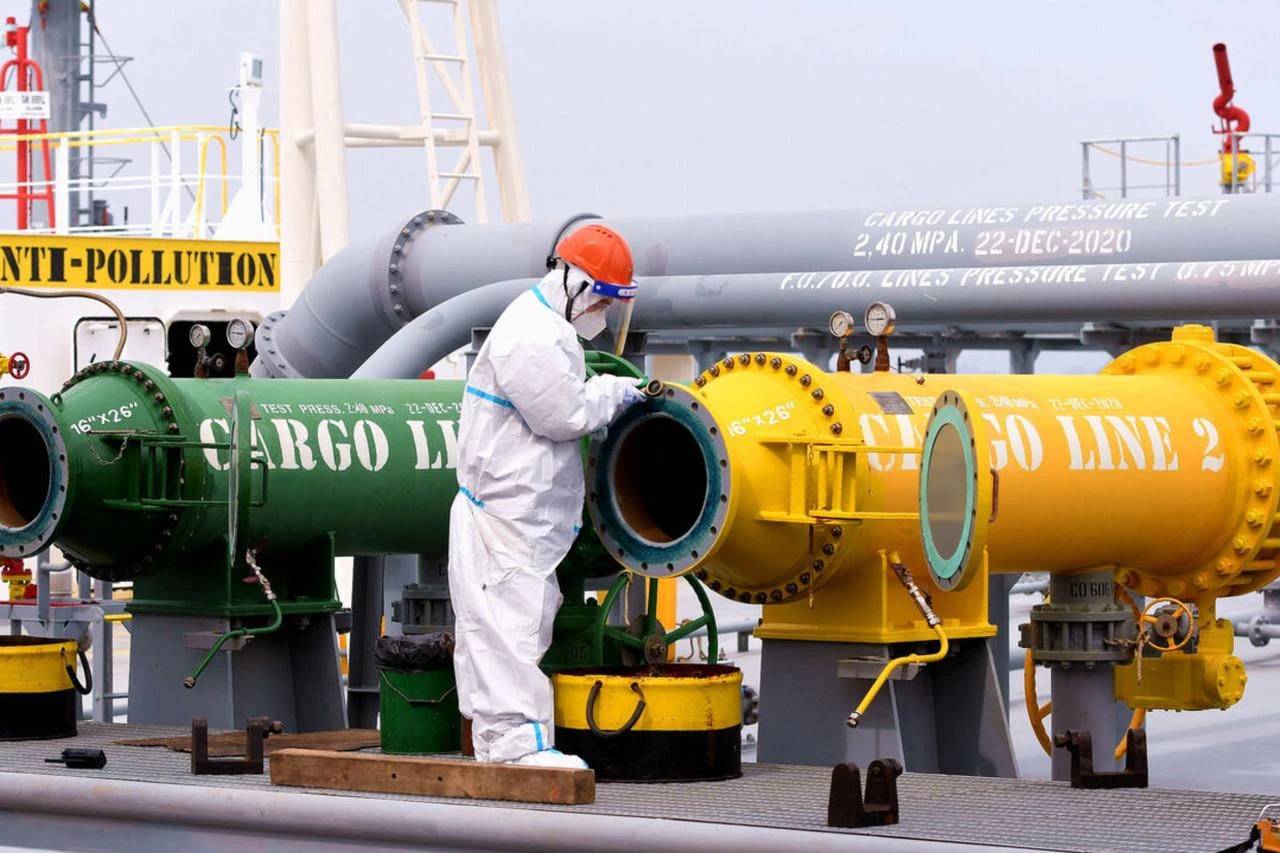
He specifically cited oil smuggling, financial swap lines, cash transfers, exchange houses, ship registries and front companies as activities that "all need to stop now."
China is one of the largest importers of Iranian oil.
Iran has branded the new U.S. campaign "economic terrorism," which it says is doomed to fail.
In February, the U.S. and Israel launched a war on Iran, killing thousands, and Tehran retaliated against U.S. bases and assets in the Middle East.
Iran has closed the Strait of Hormuz, while the U.S. military has imposed a blockade on Iranian ports. Although the two sides reached a pact aimed at ending the war, they have continued to engage in periodic retaliatory strikes.


 Set as preferred source
 Set as preferred source


 1 min read
 1 min read