Newsletters




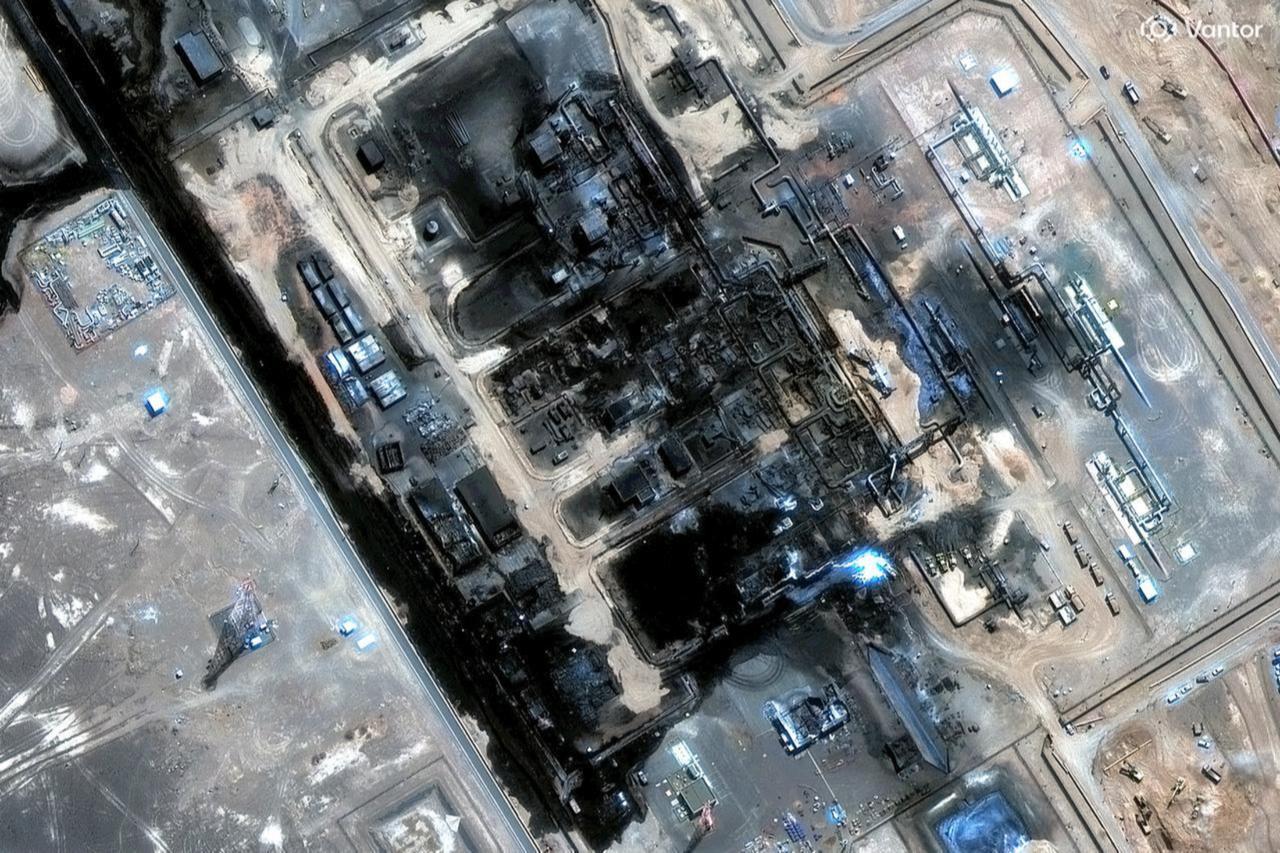
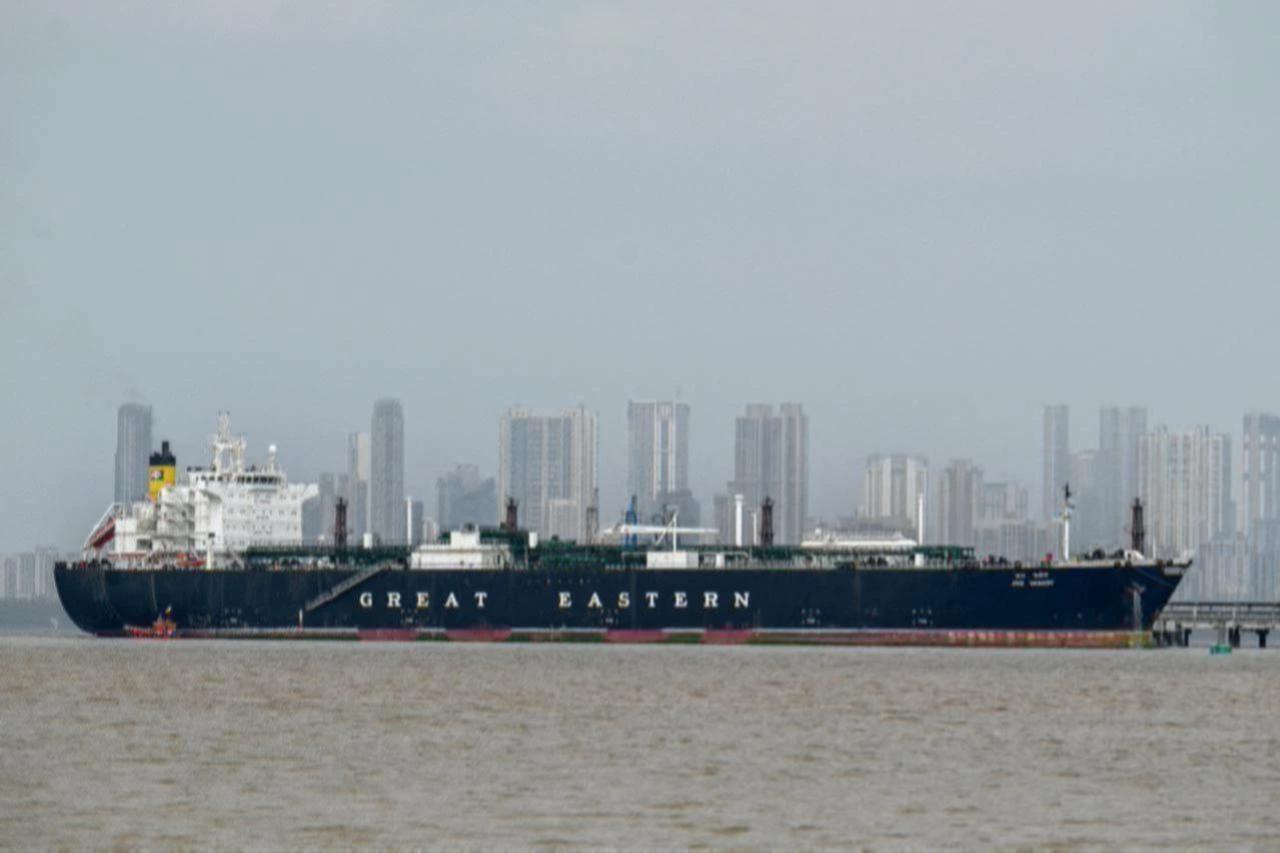
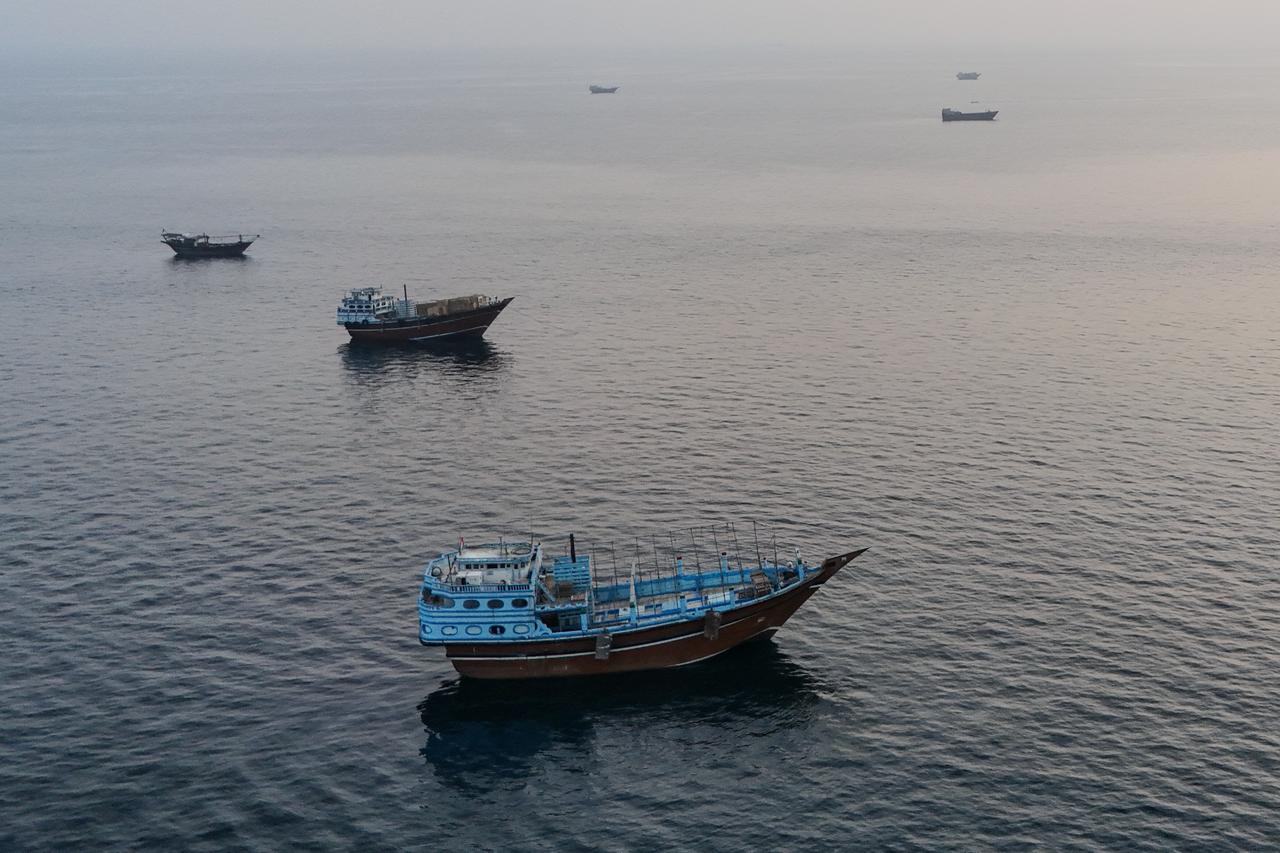
The US military launched a series of strikes against Iran on Tuesday in response to what it described as Iranian attacks on three commercial vessels in the Strait of Hormuz, one of the world's most critical maritime chokepoints, as Tehran accused Washington of violating a recently signed ceasefire agreement and warned of retaliation.
U.S. Central Command (CENTCOM) said its forces had begun striking Iran to impose "heavy costs" for what it called unwarranted and dangerous aggression against commercial shipping crewed by civilians in an international waterway.
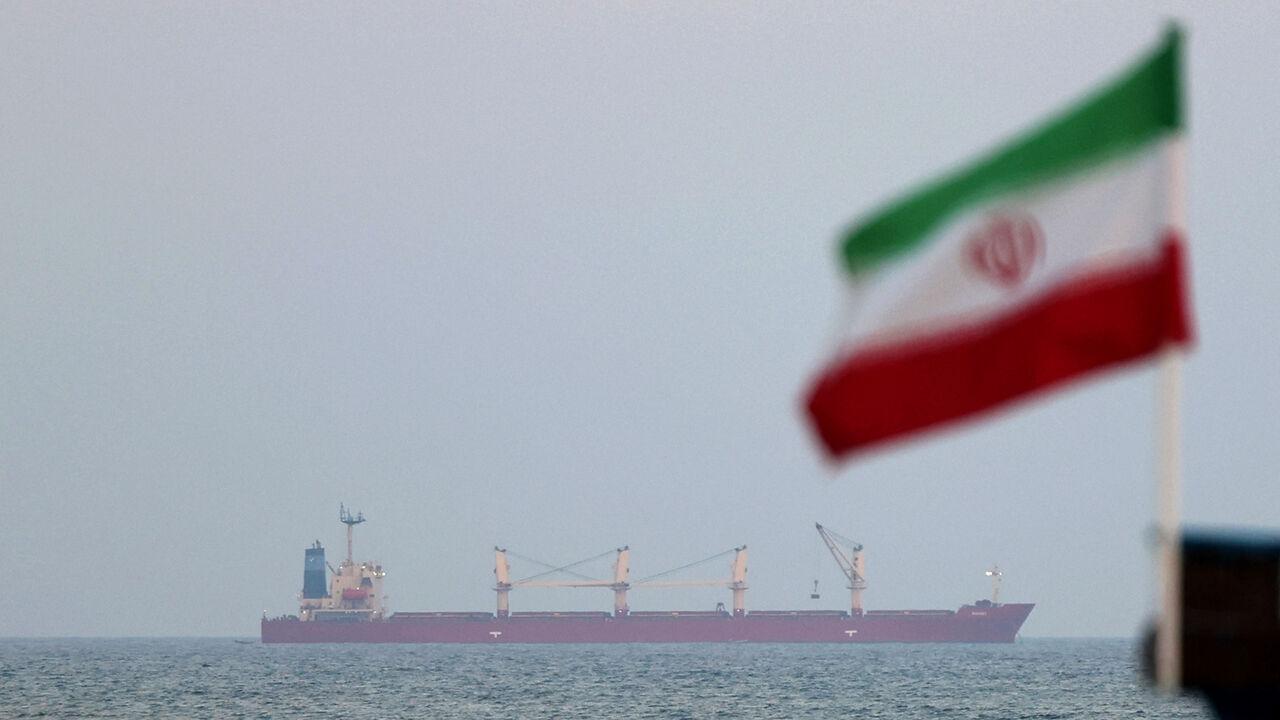
The command said the strikes were a direct response to Iran targeting three vessels transiting the strait, and that Iran's conduct constituted "a clear violation of the ceasefire."

Before CENTCOM's announcement, explosions rocked multiple areas of southern Iran in the early morning hours of Wednesday.
Iranian state television reported six blasts in the southern port city of Bandar Abbas. Iran's Fars News Agency reported 10 explosions in the city of Sirik and four additional blasts in Misin village on Qeshm Island. No casualties or material damage were immediately reported.
Tehran had already moved to condemn Washington before the strikes were acknowledged, accusing the United States of breaching the Islamabad Memorandum of Understanding, a ceasefire agreement between the two sides.
The Iranian Foreign Ministry said the U.S. Treasury Department's decision to revoke a temporary suspension of sanctions on Iranian oil sales amounted to a "blatant violation" of Article 15 of the memorandum and held Washington responsible for the consequences.
The ministry said the revocation came less than 20 days after the memorandum was signed and reflected what it described as Washington's bad faith and failure to honor its commitments.
Iran, the ministry said, had acted "in complete good faith" and deployed all available resources to meet its obligations under the agreement.
Following the U.S. military strikes, Iran's foreign ministry escalated its language further, warning that Washington had repeatedly breached the memorandum while seeking to justify those violations through various pretexts.
"Iran is issuing a serious warning about the consequences of America's breach of the treaty, and will take decisive measures to protect its interests and national security," the ministry said in a statement distributed via IRIB News on Telegram.
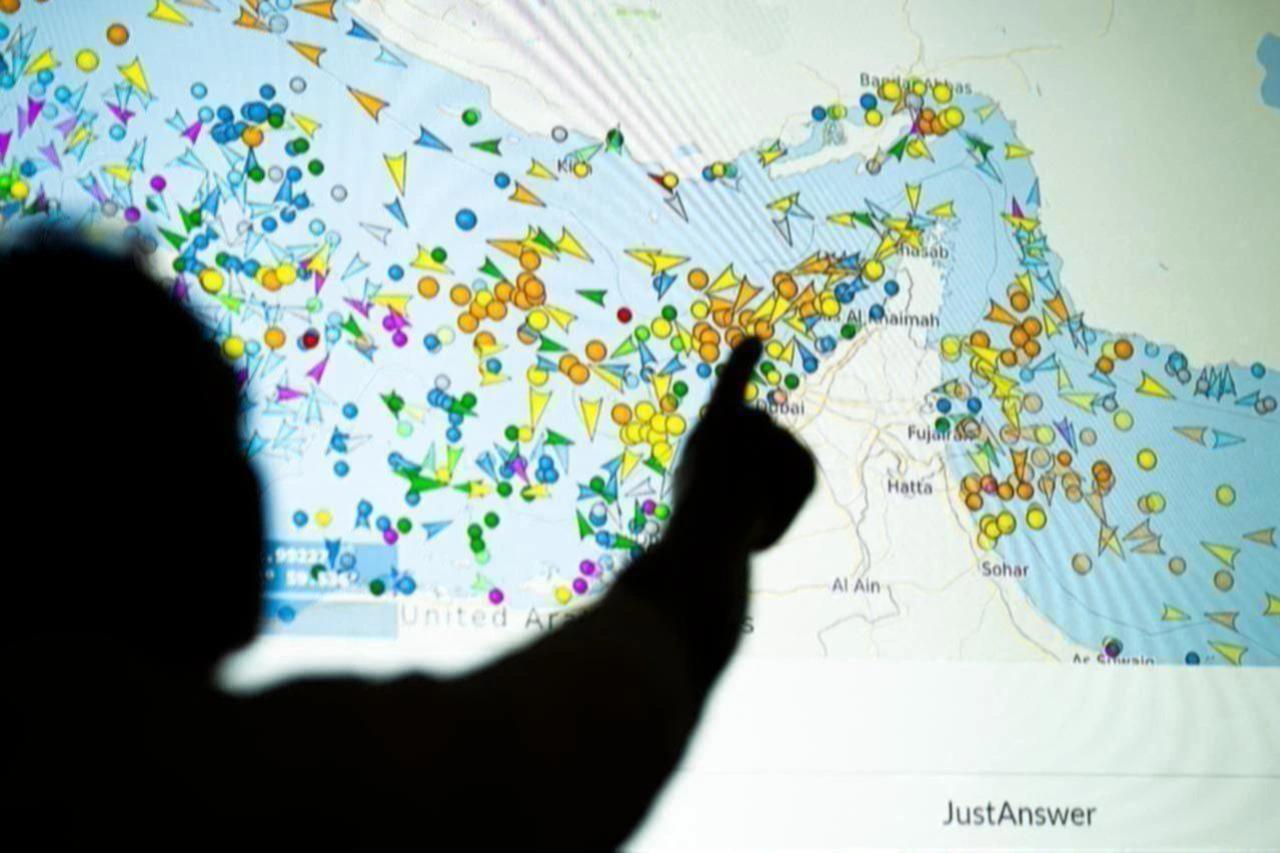
The Strait of Hormuz, a narrow waterway between Türkiye and the Arabian Peninsula, is a vital artery for global energy supplies, with a significant share of the world's seaborne oil passing through it.
Disruptions to shipping in the strait have historically triggered sharp reactions from both regional powers and global markets.


 Set as preferred source
 Set as preferred source


 1 min read
 1 min read