Newsletters


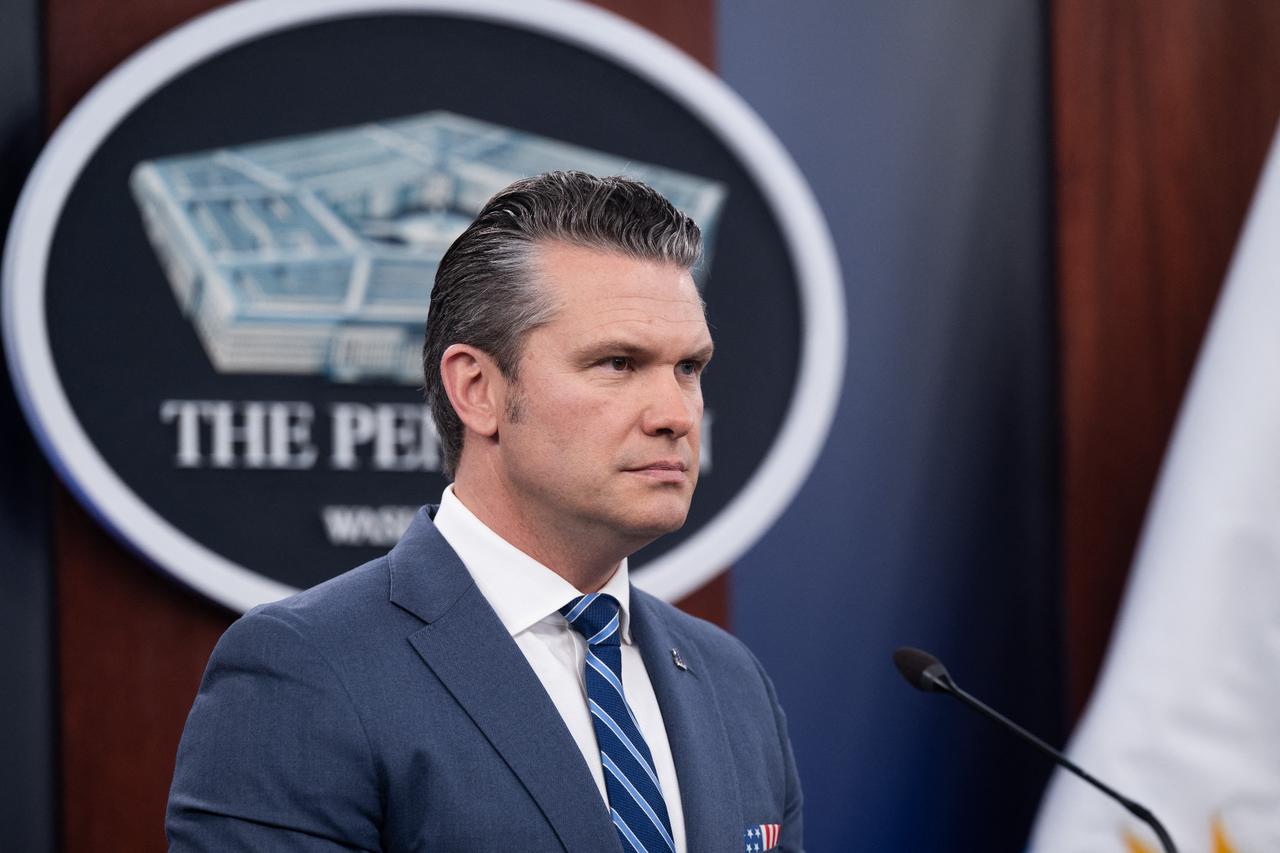


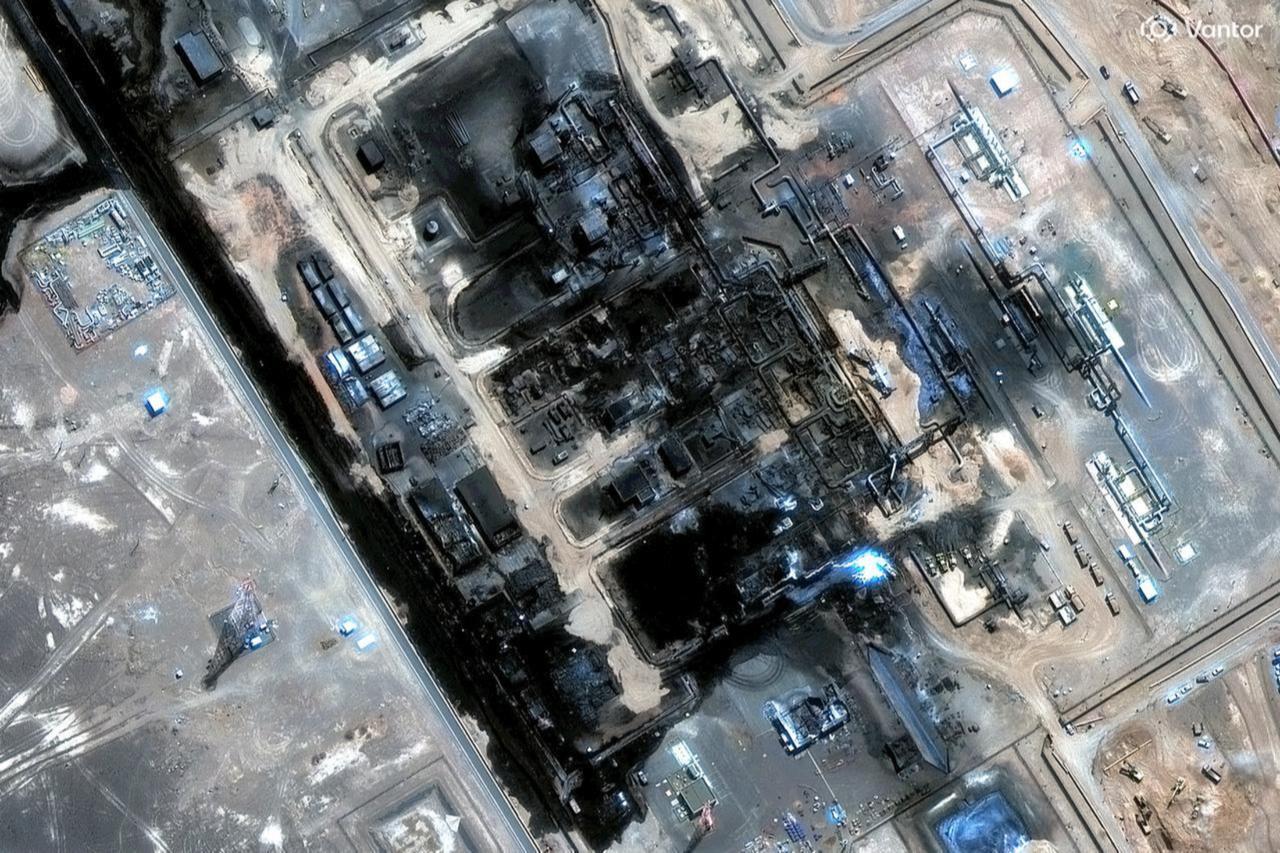
U.S. Defense Secretary Pete Hegseth issued his most direct threats to Iran yet Thursday, warning that the U.S. is "locked and loaded" on Iranian power generation, the energy industry, and dual-use infrastructure and that the blockade is "the polite way this could go."
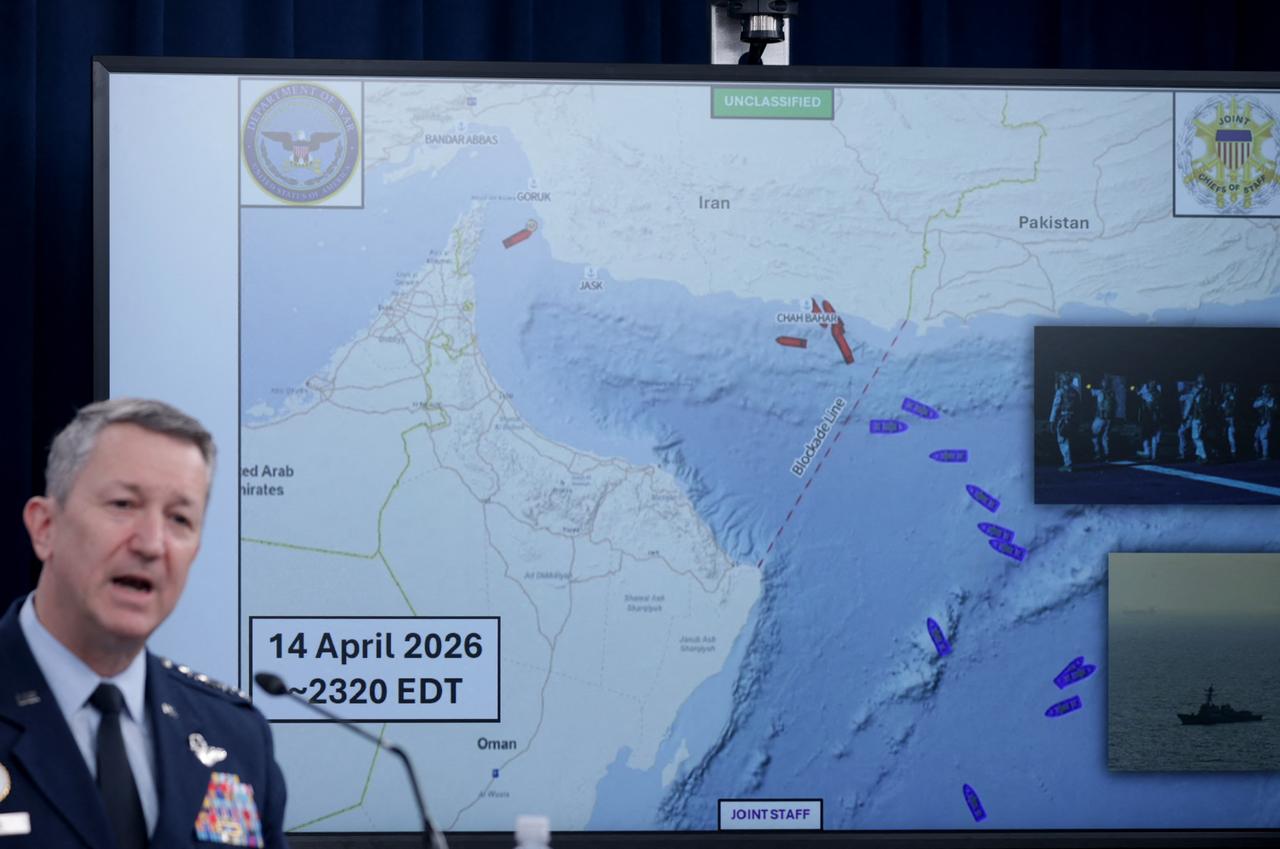
Meanwhile, Joint Chiefs Chairman Gen. Dan Caine stated that U.S. forces are "ready to resume major combat operations at literally a moment's notice," and 13 ships have been turned around since the blockade began, with none boarded yet.
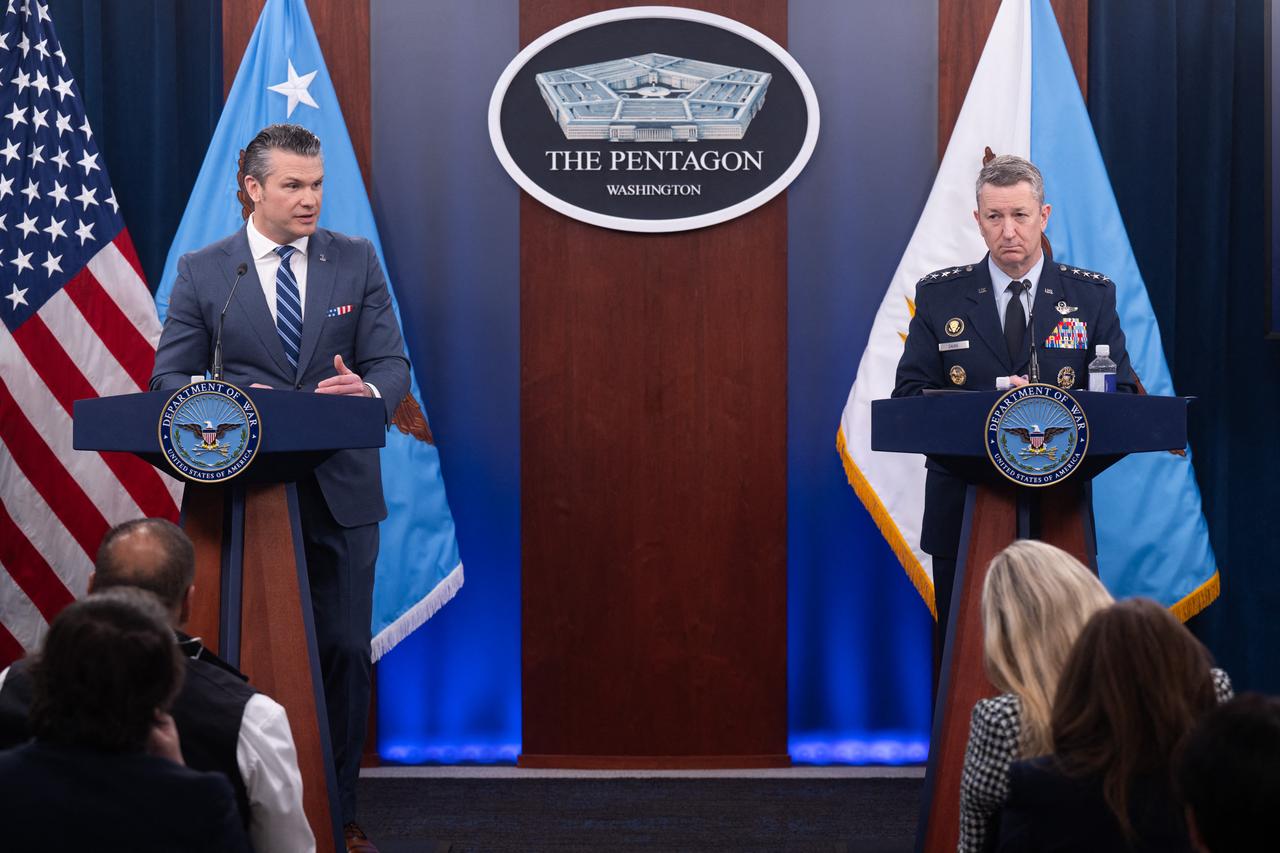

"We are locked and loaded on your critical dual-use infrastructure, on your remaining power generation, and on your energy industry," Hegseth said, addressing Iran directly.
"We'd rather not have to do it, but we're ready to go at the command of our president and at the push of a button," he added.
He framed the blockade explicitly as the softer option.
"The blockade is the polite way this could go. If Iran chooses poorly, then they will have a blockade and bombs dropping on infrastructure, power and energy," he warned.
He urged Iran's leadership to "choose wisely," adding, "I pray you choose a deal, which is within your grasp, for the betterment of your people and for the betterment of the world. Our forces are maximally postured to restart combat operations should this new Iranian regime choose poorly and not agree to a deal."
Hegseth said Iran's command-and-control capabilities were "highly degraded," which he said explained why Tehran's motivation to maintain the ceasefire was "very high."
"They understand that a violation of that ceasefire means a commencement, once again, of Admiral Cooper's forces, which went very poorly for them," he added.
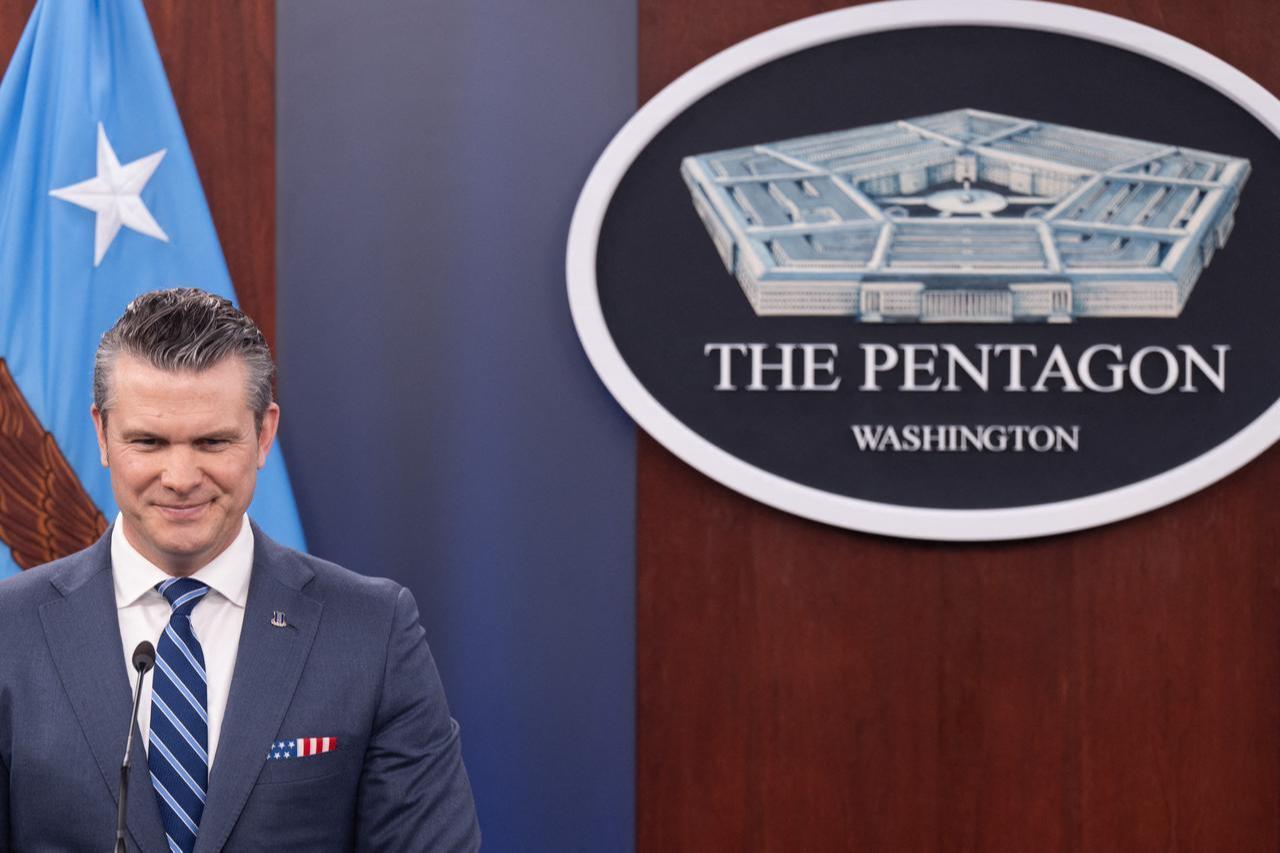
Hegseth addressed Iran's military leadership directly.
"While you are digging out of bomb-hit facilities, we are only getting stronger. You only have what you have, you know that, and we know that. You can move things around, but you can't actually rebuild," he said.
He dismissed Iran's claim to control the Strait of Hormuz.
"You like to say publicly, Iran, that you control the Strait of Hormuz, but you don't have a navy or real domain awareness. Threatening to shoot missiles and drones at commercial ships lawfully transiting international waters is not controlled. That's piracy. That's terrorism," Hegseth said.
"The United States Navy controls the traffic going in and out of the strait because we have real assets and real capabilities, and we're doing this blockade with less than 10 percent of America's naval power. The math is clear," he added.
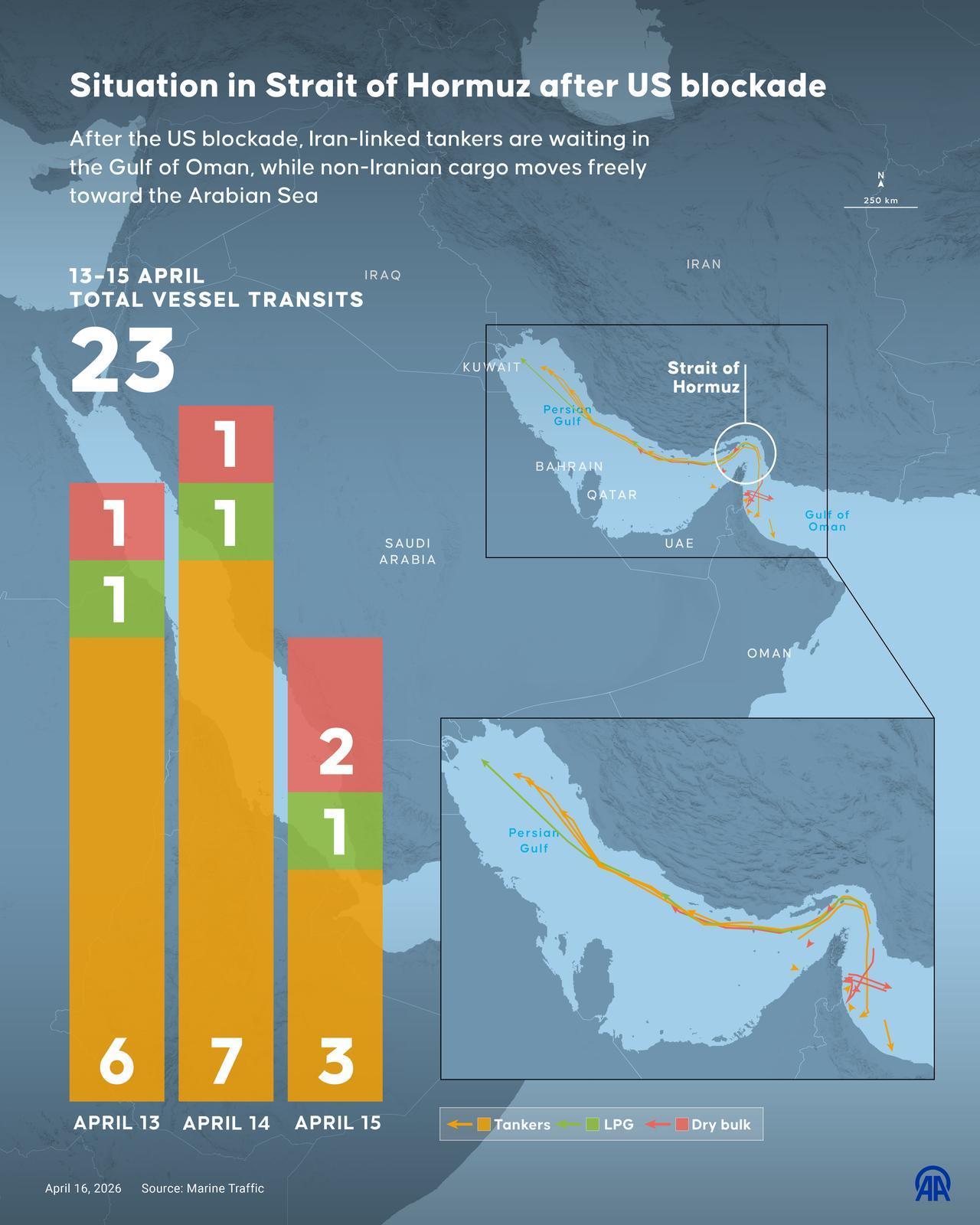
Caine said 13 ships had made the "wise choice" of turning around since the blockade began and that no vessels had been boarded yet.
He said the blockade applied to all ships regardless of nationality heading to or from Iranian ports and now also included dark-fleet vessels carrying Iranian energy products evading sanctions, regulations, or insurance requirements.
"A junior officer picks up that mic and transmits, 'Do not attempt to breach the blockade. Vessels will be boarded for interdiction and seizure, transiting to or from Iranian ports. Turn around or prepare to be boarded. If you do not comply with this blockade, we will use force,'" Caine said, recounting the blockade warning script.
He said the blockade was "a blockade of Iran's ports and coastline, not a blockade of the Strait of Hormuz itself", and that enforcement was occurring both inside Iran's territorial seas and in international waters.
He said more than 10,000 U.S. sailors, Marines, and airmen, 12 ships, and dozens of aircraft were enforcing the operation.
Caine described the Navy's Arleigh Burke-class destroyers, nearly 10 stories tall and "armed to the teeth", as the blockade's frontline asset, likening their maneuverability to "driving a sports car through a supermarket parking lot on a payday weekend."
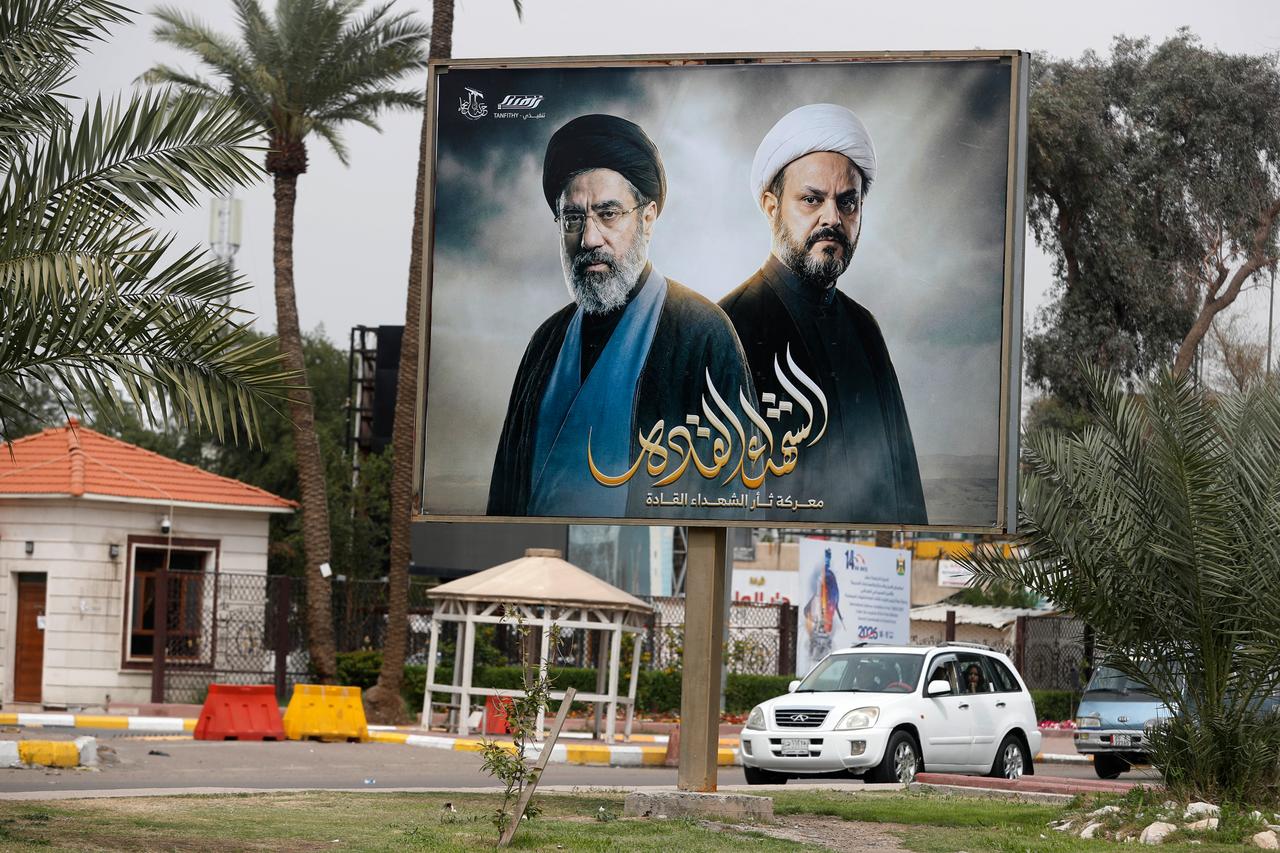
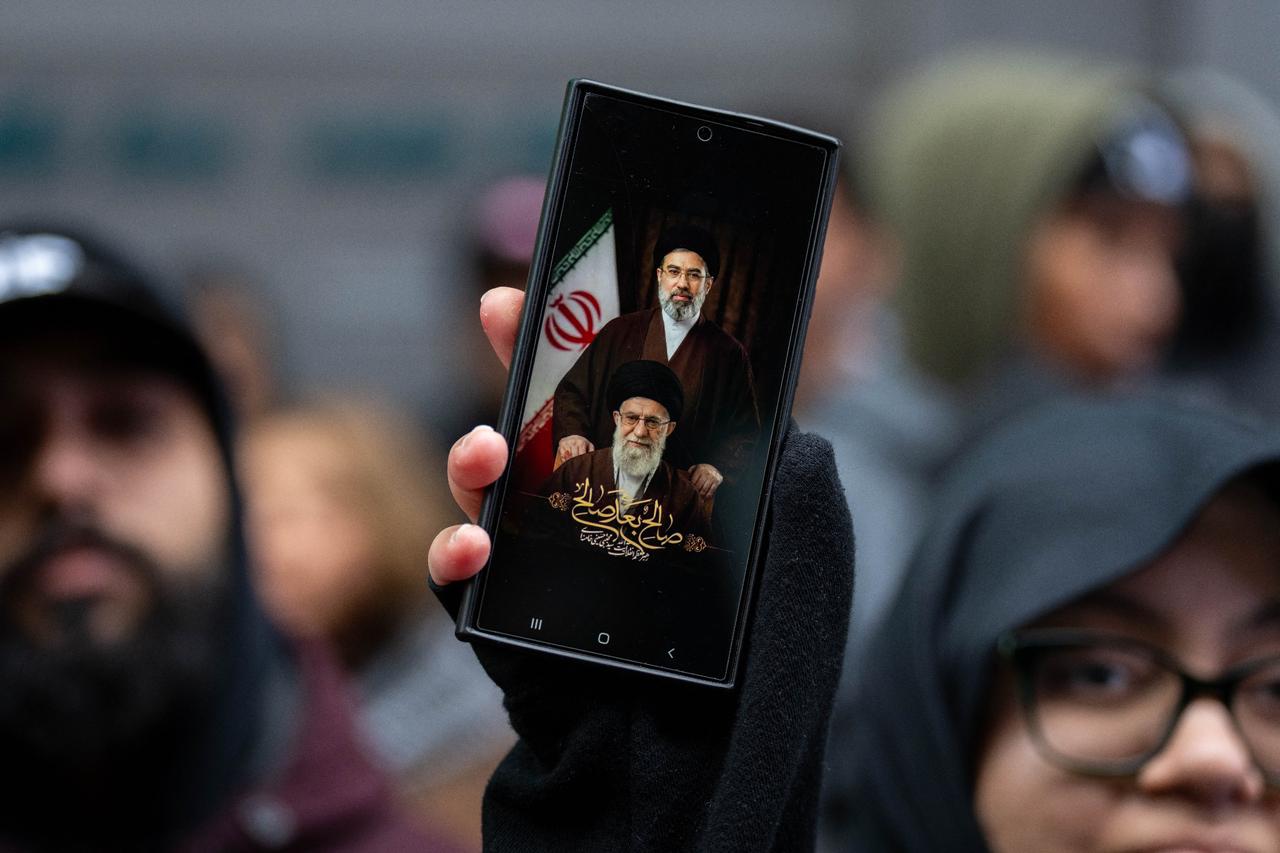
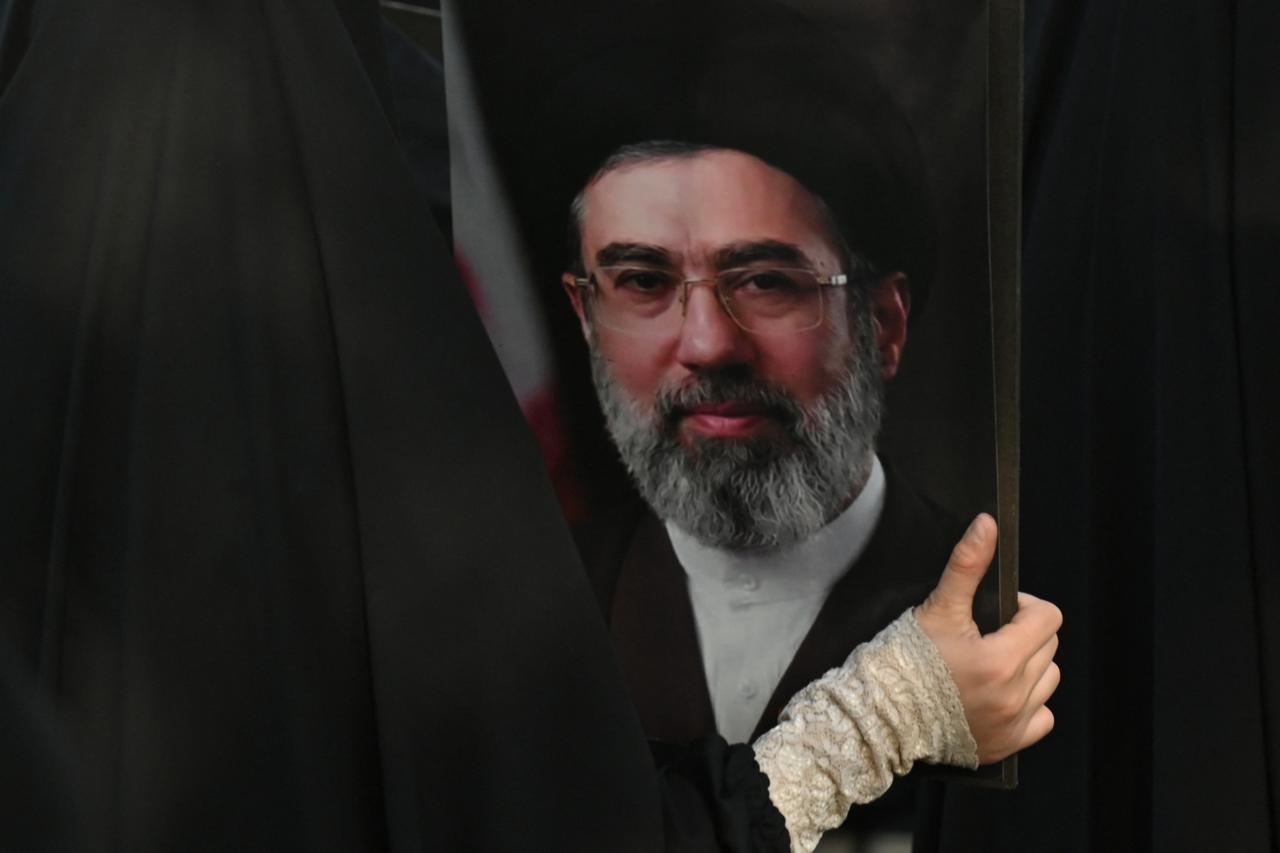
Hegseth confirmed that the status of Iran's new Supreme Leader, Mojtaba Khamenei, has not changed; he is believed to be alive but wounded and disfigured.
Khamenei is believed to have been wounded in the airstrike that killed his father in the opening salvo of U.S.-Israeli strikes that sparked the war.
Hegseth addressed a CNN report that U.S. intelligence indicated China was preparing to deliver new air defense systems to Iran.
He said Trump and Xi Jinping had communicated on the issue.
"China's assured us that that is not going to happen," Hegseth said.
Trump said he had written a letter to Xi asking him not to supply weapons to Iran and received a reply saying Xi was not doing so.
CENTCOM Commander Adm. Brad Cooper, returning from the region, said U.S. forces had carried out more than 13,000 strikes on Iran.
He said forces are using the ceasefire period to "rearm, retool, and adjust tactics, techniques, and procedures."
He said two crew members from a downed F-15E had been rescued in a mission he called a "remarkable" example of valor.
Hegseth lastly criticized European allies for not participating when the war began, saying those countries "weren't there" and "weren't alongside us."
He warned against permanent reliance on American military power. "You can't live in a world in perpetuity where you just rely on America to continually do the heavy lifting," he said.


 Set as preferred source
 Set as preferred source


 1 min read
 1 min read