Newsletters




U.S. President Donald Trump on Thursday threatened to strike Iran if its security forces kill protesters, as anti-government demonstrations entered their 12th day amid a currency collapse and worsening economic conditions.
"I have let them know that if they start killing people, we are going to hit them very hard," Trump said, as protests expanded into a nationwide movement challenging Iran’s clerical leadership.
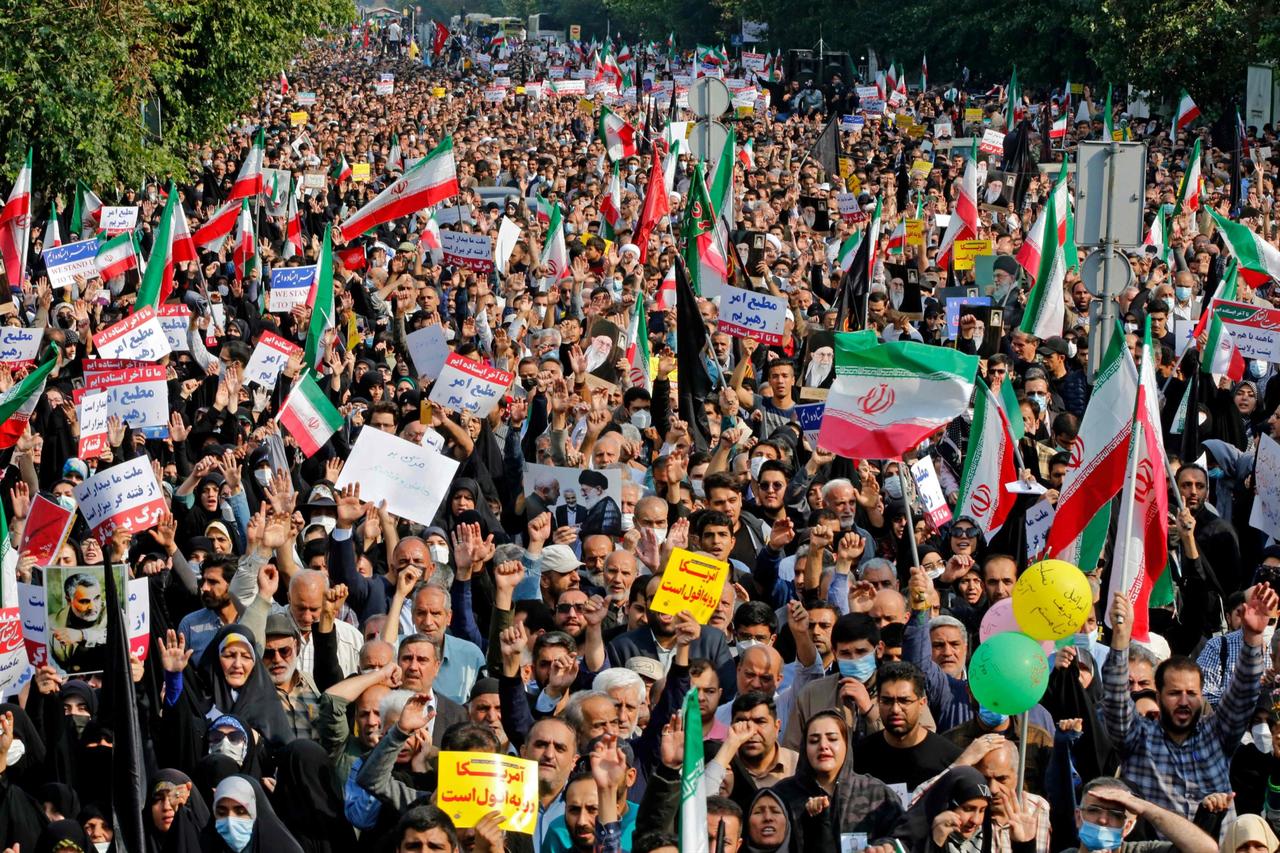
The protests, which began on December 28, continued on Thursday as demonstrators gathered in multiple cities. One of the largest rallies was reported in northwest Tehran, where crowds blocked a major avenue in defiance of government forces.
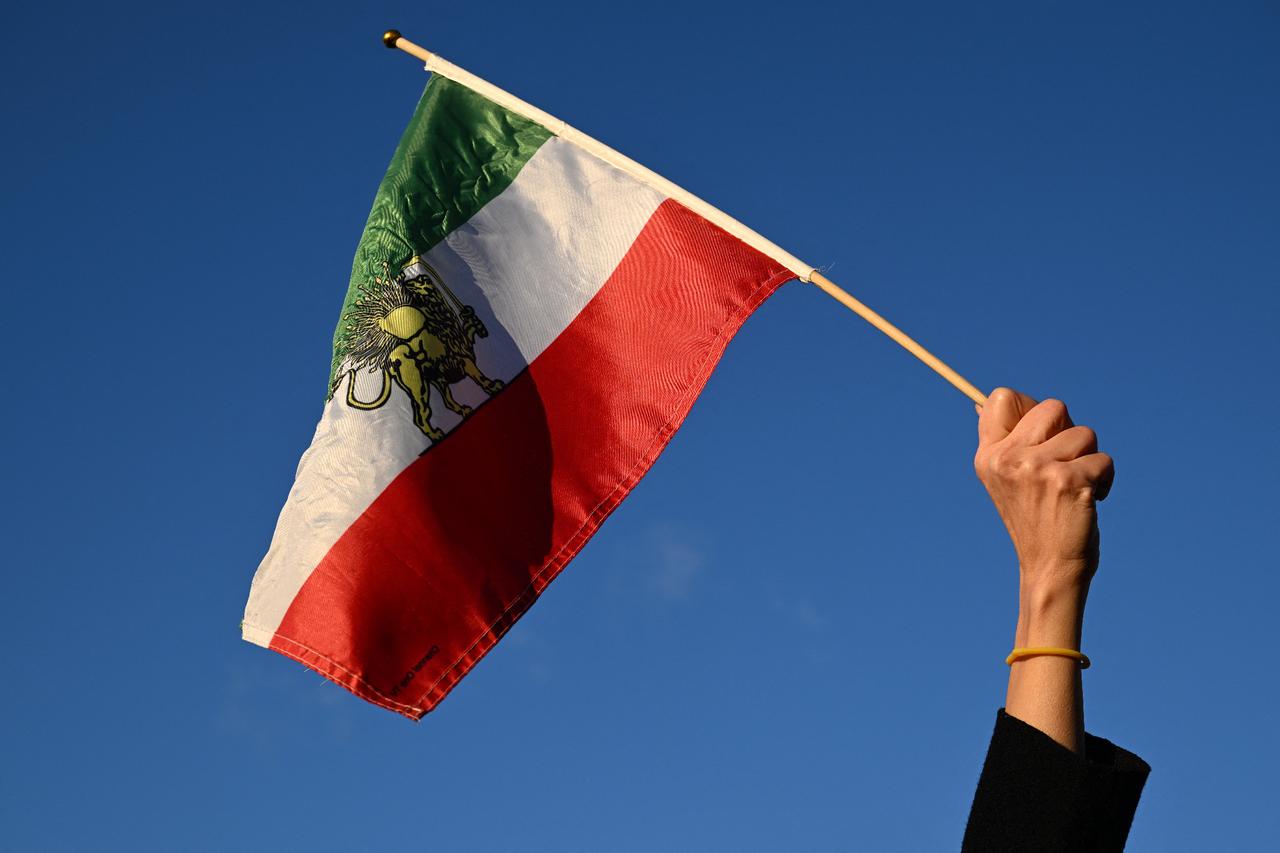
Some protesters were seen carrying Iran’s lion-and-sun flag, a symbol associated with the Shah era, while Reza Pahlavi, the exiled son of the ousted monarch and a key opposition figure, called for mass demonstrations on Thursday in a message shared on social media.
According to footage circulating on social media, sounds of gunfire were also heard in the city, raising concerns over a possible escalation in the use of force by security personnel.
Human rights organizations accused Iranian security forces of using lethal force against protesters. Iran Human Rights, a Norway-based NGO, reported that at least 45 protesters had been killed since the unrest began. The group identified Wednesday as the deadliest day, with 13 confirmed deaths. Separately, the Iranian Fars News Agency reported that a police officer was stabbed to death during efforts to control unrest west of Tehran.
Iranian President Masoud Pezeshkian urged restraint in managing the demonstrations. "Any violent or coercive behaviour should be avoided," he said, addressing security forces.
Despite the statement, the situation on the ground remained tense. Protesters continued to demand reforms and accountability, while authorities doubled down on efforts to reassert control over key urban areas.
To control the flow of information, the Iranian government enforced a widespread internet shutdown, which NetBlocks, a UK-based monitoring group, said was confirmed by real-time data showing a nationwide blackout.
This follows earlier warnings by opposition figures that the government might cut online access to block the spread of protest footage.
Telephone lines were also reported to be cut in Iran, further isolating the country and limiting communication between citizens, while hampering efforts to verify events on the ground.
Social media videos posted before the blackout showed demonstrations continuing despite a heightened security presence.
The current unrest marks Iran’s largest wave of protests since the nationwide demonstrations of 2022–2023, with participation now spreading across multiple cities and drawing broader calls for political change.


 Set as preferred source
 Set as preferred source


 2 min read
 1 min read