Newsletters


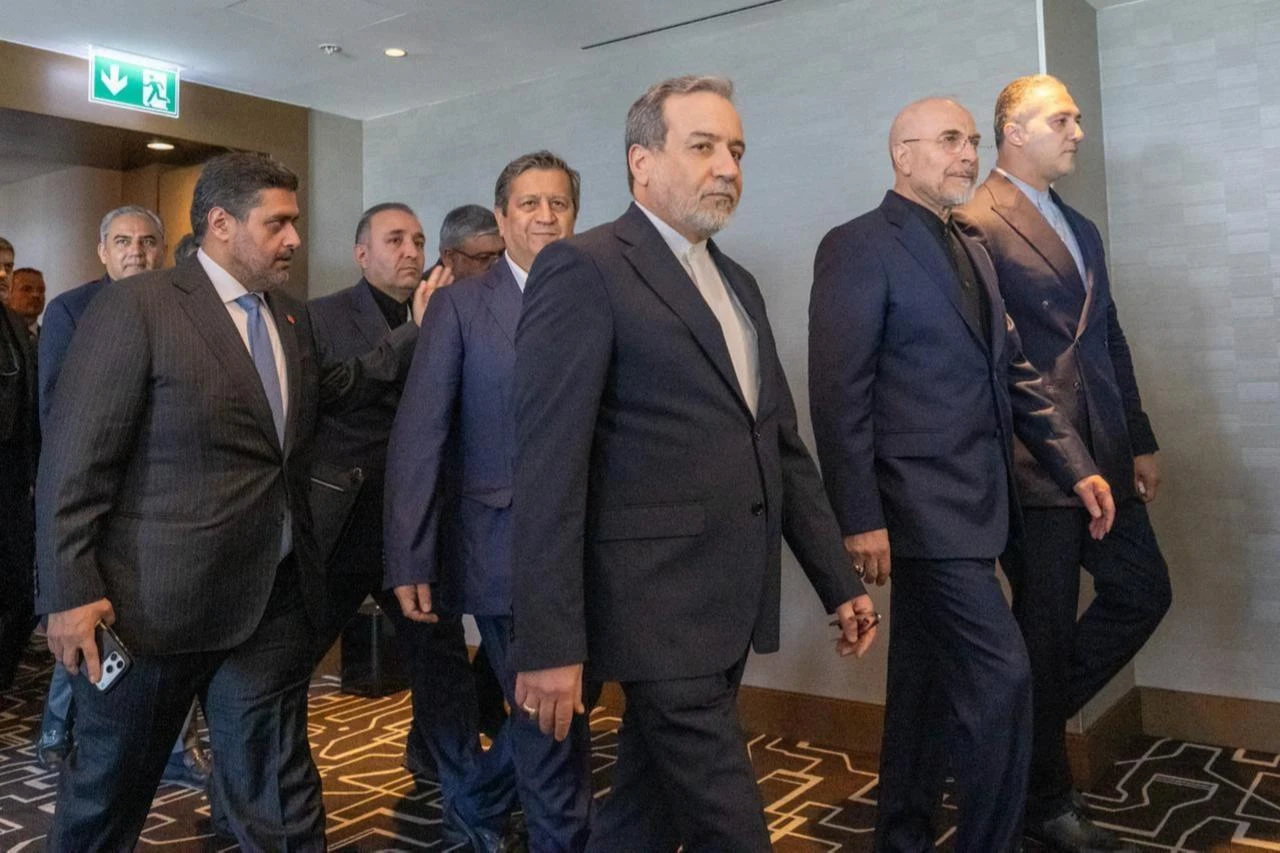


U.S. officials quietly warned Iran through intermediaries early in talks that two of its top negotiators could be targeted by Israel, fearing the alleged plots could derail diplomacy that later culminated in the Islamabad Memorandum, according to the report.
The warning reportedly centered on Foreign Minister Abbas Araghchi and Parliament Speaker Mohammad Bagher Ghalibaf, whom Washington viewed as essential figures for maintaining contact with Tehran.
U.S. officials believed their assassination would jeopardize efforts to end the conflict and reopen the Strait of Hormuz.
"You kill those folks, and you're killing the pragmatists," one U.S. official was quoted by the Wall Street Journal as saying. The report also said U.S. officials urged Israeli counterparts as early as March to avoid targeting Iran's political leadership after the White House shifted toward a negotiated settlement.
According to current and former U.S. officials cited by the report, Washington and Israel initially shared the objective of regime change after the war broke out on Feb. 28.
Israel concentrated on eliminating Iran's political and military leadership, while U.S. forces focused on weakening the country's naval and missile capabilities.
As the conflict unfolded, however, U.S. officials concluded Iran's military and clerical establishment was likely to remain in power, prompting the administration to place greater emphasis on diplomacy.
That shift became more pronounced after Israel assassinated Ali Larijani, Iran's top national security official, in mid-March.
"The turning point wasn't the assassination of the supreme leader, it was the assassination of Larijani," one official familiar with the discussions said. "The U.S. was looking for an Iranian official to deal with and all of a sudden he was gone."
Aaron David Miller, a former State Department official, said the episode highlighted the widening gap between U.S. and Israeli objectives while underscoring Washington's limited influence over Israeli decision-making.

The report also said Ghalibaf survived multiple alleged Israeli assassination attempts during the diplomatic process, including one that forced him to alter his travel plans after returning from Pakistan.
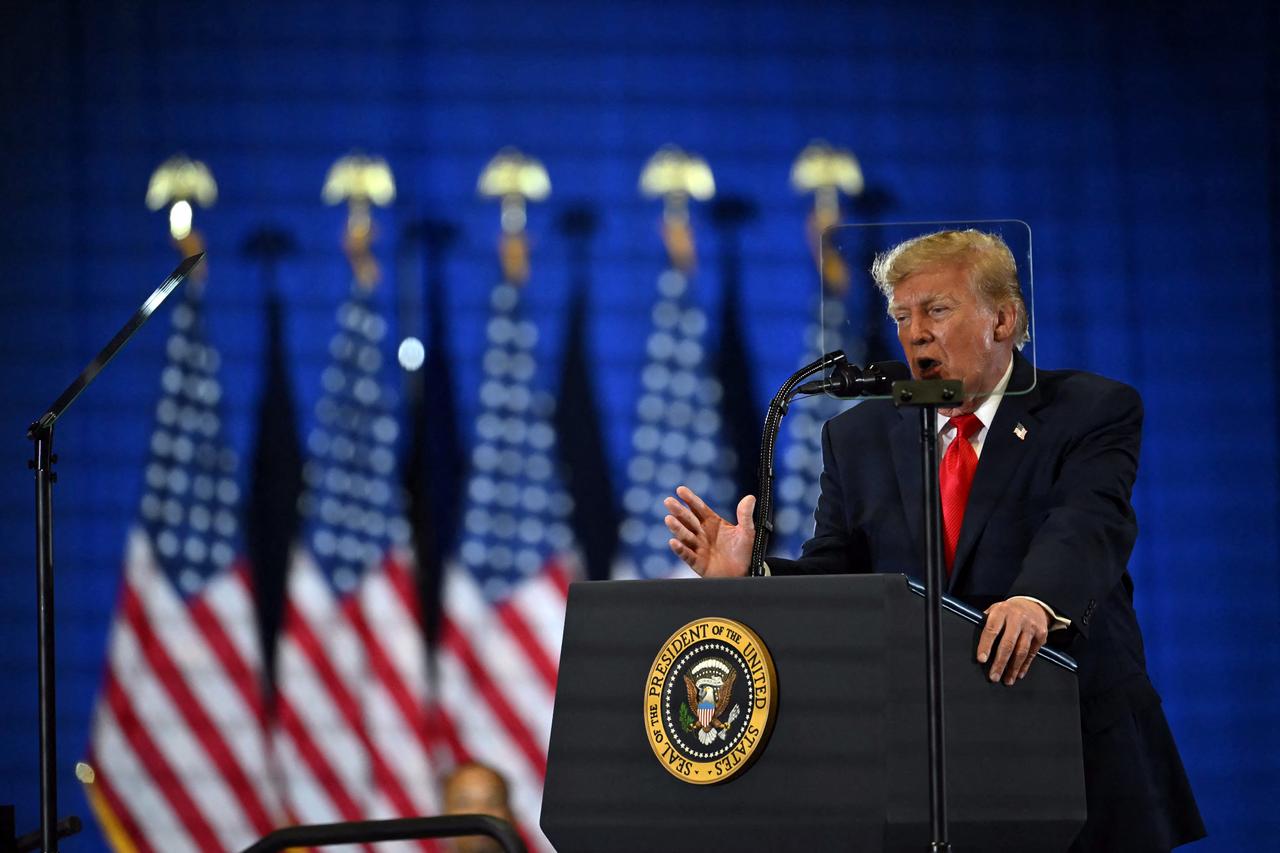
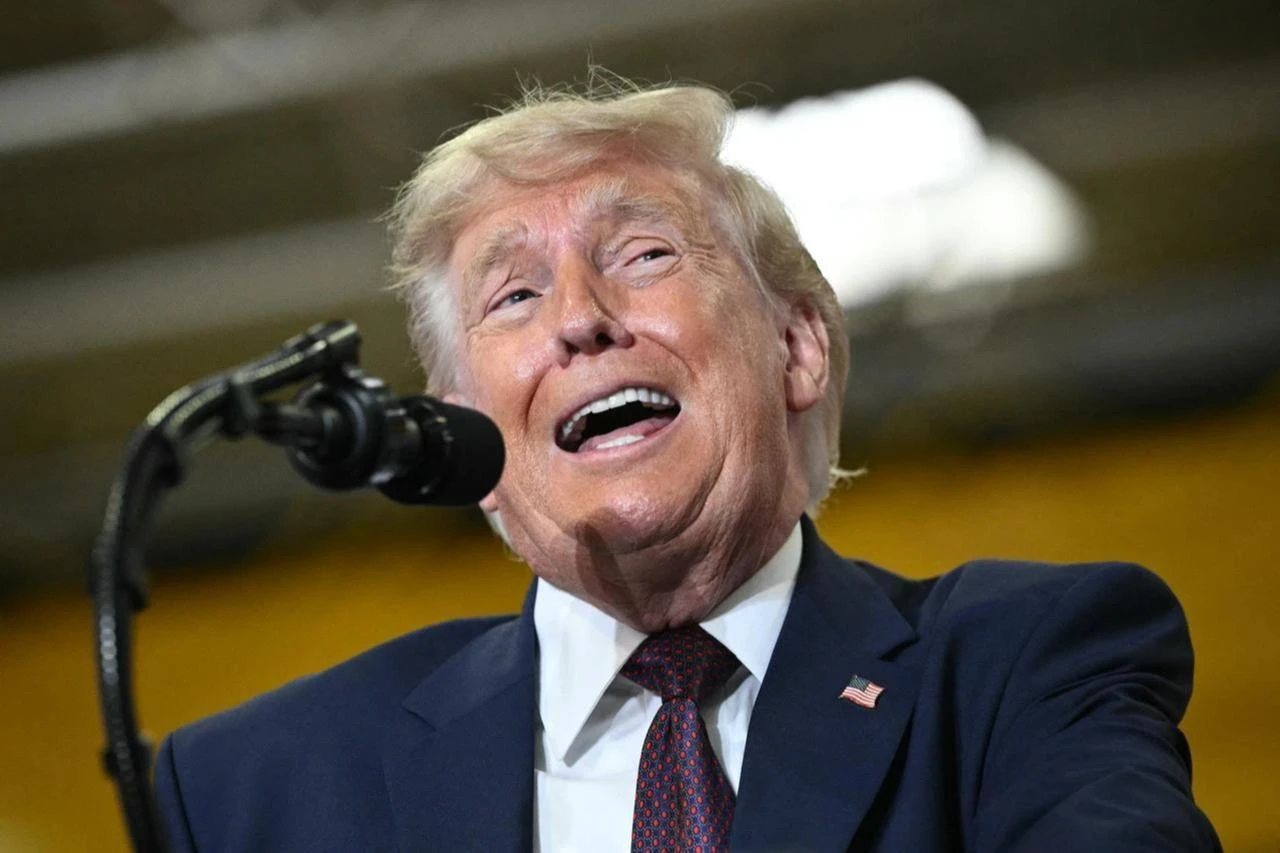
It also pointed to remarks Trump made during the negotiations, in which he acknowledged that Israel's assassination campaign was complicating diplomatic efforts. "You know it's a little tough," Trump told reporters. "They've wiped out everybody. I don't want them to be killed."
The report surfaced as U.S. and Iranian negotiators continued working to turn the Islamabad Memorandum into a broader settlement.
Technical talks held this week in Doha focused on implementing the framework agreement, including maritime security in the Strait of Hormuz and the release of Iranian assets, but ended without a breakthrough.
Mediators from Qatar described the discussions as making "positive progress," while further rounds are expected after the funeral of Iran's Supreme Leader Ayatollah Ali Khamenei.
While the Trump administration continues pursuing diplomacy under the memorandum, Israeli leaders remain skeptical of any agreement that leaves Iran's political system intact, arguing that military pressure should continue until Tehran's capabilities are further reduced.
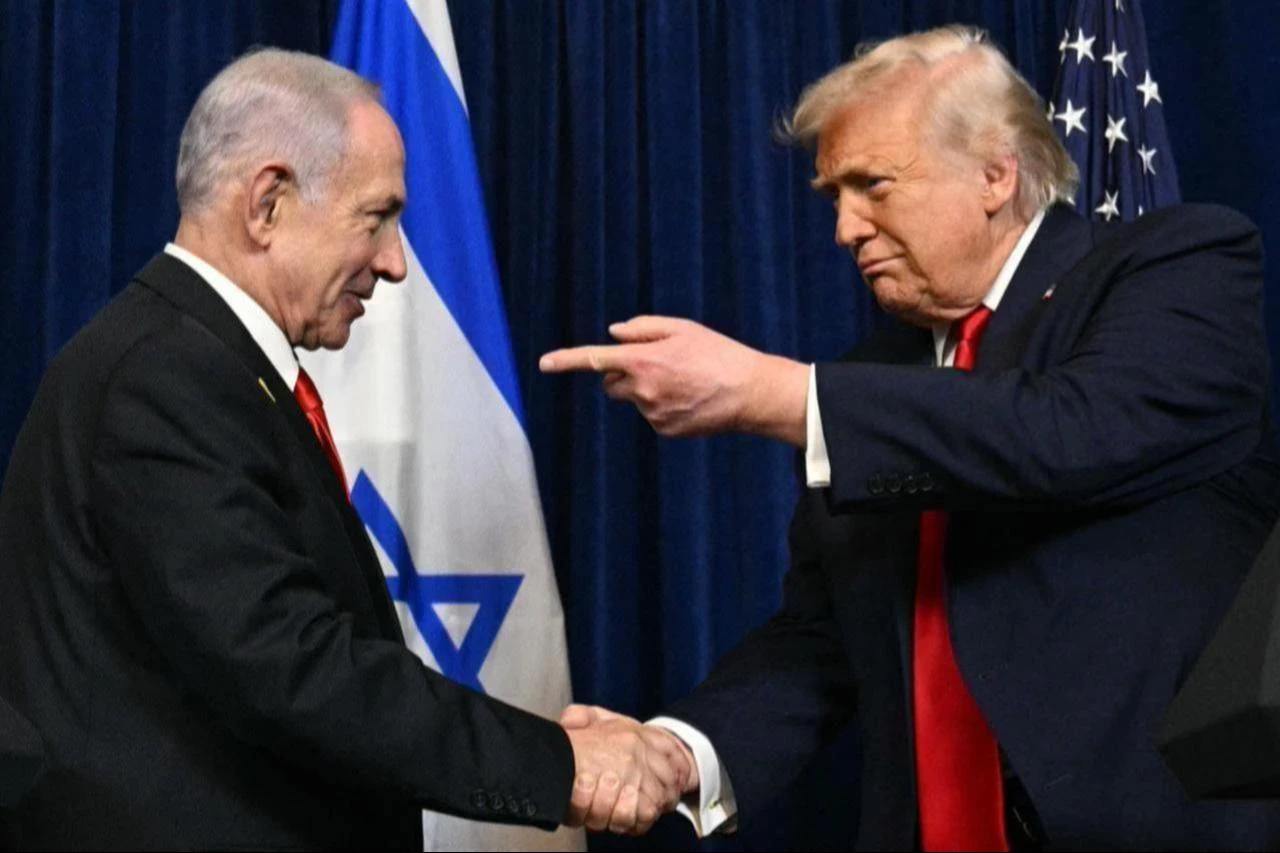
The divide has become particularly evident over Lebanon, another key issue covered by the Islamabad Memorandum. While Washington is pushing for a negotiated arrangement and a lasting ceasefire along the Israel-Lebanon border, Netanyahu has insisted Israeli forces will continue military operations until Hezbollah is fully disarmed and the security threat is eliminated.
Speaking this week, Netanyahu reiterated that Israel reserves the right to resume military action, saying it would strike Iran again "if needed" and insisting Tehran "will not have nuclear weapons."


 Set as preferred source
 Set as preferred source


 1 min read
 1 min read