Newsletters





The United States has warned its citizens worldwide to stay alert after renewed clashes with Iran, citing the risk of "unexpected developments" across the Middle East and possible threats to U.S. interests abroad as the two countries continue exchanging strikes.
The State Department issued a worldwide caution advisory on Monday, warning that heightened regional tensions could trigger security incidents, disrupt travel and affect American citizens overseas.
It urged those already in the Middle East to remain vigilant and prepare for possible flight cancellations, temporary airspace closures and other travel disruptions.
The department further advised travelers outside the region to reconsider trips to and through the Middle East, warning that Iran and groups aligned with Tehran could target U.S. interests and facilities worldwide.
The latest warning follows a renewed escalation between Washington and Tehran after a brief diplomatic breakthrough.
Regional tensions have remained high since the United States and Israel launched a joint offensive against Iran in February, prompting Iranian drone and missile attacks on Gulf countries hosting U.S. military assets.
Although the two sides signed a Pakistani-mediated memorandum of understanding last month aimed at ending the conflict, hostilities picked up again in early July over the Strait of Hormuz, with both sides exchanging attacks.
The U.S. Central Command (CENTCOM) announced Monday that it had carried out another round of strikes targeting Iranian military infrastructure.
The operation struck military command centers, maritime capabilities, missile and drone launch sites, and air defense systems, CENTCOM said, describing the campaign as an effort to reduce Iran's ability to attack commercial shipping passing through the Strait of Hormuz.
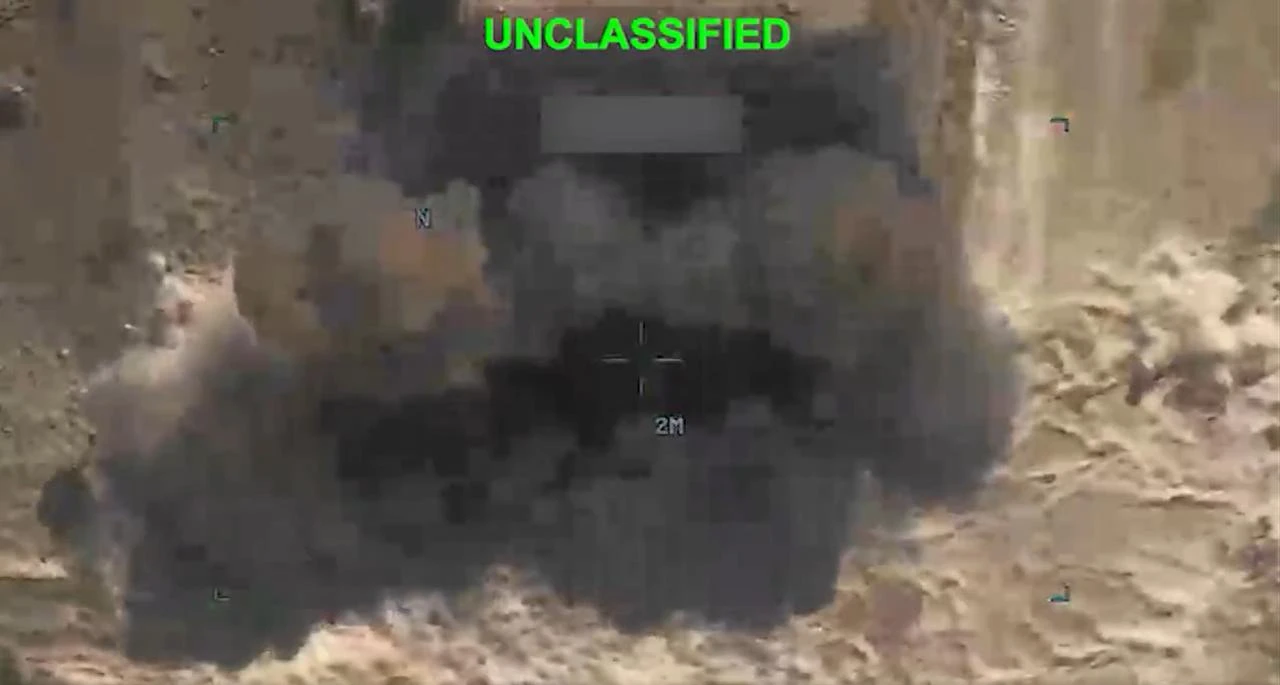

Iranian media reported explosions across several parts of the country late Monday as the latest U.S. strikes hit Iran.
Blasts were reported in Bandar Abbas, Qeshm Island, Sirik and Shiraz, while Iranian outlets also reported 14 explosions near the southeastern cities of Chabahar and Konarak. Air defense systems were activated near the Bushehr Nuclear Power Plant.
Authorities in Isfahan later denied earlier reports of a hostile attack after local media initially reported explosions there. No immediate casualties or damage were reported.
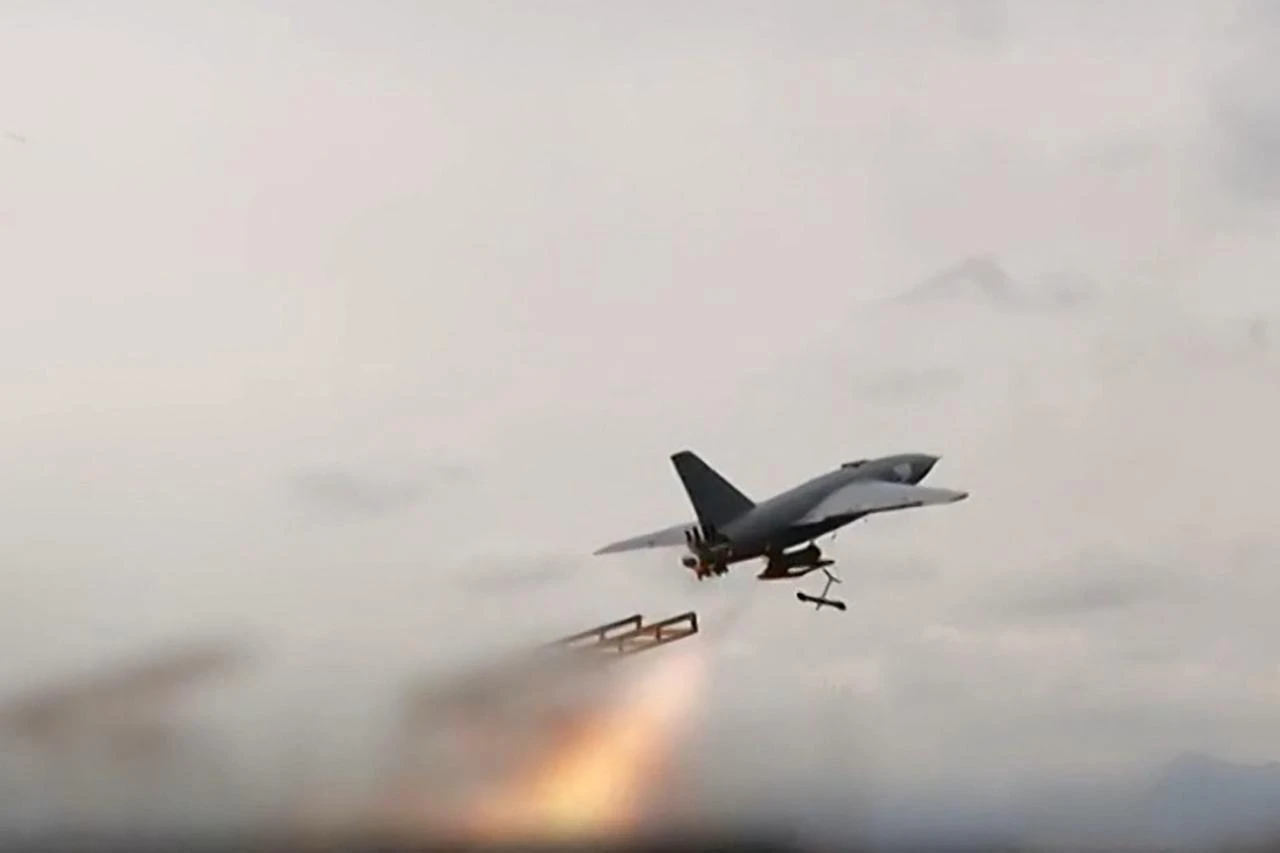
Iran responded by targeting U.S. HIMARS missile systems in Kuwait, according to a military statement. The army said it launched surface-to-surface missiles during the 18th phase of Operation Saegheh, arguing the strike would weaken U.S. offensive and defensive capabilities.
Earlier, air raid sirens sounded across Kuwait as the country's military reported intercepting hostile Iranian missile and drone attacks.


 Set as preferred source
 Set as preferred source


 1 min read
 1 min read