Newsletters




The U.S. concluded its latest round of strikes on Iran after hitting dozens of military targets, the U.S. Central Command (CENTCOM) announced Monday.
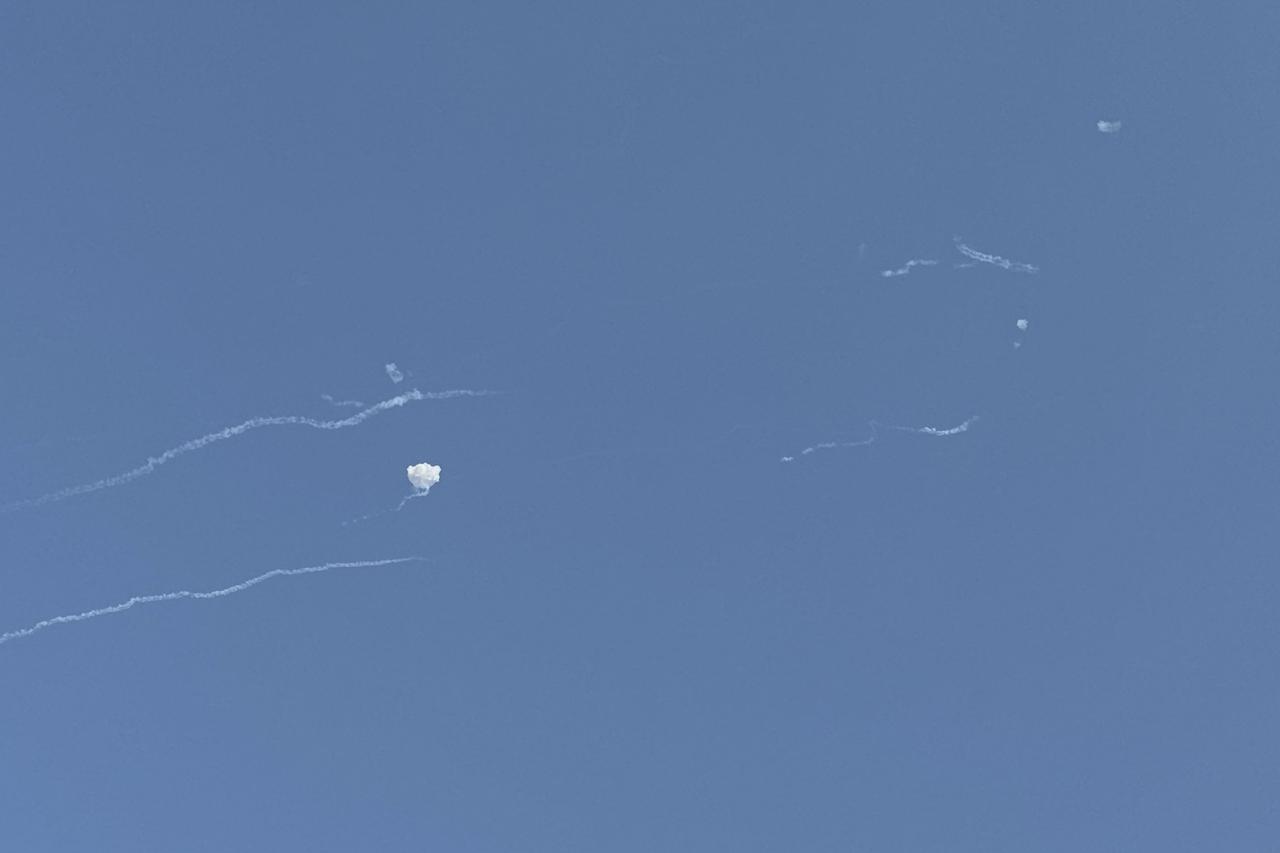
Tehran kept up missile and drone attacks on U.S.-linked military sites in Bahrain, Kuwait and Jordan in retaliation for renewed bombings on its soil.
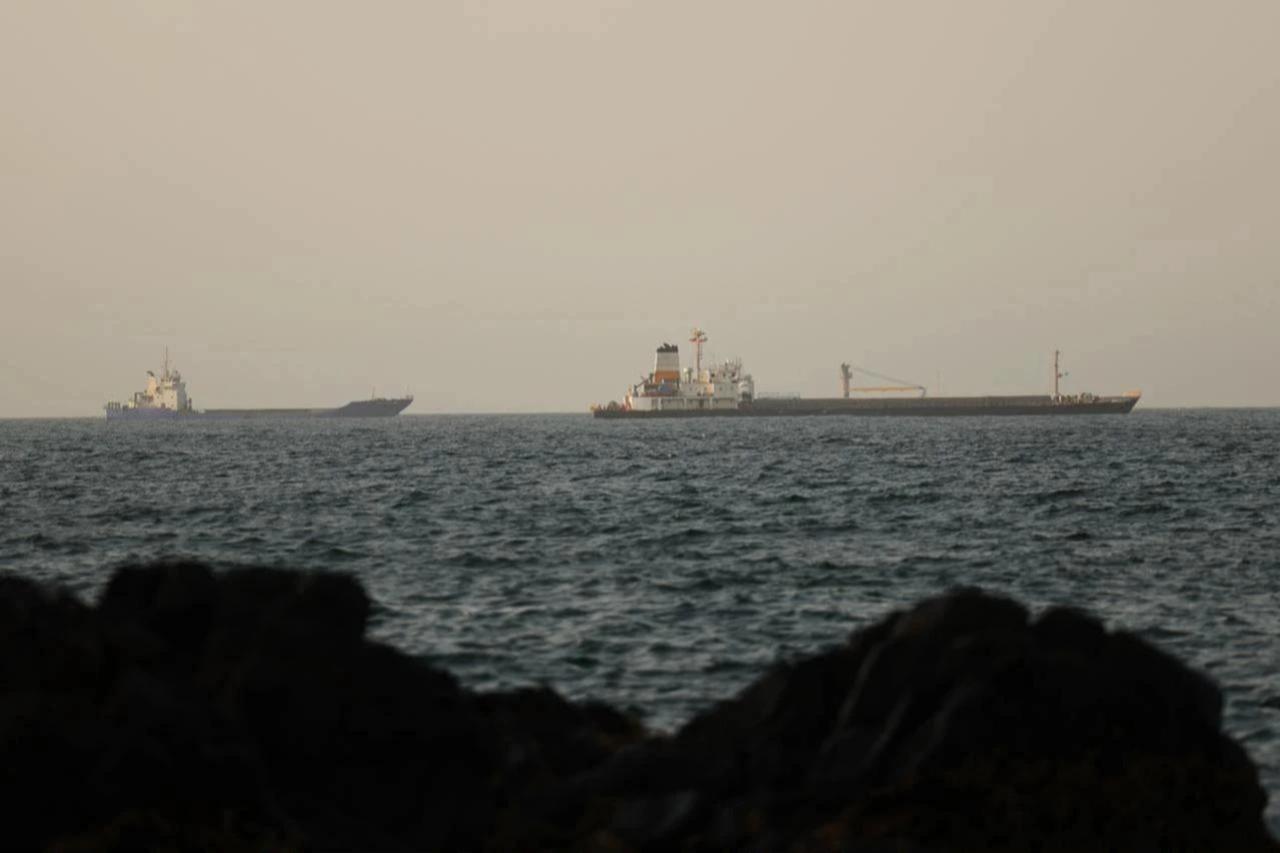
The renewed hostilities come after both sides said the U.S.-Iran truce reached in June had collapsed amid a fresh dispute over the Strait of Hormuz, where continued Iranian attacks on commercial shipping triggered a new cycle of U.S. strikes last week.
CENTCOM said the campaign hit air defense systems, coastal radar installations, missile and drone capabilities, and small boats at multiple locations using precision-guided munitions.
Fighter aircraft, naval vessels, one-way attack aerial drones and, for the first time, one-way attack sea drones took part in the operation, which the command said was aimed at reducing Iran's ability to threaten commercial shipping through the Strait of Hormuz.
"The Strait of Hormuz is a vital maritime corridor for global trade. Iran does not control it," CENTCOM said, adding that U.S. forces remain prepared to safeguard freedom of navigation despite continued Iranian threats to commercial shipping.
Earlier on Sunday, CENTCOM dismissed the Islamic Revolutionary Guard Corps' (IRGC) statement that the Strait of Hormuz had been closed again to shipping traffic following fresh U.S. attacks, saying Iran does not control the strategic waterway and that U.S. forces remain positioned to ensure freedom of navigation.
The command added that commercial traffic continues to flow through the strait despite Tehran's declarations.
CENTCOM also denied Iranian media reports that three U.S. service members had been killed in Iranian strikes on Kuwait, saying all personnel in the region had been accounted for and that there were no reports of deaths or injuries.
Iranian officials, meanwhile, reported that a U.S. strike on an agricultural water pumping station in Mahshahr County in Iran's southwestern Khuzestan province killed one security guard and injured four others.
Iranian media also reported that explosions were heard across southern Iran, including Bandar Abbas, Sirik, Qeshm Island, Jask, Bushehr and Kangan.
Iran's military and the IRGC answered with a large-scale missile and drone campaign against "enemy bases in the region," local media reported. An Iranian military official said the offensive focused on sites selected after monitoring enemy movements over the previous 48 hours.
The IRGC said it struck Prince Hassan Air Base in Jordan, claiming the barrage ignited fuel depots and ammunition storage facilities. Jordan's military, however, reported intercepting and destroying four missiles after they entered the country's airspace from Iran.
Tehran also announced missile strikes on Bahrain's Sheikh Isa Air Base during what it called the second phase of its retaliatory campaign. The IRGC claimed it hit helicopter maintenance facilities, a hangar housing a P-8 aircraft and a U.S. drone command-and-control center.
The IRGC also said it targeted Ali Al-Salem Air Base and Ahmed Al-Jaber Air Base in Kuwait during the third phase of its "eye-for-an-eye" campaign. It claimed the strikes destroyed fuel tanks, Patriot air defense systems and a strategic FPS radar system, while warning against continued foreign military involvement in the Strait of Hormuz.
Kuwait's General Staff, however, said its air defense units intercepted hostile aerial targets inside the country's airspace, adding that explosions heard by residents resulted from interception efforts.
The latest barrage follows a wave of Iranian retaliation over the weekend, when Tehran launched missiles and drones toward U.S.-linked military sites in Qatar, Bahrain, Kuwait, Jordan, Oman and the United Arab Emirates after Washington resumed strikes on Iranian targets.
Iran's Foreign Ministry warned that any territory or facilities used by the U.S. or other parties to launch attacks on Iran would be considered legitimate targets for retaliatory strikes, urging neighboring countries not to allow their land to be used for such operations.
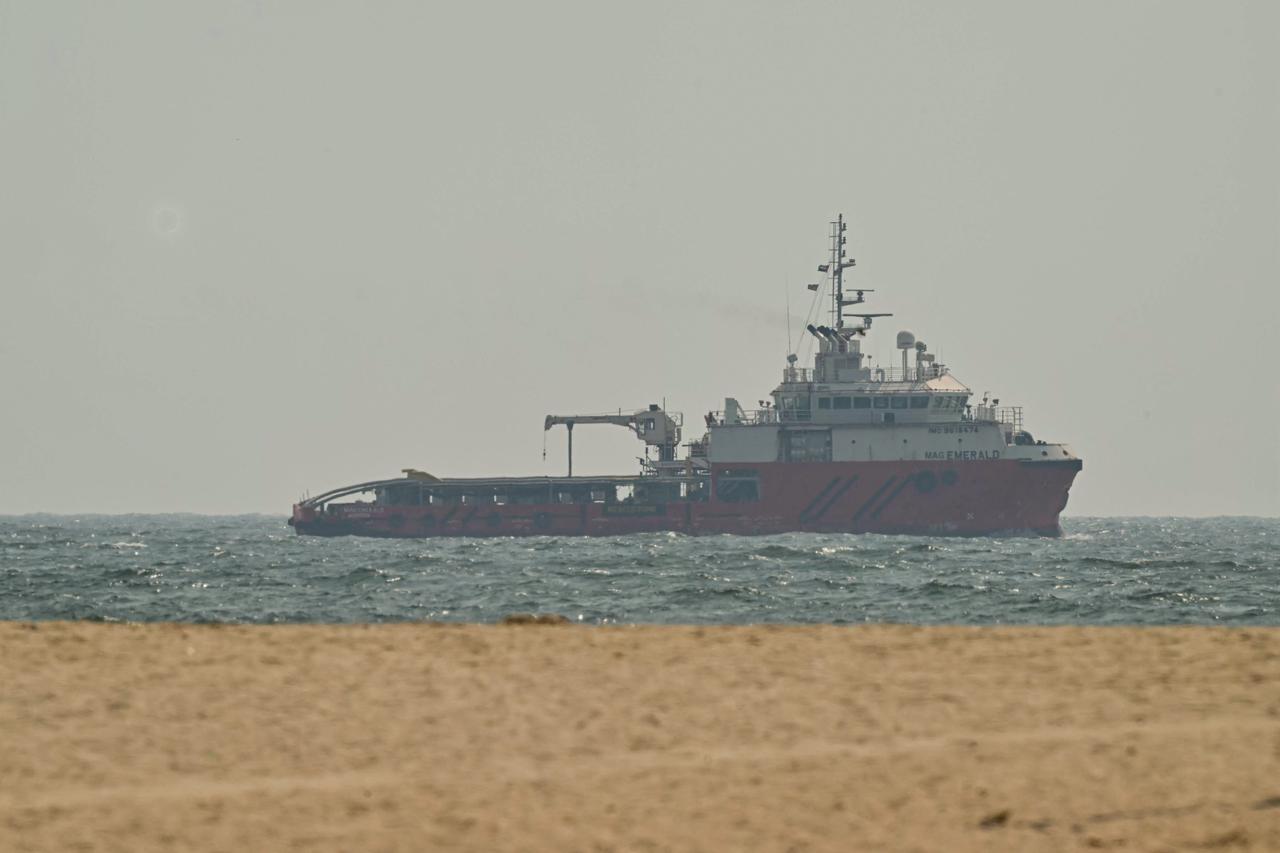

The IRGC also renewed its warning against further U.S. military involvement in the Strait of Hormuz, saying it would not tolerate a continued foreign military presence in the strategic waterway.
The warning comes as Tehran increasingly argues that the future management of the strait should be handled by the two coastal states, Iran and Oman, rather than outside powers.
Iranian Foreign Ministry spokesman Esmaeil Baqaei said discussions in Muscat over the weekend between Foreign Minister Abbas Araghchi and Omani officials focused on long-term arrangements for shipping, navigation and maritime security in Hormuz.
He said the two countries agreed to continue political, technical and legal consultations to reach a common framework, while a Qatari delegation joined part of the talks.
Tehran argues that the renewed restrictions are necessary to protect shipping after accusing the U.S. and its allies of using commercial maritime traffic as cover for military operations and intelligence gathering.
Iranian officials have also accused some vessels of disabling their tracking systems, violating maritime regulations and supporting hostile activities in the Strait of Hormuz, saying tighter oversight is needed to safeguard the waterway.


 Set as preferred source
 Set as preferred source


 1 min read
 1 min read