Newsletters


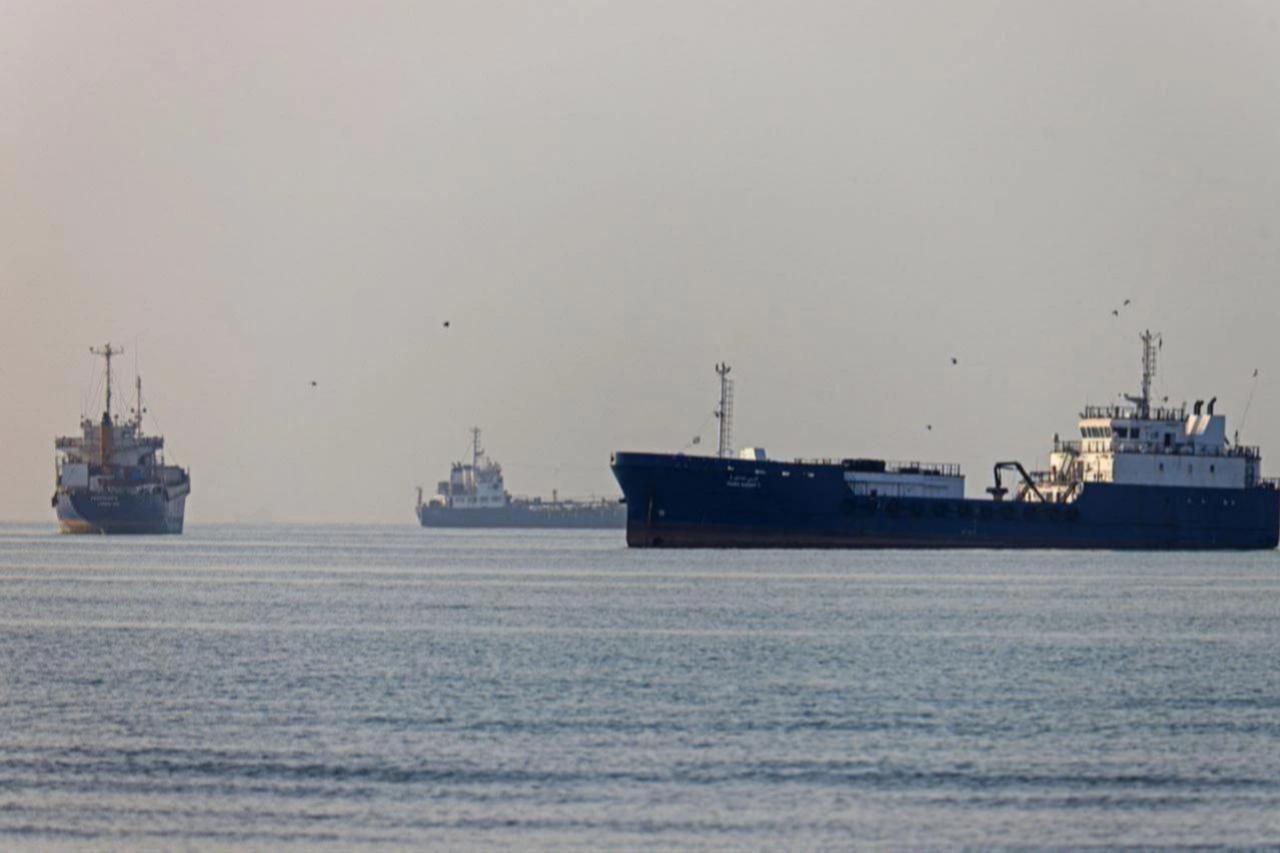


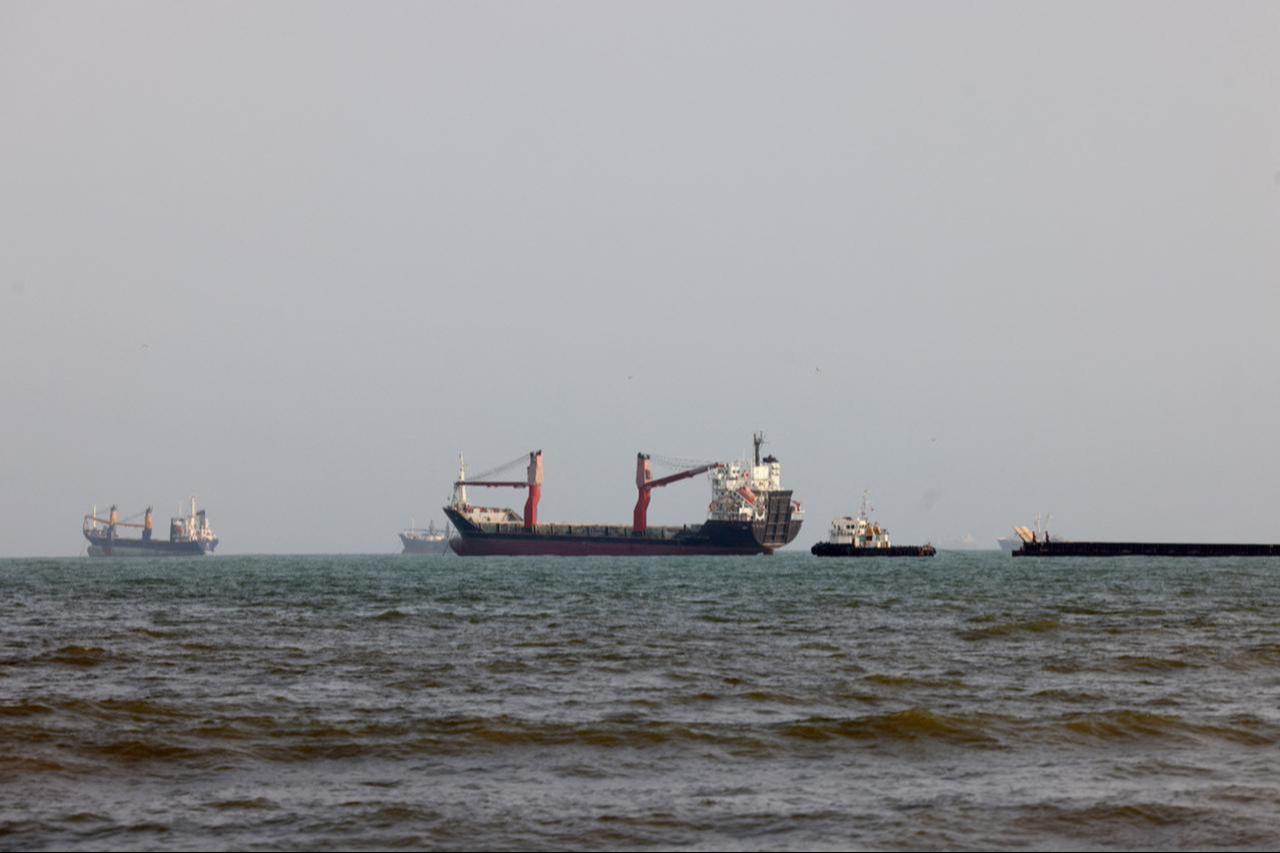
A cargo vessel has caught fire and is adrift in the Strait of Hormuz after being struck by an unknown projectile, according to a report received by the United Kingdom Maritime Trade Operations (UKMTO) on Wednesday.
The vessel's Company Security Officer reported the incident to UKMTO at 0630 UTC on Sept. 23.
All crew members have been evacuated, while 2 casualties have been reported, and authorities are investigating the attack.
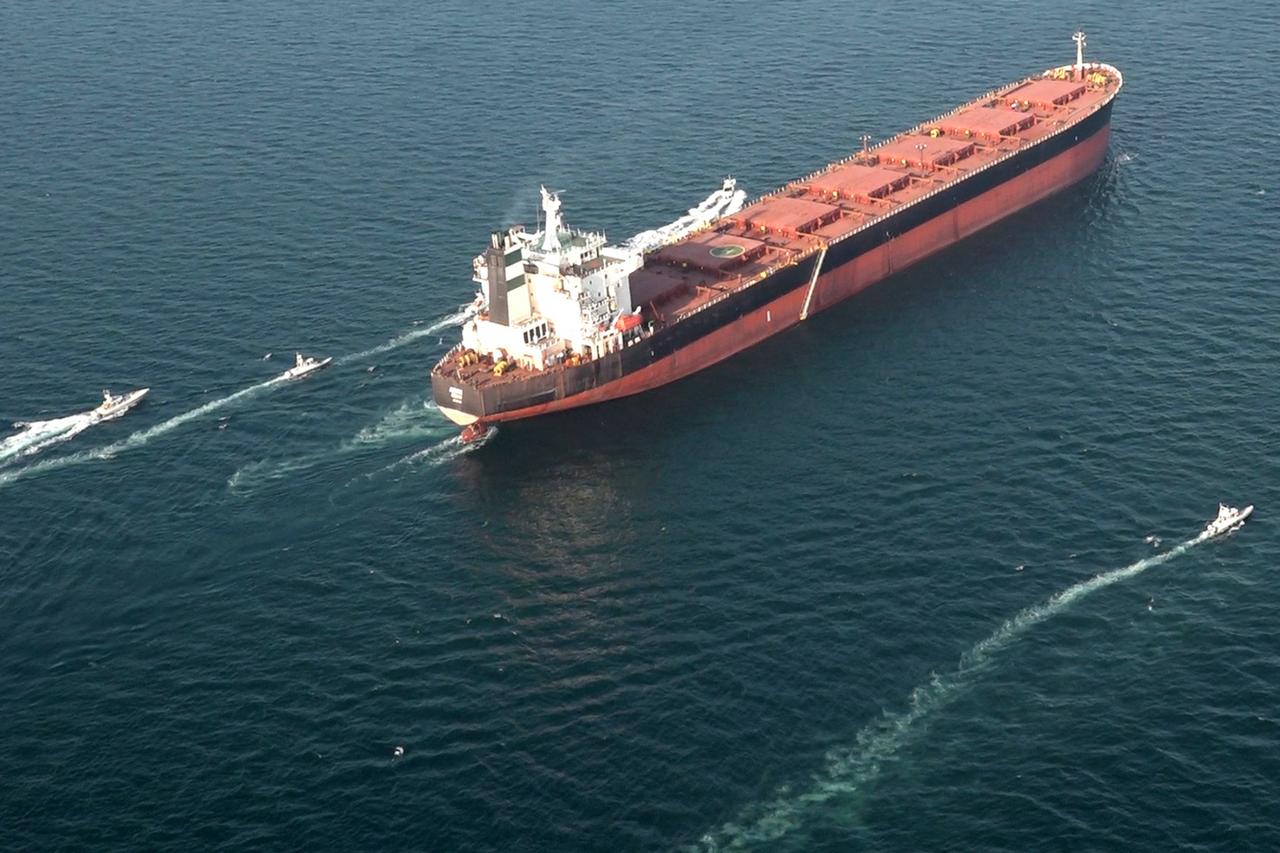
The latest incident follows an attack reported Monday involving a tanker transiting the Strait of Hormuz. According to UKMTO, military authorities informed the agency that the tanker, which was conducting an inbound transit, was struck by an unknown projectile.
Two crew members sustained minor injuries, while the vessel continued to its next port of call under its own power.
The Strait of Hormuz, a vital shipping corridor that normally handles around a fifth of global energy flows, remains effectively closed to navigation, with 3 commodity vessels transiting the waterway on Tuesday, down from 4 a day earlier and well below the 10-day average of about 15.
While some energy shipments continue to move through the strait, including vessels operating with their tracking transponders switched off, maritime traffic remains severely constrained.

The latest strike comes as Iranian Foreign Minister Abbas Araghchi met with U.S. President Donald Trump's special envoys Steve Witkoff and Jared Kushner in New York on Tuesday, in the first high-level face-to-face contact between Iranian and U.S. officials since fighting resumed after a June understanding between Tehran and Washington.
During the meeting, Araghchi outlined Tehran's conditions for reopening the Strait of Hormuz, including lifting the U.S. naval blockade on Iranian ports, releasing frozen Iranian assets and ending the war in areas where the "resistance front" was present, according to Iranian state television.
Iranian Foreign Ministry spokesman Esmail Baghaei confirmed that the exchange took place through a Qatari mediator as both delegations attended the 81st session of the U.N. General Assembly. He added that Tehran also called for an end to the war, U.S. "aggressive actions," the naval blockade, and economic war, as well as the release of Iranian assets.


 Set as preferred source
 Set as preferred source


 1 min read
 1 min read