Newsletters


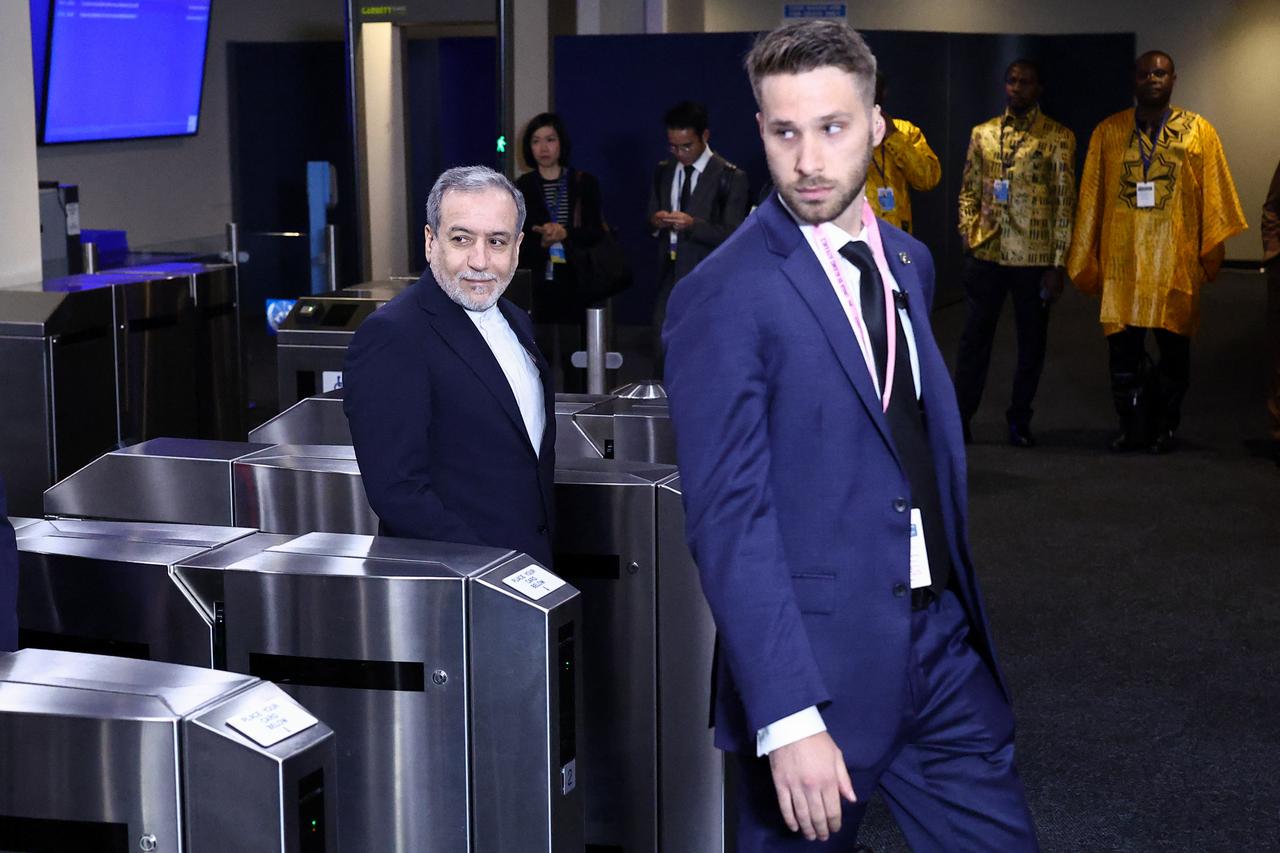


Iranian Foreign Minister Abbas Araghchi met with U.S. President Donald Trump’s special envoys Steve Witkoff and Jared Kushner in New York on Tuesday after what Iranian state television described as "persistent requests" from U.S. officials.
The meeting took place as Araghchi visited New York for the United Nations General Assembly and marked the first high-level face-to-face contact between Iranian and U.S. officials since fighting resumed following a June understanding between Tehran and Washington.
Iranian state television confirmed the meeting and reported that Araghchi presented Washington with Tehran’s conditions for reopening the Strait of Hormuz. Those conditions included the immediate lifting of the U.S. naval blockade on the Iranian ports, the release of all Iranian frozen assets, and an end to the war in all areas where the "resistance front" was present.
In a post on X, Witkoff said the two delegations spent much of the day in extended discussions in New York, with mediators moving back and forth between the U.S. and Iranian sides. "They successfully completed a round of discussions that we hope will prove constructive and promising. The mediators will continue their work," Witkoff added.
Trump also said earlier that members of his team met with an Iranian delegation in New York for about three hours. He described the discussions as " very good" and "very productive” and indicated that another meeting was scheduled in the near future.
However, Trump also warned that Iran faced a stark choice between "obliteration" and the potential to achieve greatness, after earlier telling the U.N. General Assembly that he could "annihilate the Islamic Republic" if no deal was reached.
Responding to Trump’s remarks, Iranian Foreign Ministry spokesman Esmail Baghaei told state media that diplomats and delegations from several countries viewed his comments as reflecting desperation rather than authority.
He also accused the U.S. administration of revealing the nature of its conduct by threatening Iran with military action, calling such threats an admission that Washington was committing international crimes.


 Set as preferred source
 Set as preferred source


 1 min read
 1 min read