Newsletters


In the high-stakes tournaments of Middle Eastern politics that repeat themselves every few years, only a handful of leaders have navigated the field as masterfully as Walid Jumblatt. Once branded a "warlord"—like many other prominent Lebanese politicians—his political impact has been magnified by the delicate domestic balance unique to Lebanon's political scene.
Many don't see him as a leader who only focuses on the survival of his small Druze community, but rather as a man who sets trends in politics and whose plans are generally aimed at the country's salvation, much like his father Kamal's stance in Lebanese politics.
In a shaky landscape notorious for sudden, career-ending collisions, he is a master of the pivot: absorbing intense pressure to ensure his community and his country remain in the game, living a life full of danger, and once meeting his father's murderer due to vicious realpolitik.
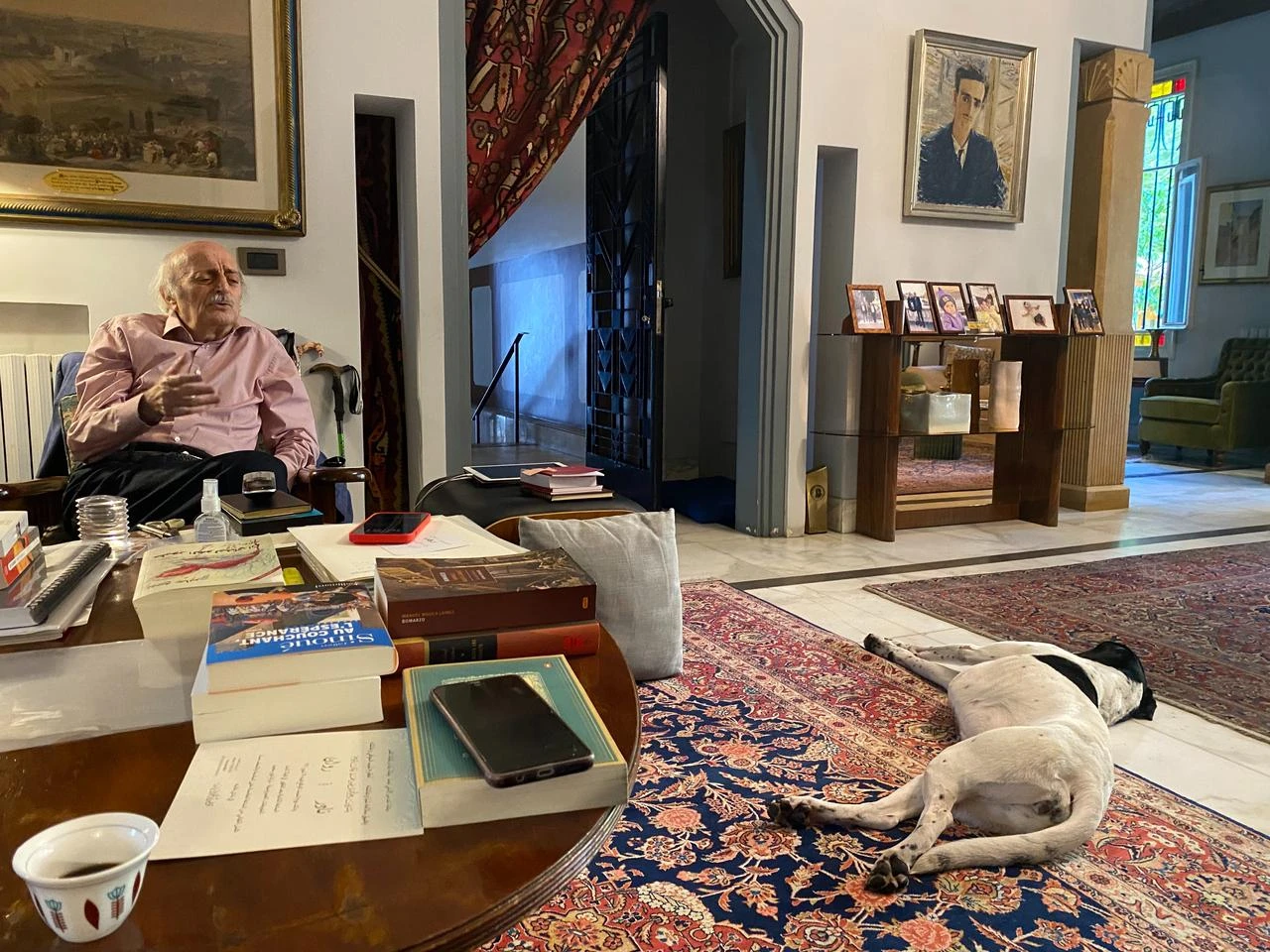
During an exclusive interview with Türkiye Today at his residence in Beirut, Jumblatt shares his views on the current state of play. Starting with the complex shadow of the Ottoman past, he analyzes the looming threat of an Israel-Türkiye conflict, and the existential traps waiting in Lebanon and Syria due to Israeli politics.
In an interview last year, Jumblatt said he wishes the Ottoman Empire would return, as it was the only lasting entity that united Muslims and Arabs for centuries.
He also visited President Erdogan right after the fall of the Assad regime in December 2024.
To understand the current dynamic between Ankara and Beirut, one must first look at the historical baggage that still influences the public's perception—especially among Lebanese Christians, who are arguably more influential than other communities due to financial wealth and bureaucratic position. When discussing how the Lebanese view Türkiye, Jumblatt immediately points to a lingering historical disconnect rooted in the region's Ottoman past.
"We have some old history of bad relations with Türkiye because some people combine the old Ottoman Empire with (modern-day Türkiye)... but they don't know anything about modern Türkiye," Jumblatt observes.
He acknowledges the "bad things" during the Young Turks period, but views the Ottoman era as much more than that. And he accepts it is not possible to bring the Ottoman Empire back in any form.
Referring to some calls for Türkiye to play a bigger role in Lebanese politics, and become a major player in a country where every regional power tries to pull it in its own direction, Jumblatt firmly rejects the notion that Türkiye should step into Lebanon as a "protector of minorities." For Jumblatt, adopting this Ottoman-era framing in the modern day is a dangerous tactical error that plays directly into the hands of adversaries.
"I don't like the (notion of) protector of minorities," he states flatly. "When you mention that, it reminds me of the policy of Israel, which is using minorities... Lebanon is independent. We need Türkiye as a foreign country that supports Lebanon, its stability, and we need economic ties."
By focusing on state-to-state stability and economic interests rather than sectarian patronage, Jumblatt advocates for a pragmatic, modern relationship with Ankara that leaves the ghosts of the empire behind.

While much of the world's attention is hyper-focused on the immediate borders of the Levant, Jumblatt looks further down the field. He views a potential long-term collision between Israel and Türkiye not as a distant hypothetical, but as a distinct reality.
When asked if an Israeli-Turkish conflict is imminent, the veteran politician says Ankara is maintaining a highly vigilant and cautious defensive posture.
"They have to be very careful," Jumblatt warns. "In the long term, yes, Israel will try to attack Türkiye. And Israel will use any form of their policy to try to create problems for Türkiye."
For Jumblatt, Israel’s playbook is not limited to its immediate Arab neighbors; it relies on a wider strategy of regional fragmentation that powers like Türkiye must be prepared to defend against.
Jumblatt thinks that the "Greater Israel" project is underway, and that current Israeli aggression is a part of its plans for territorial expansion.
On the subject of Lebanon’s volatile domestic landscape, Jumblatt is resolute regarding the armed status of Hezbollah amidst intense international pressure. While various global actors attempt to rewrite the rules of engagement in South Lebanon, Jumblatt views forced disarmament as an impossible and illegitimate demand.
"Disarmament by whom?" he asks rhetorically. "The people of Hezbollah, the followers of Hezbollah, are Lebanese. They are Shia Lebanese. And any pressure from the Americans or from the Israelis on Lebanon to disarm by force is refused. These are Lebanese. They are defending their land, the land of the South."
He also delivers a sharp critique of the diplomatic maneuvers currently on the table, specifically targeting agreements that propose vague military shifts rather than definitive solutions. He calls out the terminology used in recent diplomatic protocols as a severe misstep for Lebanon.
"(The recent deal between Lebanon and Israel) does not mention the withdrawal, total withdrawal of the Israelis from the South of Lebanon. It mentions one issue: redeployment. Redeployment is a big trap," Jumblatt cautions.
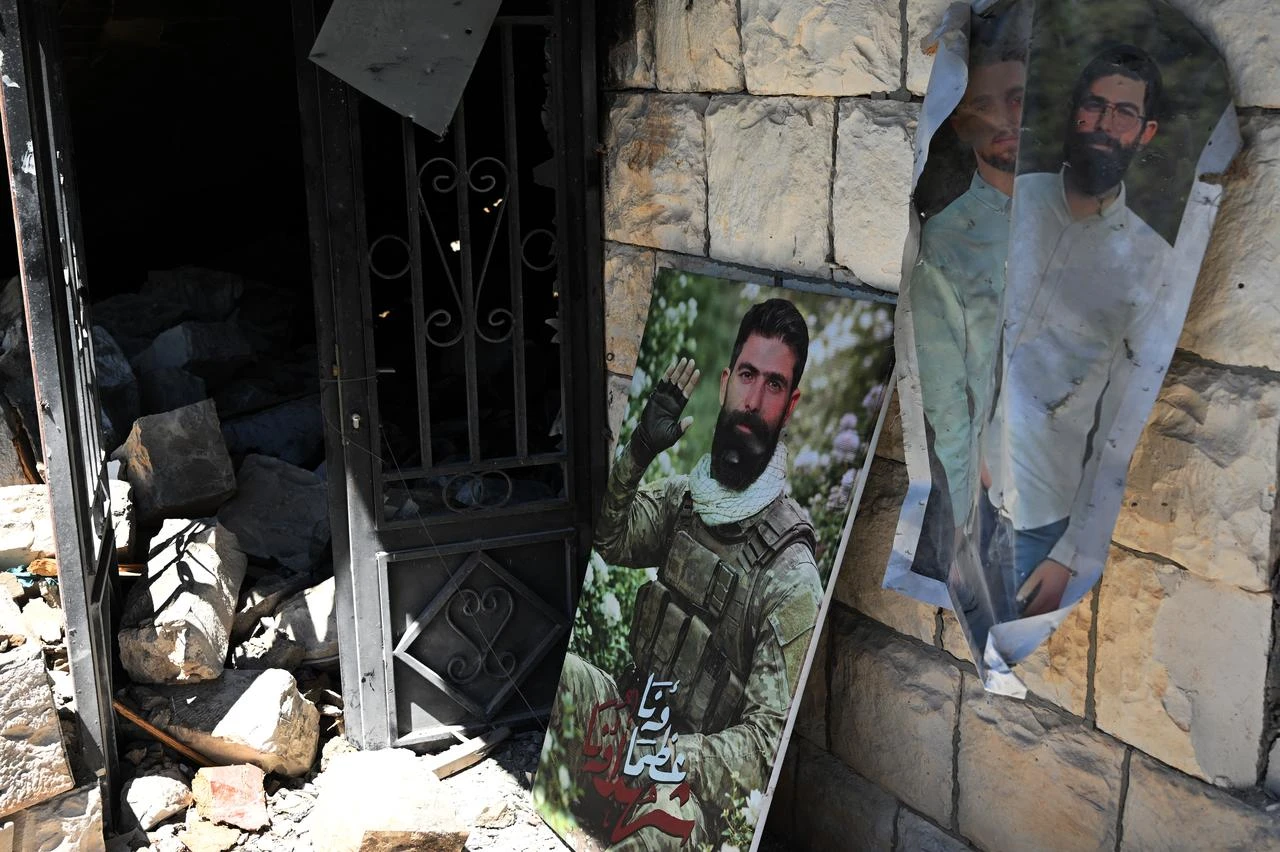
Jumblatt’s ability to read the game and political responsibility arguably extend into neighboring Syria, where the Druze community in the Suwayda province faces immense pressure.
Addressing murmurs of establishing an independent or autonomous Druze entity in the region, Jumblatt dismisses the idea as a fatal own-goal.
He insists that this is not a path to freedom, but rather a classic maneuver by Israel to weaken its Arab neighbors by fracturing them from within.
"They want to use the Druzes to dislocate Syria and Lebanon," he said, identifying this as Israel's "decades-old traditional policy."
When asked if Suwayda could survive on its own without being connected to Damascus, he answers with a definitive no.
"They can't. But they have to be careful because some people there think that they can have a small Druze state. They will be used against the majority of the people of Syria and the Arab world."


 Set as preferred source
 Set as preferred source


 4 min read