Newsletters


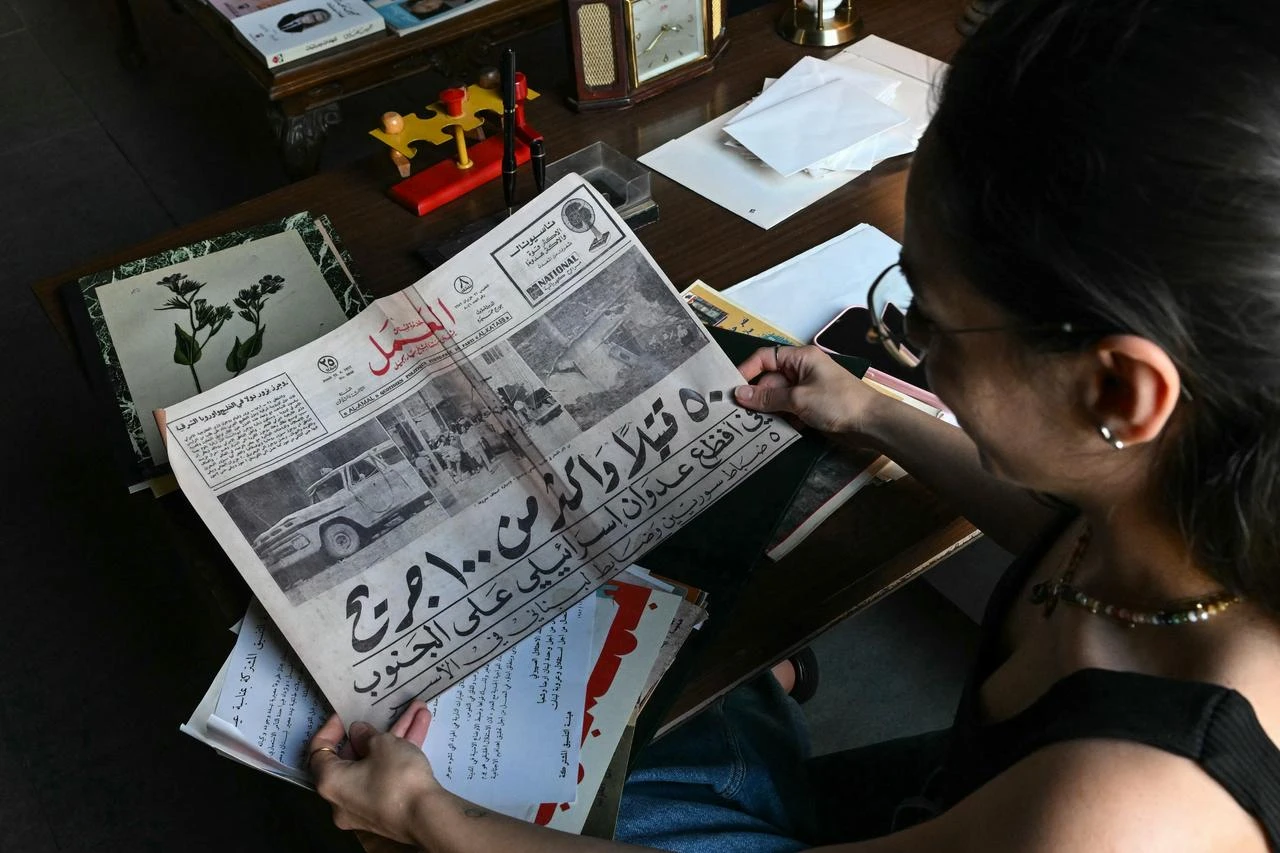


The departure of the Assad family from Damascus after more than five decades in power generated a sense of triumph among many Arab Sunni populations across the region. This excitement has been particularly visible in Lebanon’s Sunni heartland, particularly in Tripoli.
As one of Lebanon’s principal centers of Sunni political, religious, and commercial influence, Tripoli welcomed Syrian Foreign Minister Asaad al-Shibani during his recent visit. He was greeted not only by large crowds but also by the city’s political elite, the Mufti of Tripoli, prominent businessmen and representatives of both Muslim and Christian communities.
The new government in Damascus has found support beyond Sunni communities, appealing to many Christians and other groups hoping for a broader pro-Western shift in the region. Syria’s transition from a government closely allied with Russia and Iran to one seeking closer relations with Western countries is therefore seen by these groups as an opportunity.
Tripoli’s inhabitants have traditionally included Sunni merchants and members of the urban middle class, with a political culture that has generally been more pragmatic than ideological. Consequently, Lebanon’s growing isolation from the wider region and the international community has been viewed unfavorably by many Sunnis, who have historically favored economic openness and regional integration.
Over the past two decades, however, Lebanon’s Sunni community has experienced a steady decline in political influence. The assassination of former prime minister Rafik Hariri in 2005 and the subsequent leadership challenges within the Sunni political establishment deepened a sense of marginalization.
Another turning point came in May 2008, when Hezbollah fighters took control of Sunni neighborhoods in West Beirut during armed clashes. These events contributed to a prolonged period of political fragmentation within the Sunni community, while Hezbollah’s influence over the broader Lebanese political system continued to grow.
At the same time, Saudi Arabia, traditionally the principal regional patron of Lebanon’s Sunni political leadership, gradually reduced its engagement, arguing that successive Sunni leaders had proved unable to counter Iran’s expanding influence in Lebanon effectively.
The recent weakening of Hezbollah following its wars with Israel, which eliminated much of its senior command and degraded its military capabilities, has coincided with the emergence of a new Sunni-led government in Syria. Together, these shifts have created a new political alignment in Lebanon.
In this context, and given the growing euphoria within Lebanon’s Sunni community, there is increasing speculation that U.S. President Donald Trump is seeking to draw Syrian President Ahmad al-Sharaa into the Lebanese arena and open a second front against Hezbollah.
Yet enthusiasm for Syria’s political transformation does not necessarily translate into support for renewed Syrian military involvement in Lebanon.
 2 min read
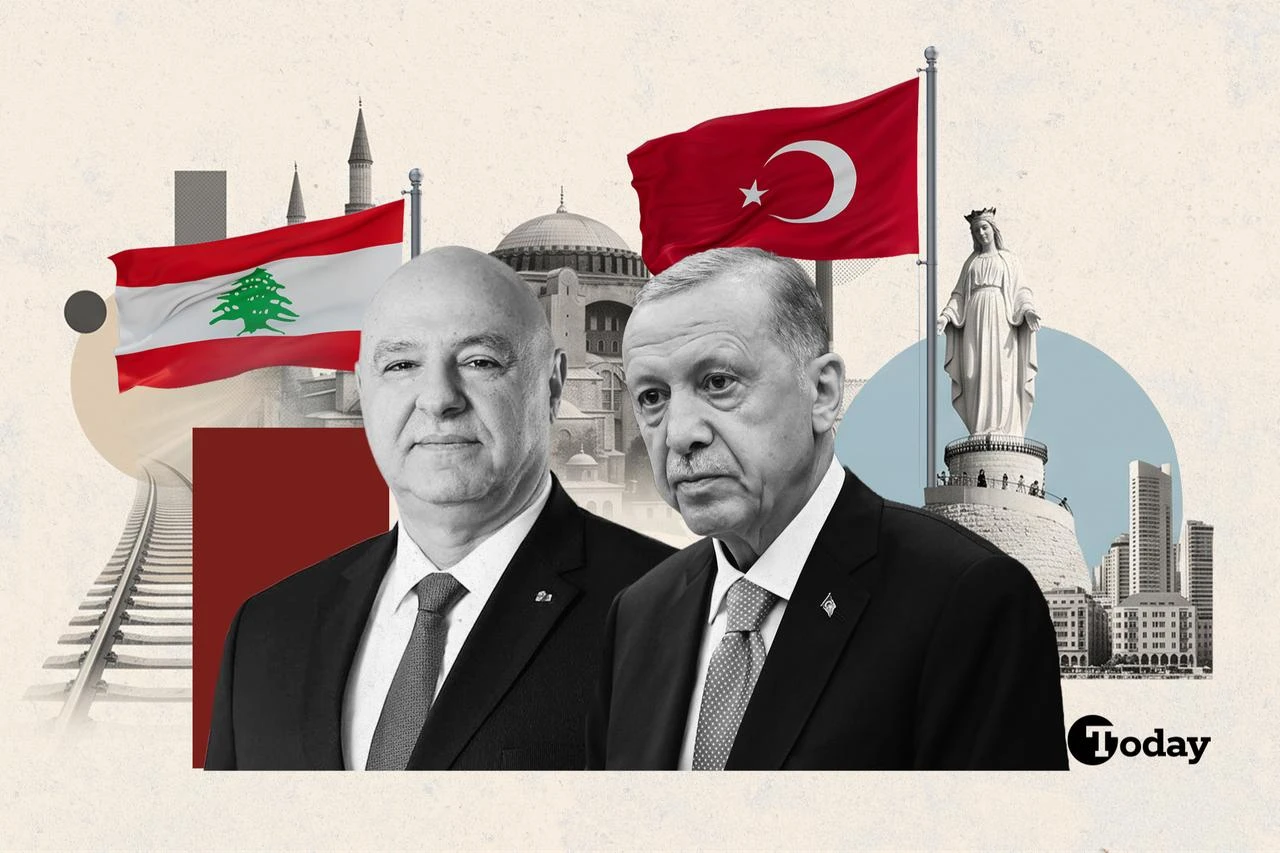

Among those who welcomed Shibani to Tripoli was retired major general Ashraf Rifi, a current member of the Lebanese Parliament for Tripoli, leader of the Sanad Movement and one of the most prominent figures in Lebanese Sunni politics.
General Rifi served for 37 years in Lebanon’s Internal Security Forces (ISF), including eight years as its director general, between 2005 and 2013. During his tenure, he oversaw the establishment and development of the ISF's Information Branch, giving him extensive experience of Lebanon’s security landscape.
When I raised the subject with Rifi in his office, he spoke with visible enthusiasm about the fall of the Assad government and the emergence of a new leadership in Damascus. He expressed hope that the transformation in Syria would strengthen the political position of Lebanon’s Sunnis.
Yet he was cautious about the idea of the Syrian army entering Lebanon and said he did not believe President Sharaa would make such a move. For Rifi, the last time the Syrian army entered Lebanon, it left behind scars that have yet to heal, making any return both unnecessary and dangerous. Any renewed intervention, he argued, would bring further instability to both countries.
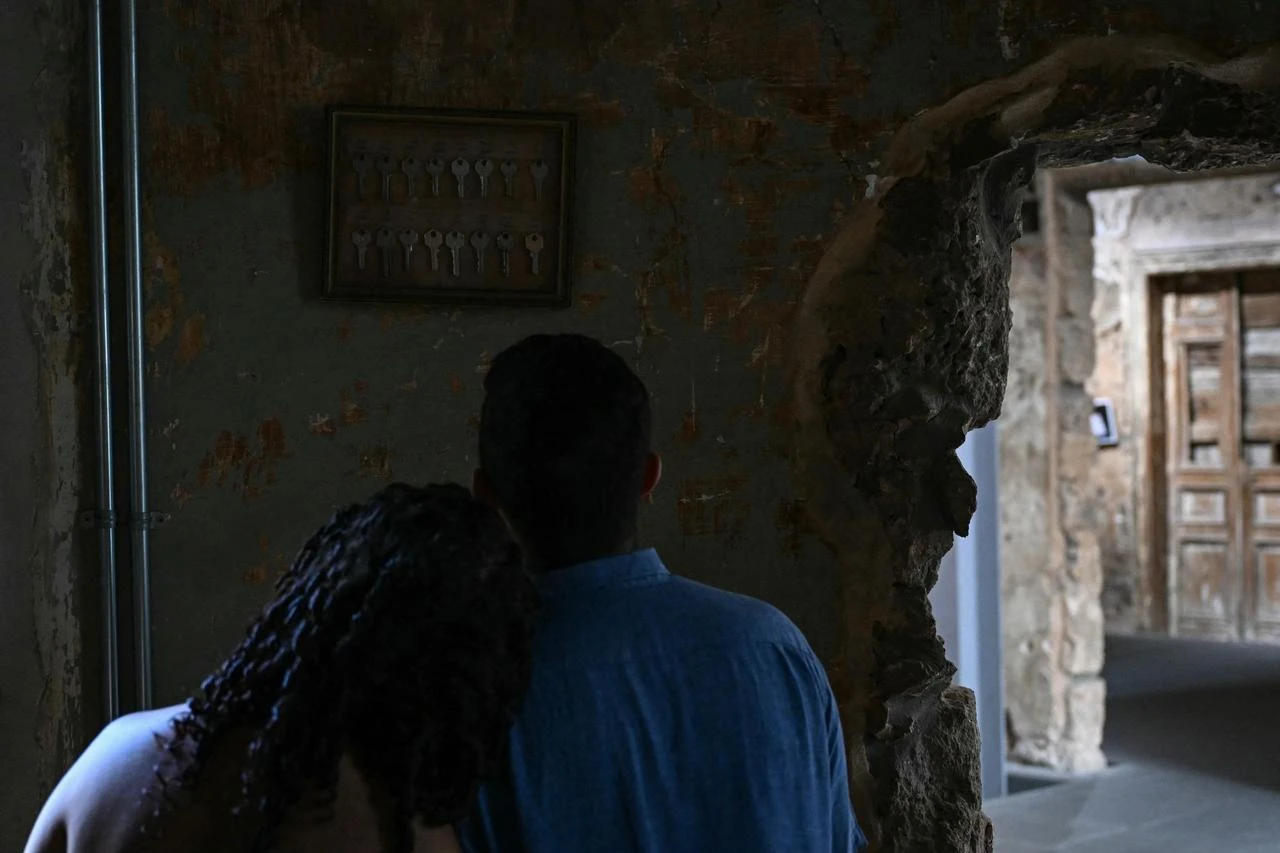
General Rifi’s caution is rooted in Lebanon’s previous experience with Syrian intervention. Under Hafez al-Assad, the Syrian army entered Lebanon during the civil war and remained in the country for nearly three decades. During this period, Damascus exercised extensive influence over Lebanon’s political and security institutions.
Although Syria initially entered Lebanon as a stabilizing force, many Lebanese remember the period as one of political domination, intimidation, repression and the pervasive role of the mukhabarat. The era is also associated with a series of political assassinations that continue to shape Lebanese perceptions of Syrian involvement.
Sharaa has denied reports that his forces could enter Lebanon. However, speculation about such a possibility continues. He has so far presented himself as a pragmatic leader focused on restoring Syria’s stability, rebuilding its institutions, and improving its international relationships. The political profile he has sought to project does not suggest that he would allow the current euphoria to push Syria toward military intervention in Lebanon.
Nevertheless, Washington possesses considerable leverage over the Syrian leadership. Syria’s reintegration into the international community and the global economy continues to depend heavily on U.S. sanctions relief and the gradual removal of restrictions on the new government. This gives Washington significant means to exert pressure on Sharaa, although it does not guarantee that Damascus would comply.
Following the recent clashes in Syria’s Suwayda Governorate, many Lebanese Druze would likely oppose any expanded Syrian military role in Lebanon. Key factions across Lebanon’s Christian political spectrum would also be expected to reject the return of Syrian troops.
The entry of the Syrian army into Lebanon could reignite sectarian conflict, deepen the humanitarian crisis, and create further instability in both countries. It would also risk undermining the political gains achieved so far under Sharaa’s leadership.
With much of Syria still enduring the economic and social fallout of years of conflict, domestic reconstruction will naturally remain President Sharaa’s principal priority. Ultimately, Syria’s own recovery is poised to contribute far more to Lebanon's security than any military intervention. A stable Syria, capable of delivering domestic safety and economic growth, would do far more for Lebanon’s long-term future than the deployment of Syrian troops on Lebanese soil.


 Set as preferred source
 Set as preferred source


 1 min read