Newsletters


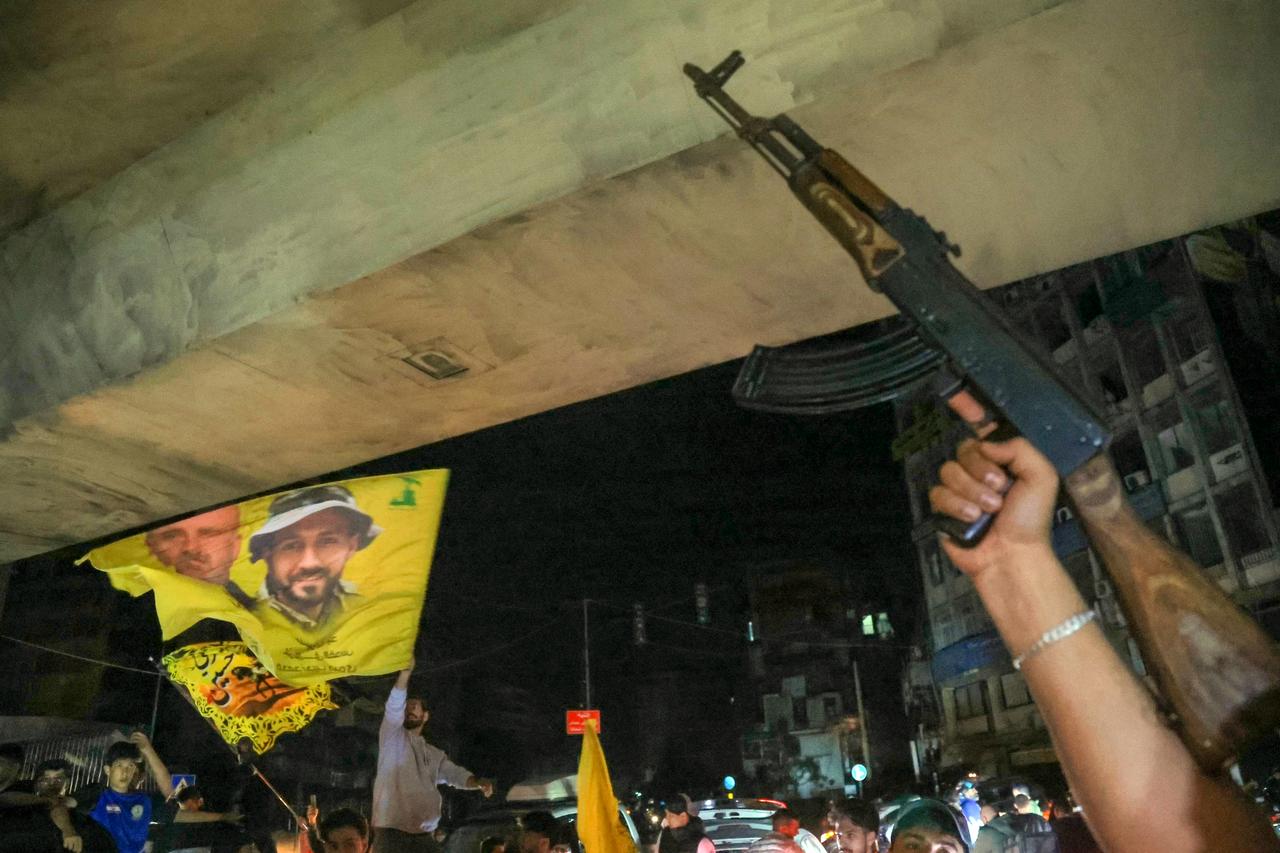


The U.S. State Department denied a U.S.-Türkiye proposal to disarm Hezbollah, spokesperson Tommy Pigott said in a post on X on Friday.
Pigott also said there are no U.S.-backed proposals to "change the structure of Lebanese politics" as established by the Taif Agreement, which ended Lebanon’s 15-year civil war in 1990.
He reaffirmed the U.S. commitment to the trilateral framework agreement "to end the cycle of conflict once and for all."
"There is no U.S.-Türkiye proposal concerning Lebanon, nor are there any U.S.-backed proposals to change the structure of Lebanese politics established by the Taif Accords," Pigott wrote.
He added, "The United States remains fully committed to working with Lebanon and Israel on the Trilateral Framework to end the cycle of conflict once and for all by implementing its key pillars:
"We welcome support from international partners in achieving those goals," the spokesperson noted.
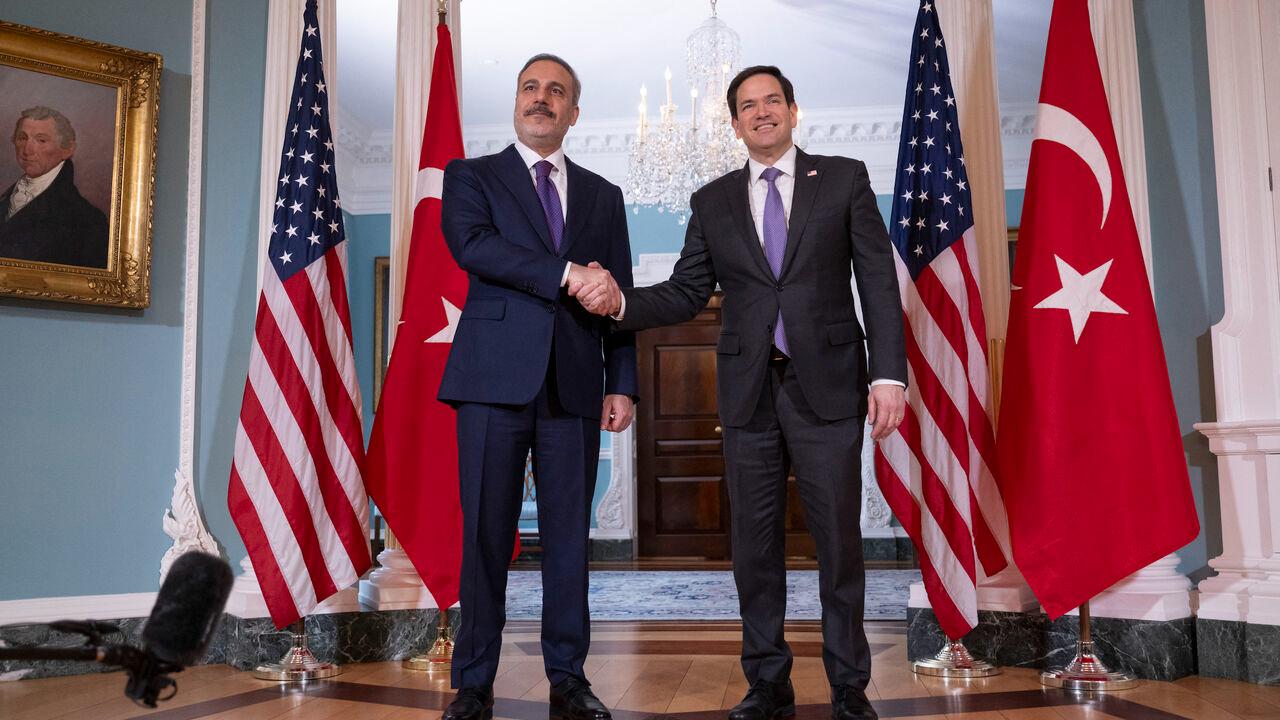

The agreement, signed in June between Lebanon, Israel and the U.S., aims to restore Lebanese sovereignty, disarm Hezbollah and secure Israel’s gradual withdrawal from Lebanon.
The deal was signed June 26 and provides for a gradual Israeli withdrawal, the deployment of the Lebanese army and the disarmament of Hezbollah.
Israel has carried out attacks on Lebanon since March 2, killing and injuring thousands of people and displacing over 1.5 million residents. Israeli forces also continue to occupy Lebanese territory, including areas held for decades and others seized during more recent wars.
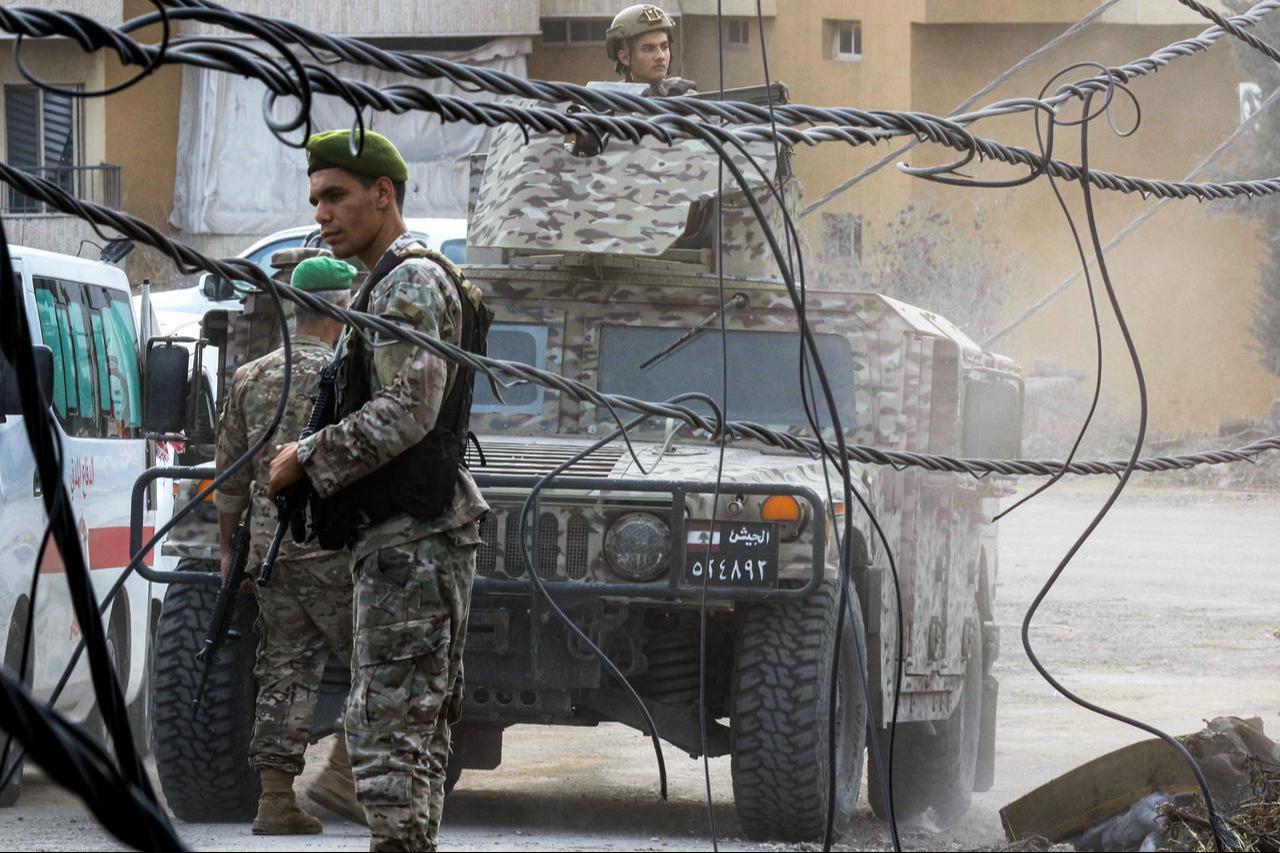
The Lebanese army on Tuesday rejected Israeli accusations that it failed to disarm Hezbollah and dismantle its military infrastructure south of the Litani River, as required under a November 2024 ceasefire agreement.
The army accused Israel of spreading misinformation to undermine its credibility amid ongoing negotiations. It said its operations were documented by the committee overseeing the cessation of hostilities.
The dispute centers on a military facility in the town of Kfarra in Bint Jbeil district, where Israel accused the army of failing to prevent Hezbollah activity.
The army said its units began work at the facility in December 2025 but suspended operations March 16 after Israeli threats to strike the site.
It said the monitoring committee requested the suspension and was informed weapons and ammunition remained inside. Israel subsequently struck the facility, the army said.
The army said Israel repeatedly blocked efforts to resume operations until work restarted Aug. 15 in coordination with the committee. The facility was cleared and permanently closed Oct. 16, it added.
It also disputed Israeli footage purportedly showing Hezbollah transporting weapons. The army said the video was filmed July 3 near the southern town of Seddikine, shortly after the framework agreement was signed.
Earlier Tuesday, Israeli military spokeswoman Ella Waweya accused the army of failing to curb Hezbollah activity south of the Litani River. She claimed Hezbollah continued operating at the Kfarra facility and moved weapons and equipment from the site.
She shared footage she said showed the group transporting arms by truck.
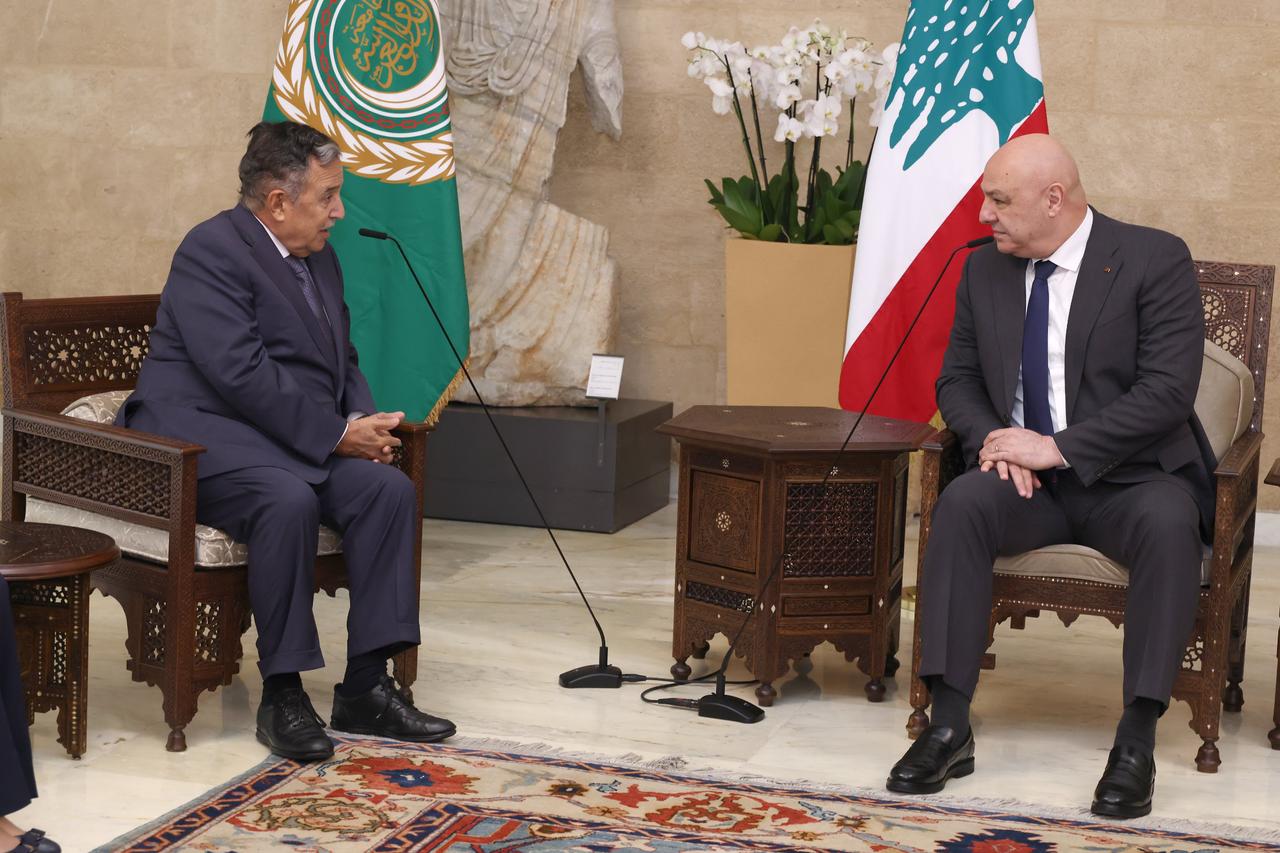
Lebanese President Joseph Aoun said Monday that Israel has failed to comply with the U.S.-mediated agreement and continues daily violations in southern Lebanon, according to the Lebanese presidency.
Aoun spoke during a meeting with Arab League Secretary-General Nabil Fahmy at the presidential palace in Baabda, east of Beirut.
"The Israelis have not adhered to the framework agreement, and the south continues to face daily violations," Aoun said.
He said continued violations would not achieve their objectives but would strengthen the Lebanese people’s determination to defend their land and rights. Aoun said the violations were obstructing the state’s efforts to implement its stated objectives.
He reaffirmed Lebanon’s commitment to a diplomatic solution, saying it was “far less costly than the devastating war” for which Lebanese people, particularly residents of the south, continue to pay the price.
"It is time for Lebanon to have some peace," he added.
Fahmy reaffirmed the Arab League’s support for the Lebanese state and its institutions, rejecting any infringement on the country’s sovereignty. He said the Arab position toward Lebanon remained united and the organization was working to translate that support into practical measures and financial assistance.
Israeli attacks have killed at least 4,386 people and injured 12,407 others in Lebanon since March 2. Israeli forces advanced about 10 kilometers (6.2 miles) into Lebanese territory during the latest conflict.


 Set as preferred source
 Set as preferred source


 1 min read
 1 min read