Newsletters




When foreign policy wonks look at North Africa, they often see a sleepy backwater. Beneath the surface, the region is turning into a high-stakes poker game, and Washington just dealt Morocco a royal flush while leaving Algeria with a bad hand and a burning grudge.
During the latest U.N. General Assembly in New York, Moroccan and Israeli diplomats were popping champagne, officially upgrading their liaison offices to full-blown embassies.
Just six days prior, Algeria did the diplomatic equivalent of flipping the table: it severed 50 years of ties with the UAE, gave Abu Dhabi’s ambassador 48 hours to pack his bags, and slammed its airspace shut.
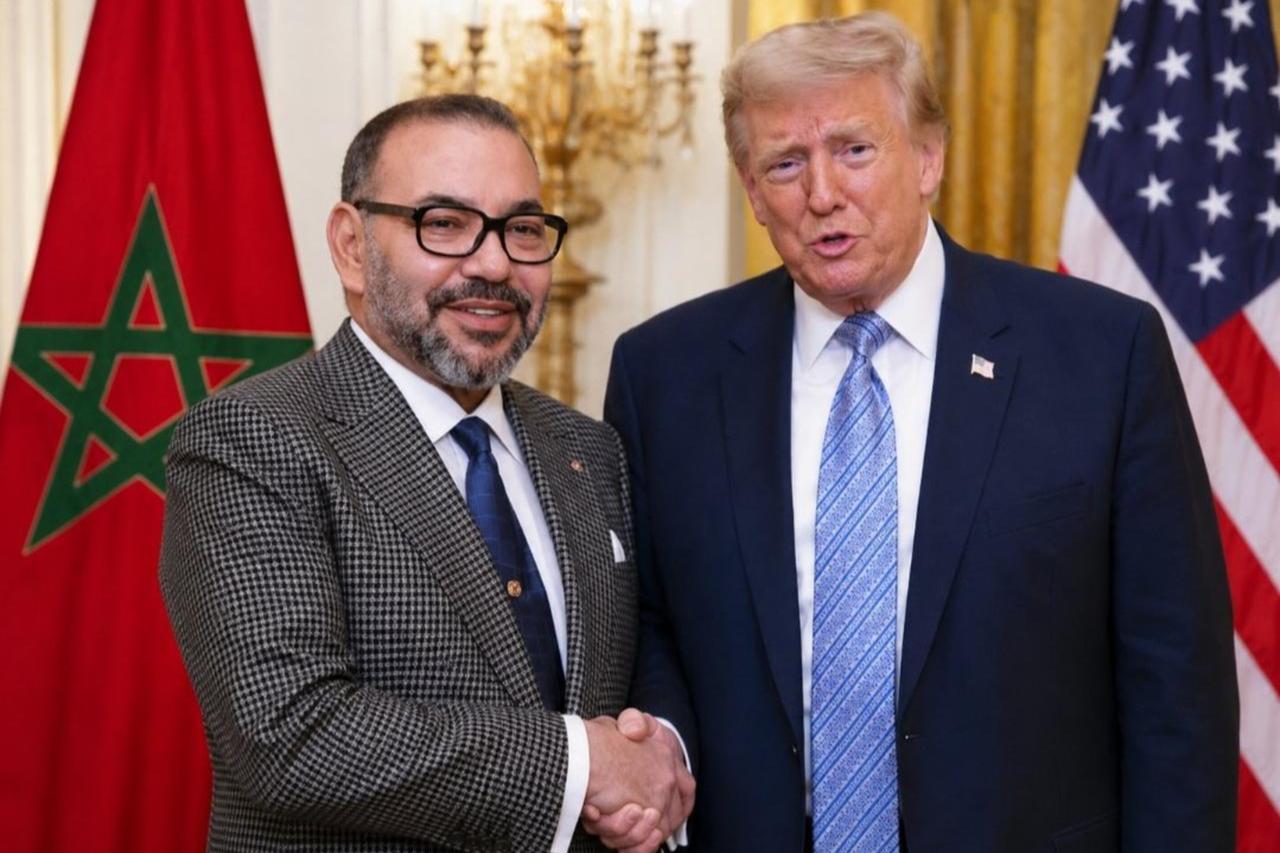
Rabat rolled out the red carpet for Tel Aviv; Algiers slammed the door on the Gulf. To view this as a petty neighborhood spat is to miss the entire board game. Both moves are tremors from a seismic transaction struck in D.C. under the Abraham Accords, when the White House essentially traded U.S. recognition of Morocco’s claim over Western Sahara for Rabat’s normalization with Israel.
Now, Washington is realizing that every geopolitical free lunch comes with a side of unintended consequences.
For Morocco, the deal was the ultimate real estate upgrade. Washington wanted a foreign policy milestone to anchor the Abraham Accords' legacy. Morocco normalized ties with Israel and received official U.S. recognition of its claim to Western Sahara, plus backing for its autonomy proposal as the way to settle it.
The embassy upgrade lands on the Accords' sixth anniversary, a date a White House hunting for foreign policy wins is glad to mark while the war in Iran dominates the news.
Rabat's strategists see the arrangement as a blanket. Ties with Washington and Israel give Morocco diplomatic cover, and Israeli equipment fills gaps in its air power that have long tilted the military balance toward Algeria. Money is the lesser part of the relationship. The bargain is mostly about muscle and territory.
Morocco also plays the visibility game with care. It takes the public heat of the Israel relationship only when the payoff is tied to the territory. The September announcement came with a joint U.S.-Israel-Morocco statement reaffirming recognition of Moroccan sovereignty over Western Sahara and support for the autonomy plan.
Next month the U.N. Security Council votes on the mandate of MINURSO, the peacekeeping force that monitors the 1991 ceasefire between Morocco and the Polisario Front. Rabat will arrive with fresh written endorsements from two governments.
The third corner of the axis is Abu Dhabi. The UAE opened a consulate in Laayoune in 2020 and is now backing a tourism village in Lagouira, a near-empty town in the disputed territory close to the Mauritanian border.
Western Sahara remains contested under international law, which keeps most investors away. Emirati money builds there anyway, and every finished building hardens the status quo.

Walk the same map from Algiers and it looks like a siege. Algeria considers the Sahel its backyard, and Emirati-linked firms are pursuing gold mining stakes in Mali, working directly with the military government there. The UAE is also accused of backing the Rapid Support Forces in Sudan.
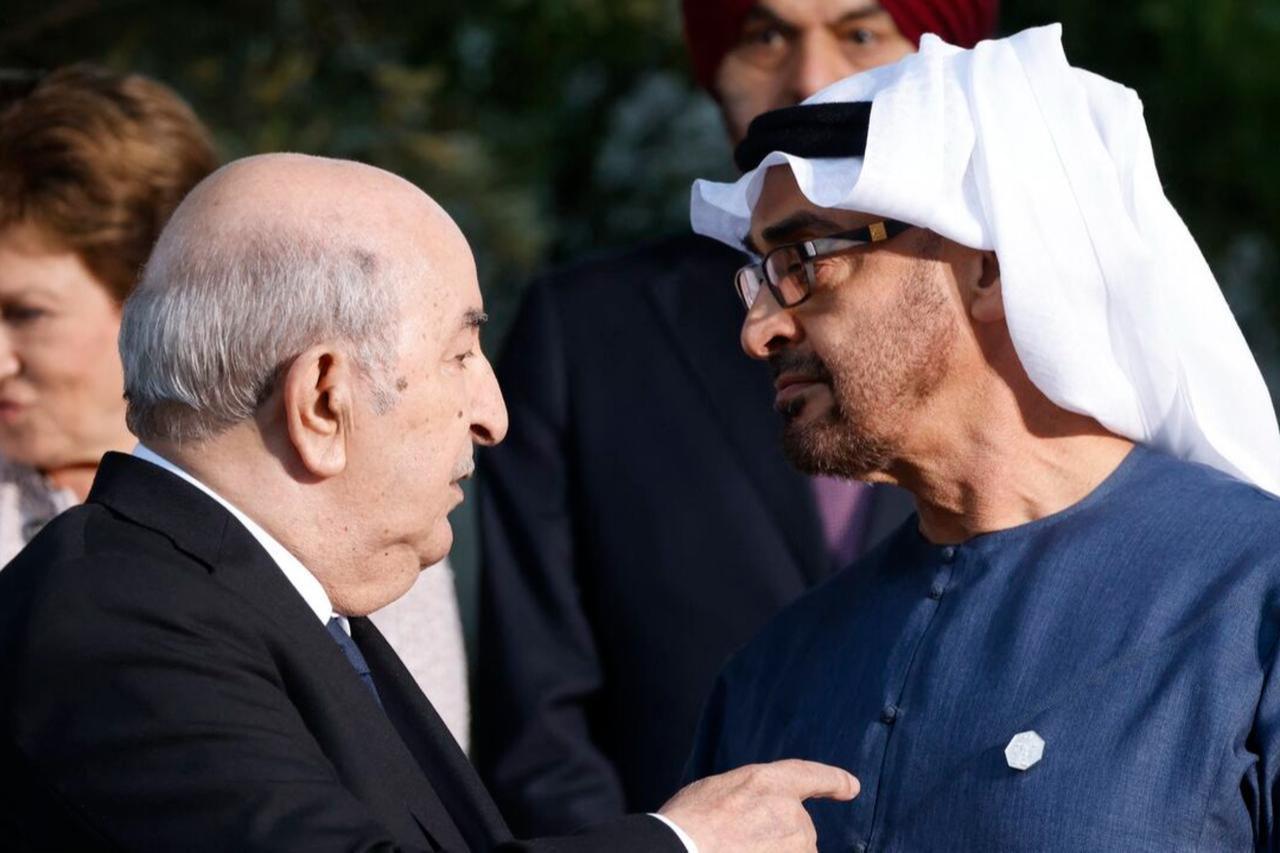
In Algiers' view, a U.S.-backed UAE-Morocco alliance now reaches from the Sahara's western edge to its southern one, with Western Sahara at the center. President Abdelmadjid Tebboune has called the UAE a "micro state” to sting.
Algeria has few exits. Its bid to join BRICS went nowhere around the time Egypt was admitted, and its relations with the Sahel's juntas are tense. So it leans harder on Russia and China, partners it has long found more comfortable than Washington.
That is the trap. Each step toward Moscow and Beijing confirms the picture Rabat and its backers paint of Algeria as a spoiler, and each squeeze from Washington nudges Algiers further the same way. The harder the U.S. pushes, the more of the outcome it says it fears.
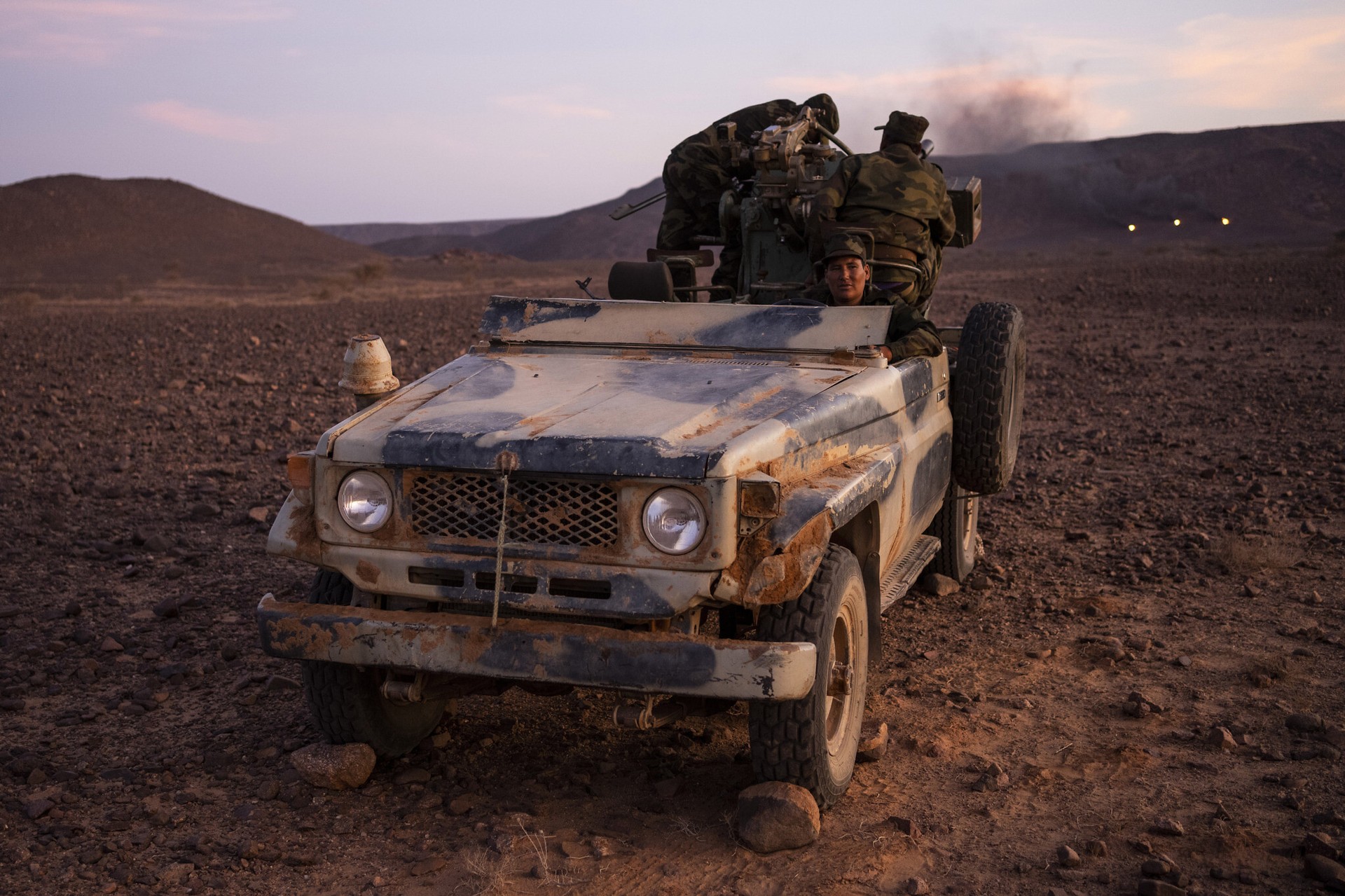
The most revealing evidence of Algeria's mood comes from a room in Washington. For years Algiers insisted it was not a party to the Western Sahara conflict, a bystander that merely hosted the Polisario Front. In February 2026, it quietly joined the U.S.-facilitated roundtable talks as a direct participant.
Algeria did not come to concede. Its strategy is defensive: show up to prevent drastic outcomes, slow the diplomatic momentum, and yield nothing on its support for the Polisario, which still operates from Algerian soil. The attendance is a signal that Algiers feels the pressure and knows the momentum has turned against it.
Whether that counts as flexibility or a stalling game depends on the clock, and the clock is MINURSO. Algeria did not take part in last October's Security Council vote on a resolution backing the Moroccan proposal, and Foreign Minister Ahmed Attaf described the text as preserving Algeria's core demand. The vote next month will show how far that framing stretches.
Washington's instinct is to lean on Algiers. Heavy sanctions or pressure risk triggering the spoiler dynamics that have kept Western Sahara frozen for a decade, and could tip a frozen dispute into active conflict. They would also drive Algeria closer to Russia and China, which is the opposite of what US strategy would want.
The better play is to stop forcing a narrow, take-it-or-leave-it decision on Western Sahara. US diplomats can put concrete incentives in front of Algiers and open a wider bilateral dialogue between Algeria and Morocco under American auspices, one where the territory is a symptom of the breakdown instead of its whole subject.
That leaves the choice Washington has avoided. A transactional win, signed and celebrated in New York, bought Morocco its blanket. Whether it is worth a North Africa where one neighbor sleeps soundly and the other is awake and shopping for Beijing's, is the question Foggy Bottom will start to answer.


 Set as preferred source
 Set as preferred source


 2 min read
 1 min read