Newsletters


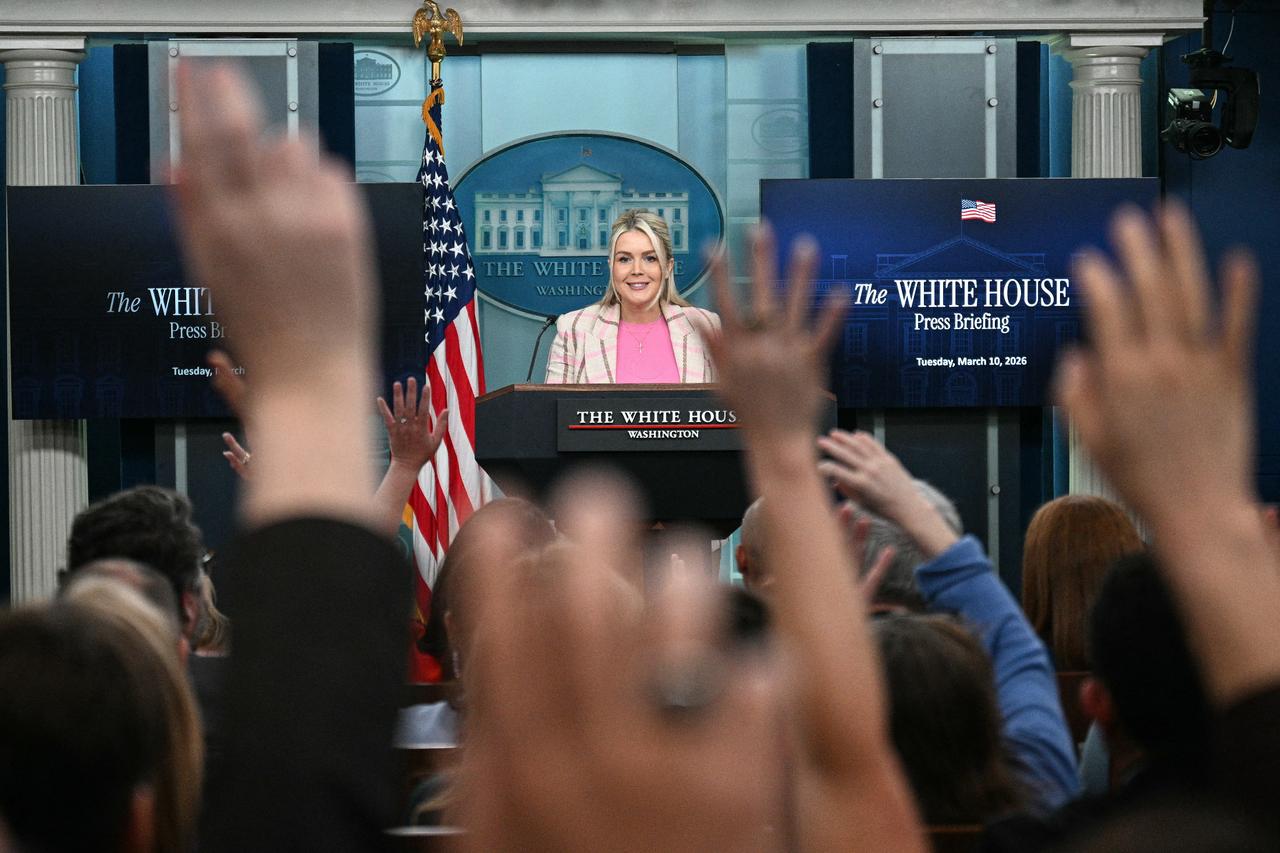


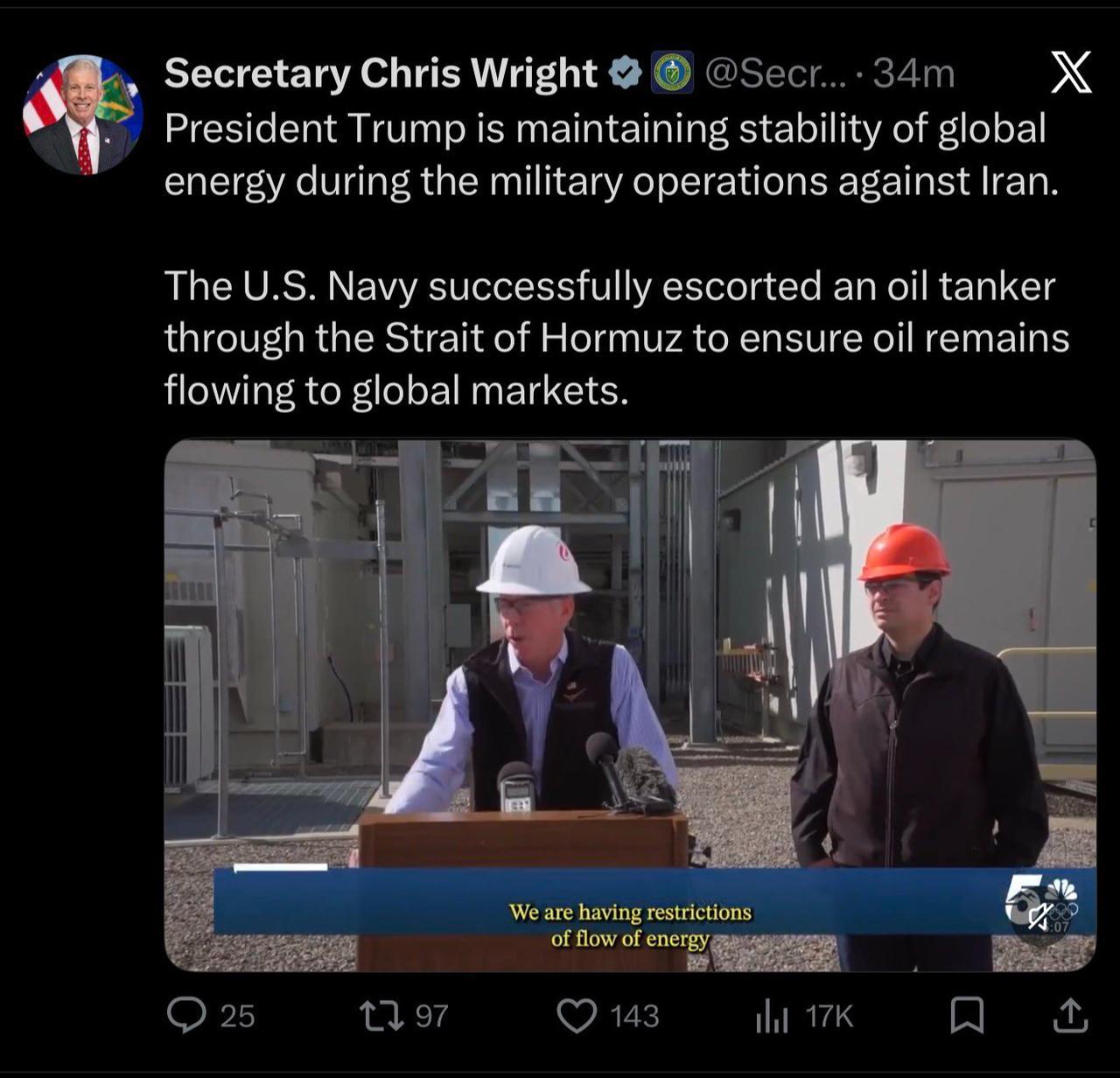
The White House denied on Tuesday that the U.S. Navy escorted an oil tanker through the Strait of Hormuz after a claim circulated on social media from a senior Trump administration official’s account.
“I can confirm that the U.S. Navy has not escorted a tanker or a vessel at this time, though, of course, that's an option the president has said he will absolutely utilize if and when necessary at the appropriate time,” White House spokesperson Karoline Leavitt told reporters.
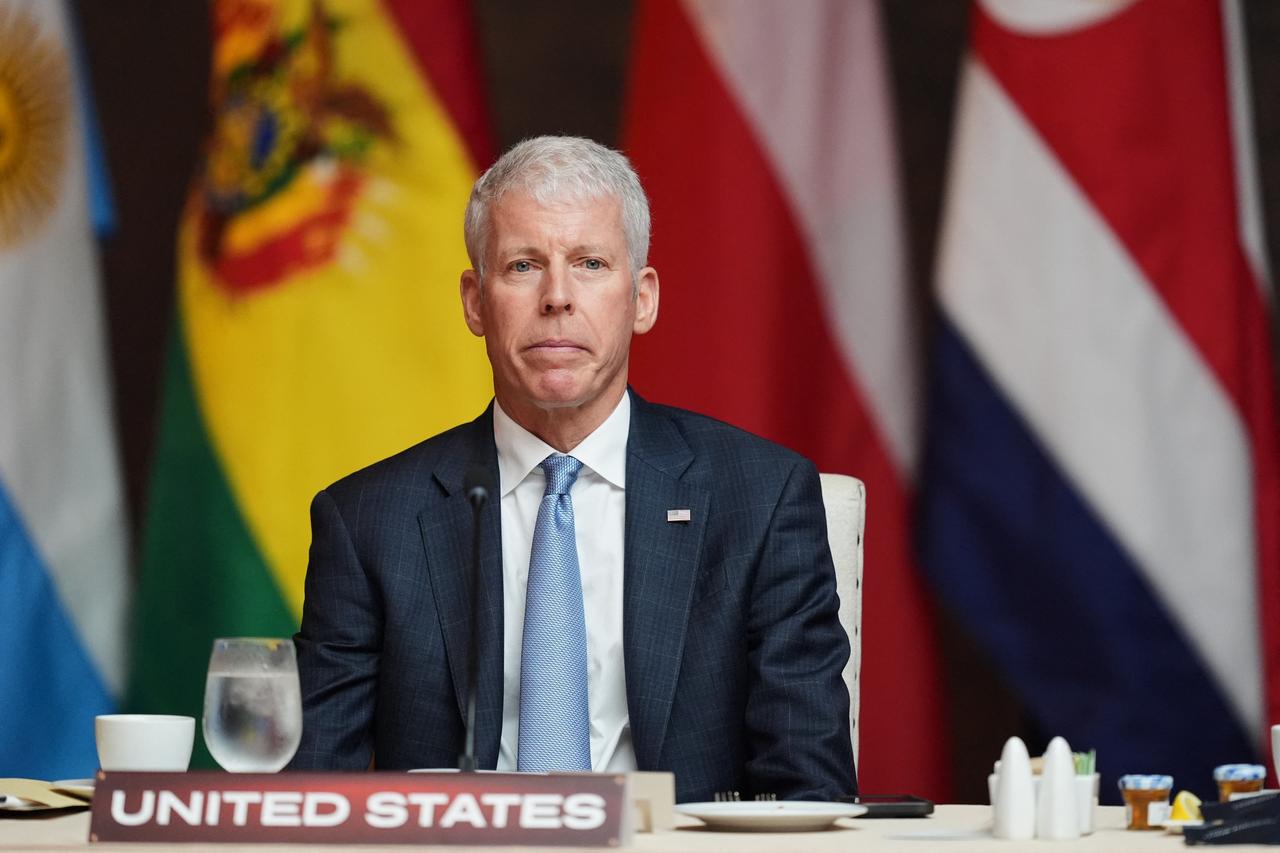
Leavitt said questions about the post should be directed to the Department of Energy after it appeared on Energy Secretary Chris Wright’s X account.
A Department of Energy spokesperson later said the video had been posted with an incorrect caption.
“A video clip was deleted from Secretary Wright’s official X account after it was determined to be incorrectly captioned by Department of Energy staff,” the spokesperson told Anadolu.
The spokesperson added that the administration is closely monitoring the situation and considering measures to protect energy shipments.
“President Trump, Secretary Wright and the rest of the president’s energy team are closely monitoring the situation, speaking with industry leaders, and having the U.S. military draw up additional options to keep the Strait of Hormuz open, including the potential for our Navy to escort tankers,” the spokesperson said.

The Strait of Hormuz has become a focal point of global energy concerns since Iran’s Islamic Revolutionary Guard Corps (IRGC) announced its closure amid the ongoing U.S.-Israeli military campaign against Iran that began Feb. 28.
Before the conflict, around 20 million barrels of oil passed through the strategic waterway each day. The disruption has contributed to rising global oil prices.
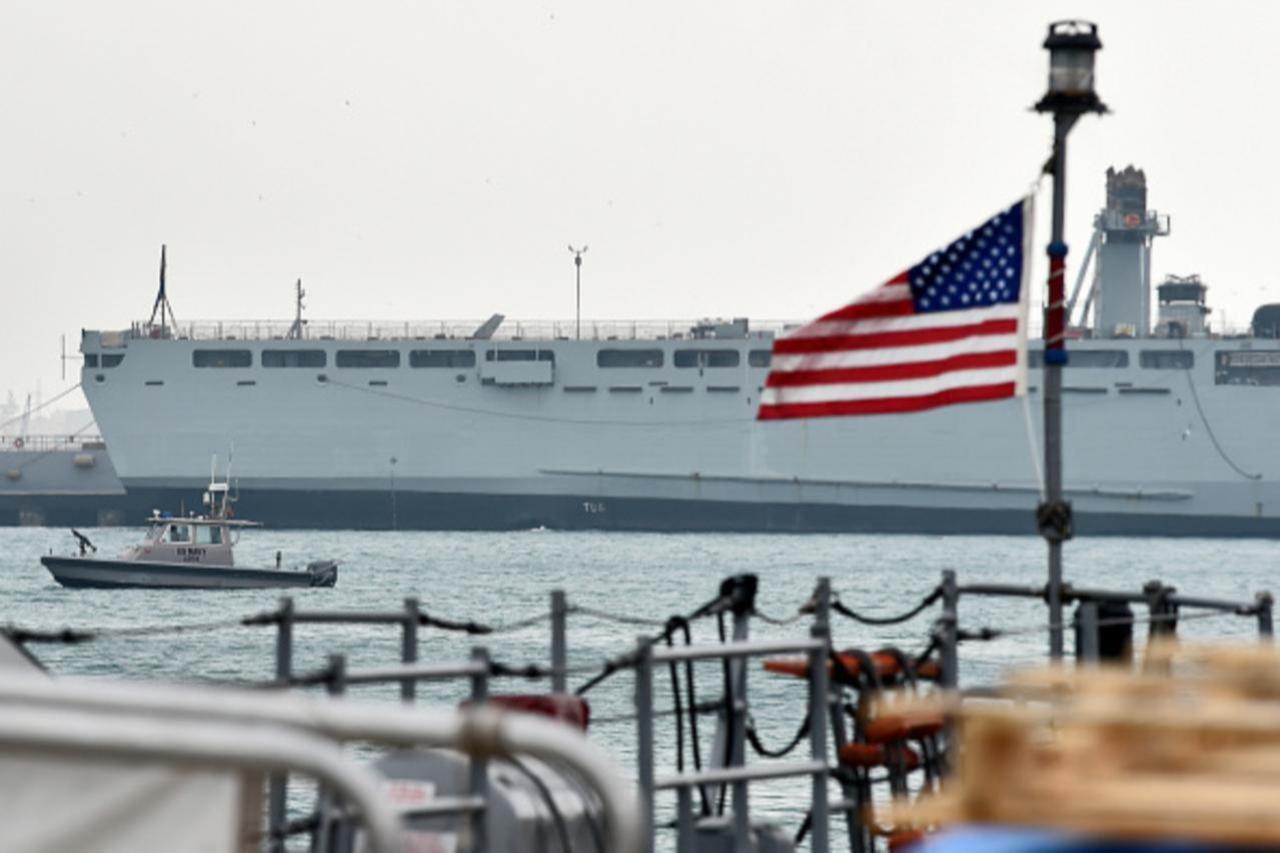
U.S. authorities have introduced political risk insurance for tankers operating in the Persian Gulf and indicated that the Navy could escort shipments if necessary, though no such escorts have been confirmed so far.
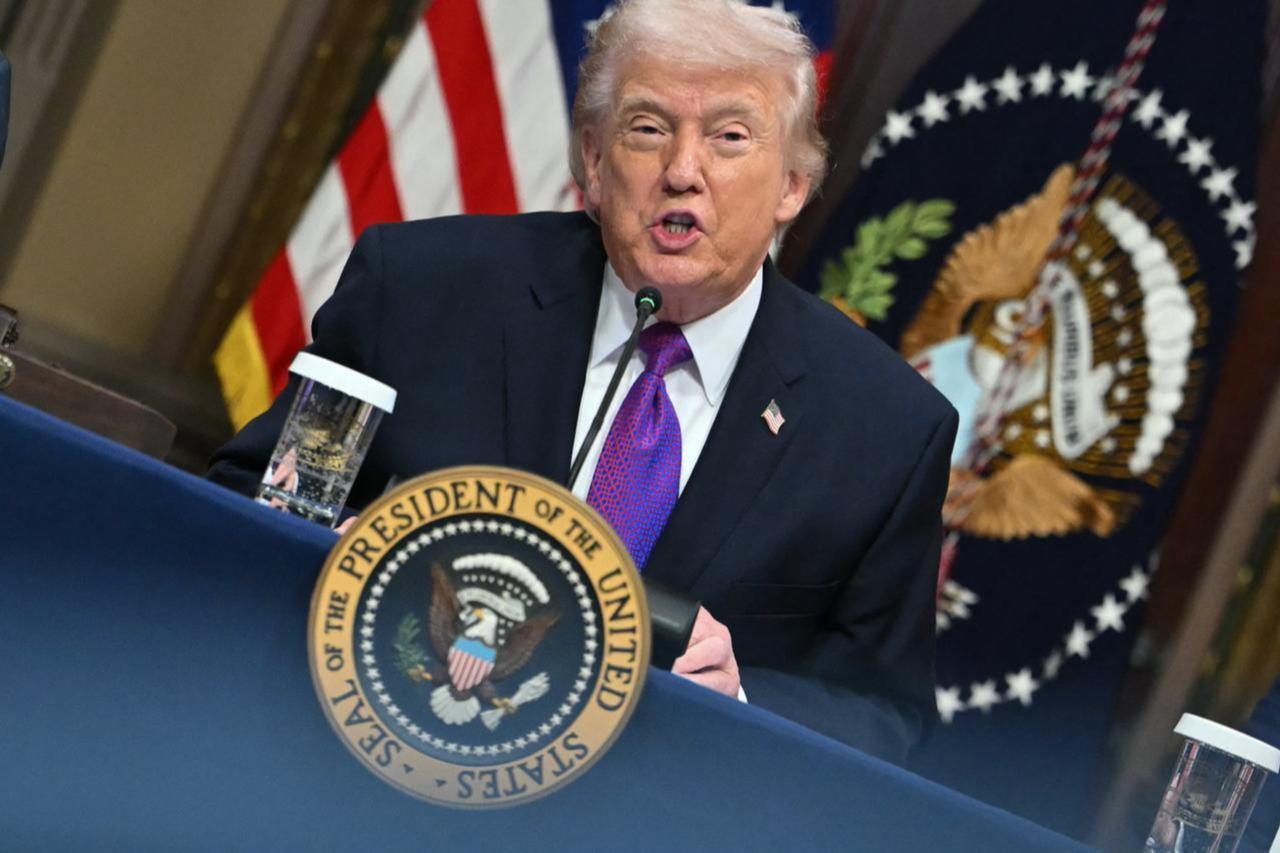
U.S. President Donald Trump warned Monday that Iran would face severe consequences if it attempted to block oil shipments.
Gen. Dan Caine, chairman of the Joint Chiefs of Staff, said the United States would consider “a range of options” if tasked with escorting ships through the strait.
Leavitt said the Pentagon is preparing contingency plans.
“The Pentagon is drawing up additional options following the president's directive to continue keeping the Strait of Hormuz open,” she said.
“I will not broadcast what those options look like, but just know the president is not afraid to use them.”
Trump also pledged that the strait would remain secure.
“We're putting up risk insurance. We'll perhaps go alongside of them for protection,” he said.
Leavitt also addressed reports that Russia may be providing intelligence to Iran during the ongoing conflict.
She said Trump would not be “happy” if such cooperation were confirmed.
“The president and his special envoy (Steve) Witkoff have both said that they have sent a message to Russia that if that were taking place, it's not something they would be happy with, and they hope that it is not taking place,” she said.


 Set as preferred source
 Set as preferred source


 1 min read
 1 min read