Newsletters


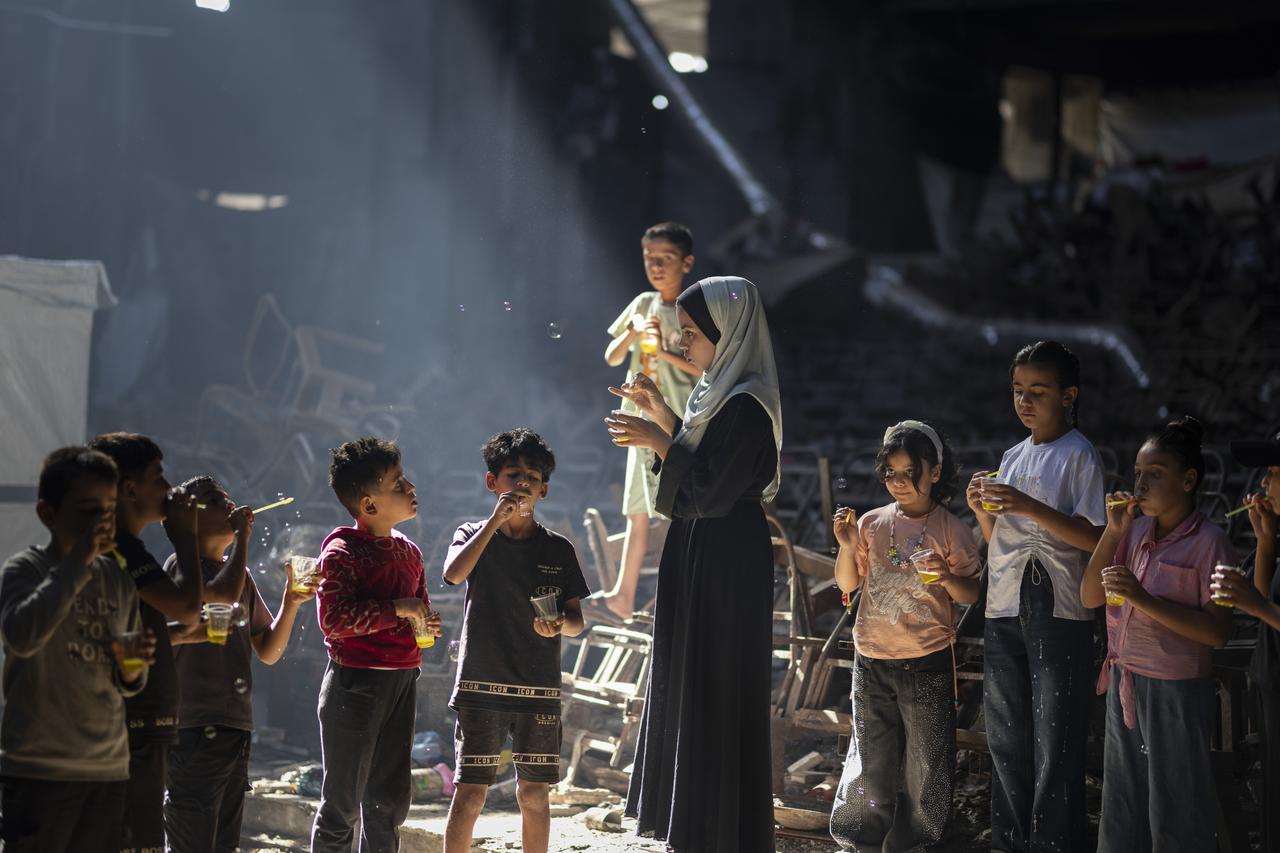


Women must have a meaningful role in shaping peace efforts in Gaza, a senior U.N. Women official said, pointing to lessons from Colombia's historic peace agreement with the Revolutionary Armed Forces of Colombia (FARC) as a model for more inclusive and sustainable peacebuilding.
"For places like Gaza, for places that are suffering the scourge of the war, we need to ensure that women’s voices are part of peacebuilding," Belen Sanz Luque, U.N. Women's regional director for Europe and Central Asia, told Turkish news agency Anadolu on the sidelines of the 9th Istanbul Mediation Conference.
Drawing on her experience as a U.N. Women representative in Colombia during negotiations with the FARC, Sanz emphasized that achieving lasting peace requires more than ending hostilities. Women affected by conflict must also be involved in negotiations, political decision-making, and the implementation of peace agreements.
"What we learned in Colombia is that it was critical that women’s leadership was part of the peacemaking table," she said.
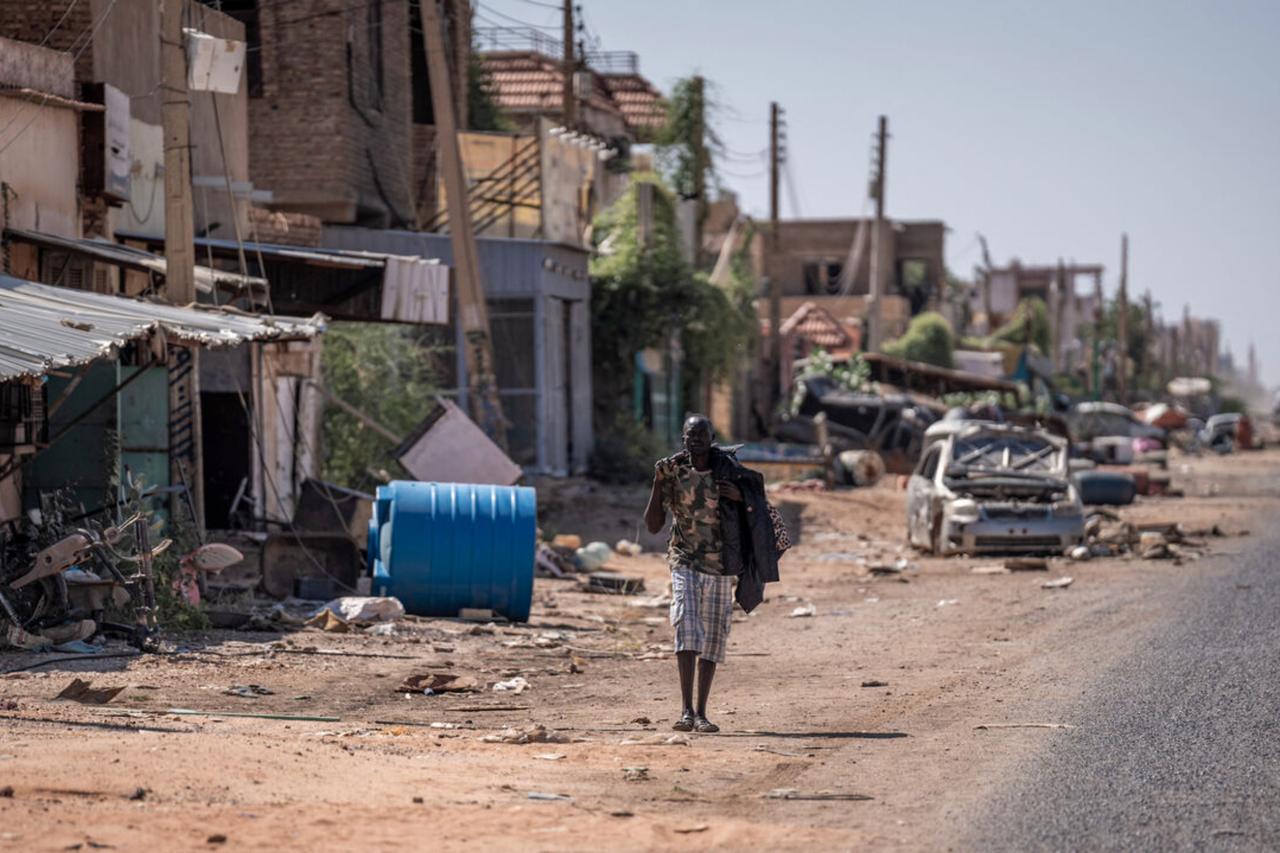
"Lessons learned to bring to examples like Gaza or Sudan imply that we need to support the women's organizations, the women's groups that are at the community level so that they can be elevating their voices," Sanz added.
She stressed that grassroots women's organizations play a crucial role in ensuring that the experiences and needs of conflict-affected communities are reflected in peace negotiations and subsequent decisions.
"We need to understand how the conflict affected women directly," she said, emphasizing that the consequences of war must be "addressed, recognized and alleviated."
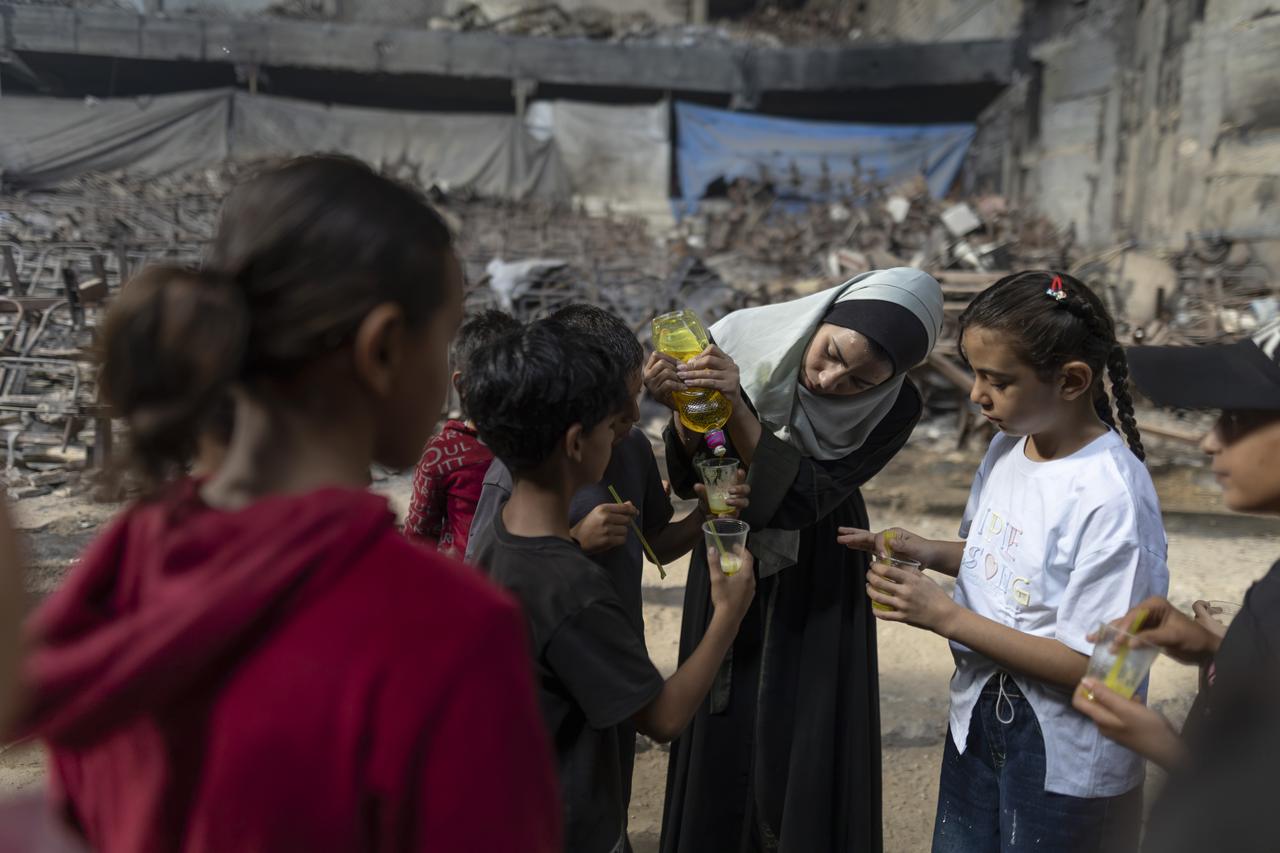

Colombia's peace process provides an example of how women's participation can be incorporated into negotiations and peace agreements.
Founded in 1964, the FARC was a Marxist-Leninist guerrilla organization that emerged from rural peasant movements amid deep inequalities in land ownership and political exclusion.
The conflict, which lasted more than five decades and involved government forces and paramilitary groups, resulted in widespread displacement and human rights abuses.
Following four years of negotiations that began in 2012, the Colombian government and the FARC signed a historic peace agreement in November 2016, paving the way for the guerrilla group's disarmament and transition into civilian politics.
The agreement sought to address structural inequalities, including disparities in rural development, access to resources and political participation.
According to Sanz, it also incorporated more than 100 provisions addressing gender equality and women's rights.
One of the defining features of the Havana negotiations was the establishment of a Gender Sub-Commission in 2014, tasked with reviewing the proposed agreement from a gender perspective and ensuring that women's rights were reflected in its provisions.
The negotiations also included consultations with women's organizations and victims of the conflict, providing a framework for meaningful participation in the peace process.
Despite continued challenges in implementing the agreement, Sanz credited Colombian women's leadership with helping secure these achievements.
"There were many lessons learned, but everything that we were able to support during that peace process was due to the very strong leadership of Colombian women," she said.
For Gaza, Sanz argued that women's participation must extend beyond the negotiating table to the implementation of any future peace agreement.
"Once there is an agreement signed, they are part of the signature of the agreement, but that is not the end of the game," she said. "That is actually the beginning of sustainable peace."
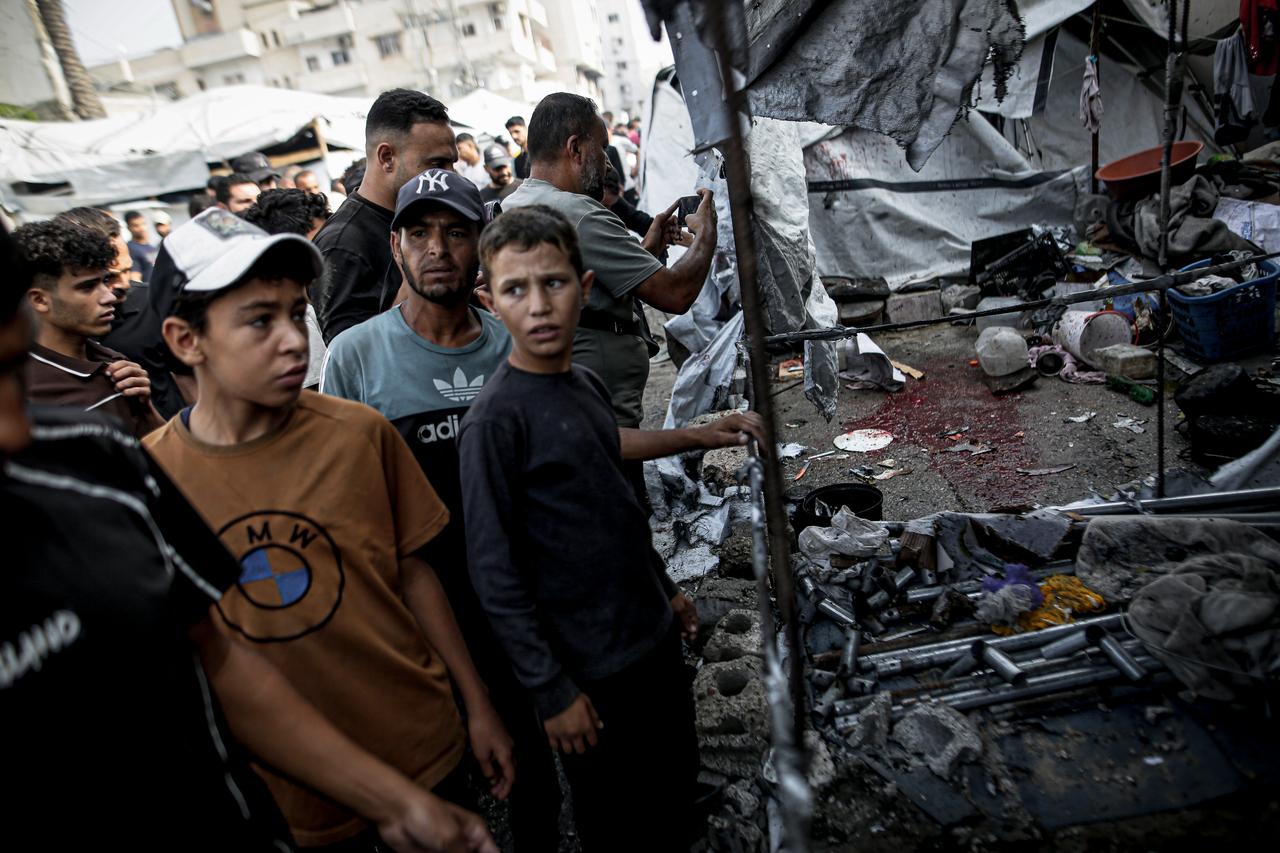
Despite international commitments to gender equality in peace processes, women remain significantly underrepresented in negotiations, according to Sanz.
She highlighted U.N. Security Council Resolution 1325, adopted in 2000, which calls for women's participation in conflict prevention, conflict resolution and peacebuilding, alongside measures to protect women and girls from conflict-related violence.
The resolution marked the first major international mandate recognizing women's central role in peace and security.
However, Sanz warned that these commitments have yet to translate into sufficient representation at negotiating tables.
Citing data presented at the Istanbul conference, she said women participated as negotiators in only 5% of peace agreements in 2025.
"This is incredibly concerning," she said, urging governments and international organizations to establish mechanisms that guarantee women's participation rather than relying solely on political commitments.
"Indeed, pledges and commitments exist, but what we are lacking behind is really the mechanisms to enforce these commitments," Sanz said.
She also cited evidence suggesting that peace agreements are 35% more likely to be implemented successfully and sustainably when women and civil society are involved in their implementation.
Sanz said U.N. Women works directly with local women's networks to build trust among women from opposing political groups and strengthen their access to justice and public institutions.
The organization also engages with state authorities to help ensure that governments meet their obligations to protect the rights of women and girls.
She emphasized that supporting grassroots organizations and strengthening women's participation in decision-making are essential to translating peace agreements into lasting results for communities affected by conflict.


 Set as preferred source
 Set as preferred source


 2 min read
 1 min read