Newsletters




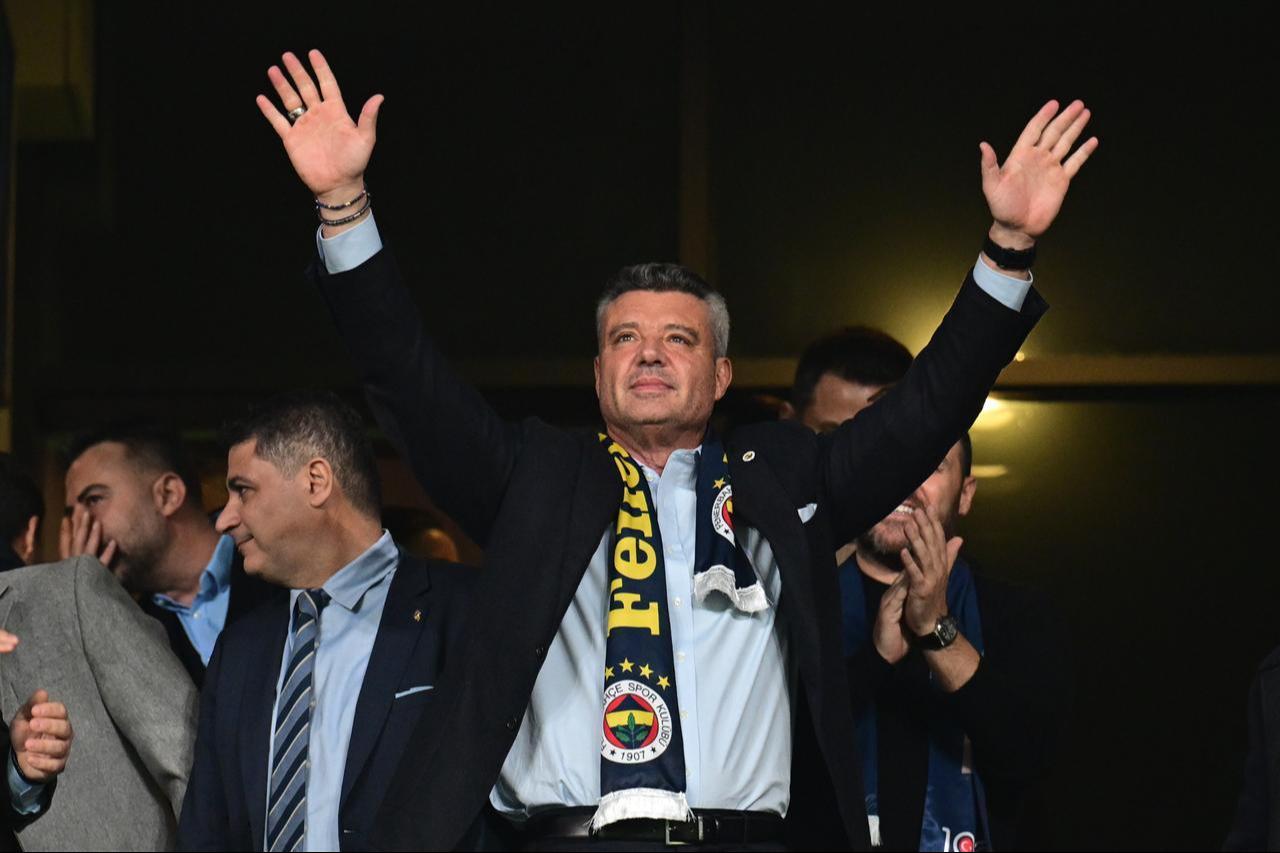
Istanbul football club Fenerbahce will head to an extraordinary election on June 6–7, President Sadettin Saran announced on Tuesday, setting the stage for a leadership reset less than a year after he took office.
Saran described the move as a step to clear the path forward in a statement shared on the club’s official channels. "I made this decision to open the way for Fenerbahce and to allow our community to turn a new page," he said.
The announcement also ties back to a commitment he made earlier this year following his detention in a drug-related investigation.
Following the announcement, the club's shares listed on Borsa Istanbul rose over 8%.
Saran, a Turkish-American businessman, stepped into the role in September 2025 after defeating former president Ali Koc, ending his seven-year tenure at the helm.
He has yet to say whether he will stand as a candidate in the election. However, in his statement, Saran said, "Serving Fenerbahce requires knowing when to step aside. It means taking responsibility, stepping back when necessary and moving forward with dignity under all circumstances."
The timing follows a 3-0 away loss to archrival Galatasaray over the weekend, a result that dealt another blow to Fenerbahce’s title ambitions.
After the result, the club parted ways with head coach Domenico Tedesco on Tuesday, along with sporting director Devin Ozek.
That setback further weakened hopes of ending a 12-year league title drought, intensifying pressure around the club and accelerating calls for change.

Fenerbahce is one of the most rooted clubs in Turkish sports history, with a legacy that spans more than a century and stretches across football, basketball and other disciplines.
The club’s presidential elections draw nationwide attention and often unfold with an intensity that mirrors general elections, with record numbers of voters turning out.
According to Turkish media, candidates include Turkish businessmen Baris Gokturk, Hakan Safi and Mehmet Ali Aydinlar.
Aydinlar served as president of the Turkish Football Federation from June 2011 to January 2012, a period marked by a match-fixing investigation that severely impacted Fenerbahce both financially and on the field, leading to a two-year ban from UEFA competitions. The case was later ruled by Turkish courts to have been orchestrated by the terrorist group FETO, and Fenerbahce was ultimately cleared of wrongdoing.


 Set as preferred source
 Set as preferred source


 2 min read
 1 min read