Newsletters


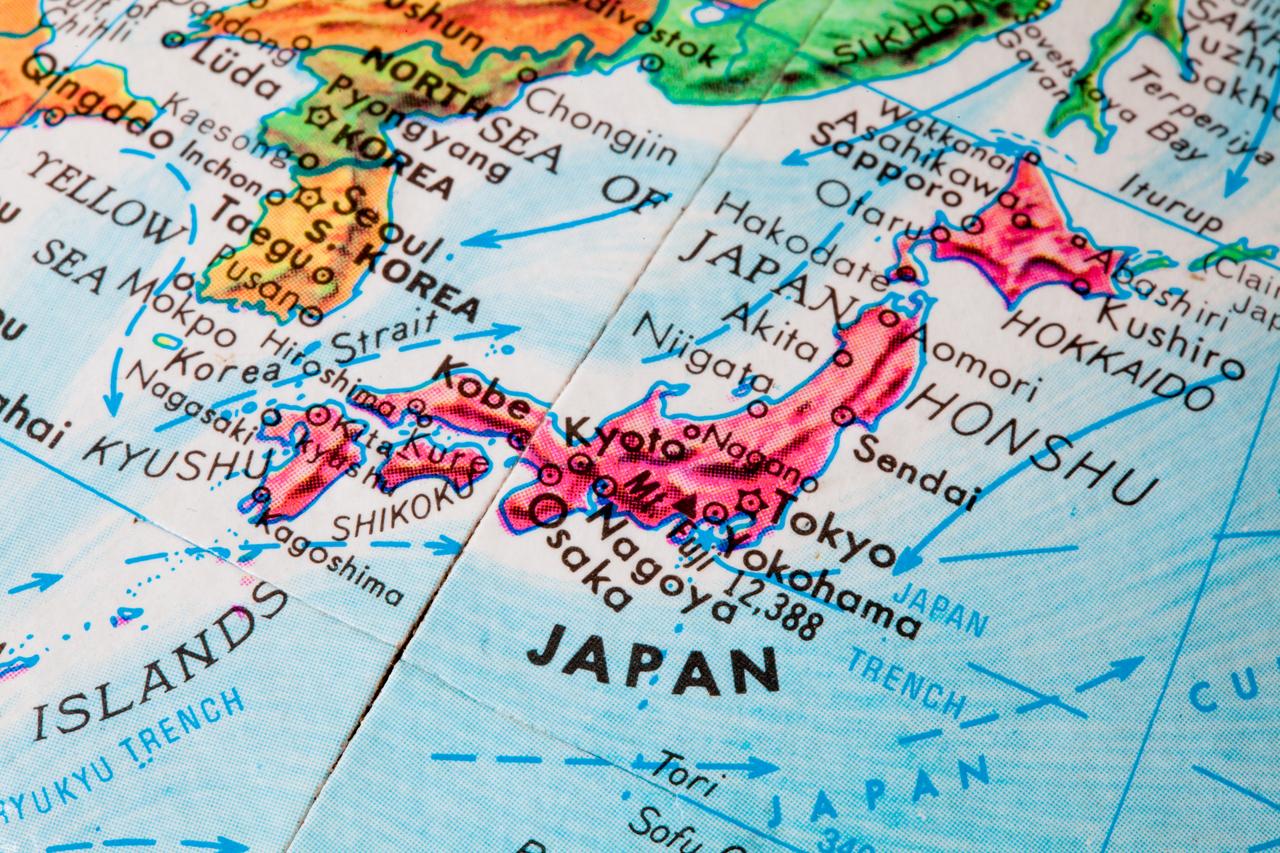


Japan's meteorological agency issued a tsunami advisory after a 6.7-magnitude earthquake struck off the northern Pacific coast on Sunday, warning of a potential tsunami up to 1 meter (3 feet).
The earthquake struck at approximately 5.03 p.m. local time (0803 GMT) in waters off the coast of Iwate, Japan, causing significant concern due to its strength.
The U.S. Geological Survey later measured the quake at a slightly higher magnitude of 6.8.
The first signs of a tsunami came at 5.37 p.m. local time when tiny waves hit Miyako, Iwate. Although too small to be measured, a 10-centimeter wave followed two minutes later at Ofunato. Despite these waves, no significant damage or large tsunami waves were reported, and television broadcasts showed calm seas.
Aftershocks ranging from 5.3 to 6.3 magnitude followed the main quake, further shaking the region. However, despite the heightened seismic activity, no additional tsunami threats materialized.
The region, which is well-known for its seismic activity, had experienced several smaller offshore quakes earlier in the day, none of which led to tsunami warnings.
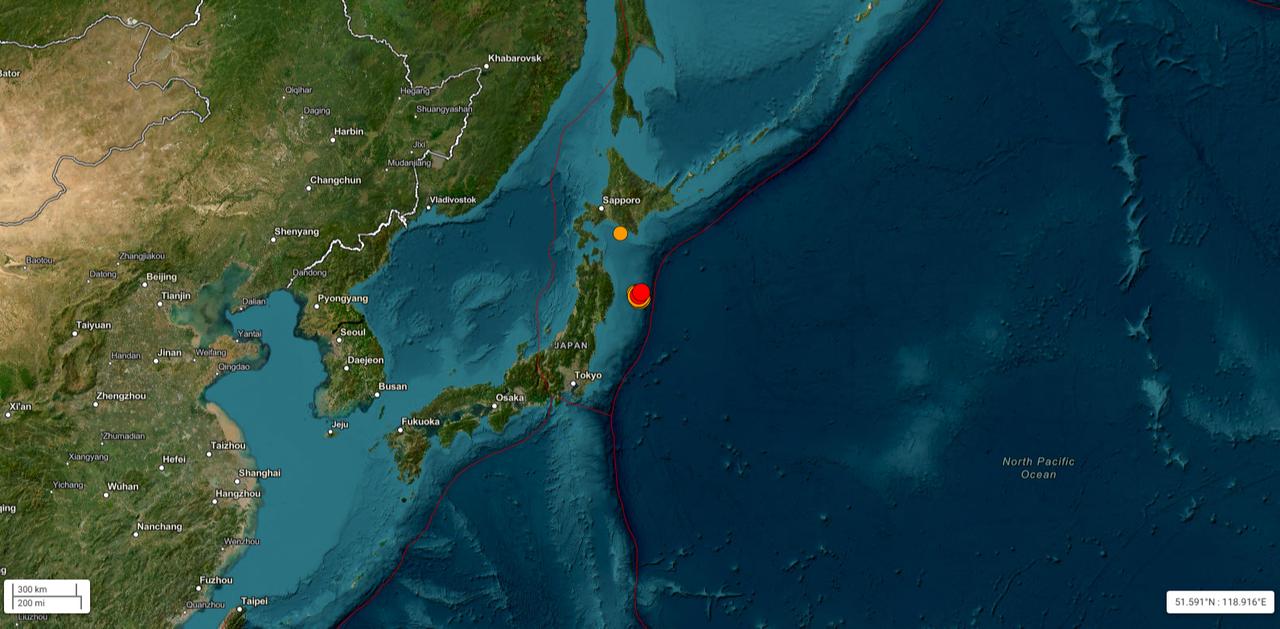

The recent quake reminded the region of the devastating 2011 9.0-magnitude undersea earthquake, which triggered a catastrophic tsunami that claimed around 18,500 lives, leaving a lasting impact on the same area.
The disaster also resulted in a meltdown at three reactors at the Fukushima nuclear plant, marking the worst nuclear accident since Chernobyl.
As a country sitting atop four major tectonic plates along the Pacific "Ring of Fire," Japan is one of the most earthquake-prone nations globally, experiencing approximately 1,500 seismic events annually.


 Set as preferred source
 Set as preferred source


 1 min read
 1 min read