Newsletters


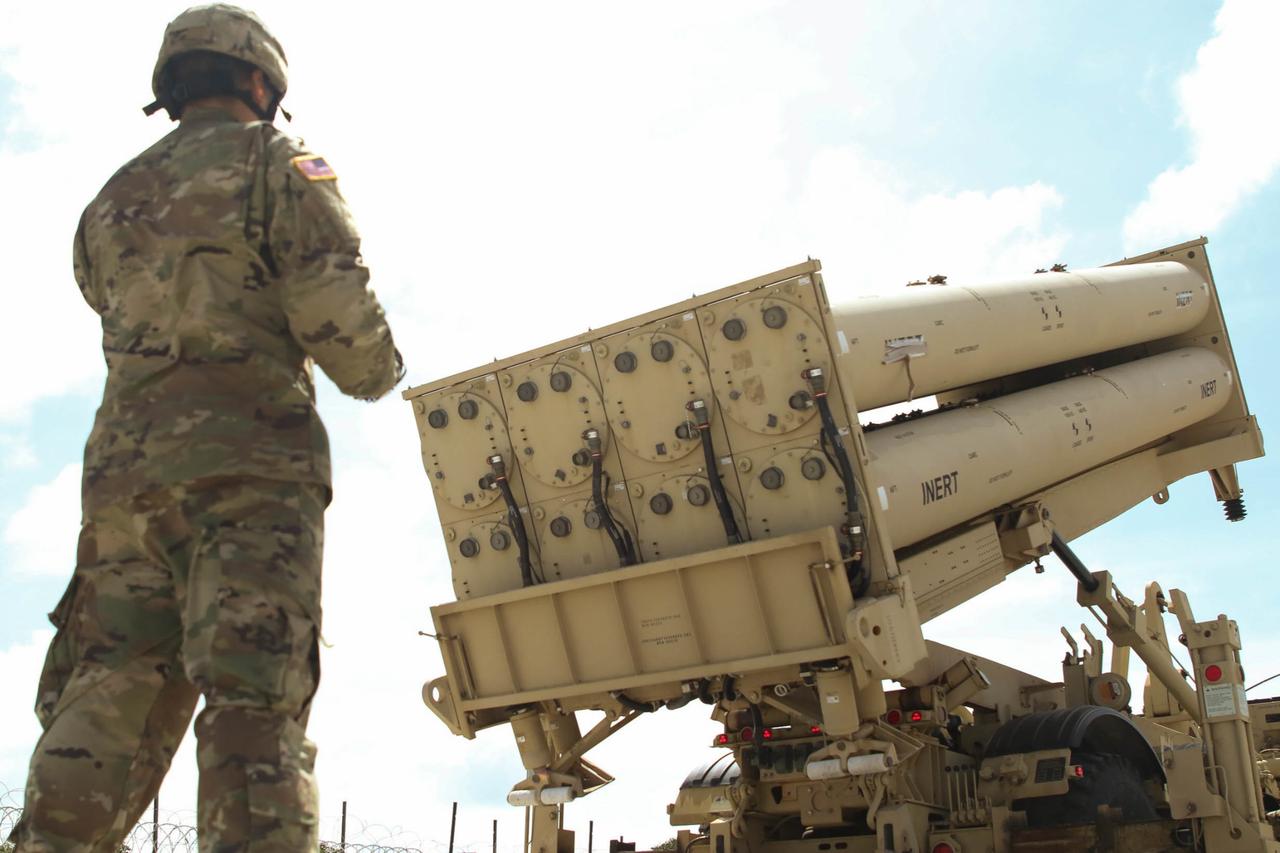


The United States depleted nearly half its advanced missile-defense inventory defending Israel against Iran, expending far more interceptors than Israeli forces themselves, according to a Washington Post (WP) report.
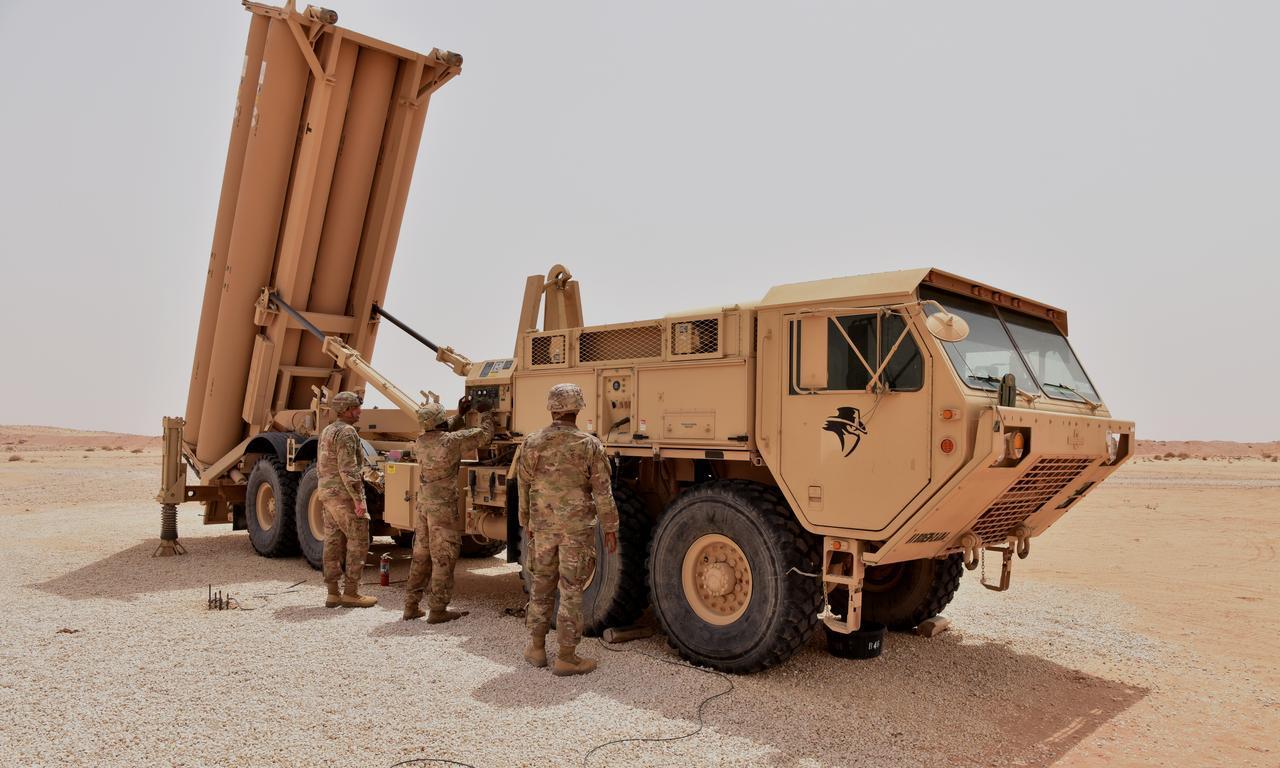
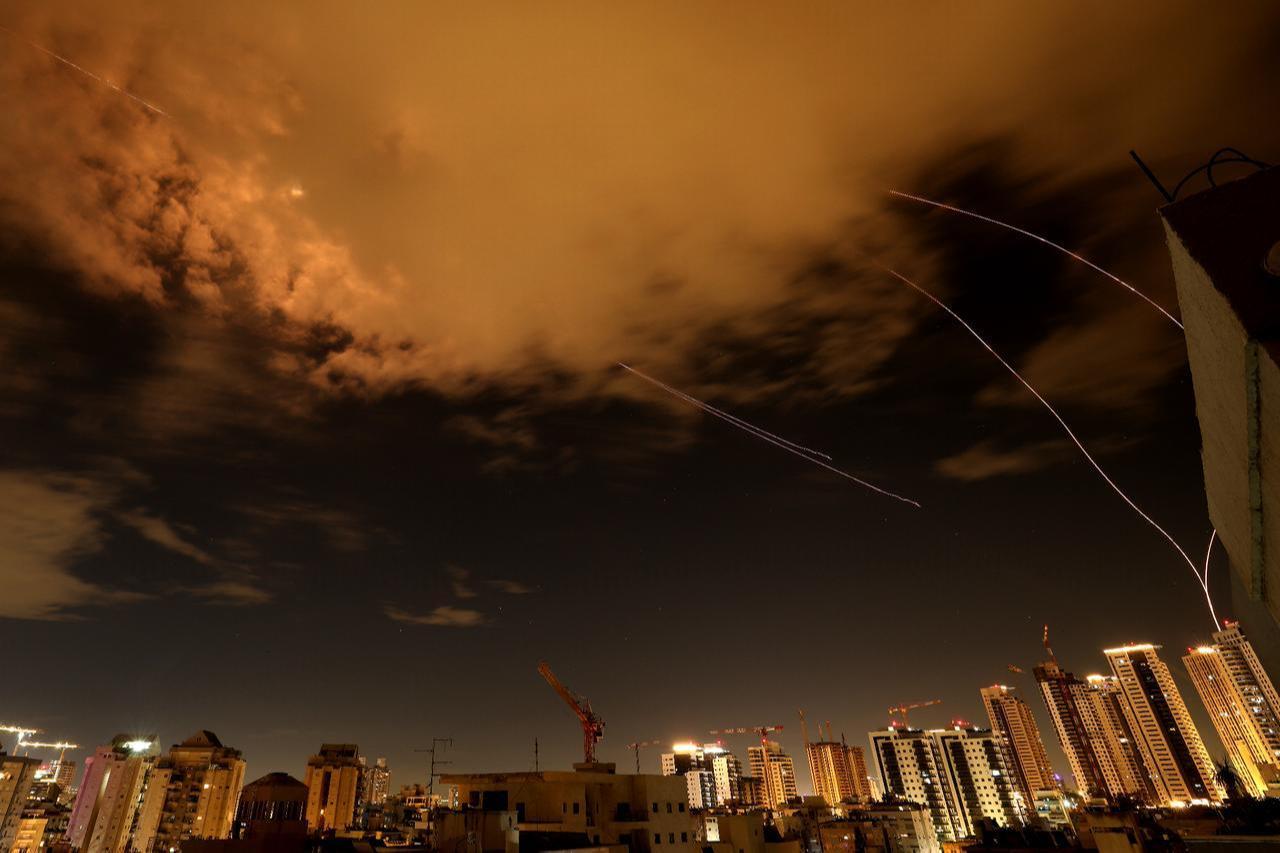
Citing Defense Department assessments described by three U.S. officials who spoke on condition of anonymity, the Washington Post said the U.S. launched more than 200 THAAD interceptors in defense of Israel. This is roughly half the Pentagon's total inventory, along with more than 100 Standard Missile-3 (SM-3) and Standard Missile-6 (SM-6) interceptors fired from naval vessels in the eastern Mediterranean.
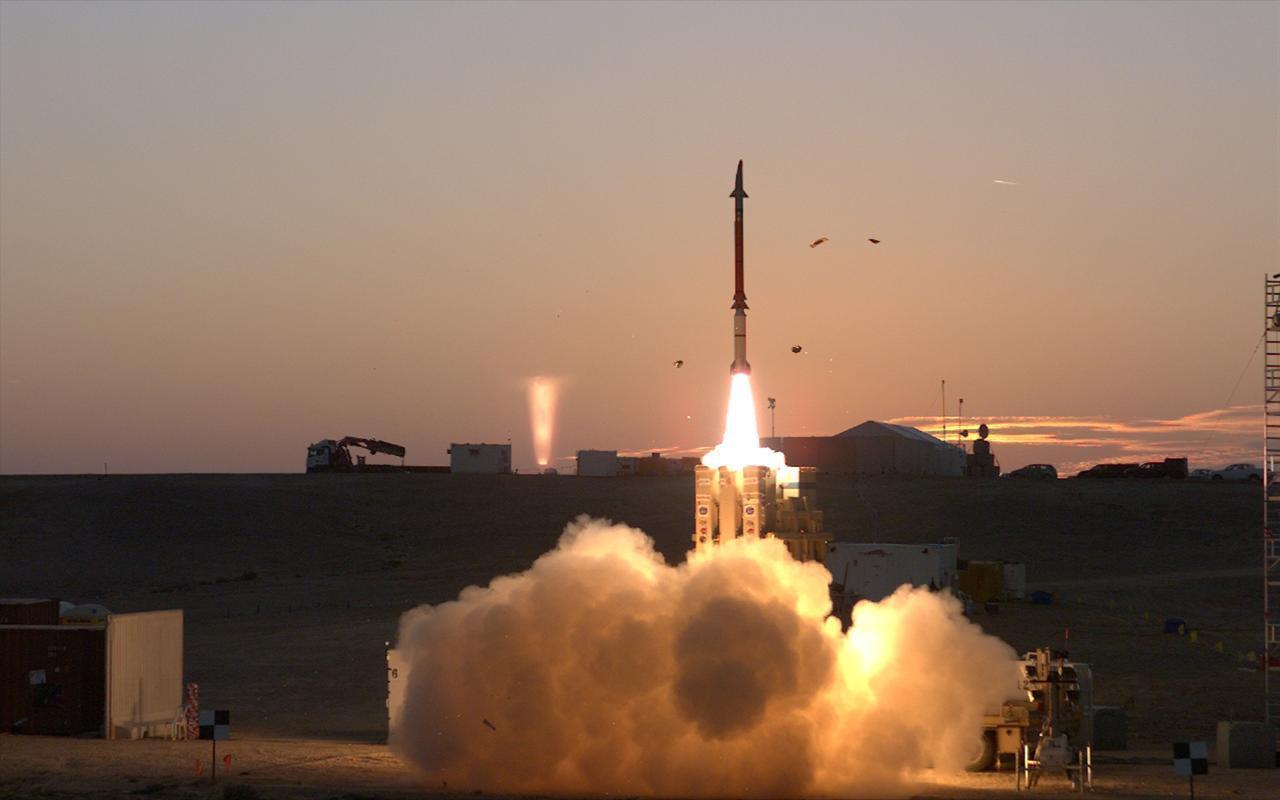
By contrast, Israel fired fewer than 100 Arrow interceptors and around 90 David's Sling interceptors, some of which were used against less sophisticated projectiles from Iran-backed groups in Yemen and Lebanon rather than against Iran directly.

One U.S. administration official put the disparity bluntly.
"In total, the U.S. shot around 120 more interceptors and engaged twice as many Iranian missiles," the official told the Washington Post.
"The imbalance will likely be exacerbated if fighting restarts," a second official warned.
"The two countries had agreed in advance to a ballistic missile-defense framework that effectively ensured high-end U.S. interceptors, THAAD, and ship-based missiles would absorb the bulk of ballistic threats to Israel, while Israel relied more heavily on lower-tier systems such as Iron Dome and David's Sling to counter projectiles from Hezbollah and the Houthis. The result was a significant drawdown of U.S. stockpiles while Israel preserved its higher-end air defense reserves," the officials said.
"The numbers are striking," Kelly Grieco, a senior fellow at the Stimson Center, told the Washington Post.
"The United States absorbed most of the missile defense mission while Israel conserved its own magazines. Even if the operational logic was sound, the United States is left with roughly 200 THAAD interceptors and a production line that can't keep pace with demand," she noted.
"That bill risks coming due in theaters that have nothing to do with Iran," Grieco added.
One U.S. administration official offered a stark assessment of the underlying dynamic.
"Israel is not capable of fighting and winning wars on its own, but nobody actually knows this, because they never see the back end," the official told the Washington Post.
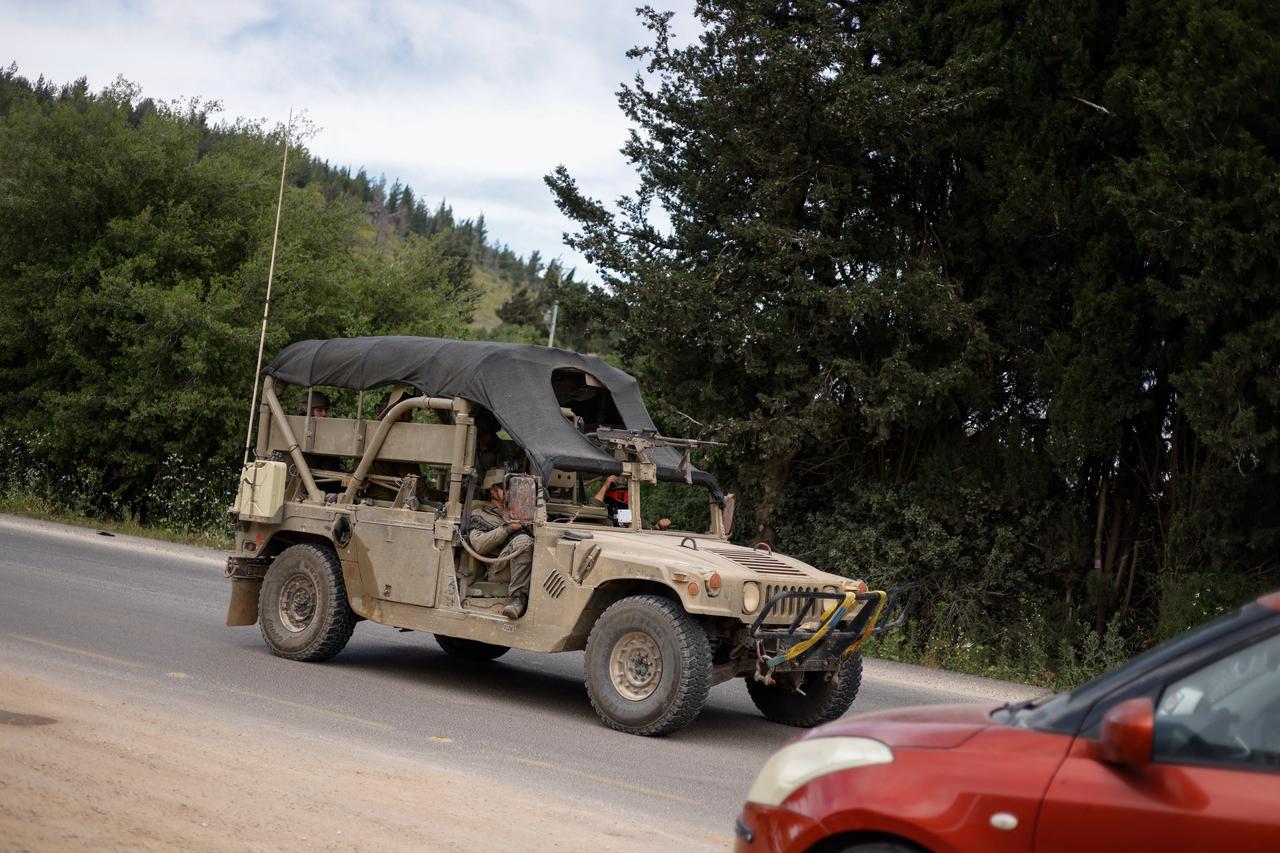
A separate U.S. official said Israel's air sortie rate had fallen to roughly 50% of its opening pace by late March because its aircraft and pilots were "worn down" by operations against Houthi militants in Yemen and airstrikes targeting Hezbollah in Lebanon.
"The sortie degradation is important," Grieco said.
"The Israeli army was worn down by Gaza, Lebanon, and the question I have is whether Israeli commanders underestimated their ability to sustain operational tempo," Grieco added.
Justin Logan, director of defense and foreign policy studies at the Cato Institute, said the dynamic clashed directly with Trump's "America First" posture.
"Since Trump took office again, Israel's position makes sense: our priorities first, our resources last. Why Trump has tried to make this America First is less clear," Logan told the Washington Post.
Logan also noted the Pentagon had reportedly disclosed as far back as last year that it held only 25% of the Patriot air defense inventory needed to fulfill existing U.S. defense plans. "Why this wasn't a screeching siren to Trump officials is a mystery," he said.
The Pentagon defended the balance of resources used. "Ballistic missile interceptors are just one tool in a vast network of systems and capabilities that comprise a layered and integrated air defense network.
Both Israel and the United States carried the defensive burden equitably during Operation Epic Fury, which saw both countries employ fighter aircraft, counter-UAS systems, and various other advanced air and missile defense capabilities with maximal effectiveness," Pentagon spokesman Sean Parnell said in a statement.
The Israeli Embassy in Washington also defended the approach.
"Operations Roaring Lion and Epic Fury were coordinated at the highest and closest levels, to the benefit of both countries and their allies. The U.S. has no other partner with the military willingness, readiness, shared interests, and capabilities of Israel," the embassy said.
Tensions between the two allies have grown as the war has proven more challenging than either side anticipated, the WP reported. Iran's closure of the Strait of Hormuz has choked global energy supplies and driven inflation.
Despite Trump's claims that Iran's missile arsenal has been "mostly decimated," Tehran retains about 70% of its prewar missile stockpiles, according to U.S. intelligence cited by the WP. Much of Iran's highly enriched uranium also likely remains in nuclear facilities previously bombed by the U.S. and Israel.
On Tuesday, Netanyahu and Trump held a tense phone call about the path forward, said U.S. and Middle Eastern officials cited by the WP. Netanyahu's persistent pressure to restart the war has irritated some U.S. officials, particularly given the strain that renewed fighting would impose on the Pentagon's munitions supply. It remains unclear whether the munitions shortages factor into Trump's deliberations.
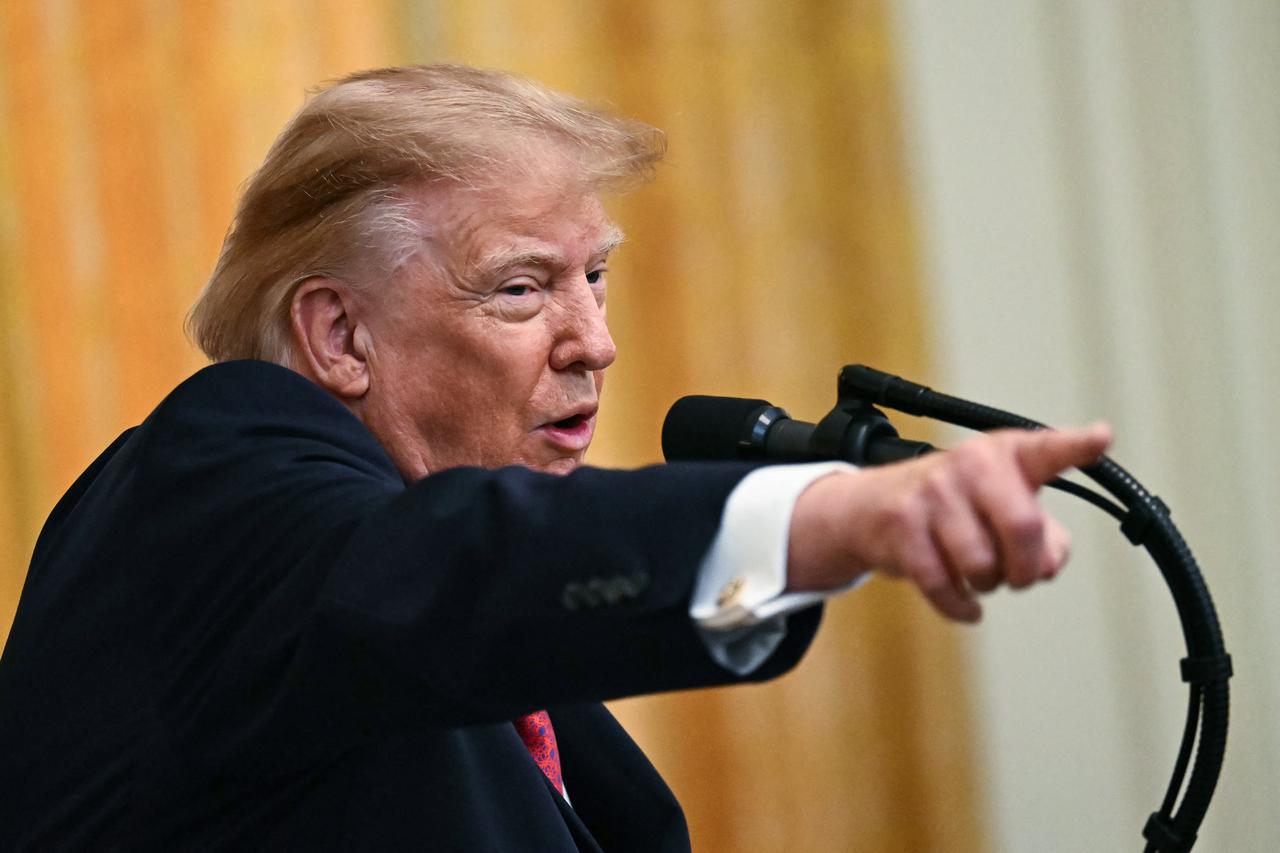
"We're in the final stages of Iran. We'll see what happens," Trump told reporters Wednesday, adding, "We'll either have a deal, or we're going to do some things that are a little bit nasty."
In preparation for a potential resumption of hostilities, the United States has moved additional naval assets near Israel to provide protection against Iranian threats, the Washington Post reported.


 Set as preferred source
 Set as preferred source


 4 min read