Newsletters




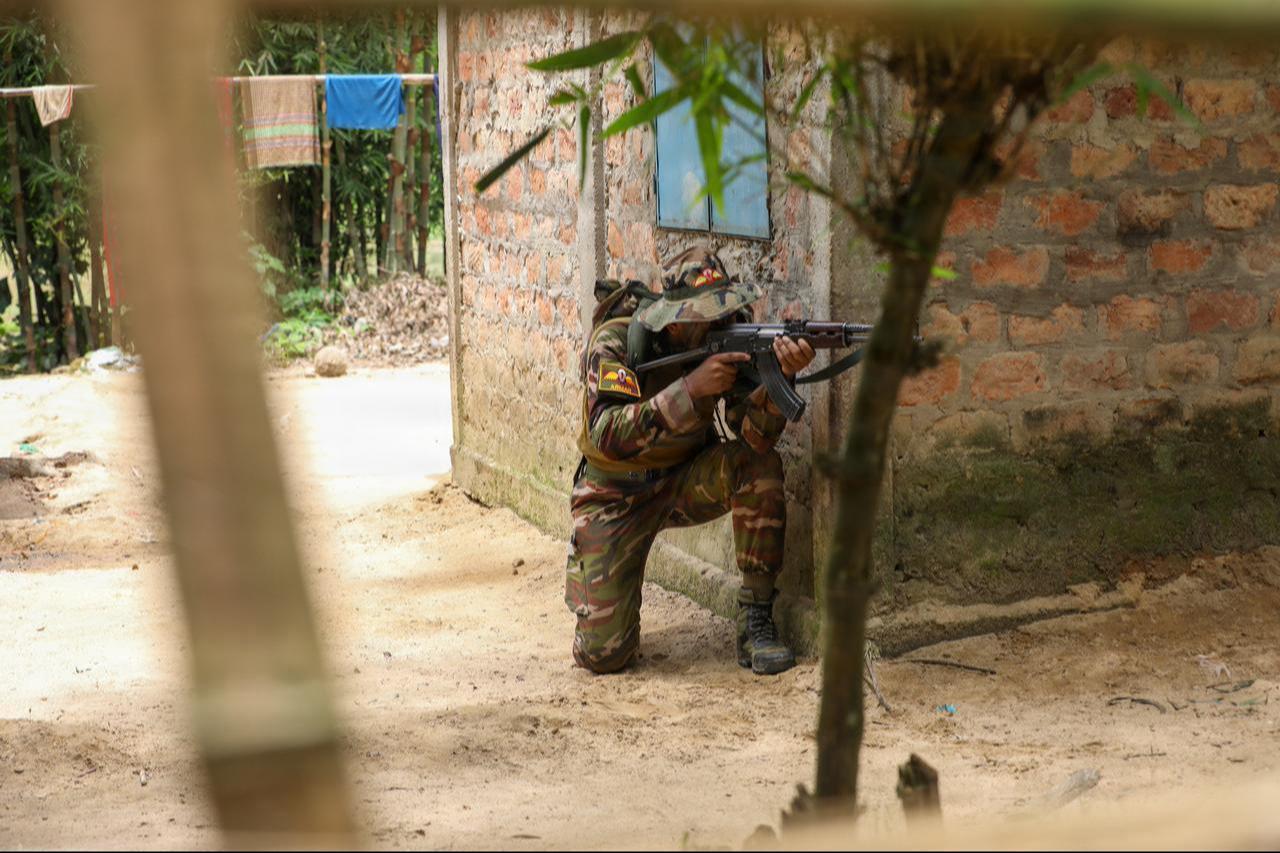
Bangladesh has expressed interest in participating in the Mecca Joint Defense Agreement between Saudi Arabia, Pakistan and Türkiye, State Minister for Foreign Affairs Humayun Kabir said Monday.
Kabir, appointed to the post last week, said the matter remains under discussion with no formal decision made.
"We have expressed our interest in the Mecca Defense pact … Bangladesh is now a country of recognition. The partners in West Asia (Middle East), the partners in the Muslim world around the globe are now inviting the leadership of Bangladesh, especially the leadership of Prime Minister Tarique Rahman, to be with them in many places," Kabir said.
"If there is one (agreement) in West Asia, if there is a security agreement between Islamic countries, then it is not unusual to go there. Let's see. The matter is being viewed positively," said Kabir, who previously served as an adviser to Rahman.
He said Bangladesh is currently working to expand relations and cooperation with various international partners, and that stakeholders from the Middle East and the wider Muslim world are inviting Bangladesh's leadership to participate in various initiatives.
"This is being viewed positively. However, the matter remains at the discussion stage," Kabir said.

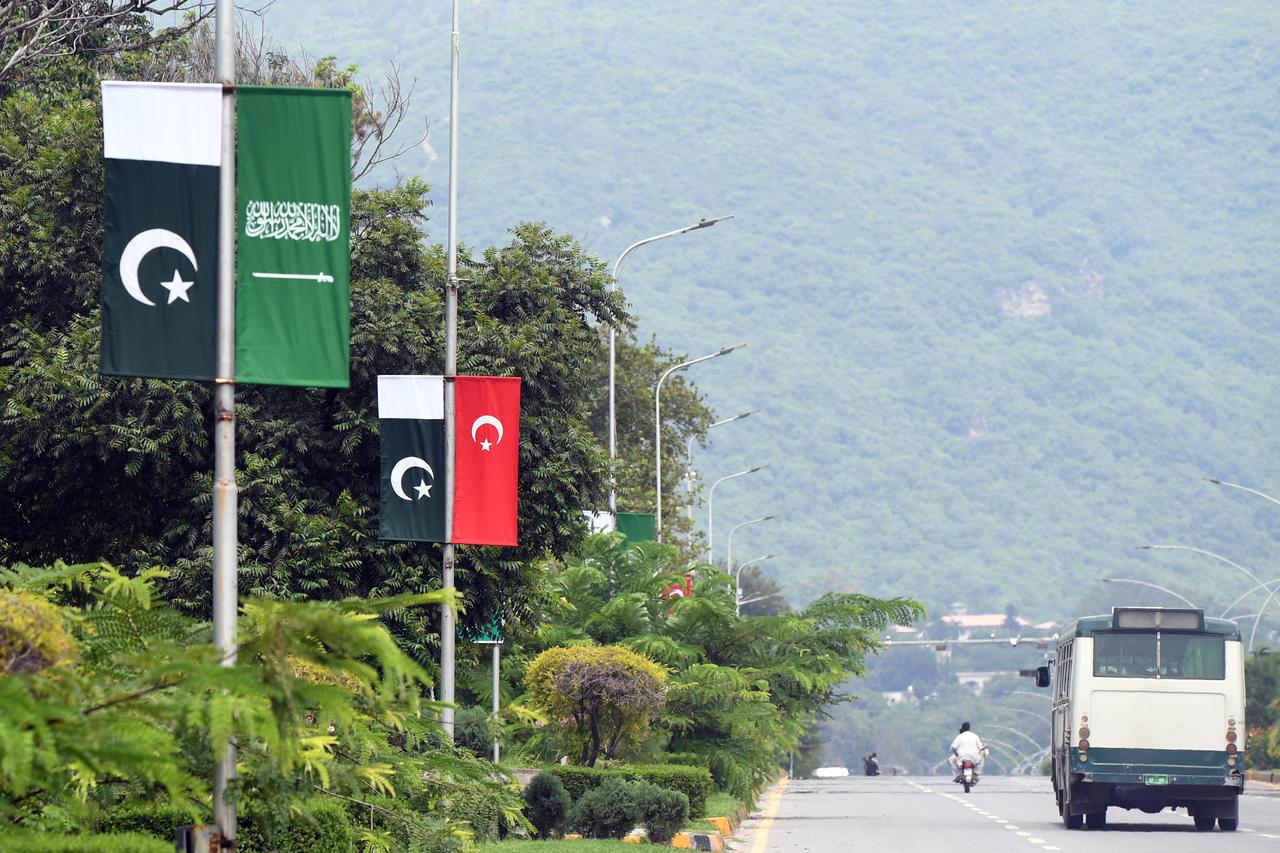
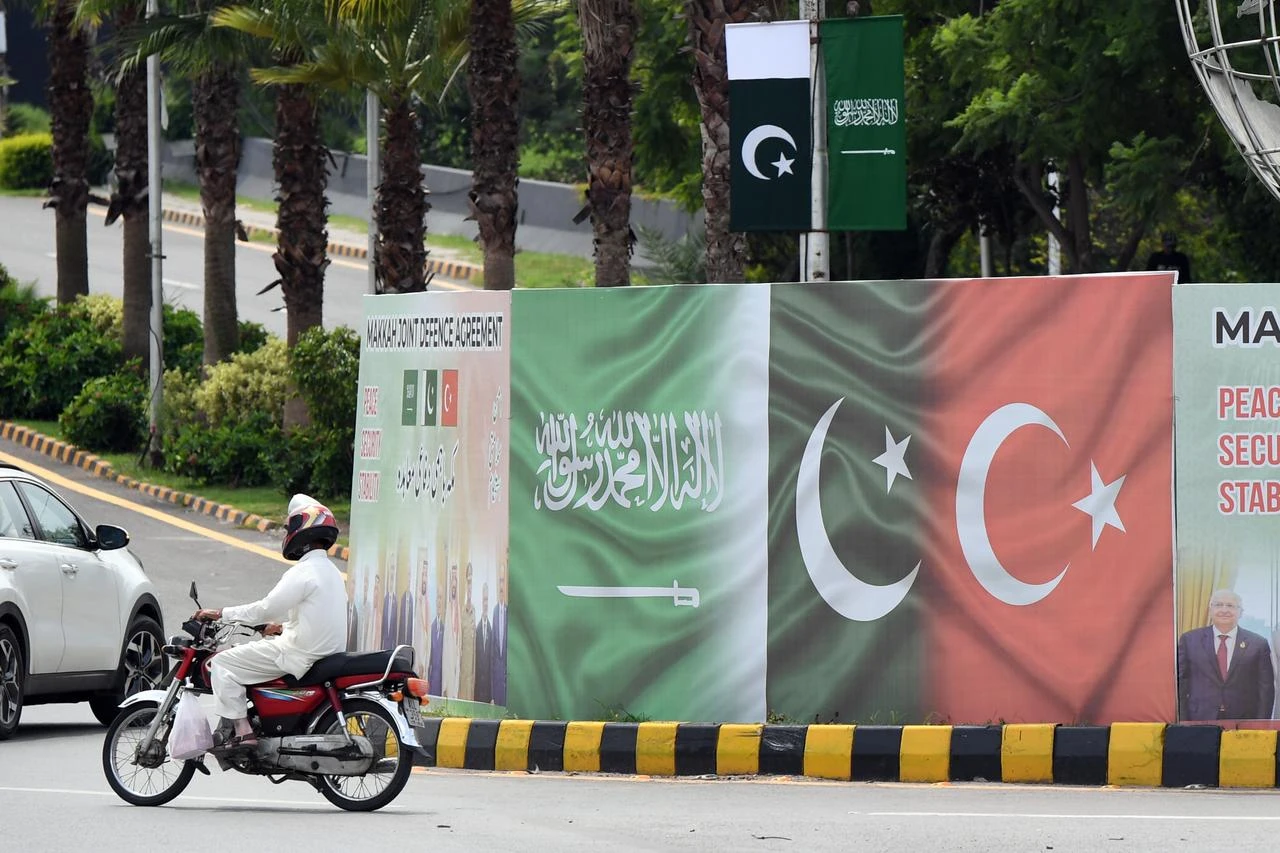
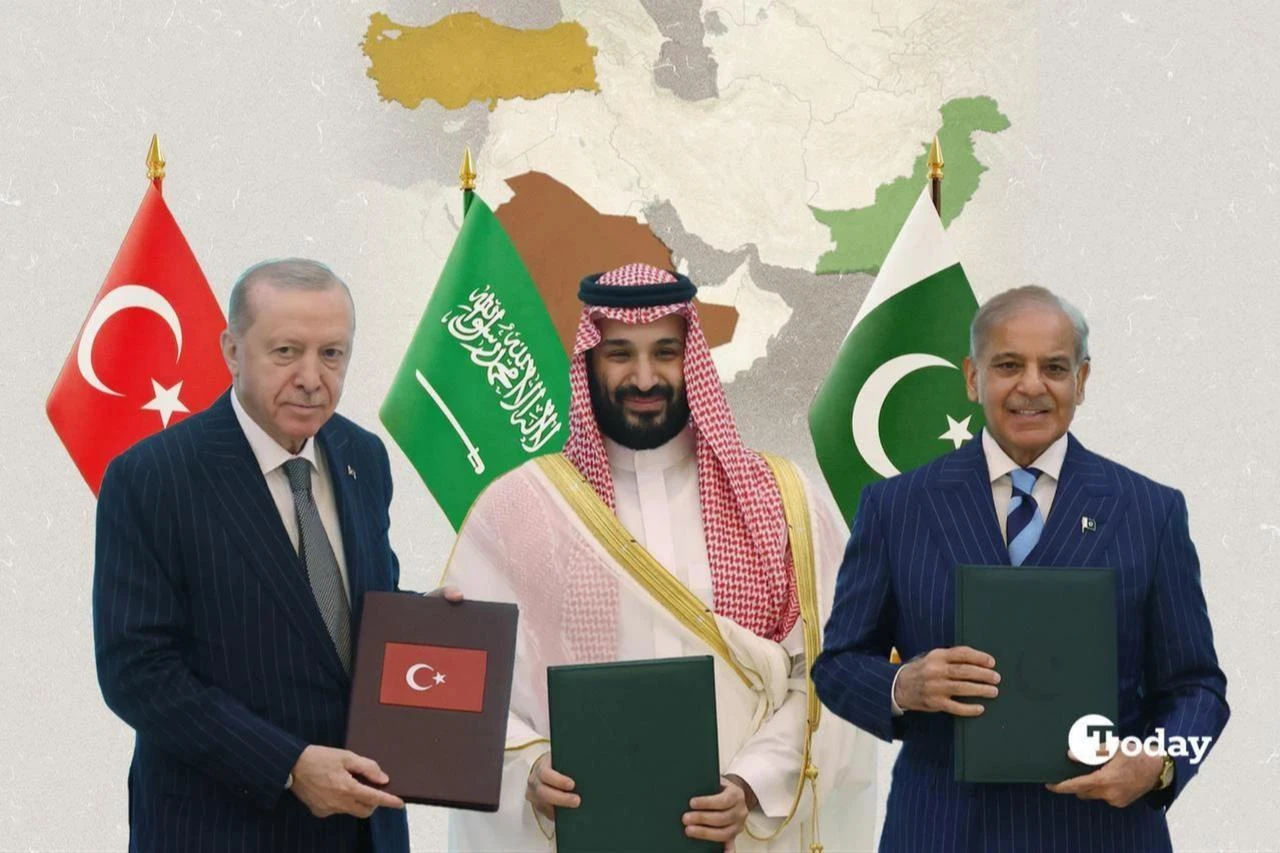
Türkiye, Saudi Arabia and Pakistan signed the Mecca Joint Defense Agreement at a trilateral summit at Al Safa Palace on Aug. 7, pledging to strengthen collective security, deepen defense cooperation and promote peace and stability in the region and beyond.
The agreement was signed by President Recep Tayyip Erdogan, Saudi Crown Prince Mohammed bin Salman and Pakistani Prime Minister Shehbaz Sharif.
The pact considers an armed attack against any of the three countries an attack against all of them and aims to strengthen collective deterrence and expand defense cooperation.
The agreement follows years of consultations among Riyadh, Ankara and Islamabad aimed at strengthening defense cooperation and coordinating responses to shared security challenges based on their strategic interests.
It came amid heightened tensions in the Strait of Hormuz following the conflict between Iran and the U.S., which has raised concerns over global energy supplies and maritime security despite ongoing diplomatic efforts to preserve freedom of navigation.


 Set as preferred source
 Set as preferred source


 1 min read
 1 min read