Newsletters


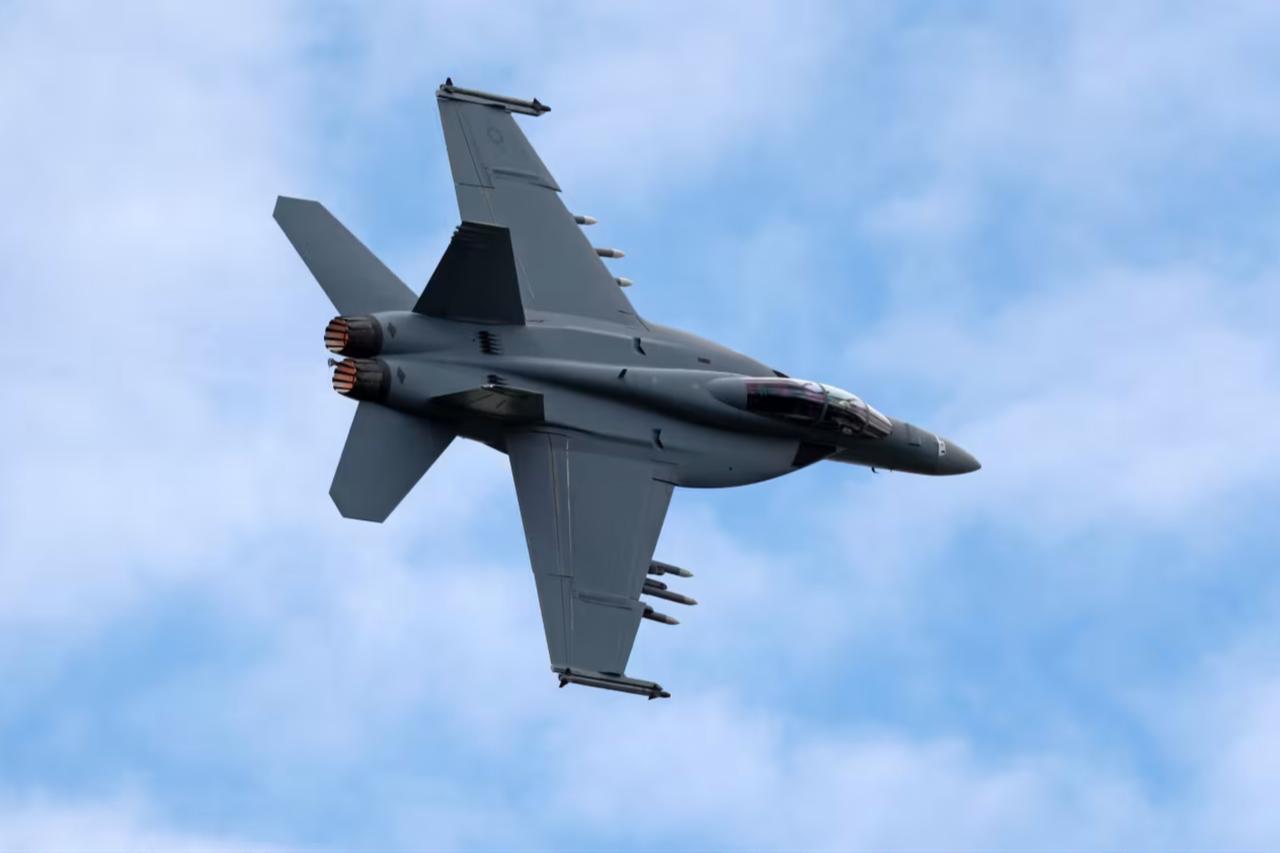


Boeing has been selected to build the U.S. Navy’s next-generation stealth fighter under a development contract worth about $20 billion, the Pentagon said Tuesday, according to Reuters.
The decision gives Boeing its second major sixth-generation fighter win in consecutive years after the company was selected in March 2025 to build the U.S. Air Force’s F-47.
Boeing beat Northrop Grumman for the Navy contract, which covers development and test aircraft.
The program could eventually be worth hundreds of billions of dollars as production expands and potential foreign orders are added.
The new aircraft, currently designated F/A-XX, will become the centerpiece of the Navy’s Next Generation Air Dominance family of systems.
It is intended to replace the F/A-18E/F Super Hornet, which Boeing has built for the Navy for years.
The new jet is expected to feature advanced stealth, greater range and endurance, and the ability to operate alongside uncrewed combat aircraft and carrier-based air defense systems.
Michael Duffey, the Pentagon’s chief weapons buyer, called F/A-XX a “crucial, non-negotiable investment in America’s national security and long-term air combat capabilities.”
The Navy also plans to buy over 270 Lockheed Martin F-35C fighters, which are expected to operate alongside F/A-XX aircraft once the new jet enters service.
First production F/A-XX aircraft are expected in the 2030s, while the Super Hornet fleet is expected to remain operational into the 2040s.
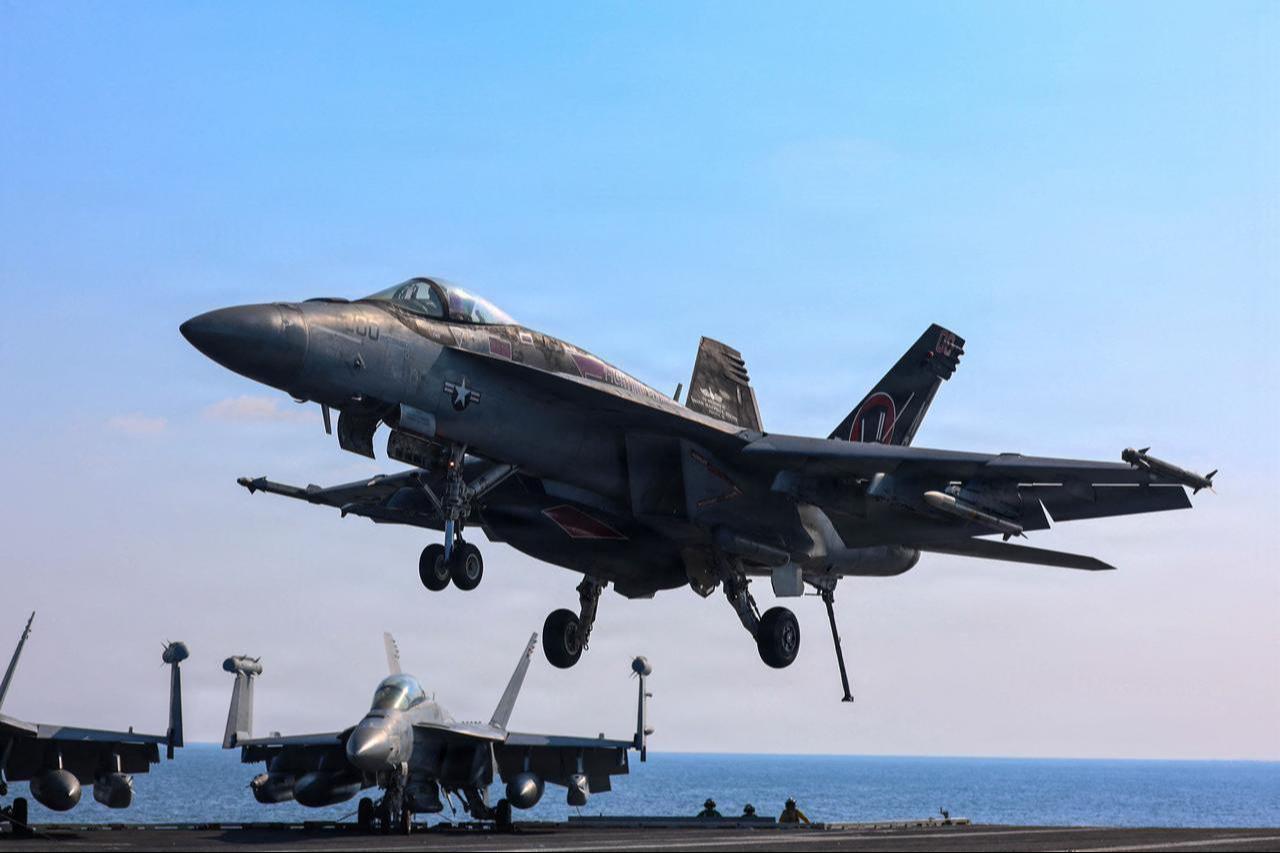

The contract provides a major boost to Boeing’s fighter operations in St. Louis, Missouri, as production of the F/A-18E/F Super Hornet and EA-18G Growler winds down.
Steve Parker, president and CEO of Boeing Defense, Space & Security, said the company had invested in new facilities designed to produce multiple next-generation systems.
Boeing had been considered a strong contender because of its experience building carrier-based fighters, although defense officials had raised concerns about whether the company had enough engineers and suppliers to develop the F-47 and F/A-XX at the same time.
Those concerns did not ultimately prevent the award.
Boeing shares rose 2.25% in extended trading Tuesday, while Northrop Grumman shares fell 3.5%.
The F/A-XX program has faced repeated delays and disputes over funding.
Last year, Pentagon officials sought to delay the contract because of concerns over the defense industry’s engineering and supply-chain capacity to develop two sixth-generation fighters simultaneously.
Some officials had sought a delay of up to three years.
Congress intervened, allocating $750 million to the program in a 2025 tax-cut and spending law and another $1.4 billion for fiscal 2026.
Lawmakers from Missouri from both parties pushed to keep the program funded.
Republican Sen. Eric Schmitt said F/A-XX and F-47 production would create additional opportunities to attract engineering and technology workers to Missouri.
Boeing fighter workers in the state also staged a 101-day strike last year before returning to work without securing concessions from the company.
Lockheed Martin was eliminated from the Navy fighter competition in March 2025 after officials concluded its design failed to meet required criteria, leaving Boeing and Northrop Grumman as the final competitors.
The Navy has faced pressure to advance the program as China fields increasingly advanced combat aircraft, including designs Beijing describes as sixth-generation.
Without a new carrier-based fighter, the Navy risked entering the 2030s and beyond without a modern replacement for the Super Hornet.
Jeremiah Gertler, an aerospace expert at the Center for Strategic and International Studies, said an open question remains over how closely the F/A-XX and F-47 designs may be related.
“What we don't know yet is how much F-47 DNA is in the F/A-XX. Are they being developed together or separately?” he said.


 Set as preferred source
 Set as preferred source


 1 min read

 1 min read