Newsletters


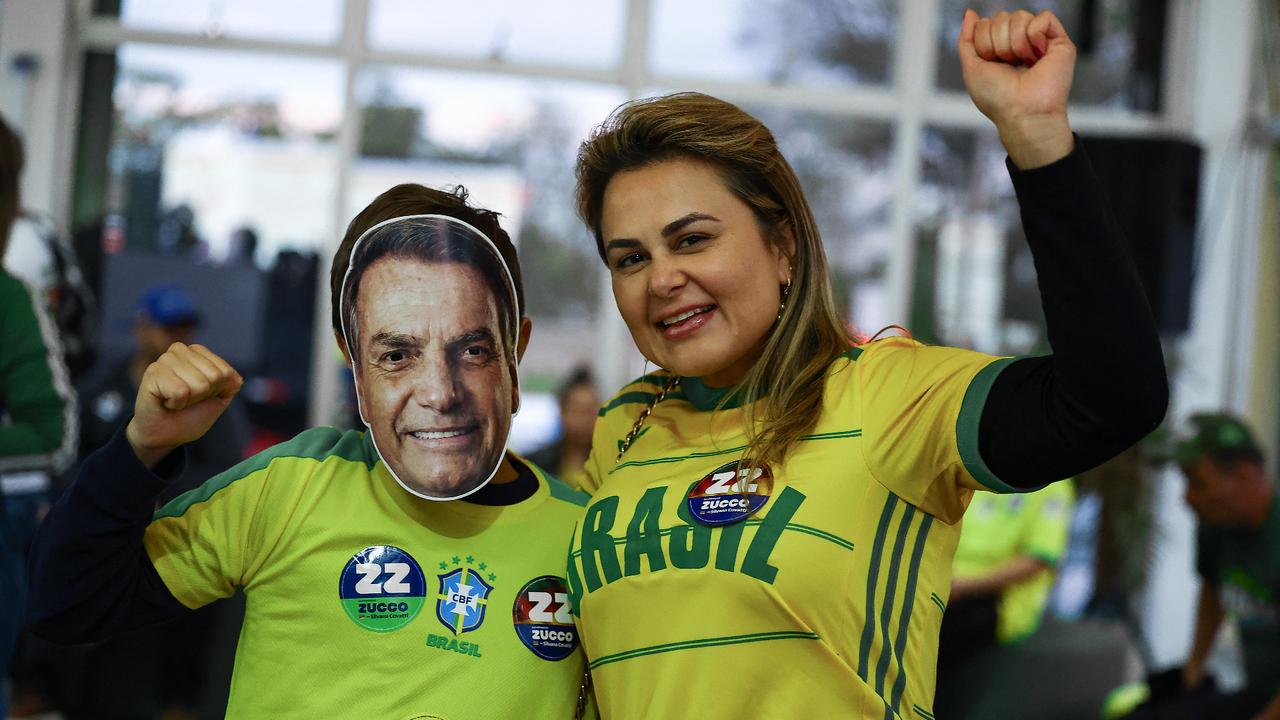
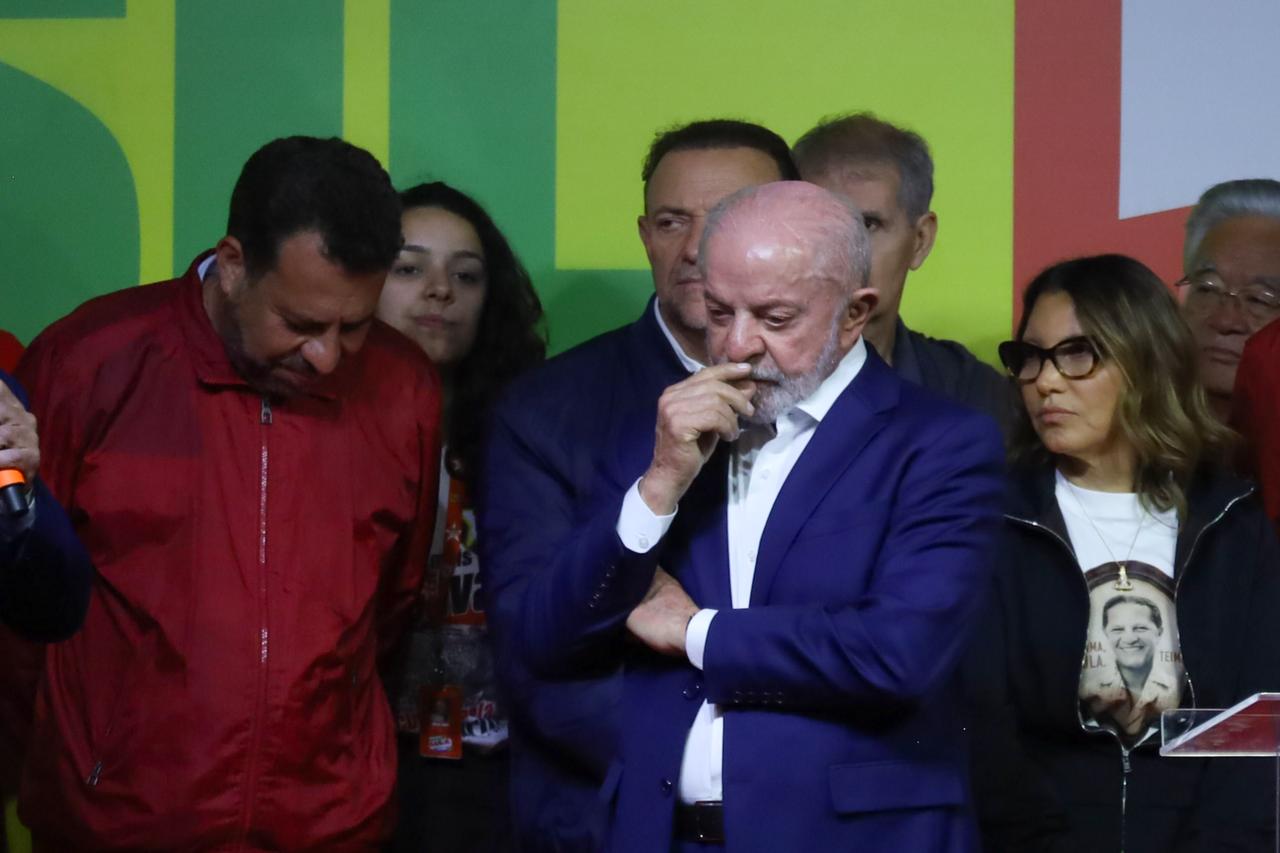
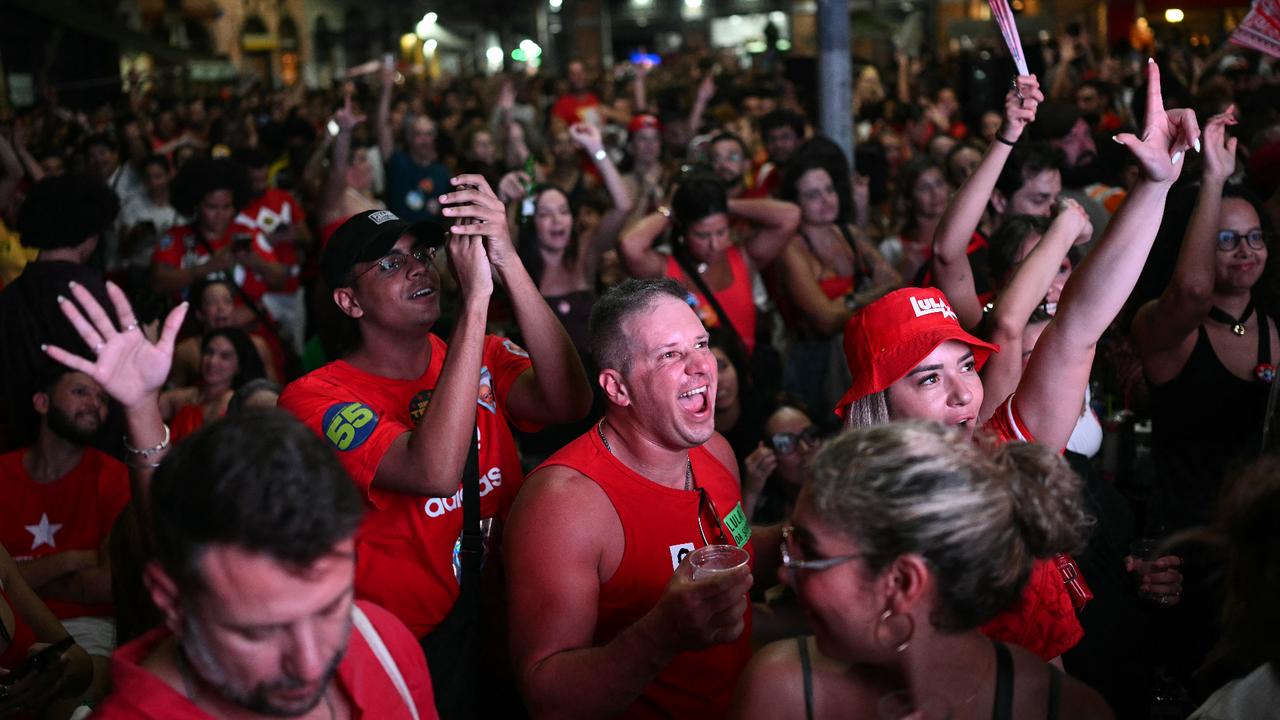
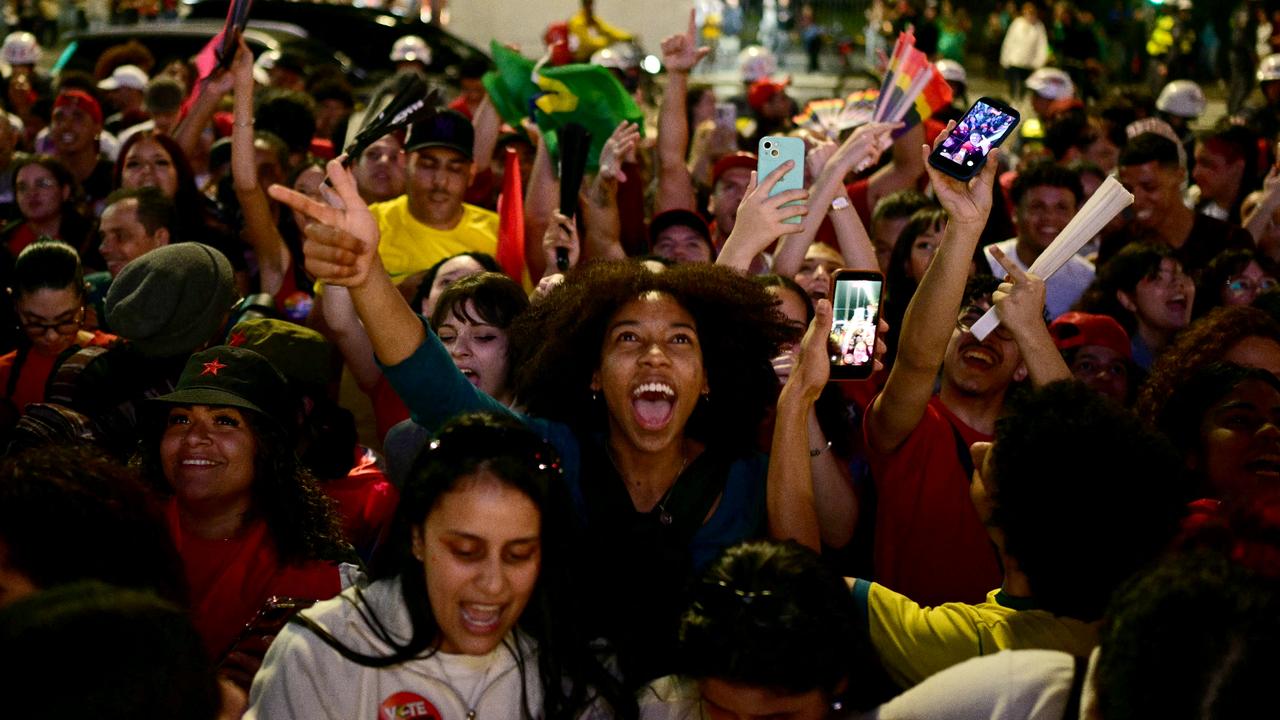
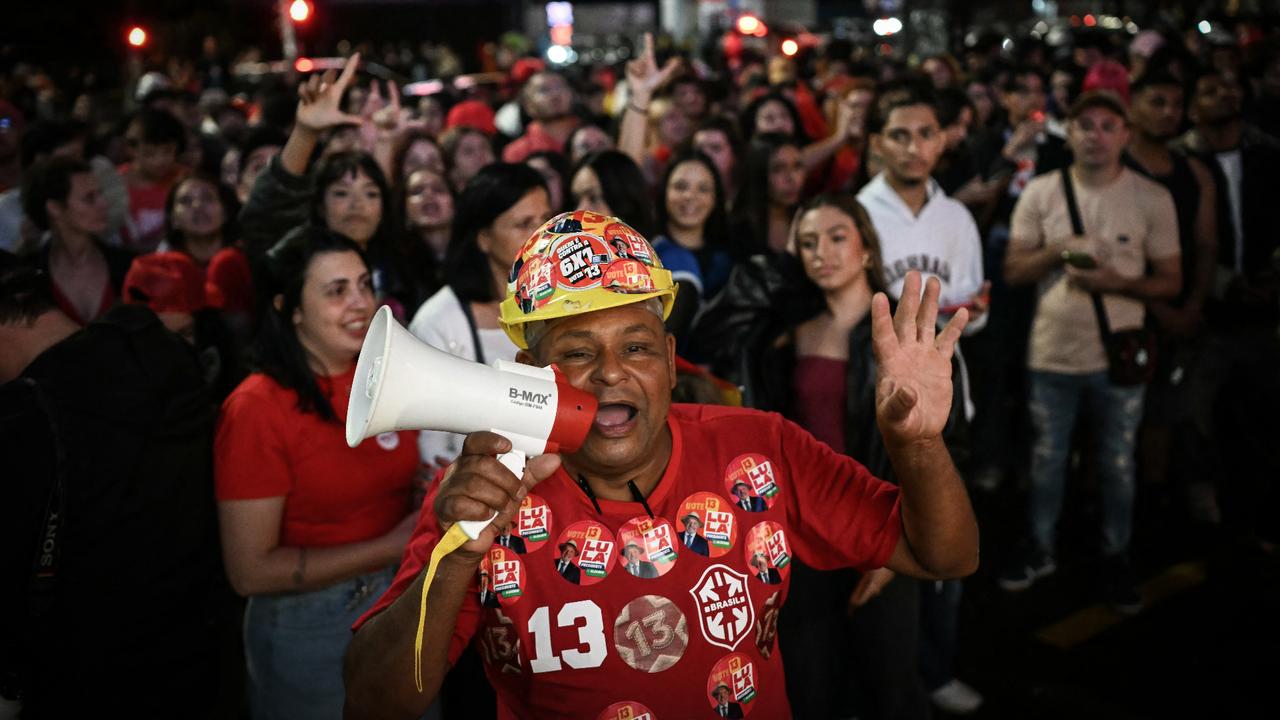
Brazil's presidential election heads to a runoff on Oct. 25, the Superior Electoral Court announced overnight, as neither President Luiz Inacio Lula da Silva nor Sen. Flavio Bolsonaro won the majority needed to clinch a first-round victory.
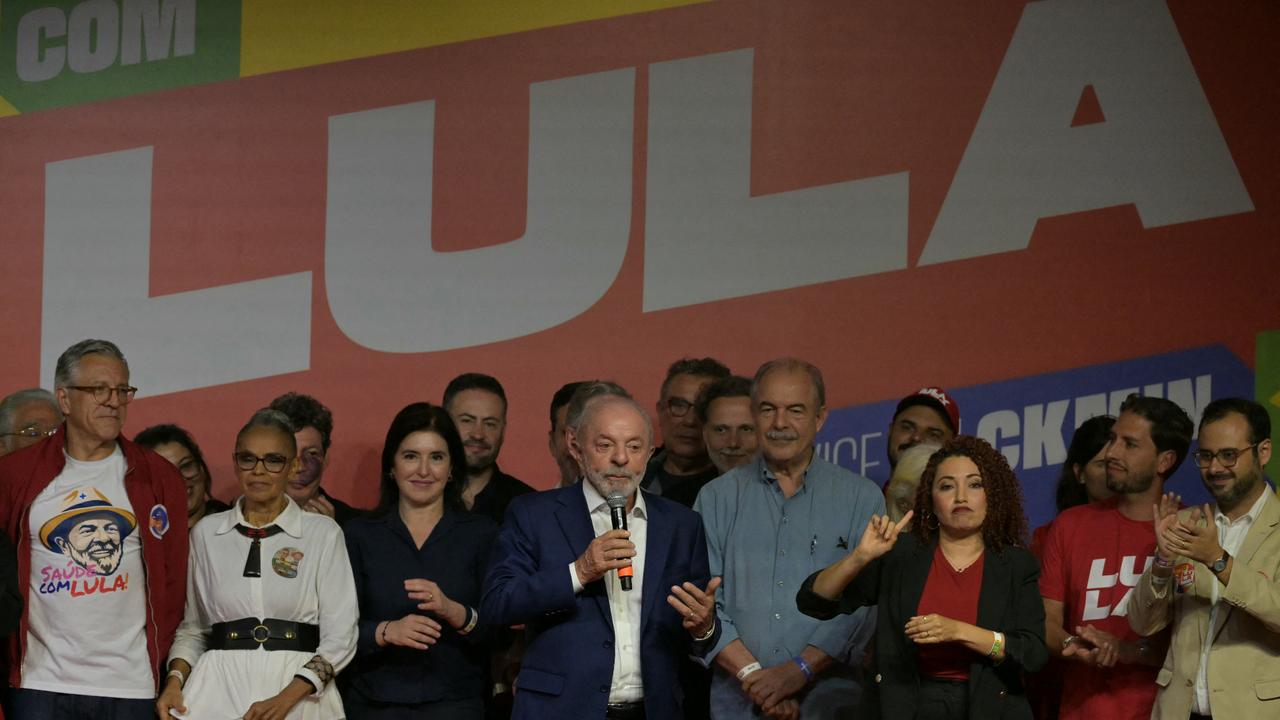
Bolsonaro led with 47% to Lula's 45% with nearly all ballots tallied, reversing earlier polls that had given the incumbent an edge of roughly 3 points.
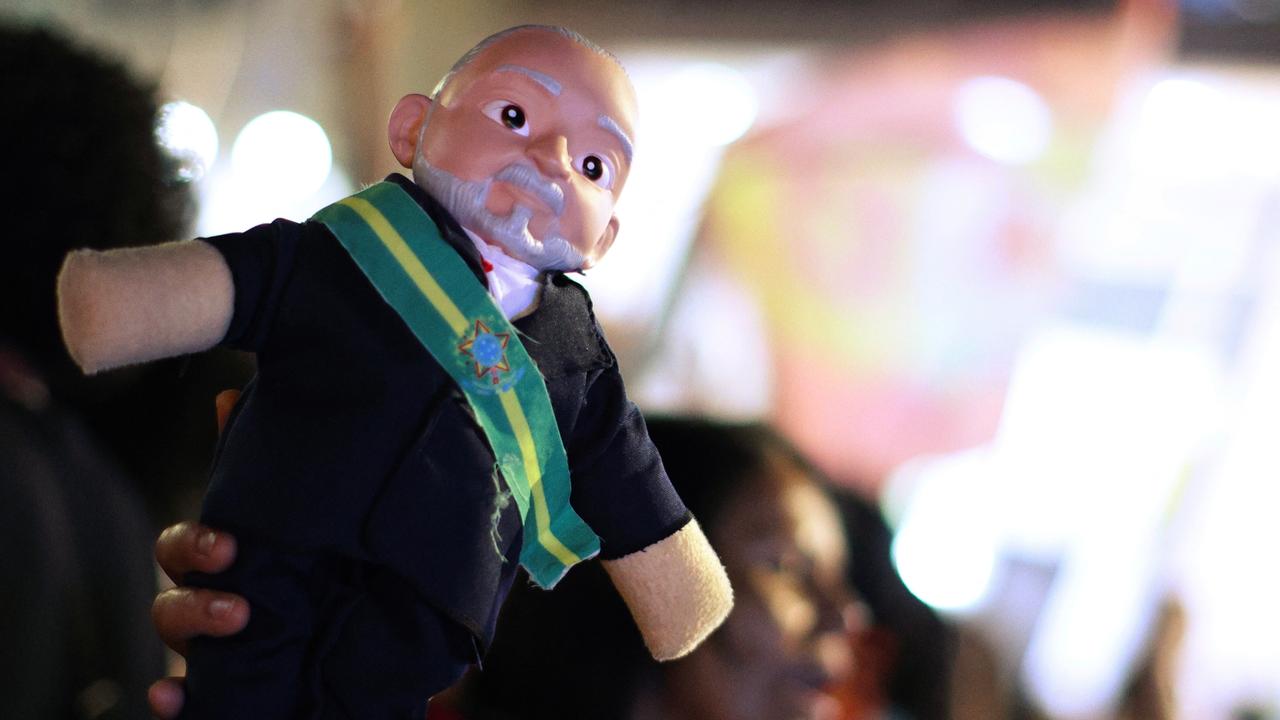
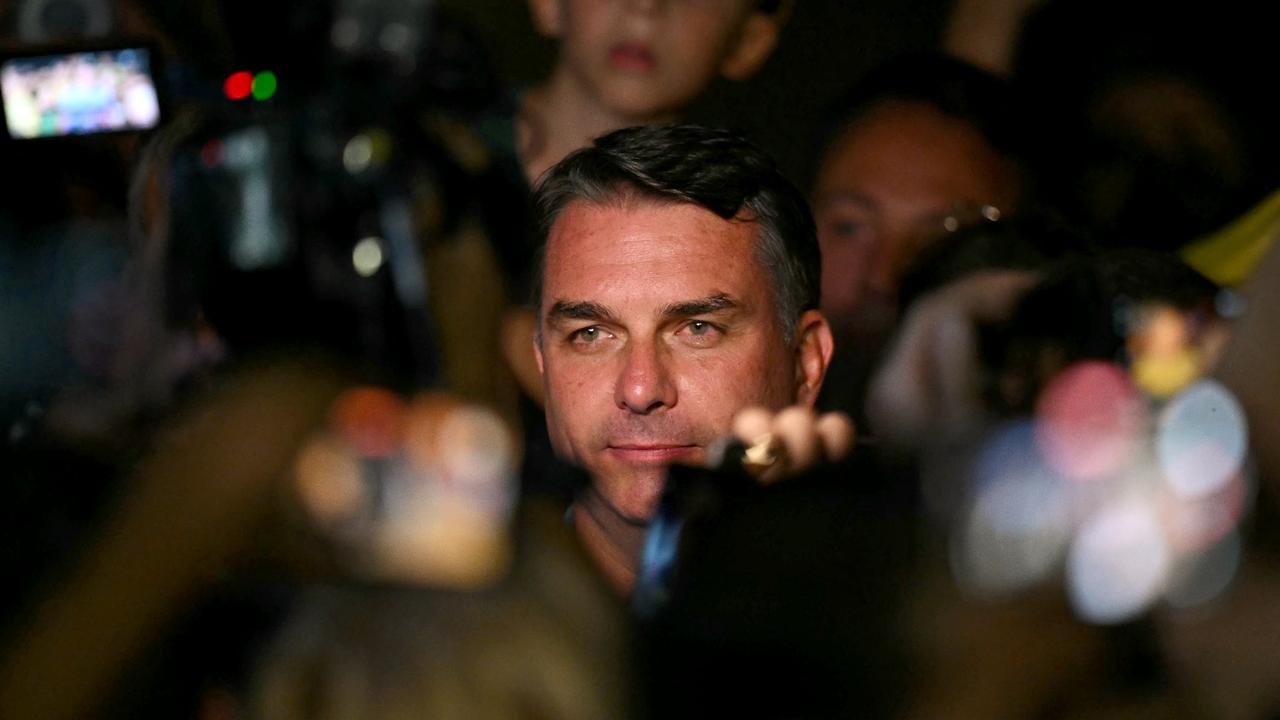
“Brazil wants change and I am very pleased with the results,” Bolsonaro told reporters in Brasília, declaring the “end of Lula’s Workers’ Party era.”
The two candidates offer sharply contrasting visions of Brazil's role in the world, especially toward Israel, beyond their economic and domestic policy disputes.
Bolsonaro has made backing Israel a central pillar of his foreign policy, following the path of his father, who built close ties with Prime Minister Netanyahu as president.
During a visit to Israel in January, Bolsonaro pledged to relocate Brazil’s embassy from Tel Aviv to Jerusalem within six months of taking office. “I will move the embassy to Jerusalem during the first six months of my mandate,” he told JNS. He also stopped at the Western Wall and voiced support for the country based on shared religious values.
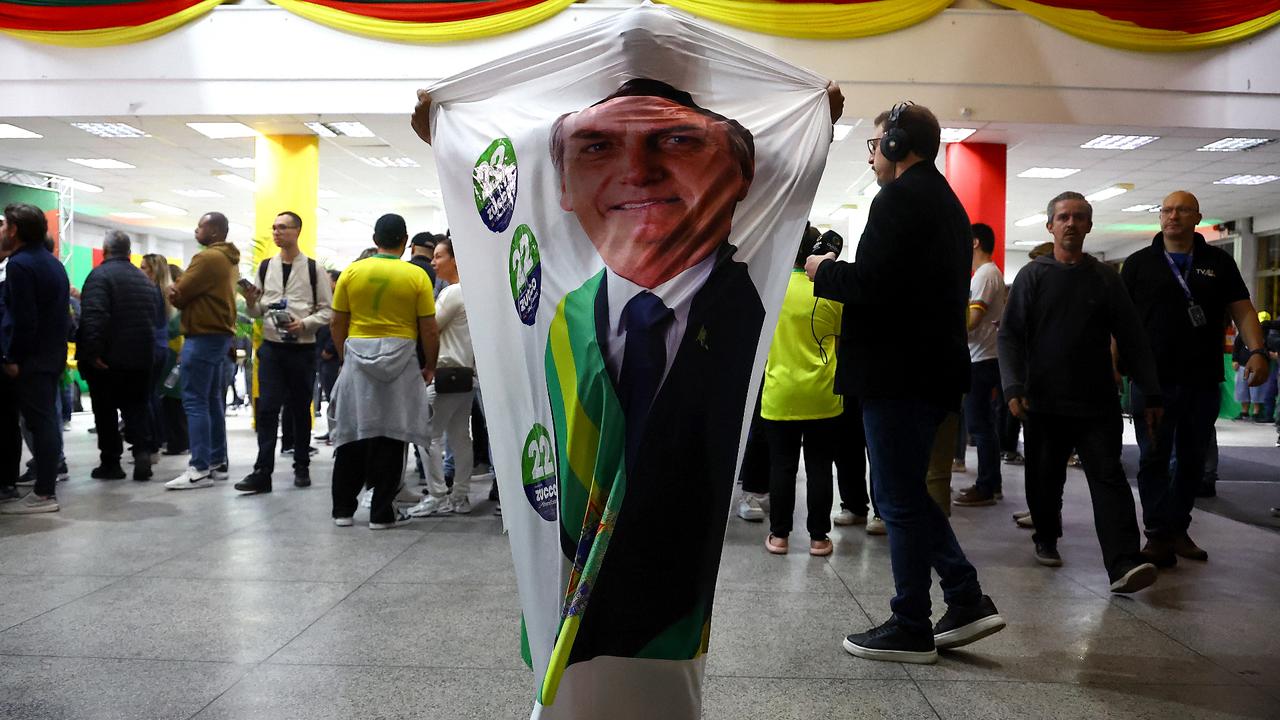
Bolsonaro has kept stressing the relationship throughout his campaign. In a recent meeting with Conib, the Brazilian Jewish umbrella organization, he promised to visit Israel early in a potential presidency, as his father did in 2019.
His position also suits a wider ambition to bring Brazil closer to Washington and right-leaning governments elsewhere in Latin America.
Ties between Brazil and Israel soured badly under Lula over the Gaza war. A major diplomatic clash erupted in February 2024 after Lula compared Israel’s military campaign in Gaza to the Holocaust. Israel condemned the remarks, and then-Foreign Minister Israel Katz said Lula remained unwelcome until he retracted them.
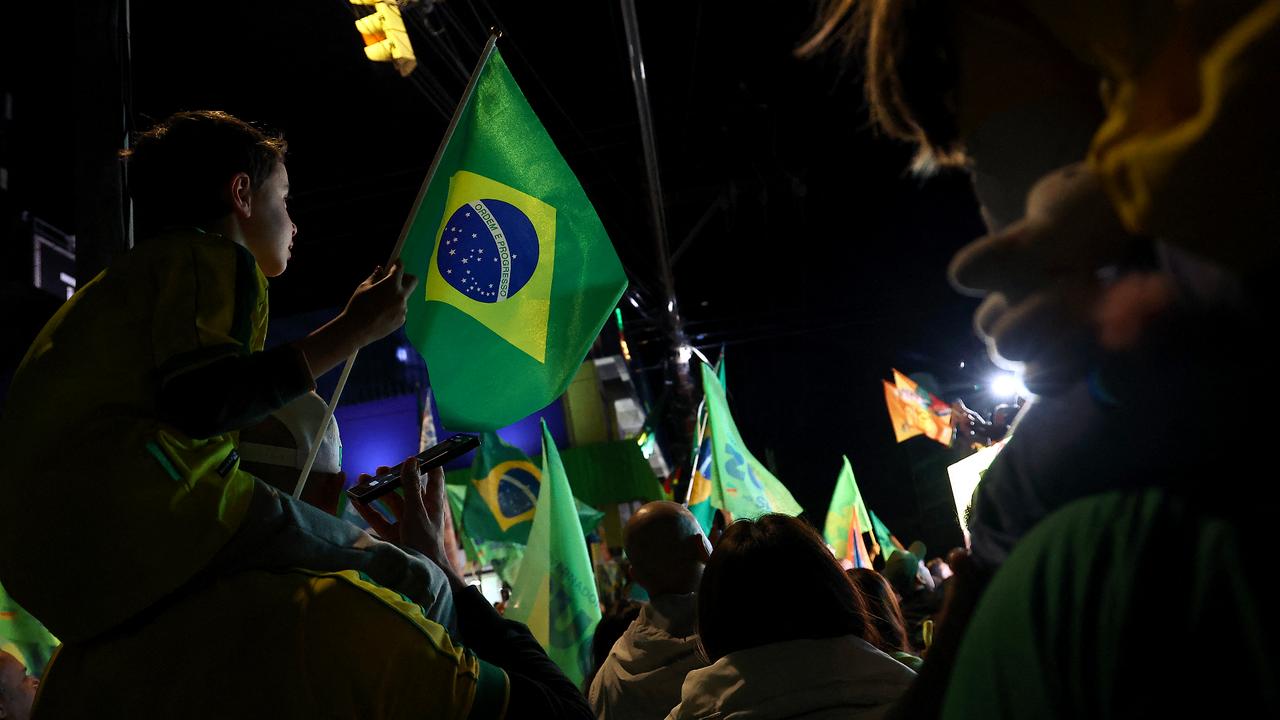
Brazil summoned home Ambassador Frederico Meyer for consultations. In May 2024, Lula pulled Meyer from the Israeli post and reassigned him to Geneva.
Diplomatic relations stayed intact with Israel, but the ambassador’s withdrawal downgraded ties. Lula's government has also repeated its backing for Palestinian statehood and a two-state solution.
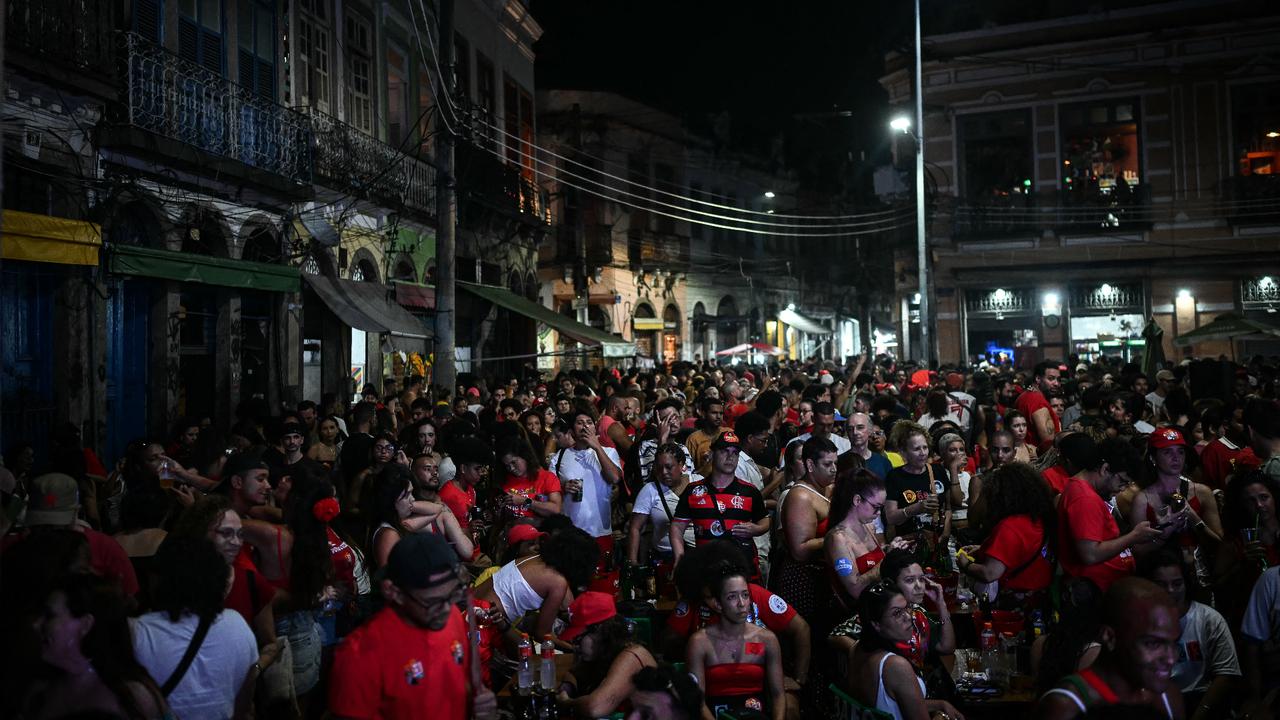
Allied with U.S. President Trump, Bolsonaro favors tighter alignment with Washington, while Lula emphasizes an independent foreign policy and stronger economic ties with China and countries across the Global South.
Trump hosted Bolsonaro at the White House and expressed support for Jair Bolsonaro, who is serving a 27-year prison term for conspiring to overturn his 2022 election.
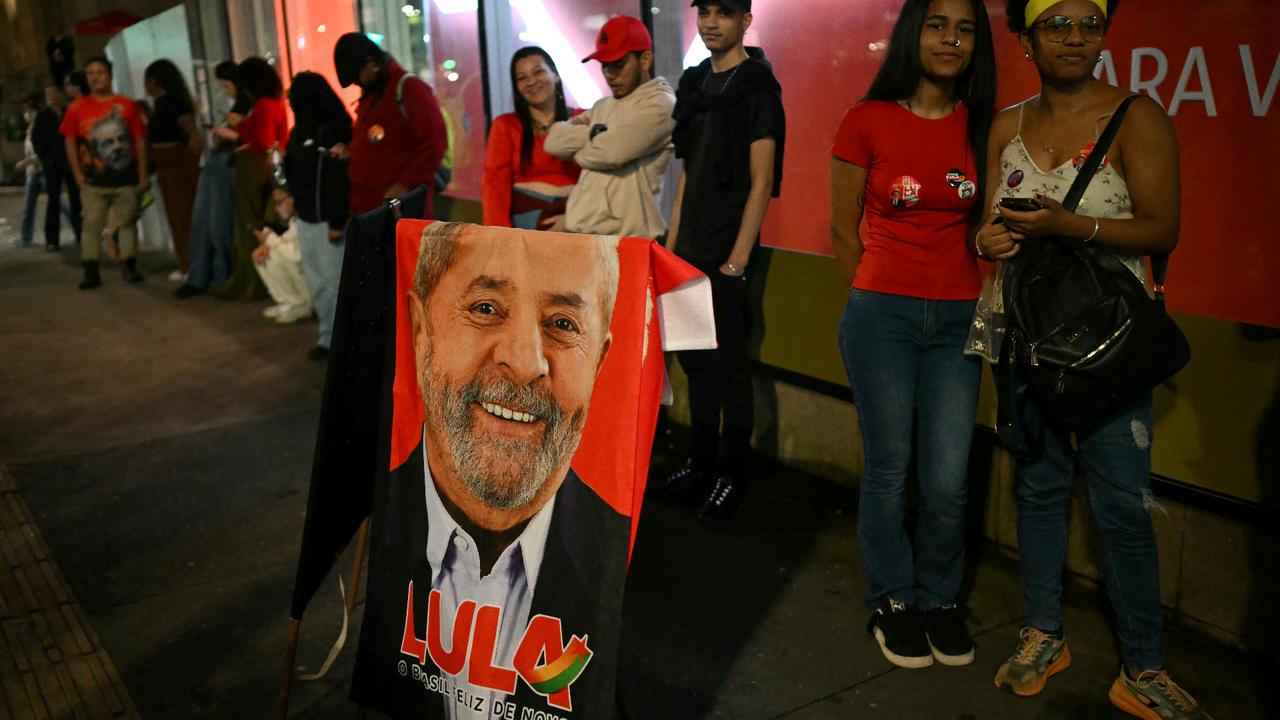
U.S. tariffs and diplomatic pressure on Lula's government prompted the incumbent to accuse Washington of trying to meddle in Brazil's democracy.
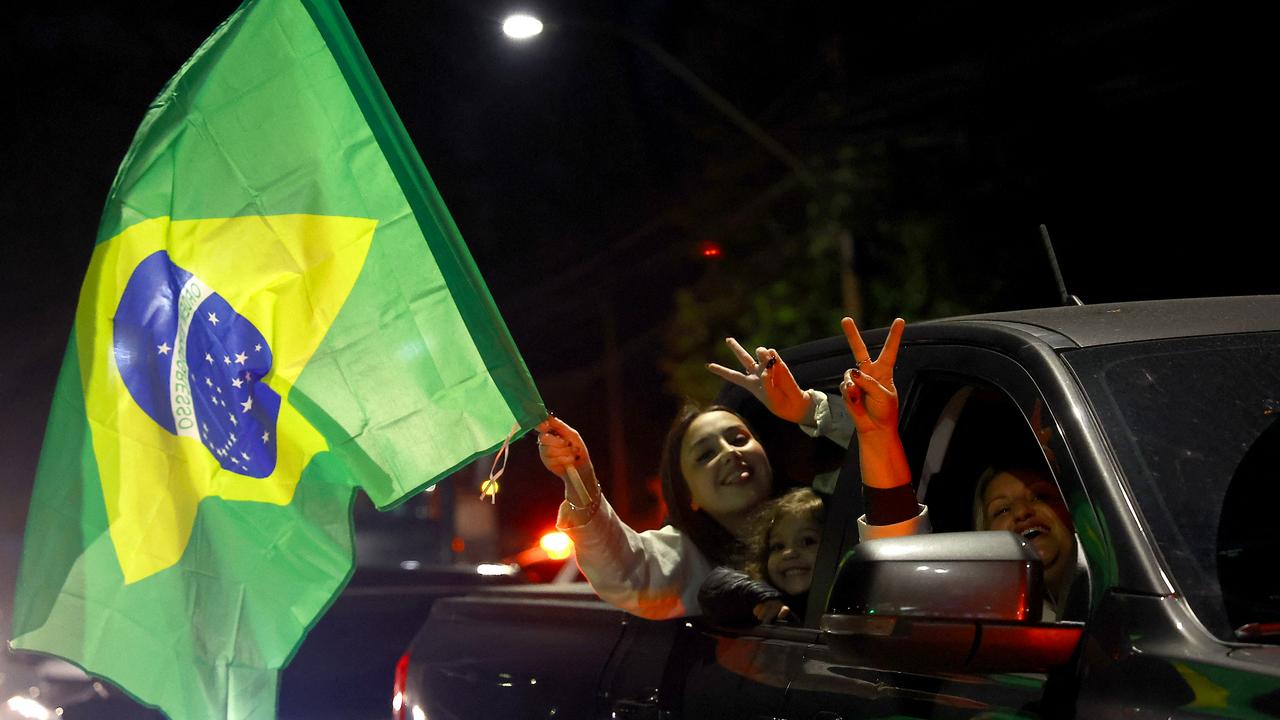
Washington's appetite for Brazil's natural wealth and critical minerals divides the two as well. Bolsonaro welcomes deeper cooperation, while Lula stresses national sovereignty and control over those assets.
 3 min read


 Set as preferred source