Newsletters


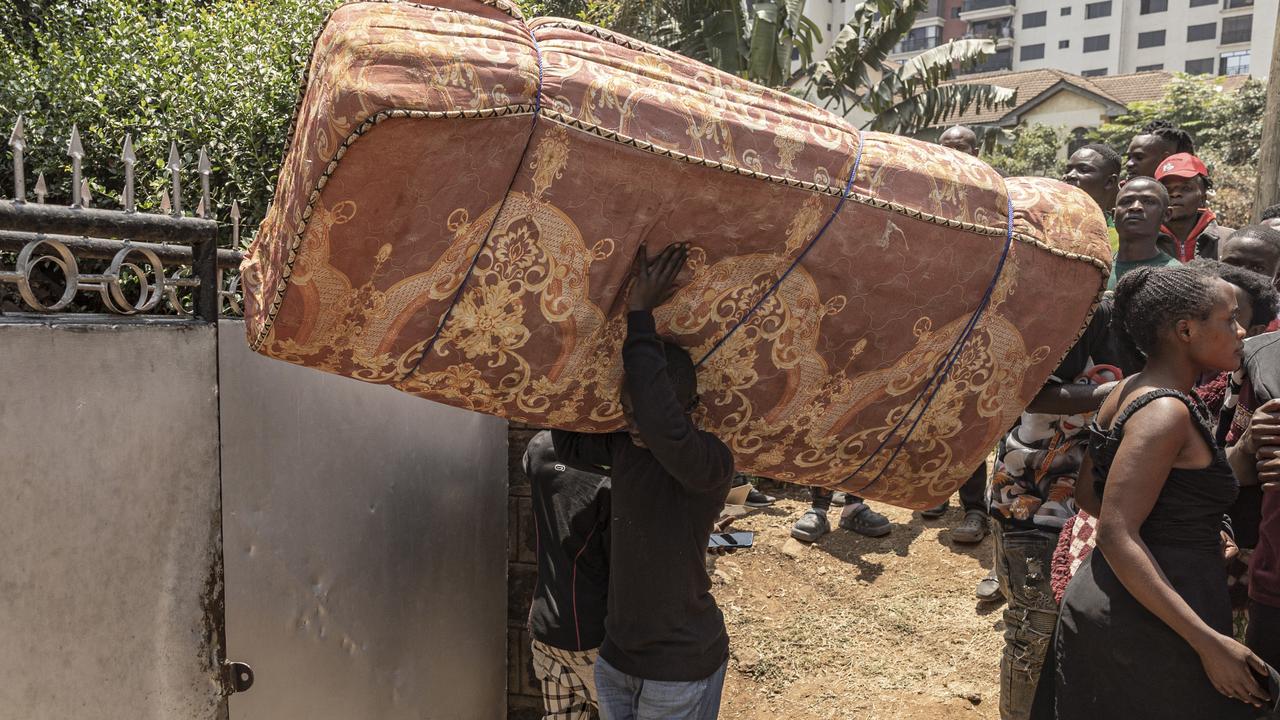
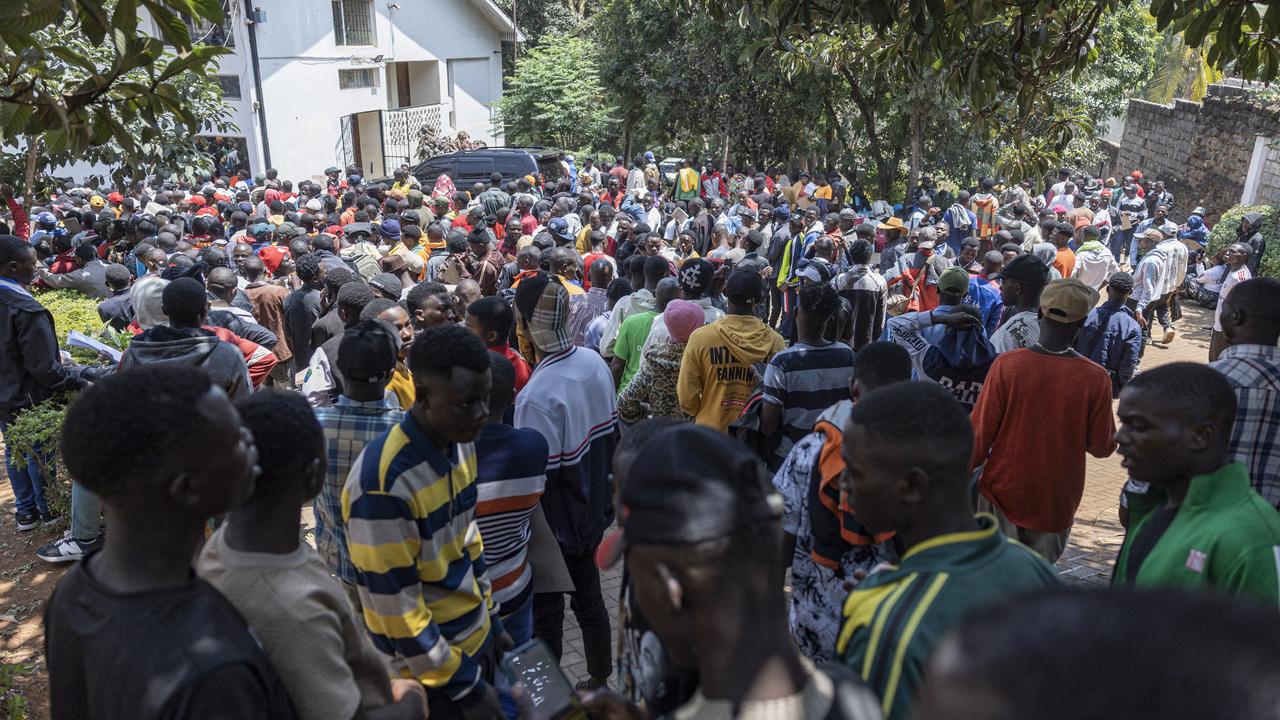
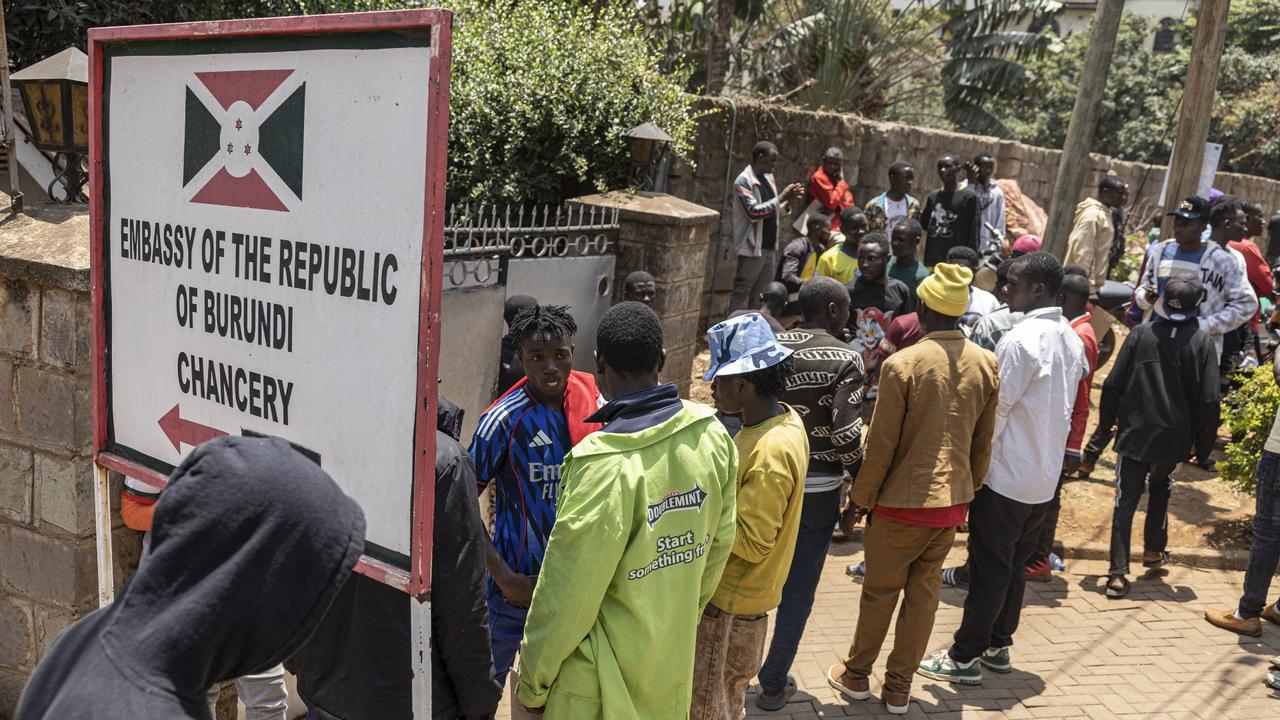
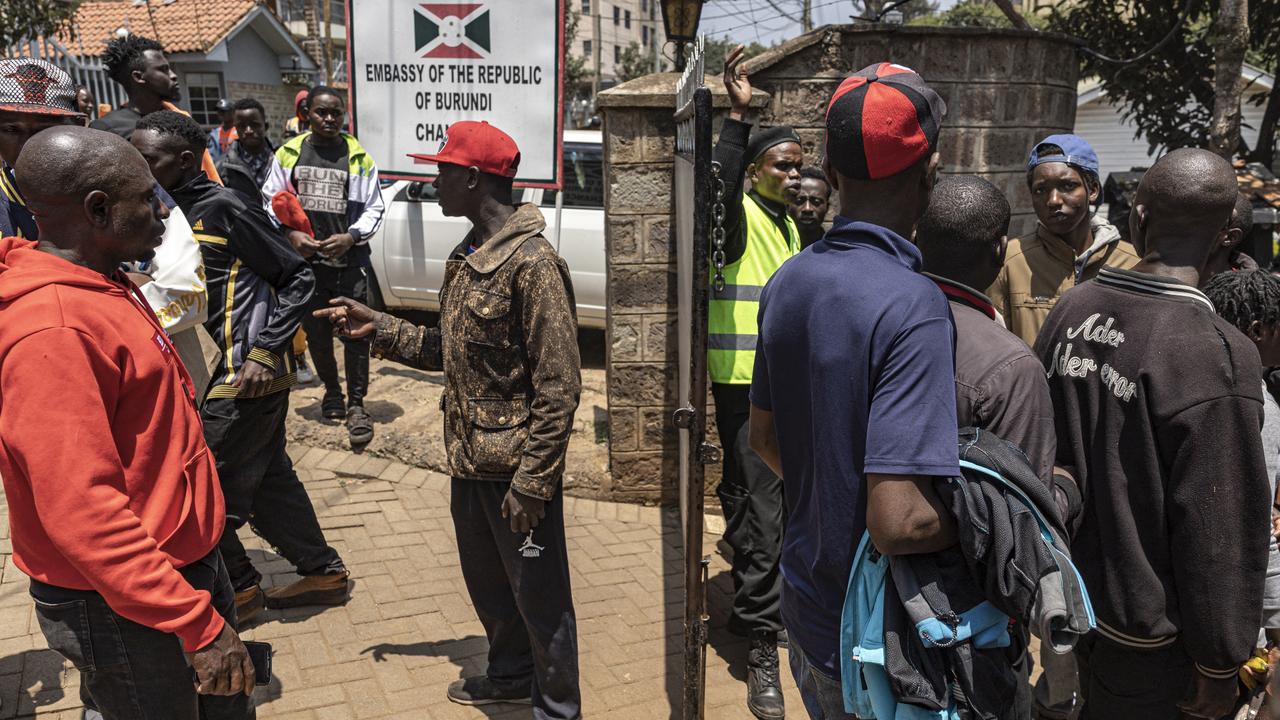
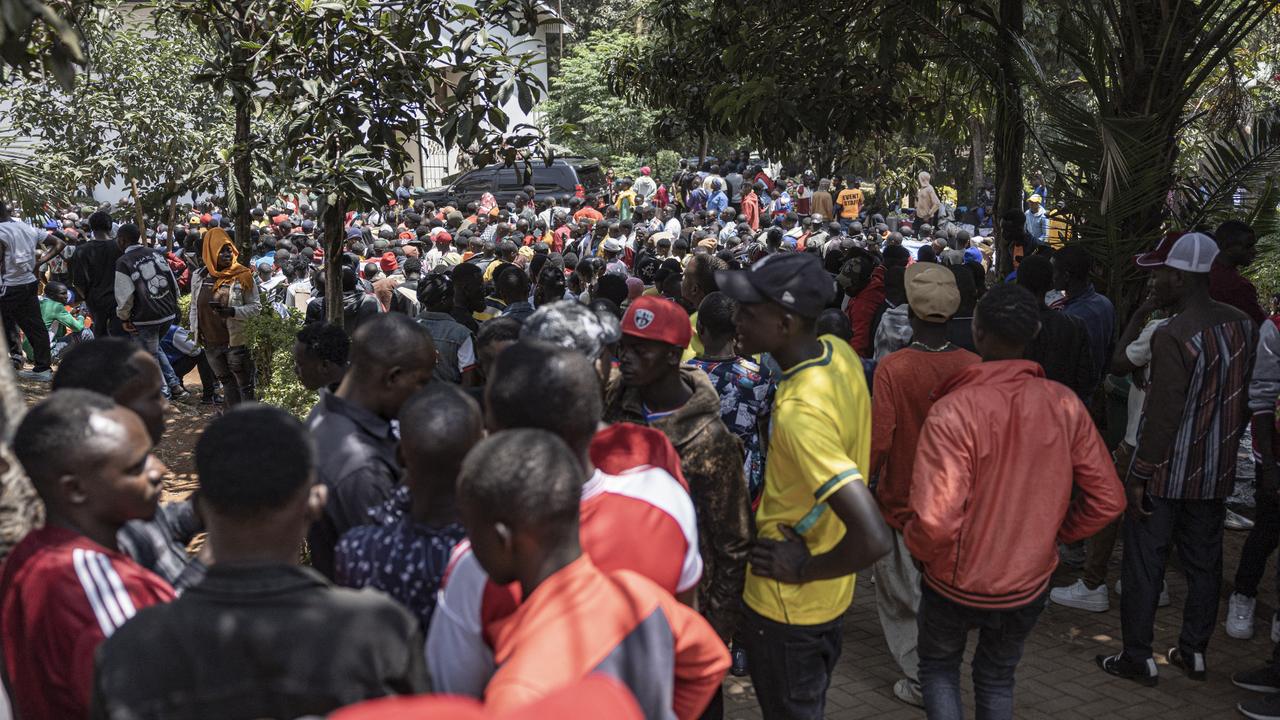
Hundreds of Burundians living in Kenya rushed to their embassy in Nairobi on Monday to seek travel documents to leave the country, days after President William Ruto ordered the closure of small businesses run by foreigners.
Kenya has long attracted migrants from across the East African Community (EAC), whose members enjoy freedom of movement within the regional bloc.
Last week, Ruto gave foreign-owned small businesses until Monday to close, arguing the country "has not built investor confidence for hawkers."
The order sparked fear among many foreigners, particularly Burundians who earn a living through street vending in Nairobi, prompting a rush to secure documents to return home.
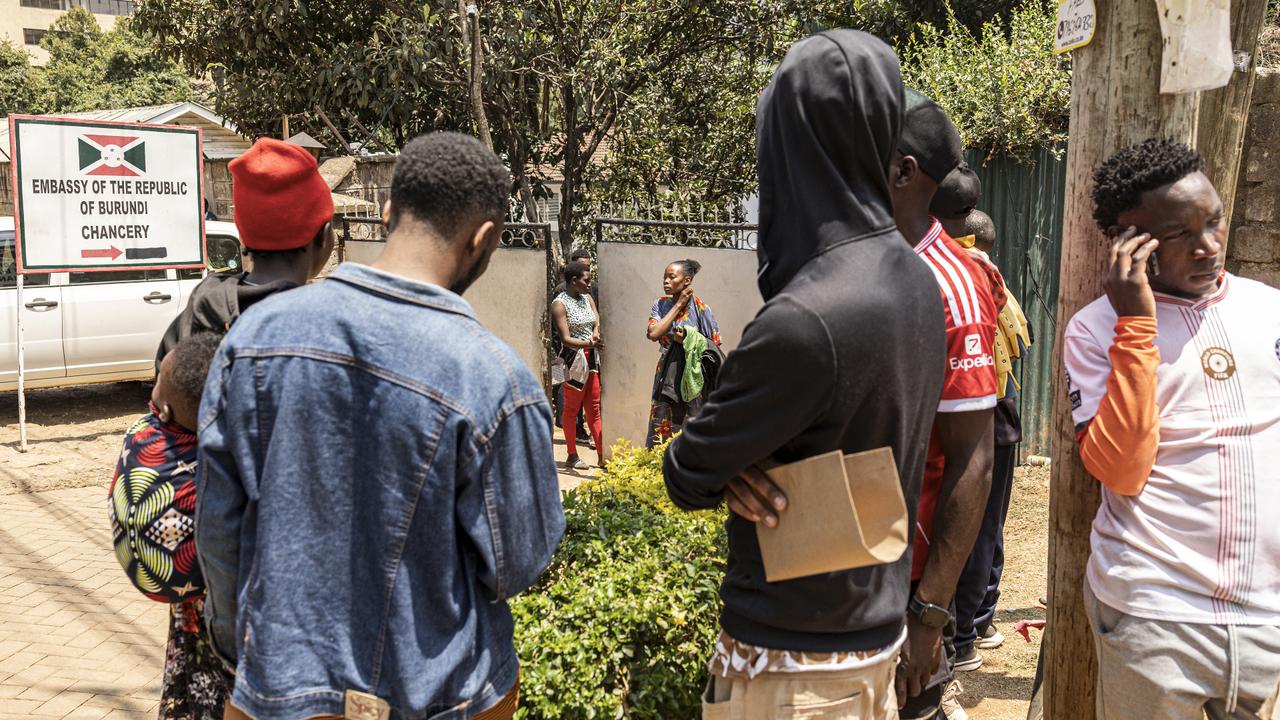
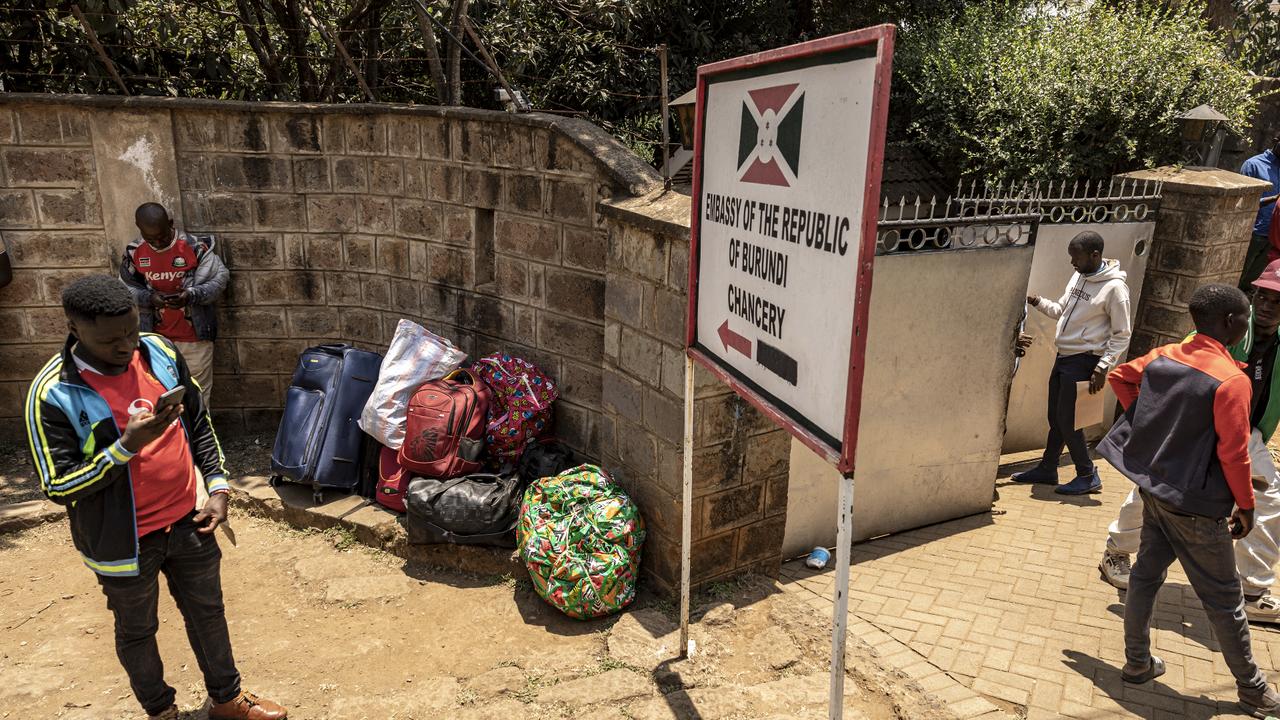
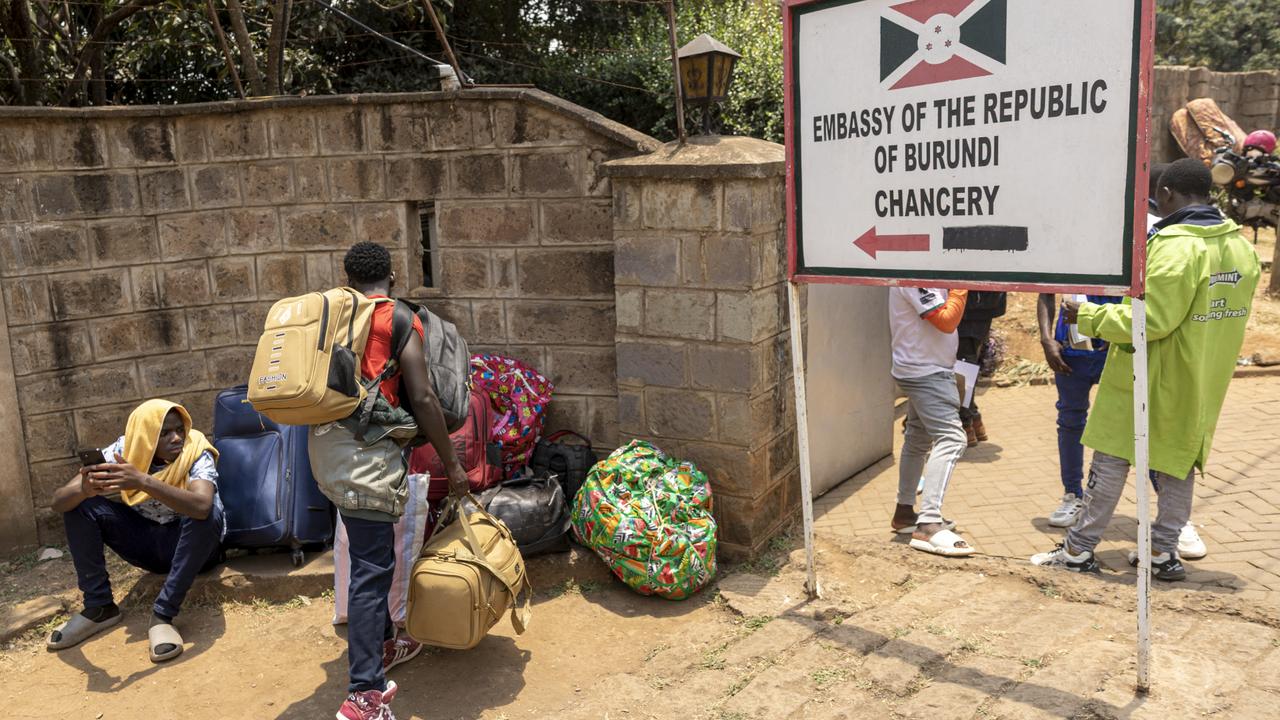
Clutching large brown envelopes, crowds waited for hours outside the Burundi embassy, as suitcases and plastic bags piled up at the compound while many prepared to leave.
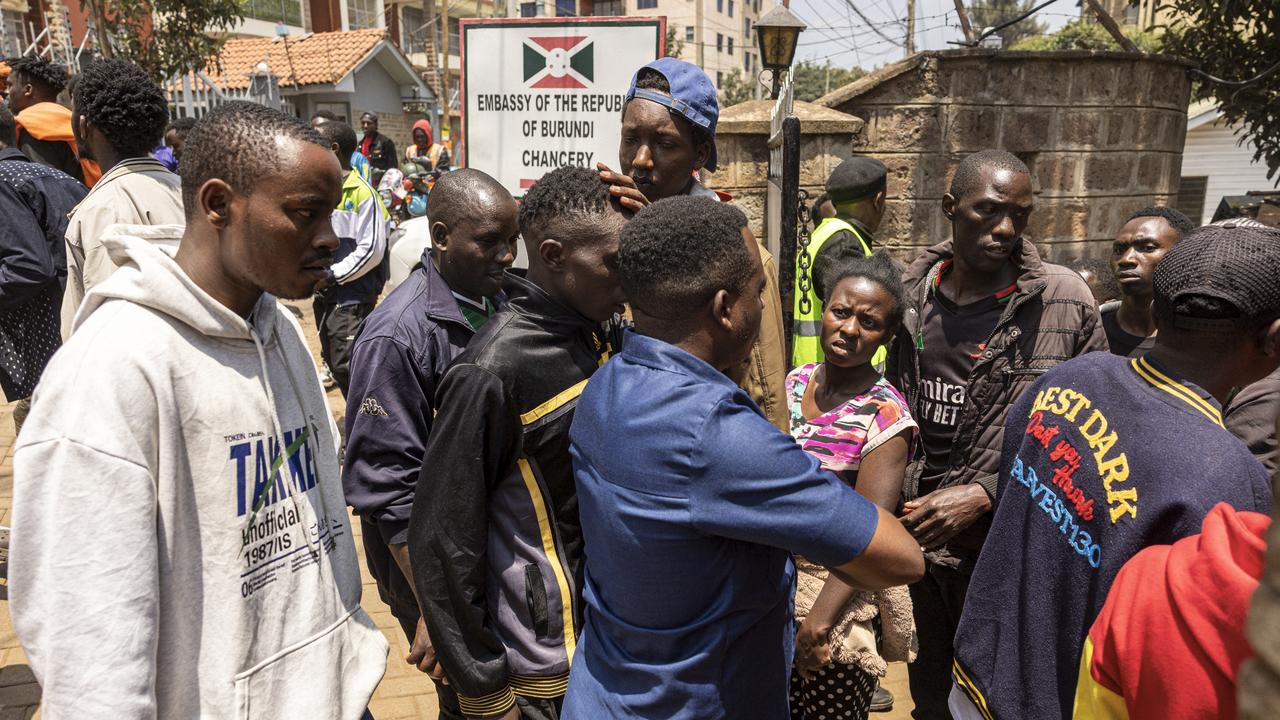
"They've expelled us like animals," Pastor Jean-Baptiste Ndayizeye told Agence France-Presse (AFP).
He said two of his neighbors had been attacked and robbed, comparing the situation to the xenophobic violence in South Africa.
"What South Africans did to foreigners and what Kenyans are doing is the same thing," he said, adding it was unfair they had received no warning.
Another Burundian, Eric Bizimana, who came to Kenya in 2022 after years of unemployment at home, said he had never applied for a work permit due to the high cost.

"They're so sad" to be leaving Kenya, said Philemon Jaika Adamba, a Kenyan motorcycle taxi driver who had driven two Burundians to the embassy. "It's not fair."
Burundi, a country of about 15 million people and one of the world's poorest, belongs to the EAC alongside Kenya, the region's economic powerhouse.
Burundi's foreign minister Edouard Bizimana condemned the "violence against foreigners, particularly Burundians".
"Kenya government is responsible for the lives of Burundians living in Kenya," he posted on X.
Kenya's junior foreign minister Korir Sing'Oei visited the embassy later on Monday, apologized to Burundians and assured them police would protect areas where violence had been reported.
"Because of this lack of understanding, many have been attacked by their neighbours and their friends," he said.
"Our main aim is to know how you are living, where you are, that you have identification, and that your jobs are registered," he added.


 Set as preferred source


 4 min read