Newsletters


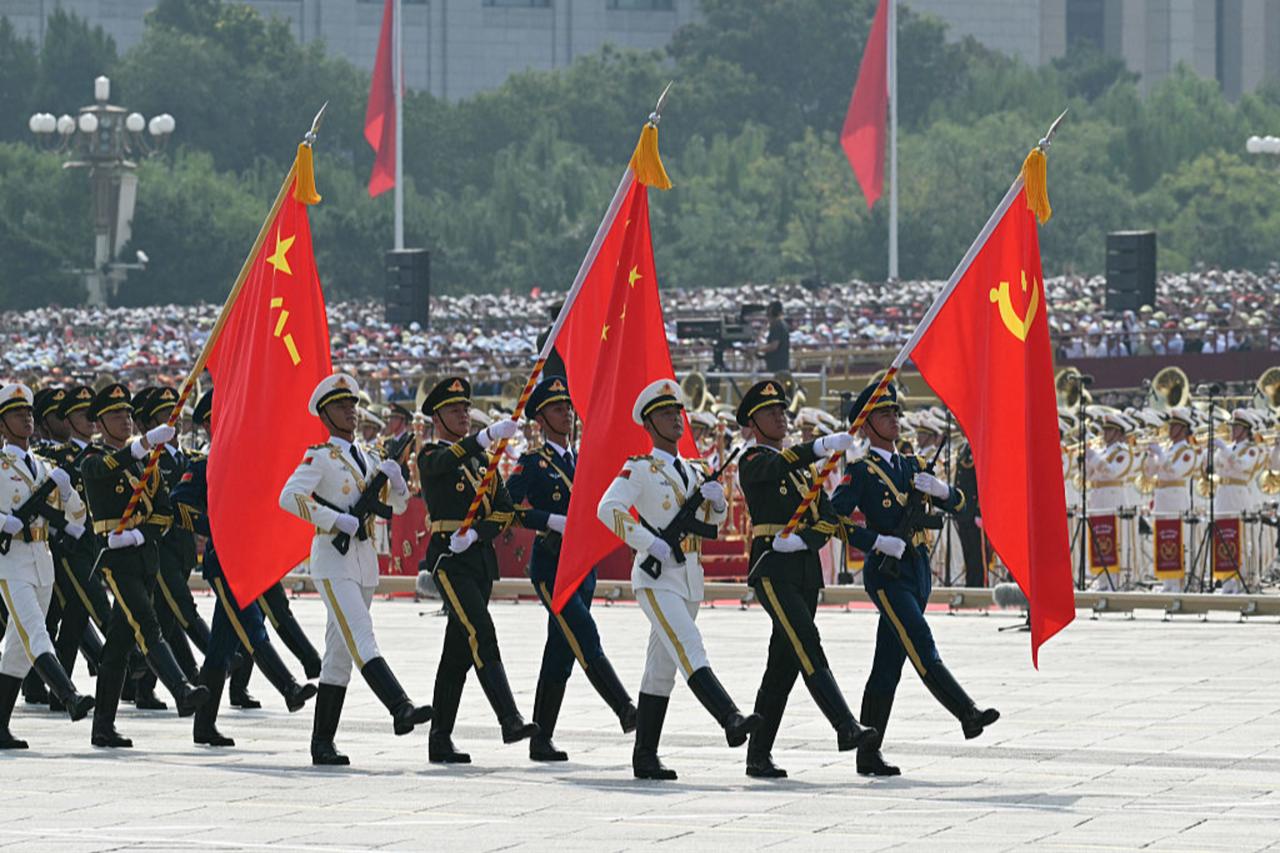


U.S. intelligence indicates China is preparing to deliver shoulder-fired anti-air missile systems known as MANPADs to Iran within the next few weeks, routing the shipments through third countries to conceal their origin, according to a CNN report.
The shipments are expected to be routed through third countries in an effort to conceal their origin, CNN said, citing three people familiar with recent intelligence assessments.
The development that would mark a significant escalation in Beijing's support for Tehran, even as China publicly backed the ceasefire and helped broker it.
CNN cited three people familiar with recent U.S. intelligence assessments as saying Beijing is preparing to transfer MANPADs, shoulder-fired anti-air missile systems, to Iran within the next few weeks.
Two of the sources said there are indications Beijing is working to route the shipments through third countries to conceal their true origin.
MANPADs posed an asymmetric threat to low-flying U.S. military aircraft throughout the five-week war and could again if the ceasefire collapses, the sources said.
Trump indicated at a Monday press conference that the F-15E fighter jet shot down over Iran last week was hit by a "handheld shoulder missile, a heat-seeking missile."
Iran said it used a "new" air defense system to hit the jet without providing further details. It is unclear whether that system was manufactured in China.
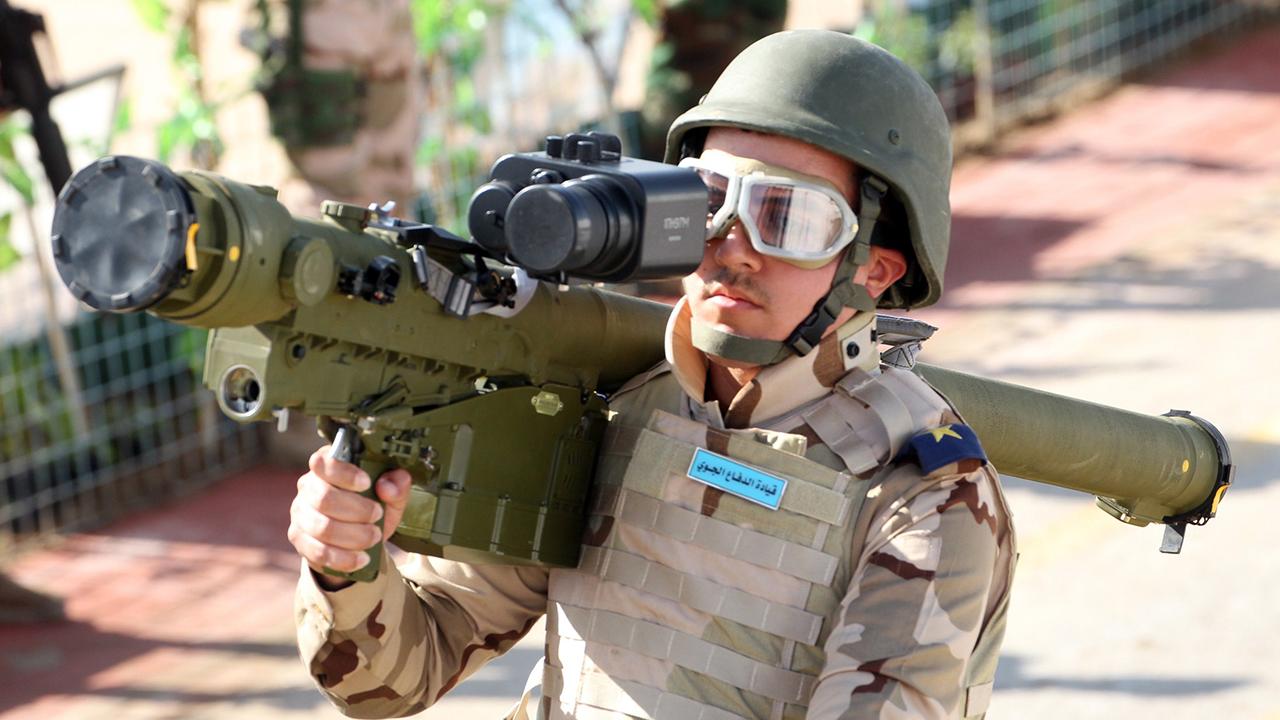

A spokesperson for the Chinese embassy in Washington denied the report outright.
"China has never provided weapons to any party to the conflict; the information in question is untrue," the spokesperson said.
"As a responsible major country, China consistently fulfills its international obligations. We urge the U.S. side to refrain from making baseless allegations, maliciously drawing connections, and engaging in sensationalism; we hope that relevant parties will do more to help de-escalate tensions," the spokesperson noted.
Earlier this week, an embassy spokesperson told CNN that since the war began, Beijing had "been working to help bring about a ceasefire and end to the conflict."
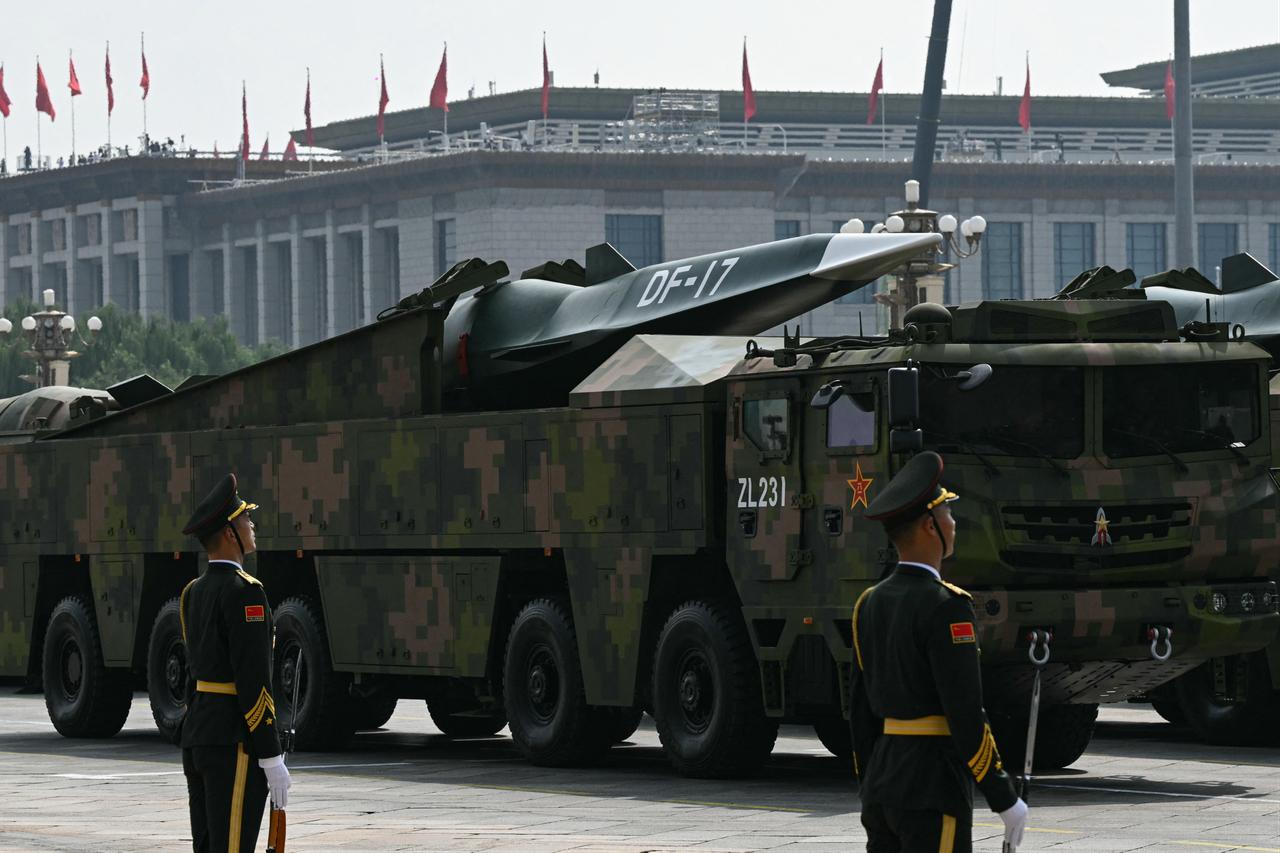
CNN's sources said Chinese companies have continued to sell Iran-sanctioned dual-use technology, enabling it to keep building weapons and enhancing navigation systems.
But a Chinese government transfer of weapons systems directly would mark a new level of assistance, the sources said.
One source told CNN that China sees no strategic value in overtly entering the conflict, which it knows would be unwinnable against the U.S. and Israel.
Instead, Beijing is positioning itself as a continued friend to Iran, whose oil it heavily depends upon, while maintaining outward neutrality for deniability after the war ends.
Sources also said Beijing could argue that air defense systems are defensive rather than offensive in nature, differentiating its support from Russia's.
Moscow has been sharing intelligence with Iran throughout the war to help it proactively target U.S. troops and assets in the Middle East, CNN reported.


 Set as preferred source
 Set as preferred source


 4 min read