Newsletters




The CIA has warned Spain, France and Italy that Russia may be preparing drone attacks against them, sharing intelligence with European governments following CIA Director John Ratcliffe's trip to Moscow in August, Spanish newspaper El Mundo reported, citing sources familiar with the matter.
U.S. intelligence services have gathered information on the Kremlin's escalation plans and shared it with several European governments, according to the report.
"They will use drones launched from the sea, hidden in a ship's container; it's not difficult at all," a source close to Lithuania's Defense Ministry told El Mundo, speaking on condition of anonymity.
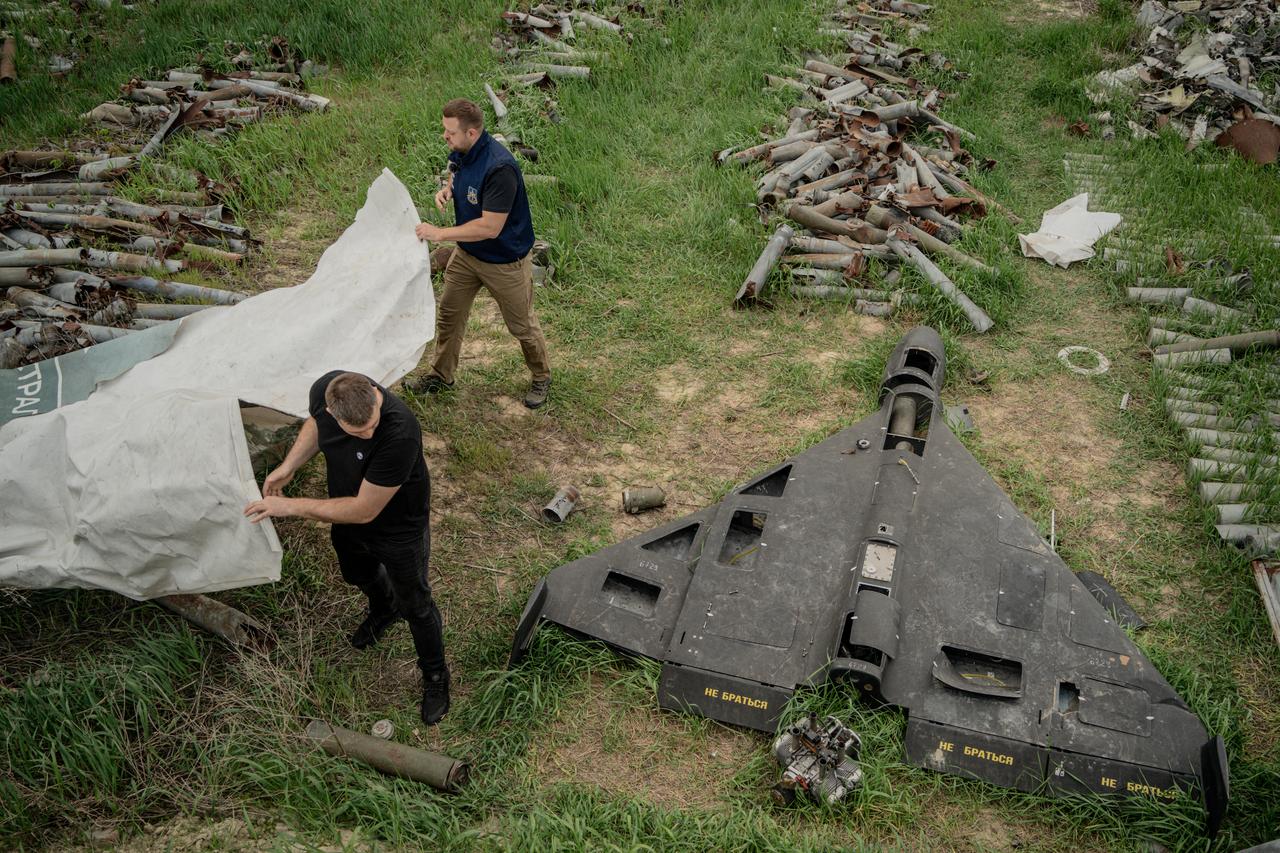
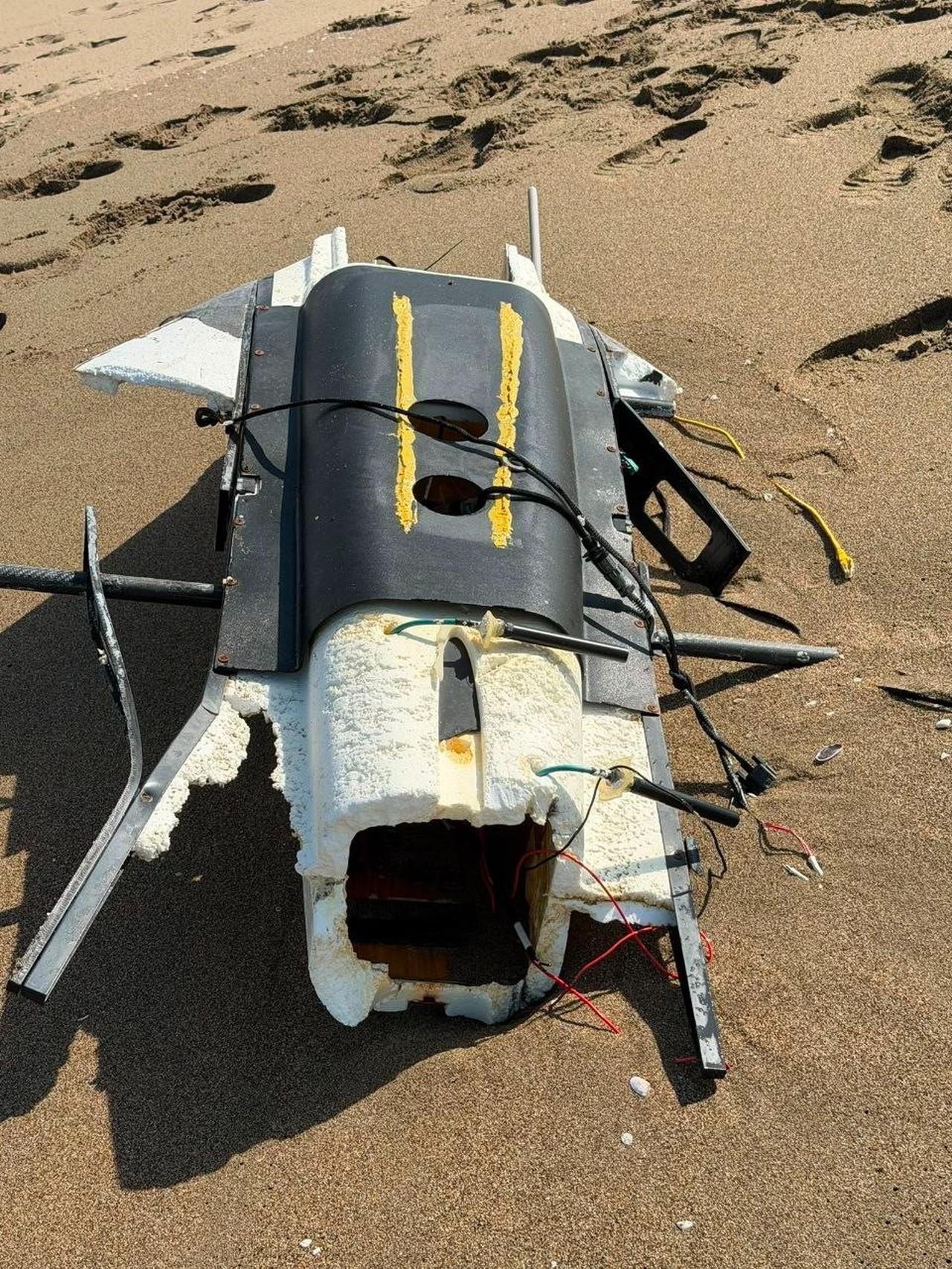
Lithuanian authorities reportedly know the specific drone type Russia could use against Spain, France or Italy: a Gerbera, measuring roughly two meters long with a 2.5-meter wingspan, weighing up to 18 kilograms, reaching speeds of about 160 kilometers per hour, and with a declared maximum range of 600 kilometers, depending on payload and conditions such as wind.
A merchant ship can carry several of the drones, which can be catapult-launched with far less difficulty than larger Shahed or Geran models, according to the report.
Launched from 200 to 300 kilometers offshore, such a drone's flight would last roughly one and a quarter to two hours depending on speed, according to El Mundo.
Its small explosive payload, around four to five kilograms, would not be capable of destroying a large facility but could start a fire, damage exposed equipment, or temporarily shut down a port or airport, with the intended effect being as much political and economic as material.

Lithuania and other countries have reportedly held this intelligence since shortly after Ratcliffe's trip to Moscow on Aug. 25.
Ratcliffe arrived aboard a U.S. military aircraft that had stopped in Riga, in the heart of NATO's Baltic flank; there is no public record of meetings in Latvia, though diplomatic sources in a Baltic country confirmed to El Mundo that they knew of the trip in advance and were later briefed on its content.
The Wall Street Journal and Politico had reported that Ratcliffe traveled to warn Russia against any attack or provocation against NATO.
According to sources familiar with the alert cited by El Mundo, the governments of Spain, France and Italy were also informed that Russia was preparing a possible drone operation against one of those countries. That warning coincides with an unusual response from French President Emmanuel Macron, who convened France's Defense Council on Sept. 16 and, two days later, summoned leaders of all political parties and candidates for the 2027 presidential election to the Elysee Palace.
Several defense analysts consulted by El Mundo confirmed knowledge of a CIA report that has circulated among European foreign ministries, described as unusually precise in detailing the potential attack and one that French officials have treated with significant credibility.
El Mundo's report suggested the three countries were identified partly because all face elections or campaigns in 2027 and have radical political forces capable of exploiting fear and war fatigue over Ukraine, with France and Italy in particular home to political currents seen as closer to Kremlin interests.
French leftist candidate Jean-Luc Melenchon attributed the intensifying Russian threat in Europe to Ukraine's "long-range attacks" on Russian territory, according to the report.
Keir Giles, a British analyst specializing in Russian military strategy who has worked for the United Kingdom's Defense Academy, told El Mundo that Spain's distance from the Russian border does not guarantee its safety.
"It's not necessarily the front-line countries that will be the target. The target will be wherever Europe's weakest point is," Giles said, citing "countries like the U.K. or Spain, which have not invested in integrated air and missile defense systems adequate for the Russian threat" as potentially vulnerable.
He said Russia calculates its targets based on "a continuously shifting equation" weighing potential impact against the risks and resources Moscow is willing to commit, noting: "Russia observes where any action will have the most impact due to a lack of resilience, civil defense, and political fragility."
The concept of ship-launched drone attacks against NATO was flagged a year ago by Ukrainian outlet Defense Express, which described Gerbera drones transported aboard shadow-fleet tankers and launched via catapult from international waters, noting Russian drone manufacturer ZALA, linked to the Kalashnikov arms consortium, had conducted demonstration launches from a moving vessel as early as 2020 and resumed such tests from a stationary maritime platform in October 2024.
There has already been at least one scare in the Baltic: in February, a Swedish naval unit detected a drone taking off from the Russian signals-intelligence vessel Zhigulevsk in the Oresund Strait; Sweden jammed the device and characterized the flight as an airspace violation.
The French aircraft carrier Charles de Gaulle happened to be in Malmo at the time, though the drone stayed more than 10 kilometers away and was not identified.
On Sept. 14, a Russian warship reportedly fired two emergency flares at a Danish military helicopter conducting routine surveillance in international Baltic waters.
"What the Russians want is their own Spider Web," the Lithuanian source told El Mundo, referencing Ukraine's operation in which drones hidden in truck-mounted containers were smuggled deep into Russia, unbeknownst to the drivers, and released near Russian airfields to destroy aircraft.
Baltic intelligence sources reportedly link the increased Russian aggressiveness to the damage Ukrainian strikes have caused to Russia's energy sector.
Poland reportedly possesses similar information, with Prime Minister Donald Tusk warning of possible Russian drone or missile attacks against countries supporting Ukraine, while noting these countries have already demonstrated the ability to stop such operations or identify their perpetrators and sponsors.
Lithuanian Foreign Minister Kestutis Budrys warned: "Russia will not hide. We simply must avoid the consequences."


 Set as preferred source
 Set as preferred source


 2 min read
 1 min read