Newsletters


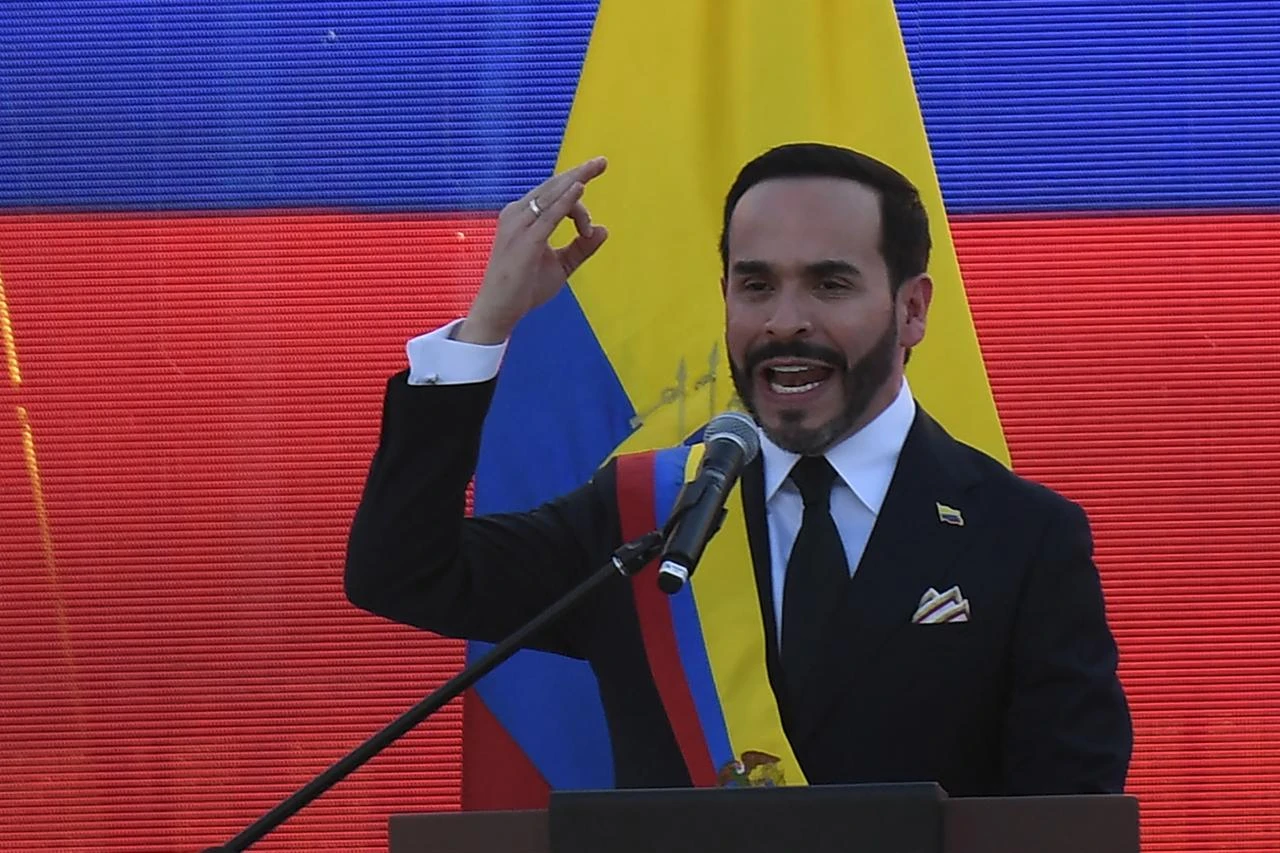


Colombia’s new President Abelardo de la Espriella pledged Friday to restore order, defeat what he called “narco-terrorists” and abandon dialogue with armed groups as he began a presidency expected to bring a sharp shift to the right.
Hours after his inauguration in Cali, the U.S.-backed millionaire flew by helicopter to a military garrison, where he addressed hundreds of soldiers.
“There will be no room for maneuvers that undermine the stability of the nation,” de la Espriella said.
He pledged to “relentlessly defeat narco-terrorism,” adding that “the option of dialogue is completely exhausted,” referring to peace negotiations pursued by the previous administration with guerrilla groups.
The 48-year-old president, who holds both Colombian and U.S. citizenship, said one of his first priorities would be joining U.S. President Donald Trump’s regional anti-cartel alliance, Shield of the Americas.
Later Friday, the U.S. State Department said the Trump administration intended to work with Congress to announce $1 billion in assistance as part of a security package supporting Colombia’s new government.

De la Espriella has proposed allowing U.S. troops on Colombian territory, bombing cocaine laboratories in jungle regions, building “mega-prisons” and reducing the size of the state.
He has also pledged to eliminate coca crops used in cocaine production “by all means” and plans to form a military alliance with the U.S. and Israel as part of his campaign against guerrilla groups.
His proposed “Plan Colombia II” refers to the major U.S.-Colombian security program launched in the 2000s to combat drug cartels and leftist armed organizations.
The original Plan Colombia weakened major armed groups but also generated allegations of serious human rights abuses.
De la Espriella has also backed fracking and plans to cut taxes for wealthy Colombians.
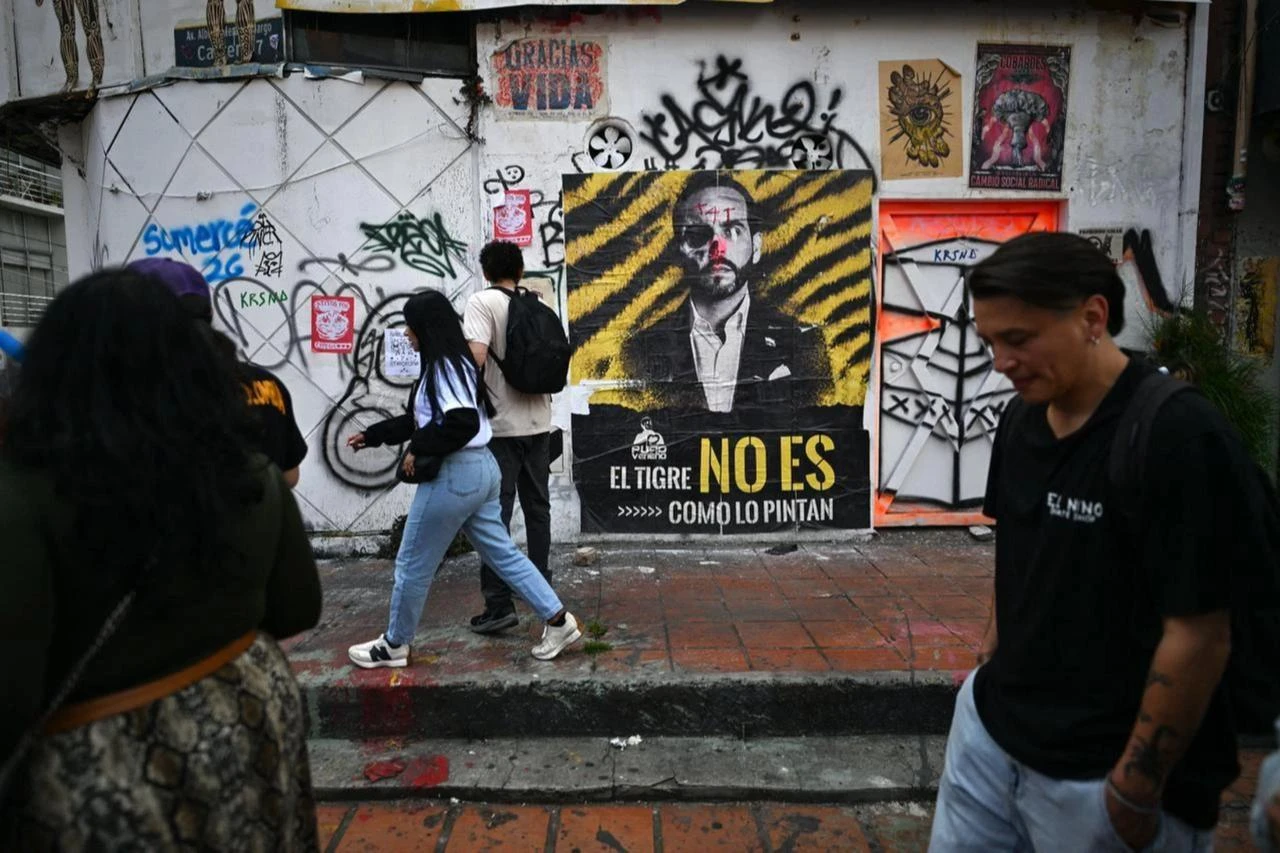
Supporters of the president, who has called himself “The Tiger,” are expecting a tougher approach to crime and dissident armed groups.
“We have to support him so there won’t be so much crime,” said German Angulo, a 63-year-old contractor. “We need a complete change.”
 1 min read
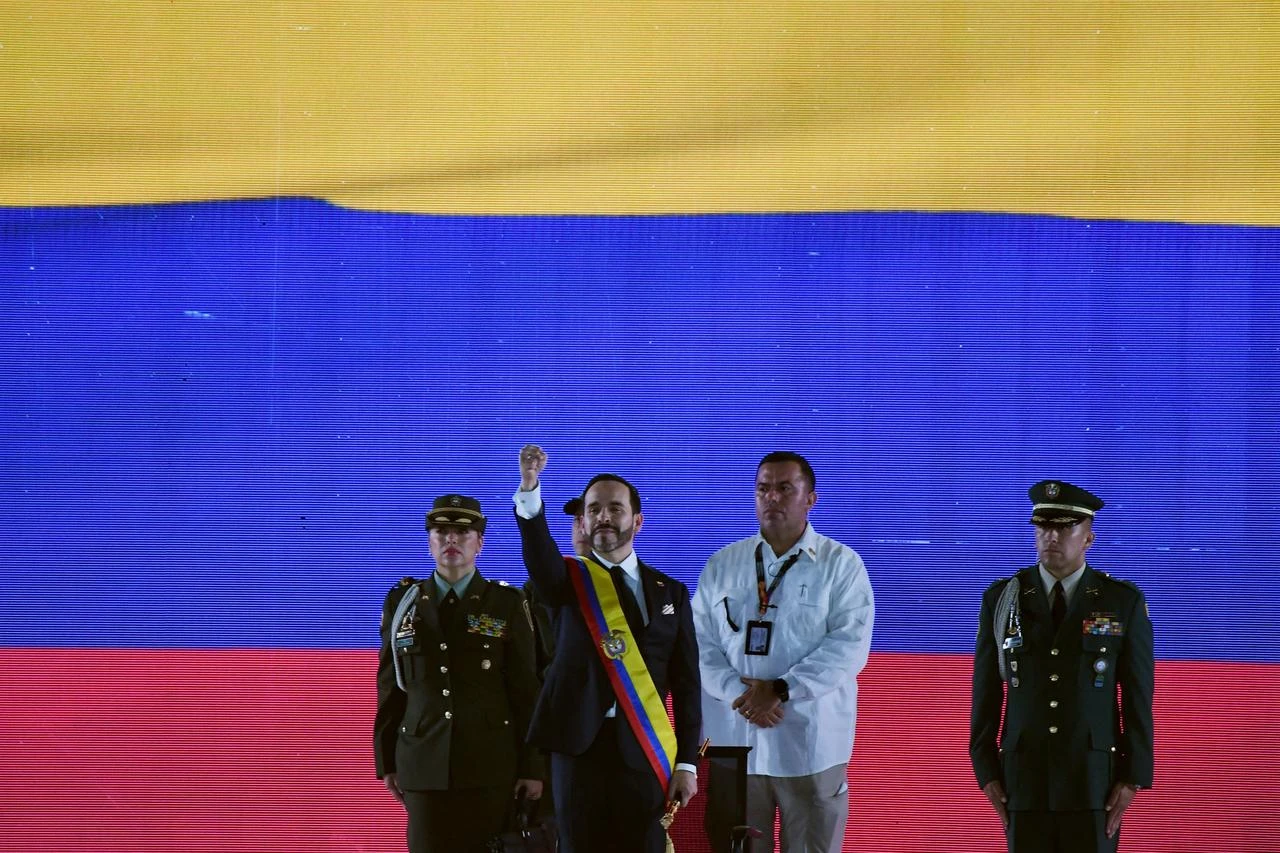
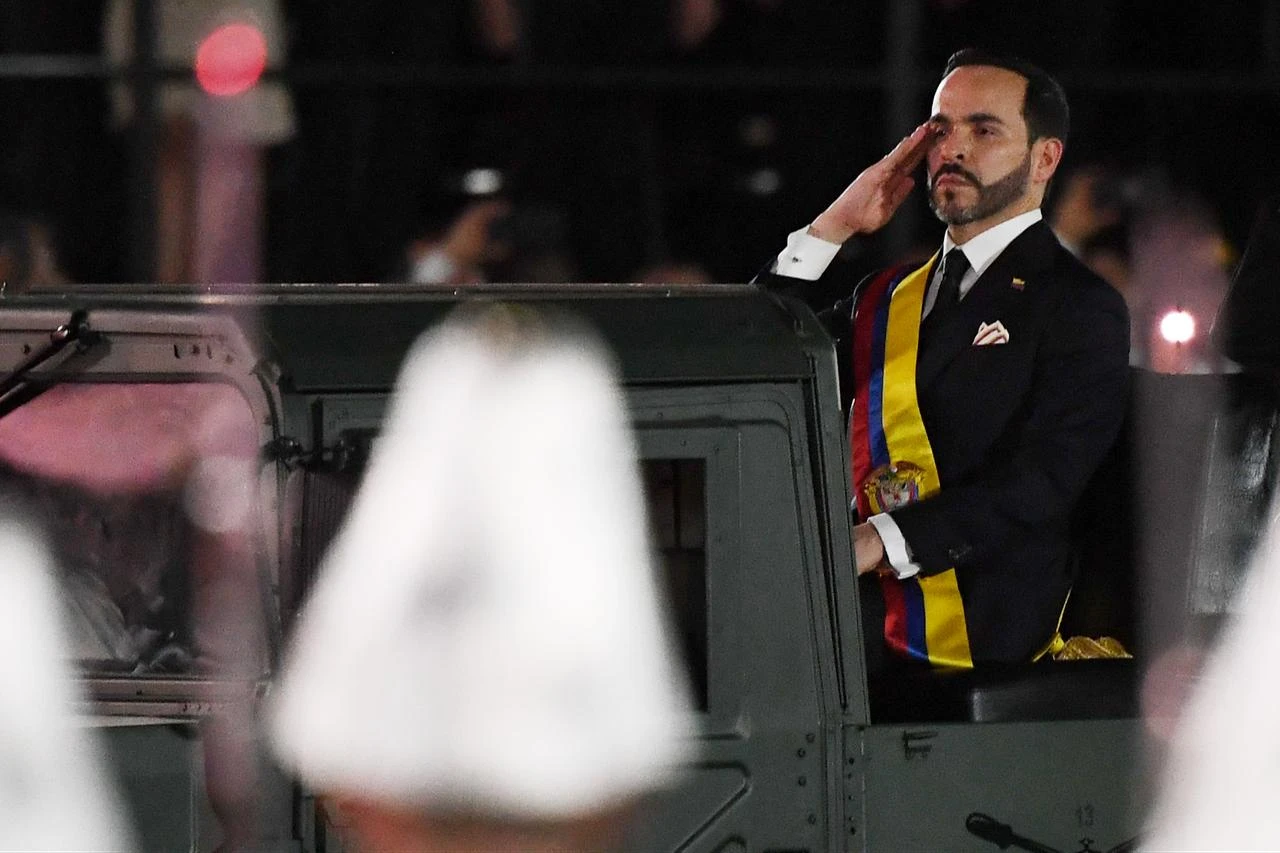
Breaking with tradition, de la Espriella was inaugurated in Cali rather than at Congress in Bogota.
The southwestern city has suffered several guerrilla attacks in recent years, and authorities deployed 11,000 troops and an anti-drone system for the ceremony.
Among those attending were Argentine President Javier Milei and Todd Blanche, Trump’s acting attorney general, who led the U.S. delegation.
FIFA President Gianni Infantino also attended. Infantino has faced criticism over a now-shelved proposal to open the World Cup and other competitions to private investment.
De la Espriella’s leftist predecessor, Gustavo Petro, did not attend the ceremony. Petro earlier left the presidential residence in Bogota saying, “Farewell, freedom and life.”
De la Espriella won the presidency by less than one percentage point, ending four years of Colombia’s first leftist government.
He now faces a divided Congress in which he does not hold a majority.
“This government has a lot to prove. A lot was said during the campaign,” Cali resident Marisol Peira, 46, said.
Petro had sought peace agreements with Colombia’s numerous armed groups but failed to reach lasting settlements.
Experts say groups that were once driven by ideology have increasingly focused on profits from cocaine trafficking and other illicit businesses, and used government truces to expand their operations.
Petro has alleged election fraud without presenting evidence and called for mass demonstrations in major cities Friday.
Hundreds of people protested peacefully in Bogota and Barranquilla.
De la Espriella’s election adds to a series of victories by right-wing candidates across Latin America, from Chile to Costa Rica, where security has been a major campaign issue.


 Set as preferred source
 Set as preferred source


 1 min read