Newsletters


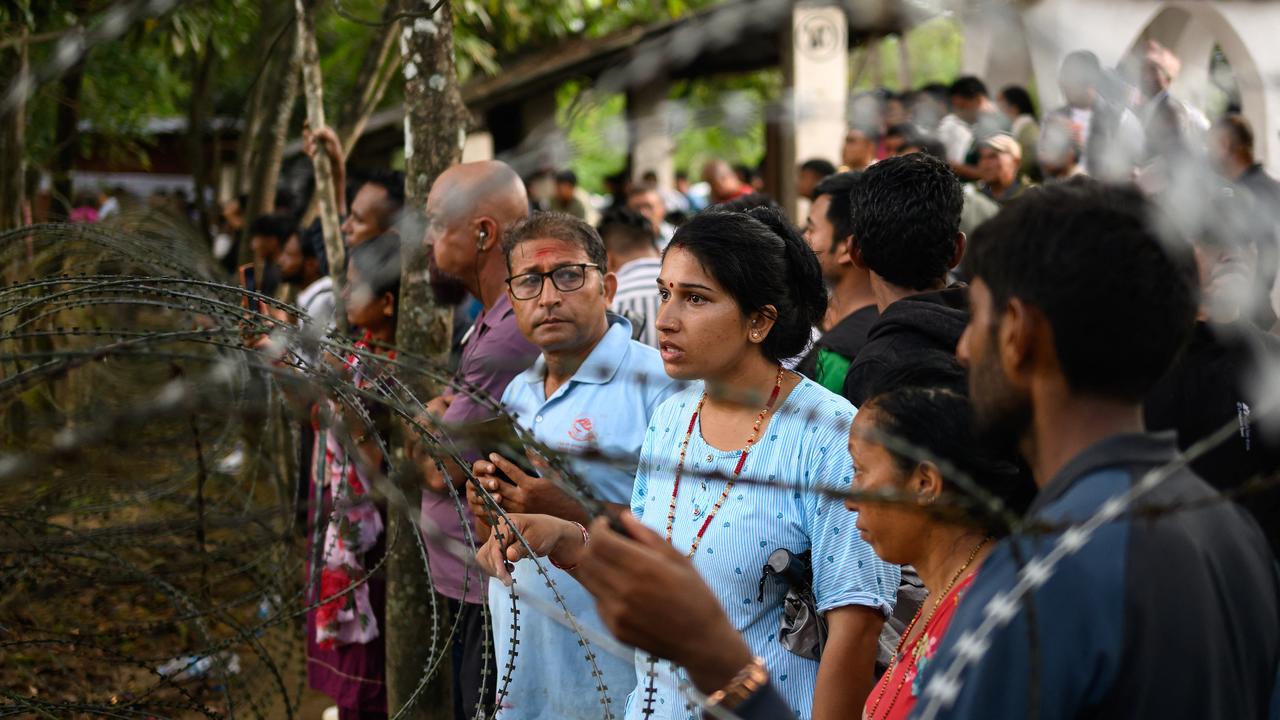
Pilgrims traveled from across Asia to the Himalayas seeking spiritual renewal at Tibet's sacred Mount Kailash, only to find themselves caught in catastrophic floods that tore through the Nepal-Tibet border region on Wednesday, killing more than 470 people and wiping out entire villages.
Sivaranjani Muthunathan, 46, was riding a bus with 56 other travelers from India's southern state of Tamil Nadu toward the Chinese border when the group became stuck in what they initially believed was ordinary traffic congestion.
She later described a sudden onset of fog and smoke that appeared to engulf the vehicles around her, an account she gave alongside a phone video showing a torrent of water surging toward the stranded convoy.

Muthunathan said passengers scrambled out through the driver's side of their bus as other vehicles nearby were swept away or buried beneath mud.
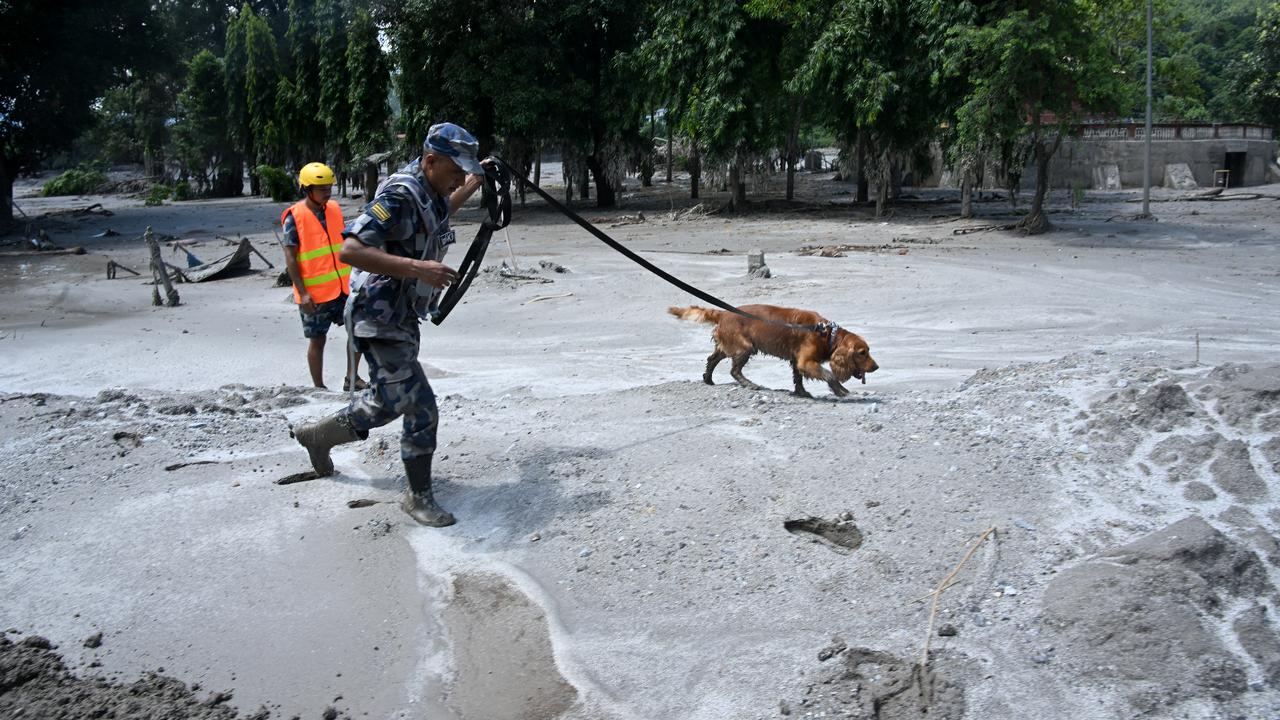
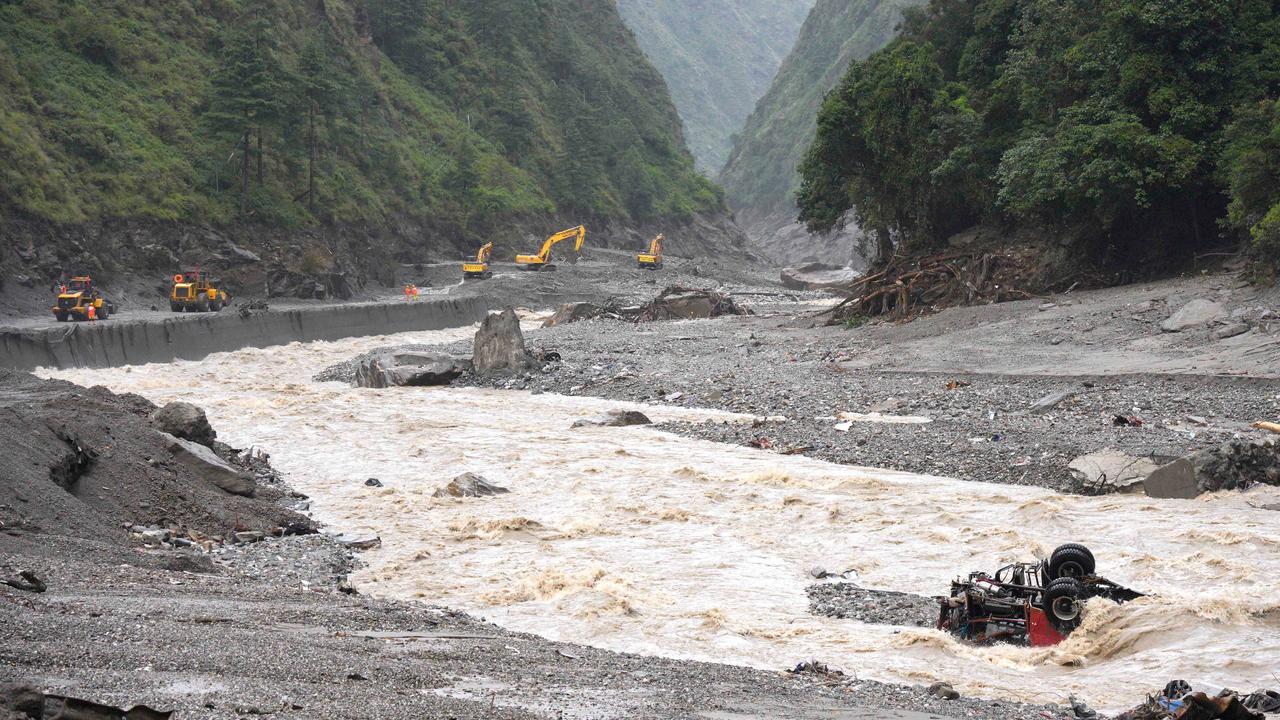
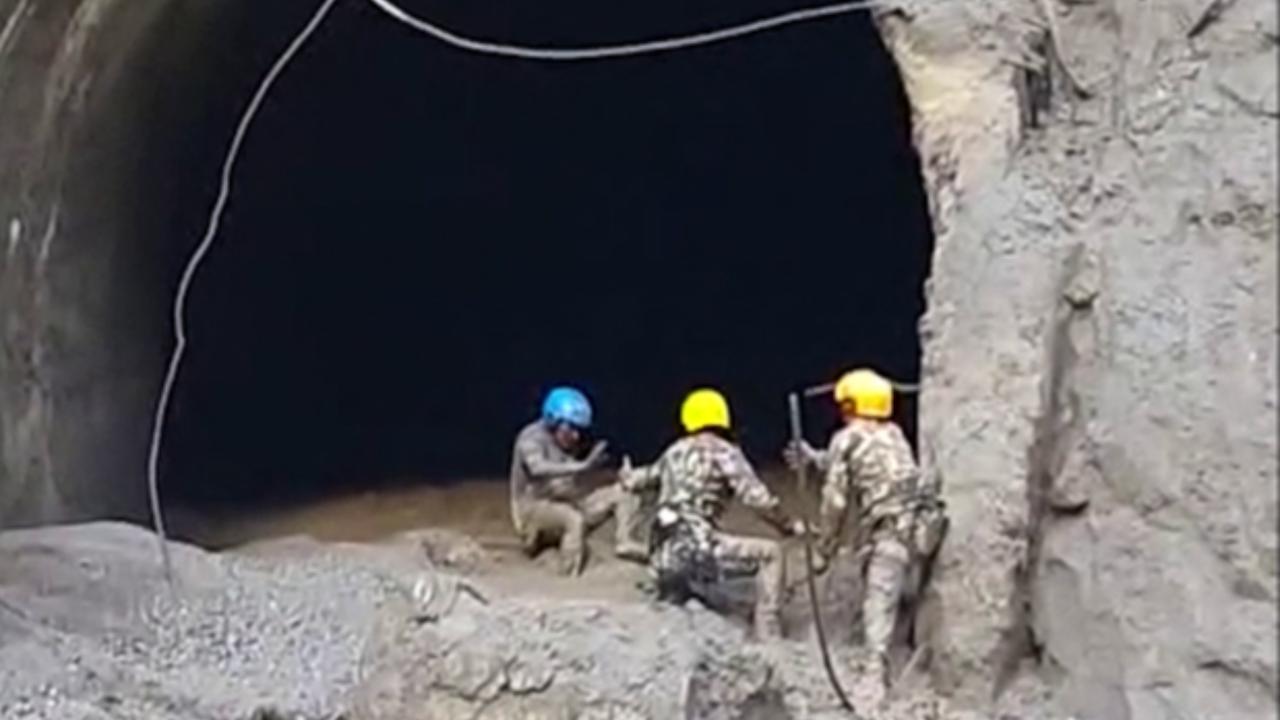
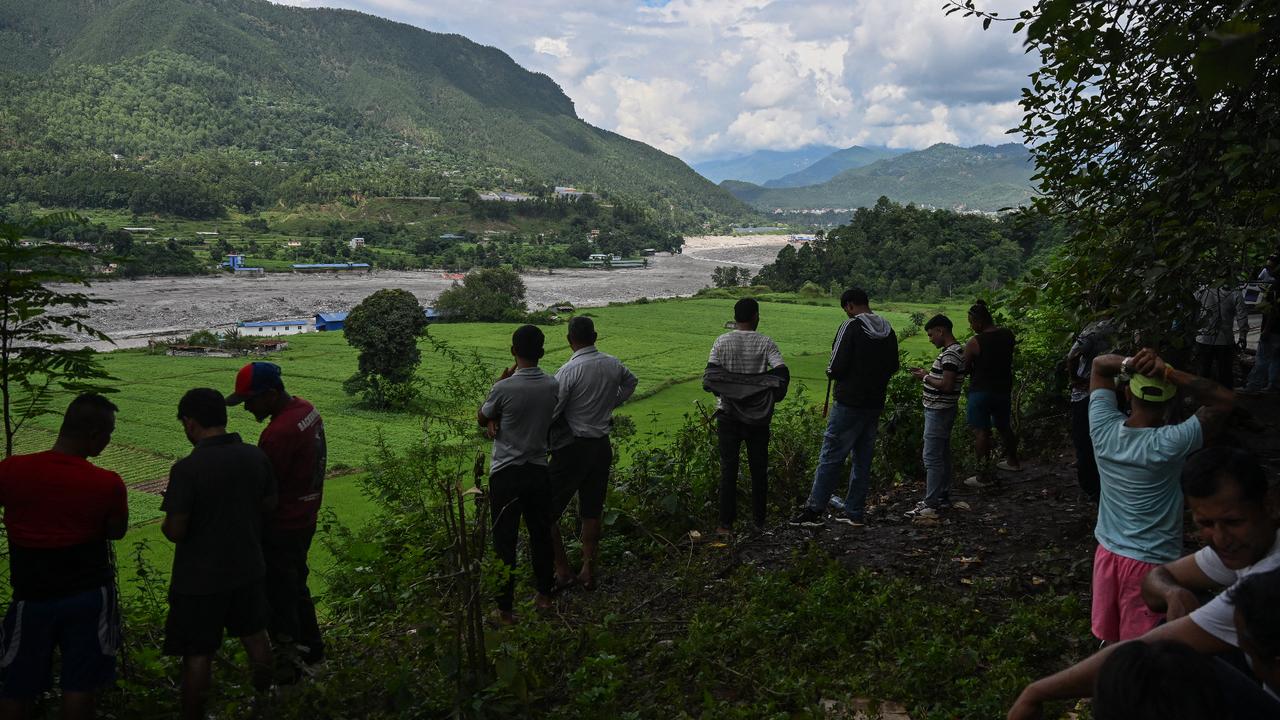
The disaster was caused by a glacial collapse that sent a massive wall of water, ice and debris rushing downstream, burying homes and destroying bridges across the region.
While Muthunathan and several others managed to reach higher ground, not everyone escaped the floodwaters in time.
Mount Kailash, which rises 6,638 meters (21,778 feet), holds deep religious significance for Hindus, Buddhists and Jains, with Hindus regarding it as the abode of the deities Shiva and Parvati and Tibetan Buddhists associating it with Mount Meru, believed to be the center of the universe.
Climbing the peak itself is forbidden, so pilgrims instead complete a contemplative circuit of roughly 52 kilometers (32 miles) around its base, a journey that typically takes about three days on foot.

In a video message posted from Tibet to his several million followers, Sadhguru, an Indian spiritual leader, described making frantic calls to devotees who had gone missing and said that around 77 pilgrims were at the Nepal-China border office when floodwaters tore through the building on Wednesday.

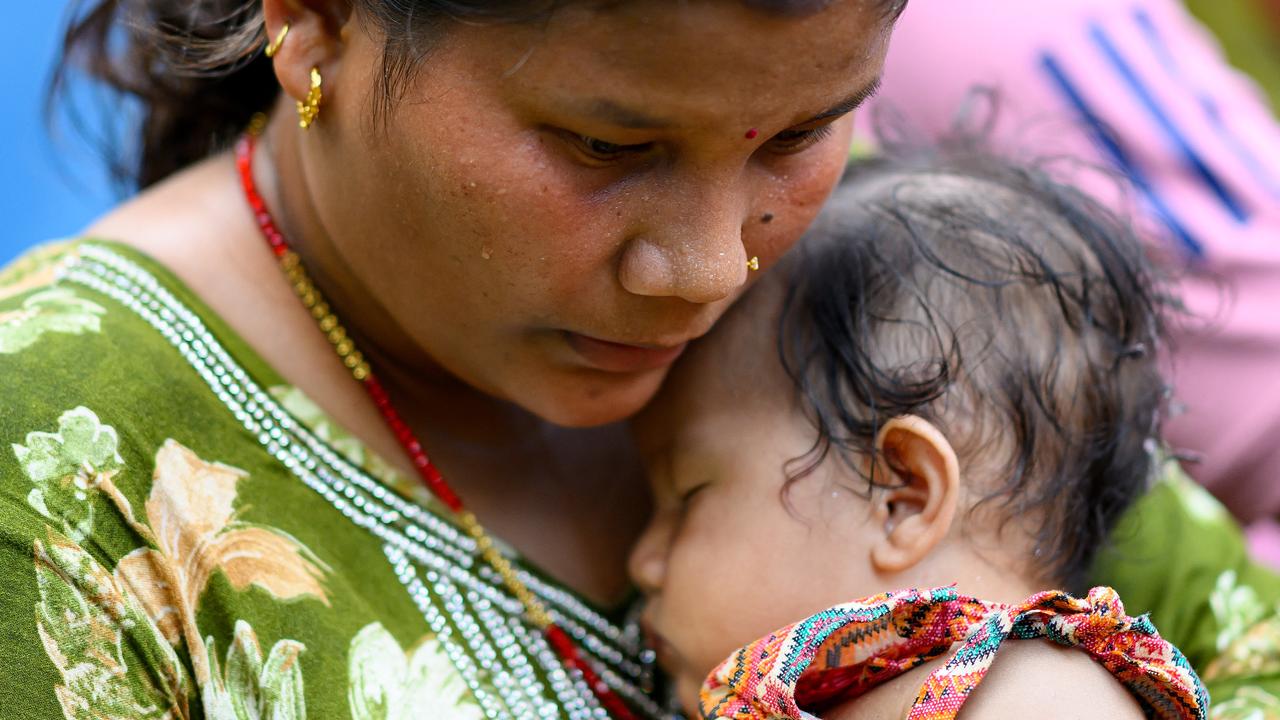
Among those still unaccounted for were four relatives of Logadarrsiny Raman, a 26-year-old from Malaysia, whose parents, aunt and uncle had spent months planning the trip as part of a group of 17 Malaysians traveling with a Nepali tour operator.

Raman said her last contact with her father came through a WhatsApp message sent around dawn in Nepal on Wednesday, after which the family fell silent as the flood struck the area where they were last known to be.


 Set as preferred source


 4 min read