Newsletters


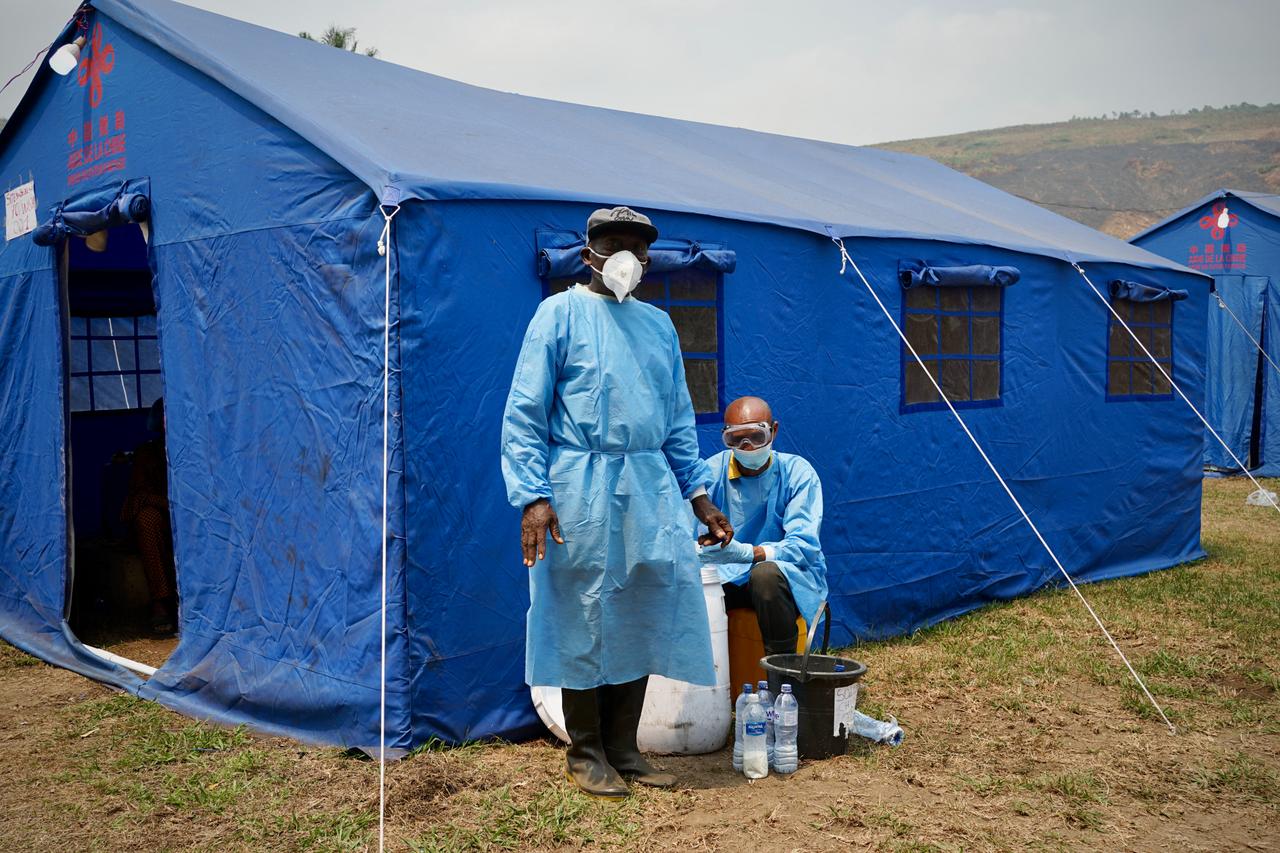


The death toll from the current Ebola virus outbreak in the Democratic Republic of Congo has surpassed 2,800, according to the latest data released Sunday by the country’s health authorities.
Health Ministry data showed the number of confirmed cases had reached 5,945 across six provinces.
At least 1,327 people have recovered, while 896 confirmed patients are currently in isolation or in hospital.
The ministry said the outbreak has affected 60 health zones in Haut-Uele, Ituri, North Kivu, South Kivu, Bas-Uele and Tshopo provinces since it was declared in mid-May.
The World Health Organization (WHO) said the Bundibugyo strain of the virus in Congo continues to evolve rapidly, with sustained transmission.
The rise in cases and wider geographic spread over the past three months represent a “substantial increase” in the scale of the outbreak, according to WHO.
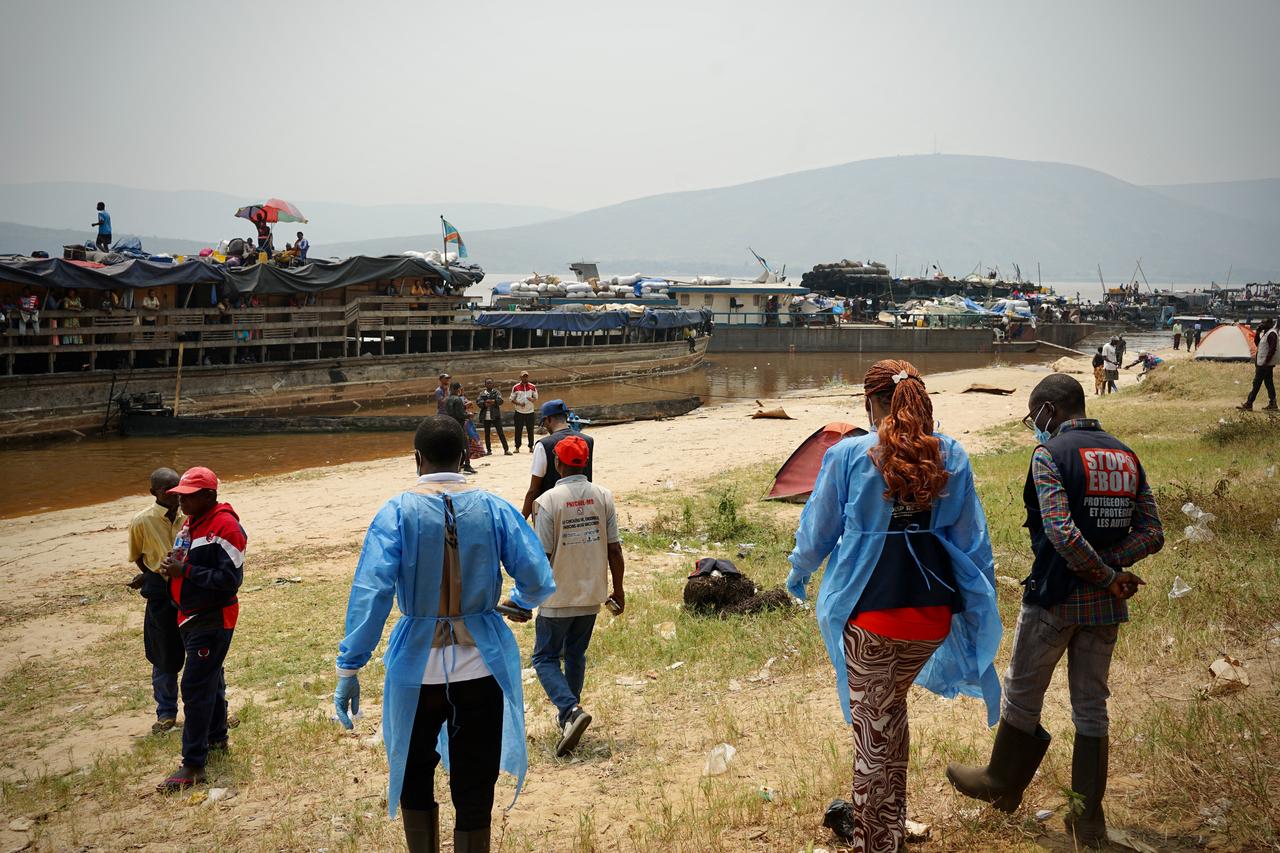

Last week, the government rolled out a vaccination campaign against Ebola, targeting health and frontline workers as authorities struggle to contain its spread.
Richard Kitenge, one of the doctors involved in the response, said containing the virus now depends largely on community involvement.
“We are not going to use magic to defeat Ebola. It is through the support and involvement of the community,” Kitenge told reporters in Ituri.
“When the population respects the prevention measures, collaborates with the teams and does not hide the sick, it allows us to ensure traceability and intervene quickly,” he said.
U.N. Secretary-General Antonio Guterres appealed Thursday for $1.1 billion to fully fund an aid plan to combat the Ebola epidemic in the Democratic Republic of Congo.
The plan, costing $2.1 billion in total, has received a major contribution from the United States, but Guterres warned that “without additional funding, vital operations will run out of money, just when they need to expand.”
He said the program is 48% funded and that “current resources will last weeks, not months.”
“That is why I am appealing for the remaining $1.1 billion,” Guterres said, adding that even more funding would be needed in the future.
The outbreak, driven by the rare Bundibugyo species of the virus, is the biggest in DR Congo’s history.


 Set as preferred source
 Set as preferred source


 1 min read
 1 min read