Newsletters


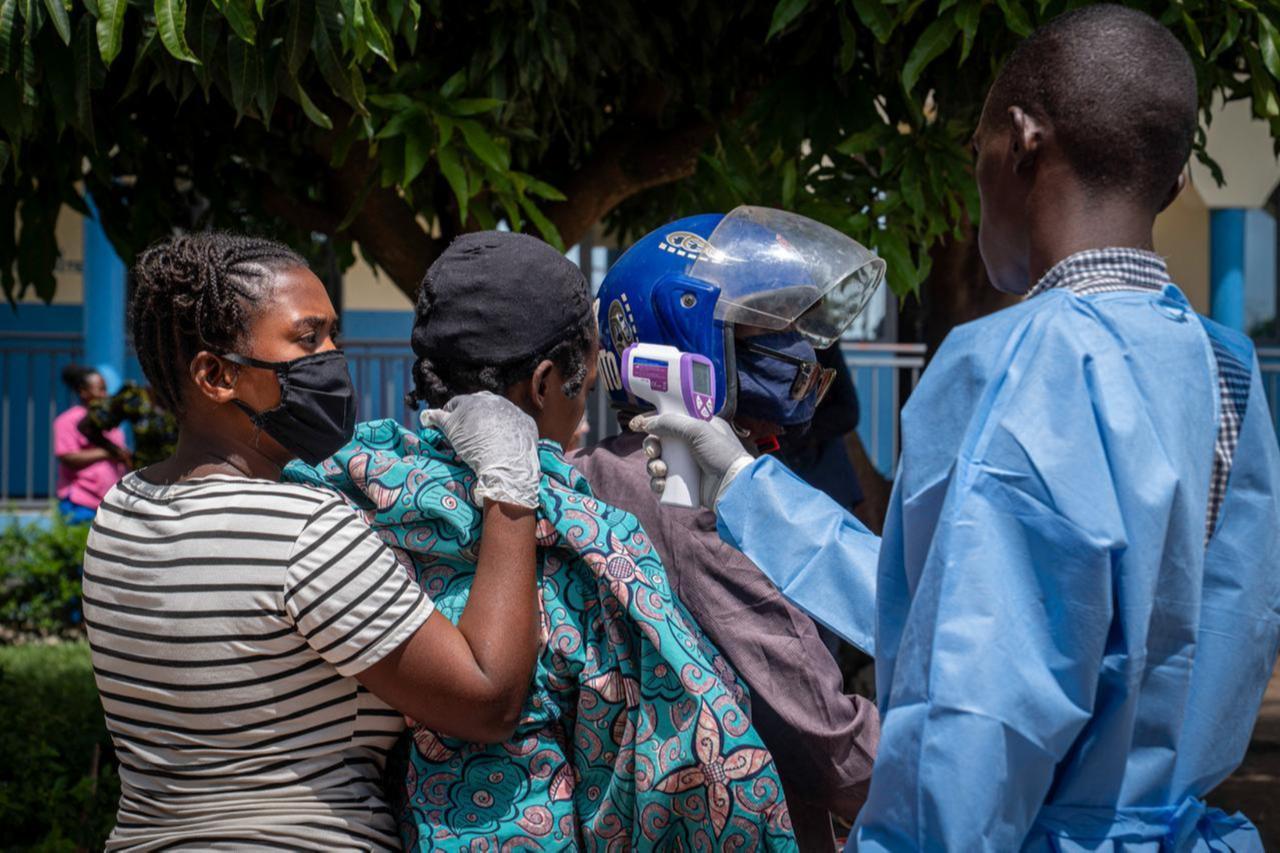


The World Health Organization (WHO) said the Ebola outbreak in the Democratic Republic of the Congo (DRC) has spread to 60 health zones across six provinces, with 5,794 confirmed cases and 2,786 deaths recorded as of Aug. 26.
The figures, published in a new WHO report, put the case fatality rate at roughly 48.1%. "These figures reflect a significant increase in the scale and geographic spread of the outbreak over the past three months," the report said.
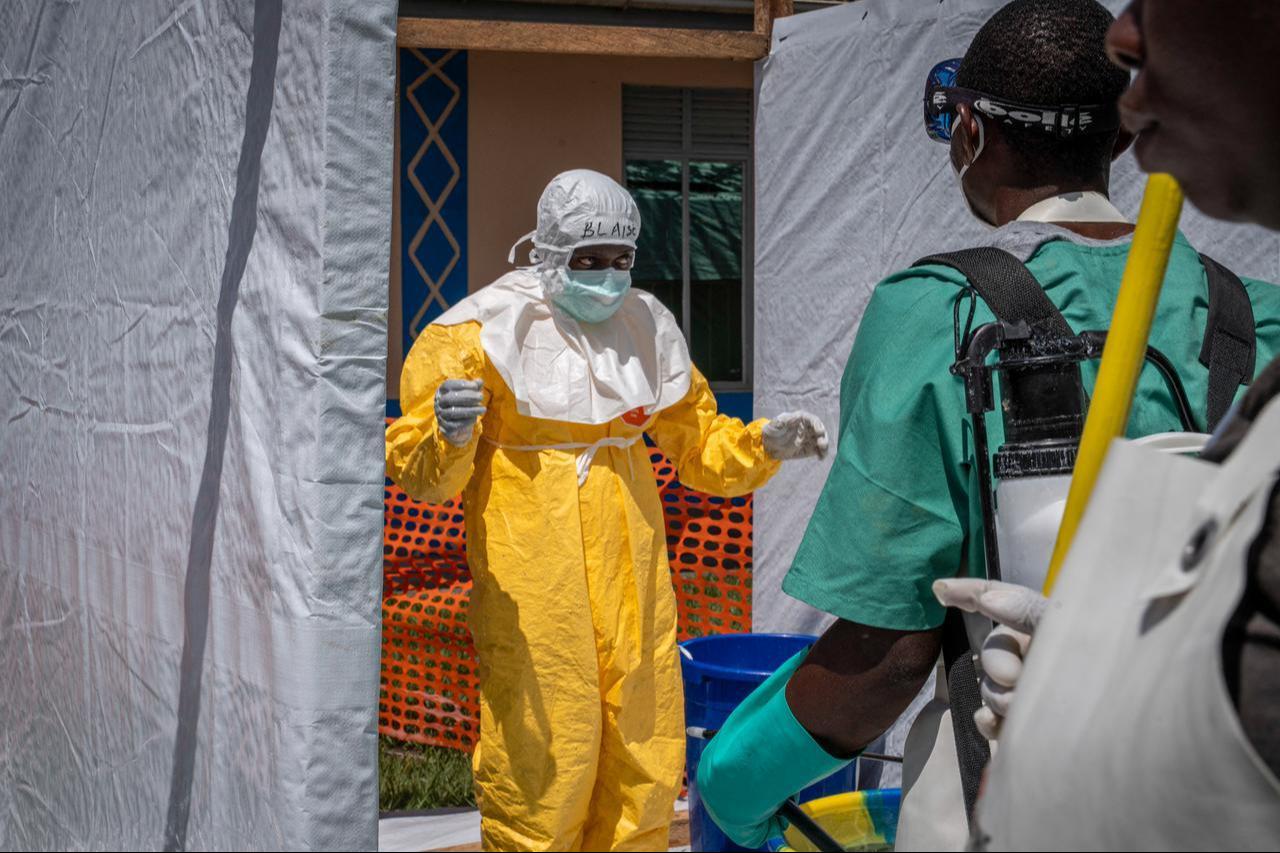

The nearly 48% fatality rate highlights the severity of the disease, the WHO said, pointing to continuing difficulties with timely case detection, access to and quality of clinical care, and effective efforts to interrupt viral transmission.
Delays in identifying cases have increased the likelihood that transmission continues within communities and health facilities, according to the report.
Following a WHO Emergency Committee meeting held Aug. 18, the outbreak remains classified as a public health emergency of international concern (PHEIC).
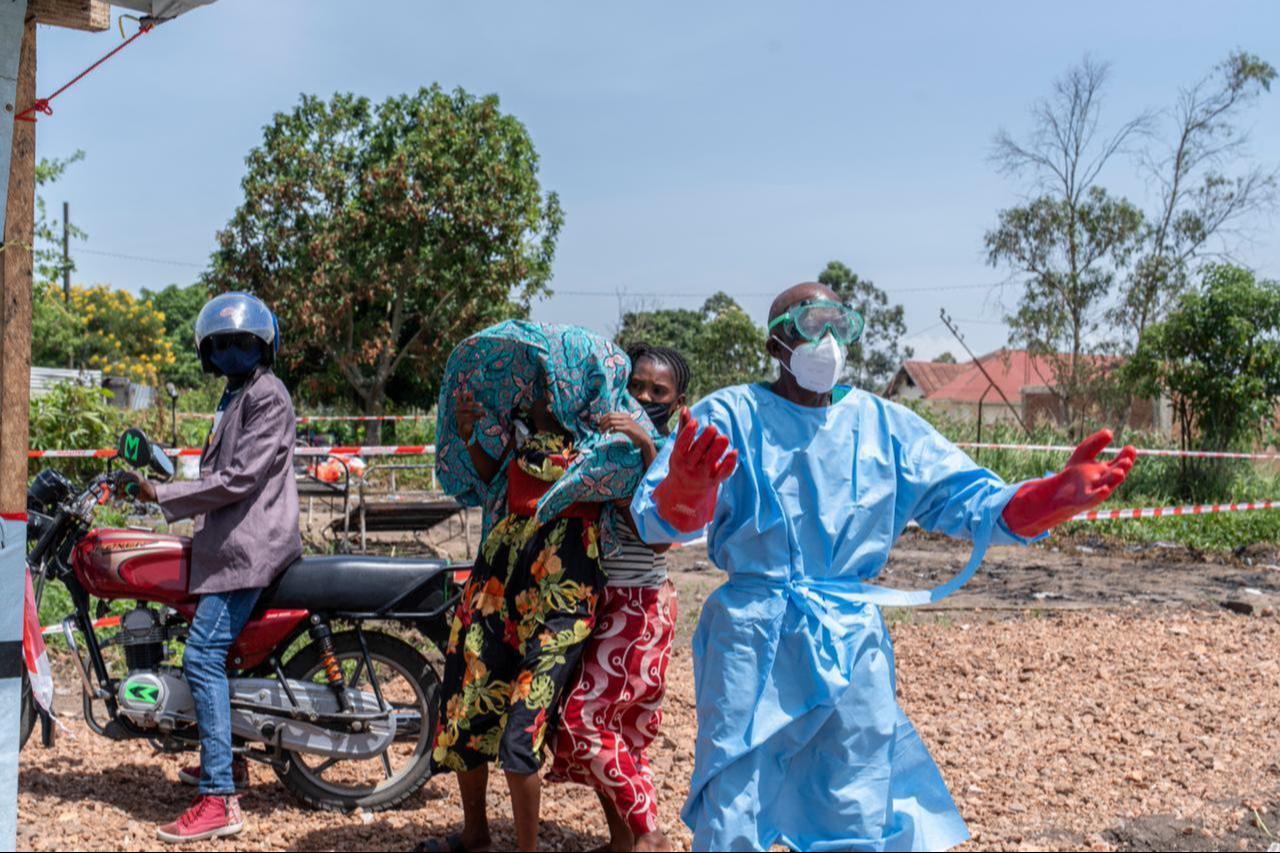
Ebola, a virus that causes hemorrhagic fever, was first identified in 1976 during simultaneous outbreaks in Nzara, Sudan, and Yambuku, DRC. The disease takes its name from the Ebola River, near the village in the DRC where that outbreak began.
The virus reemerged in West Africa in December 2013. An outbreak in Guinea, Liberia and Sierra Leone between 2014 and 2017 infected an estimated 30,000 people and killed more than 11,000.
The current outbreak was declared in the DRC on May 15 after 246 suspected cases and 65 deaths were reported in Ituri province, in the country's northeast.
Health officials have said there is no approved treatment or vaccine against the Bundibugyo Ebola variant responsible for the outbreak, which began in May.


 Set as preferred source
 Set as preferred source



 4 min read