Newsletters




The ongoing war in Iran is rapidly reshaping regional trade and transportation routes. As instability spreads across the Gulf and surrounding areas, countries and companies are increasingly looking for alternative corridors capable of maintaining reliable flows of goods and transit.
The Strait of Hormuz is not the only route that is threatened. On Wednesday, a senior Iranian military official warned that Tehran could extend its maritime campaign to a second strategic waterway, the Bab el-Mandeb strait, if the United States makes what he described as a "strategic mistake."
Amid prevailing volatility, however, one route gaining renewed strategic relevance is the Trans-Caspian International Transport Route, widely known as the Middle Corridor, which runs through Türkiye and the Caucasus.
For years, the corridor had been promoted as an alternative to traditional Eurasian routes, but the current conflict can accelerate that process.
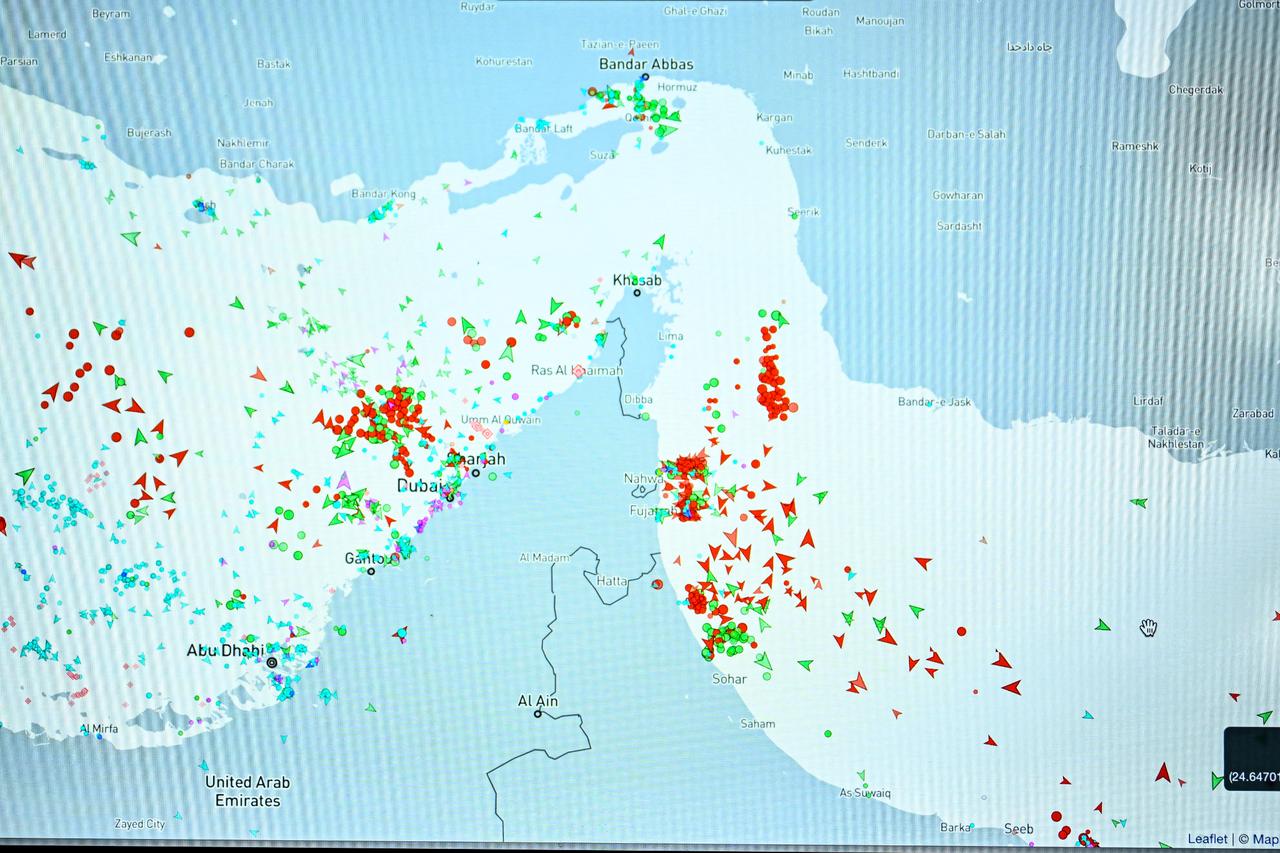
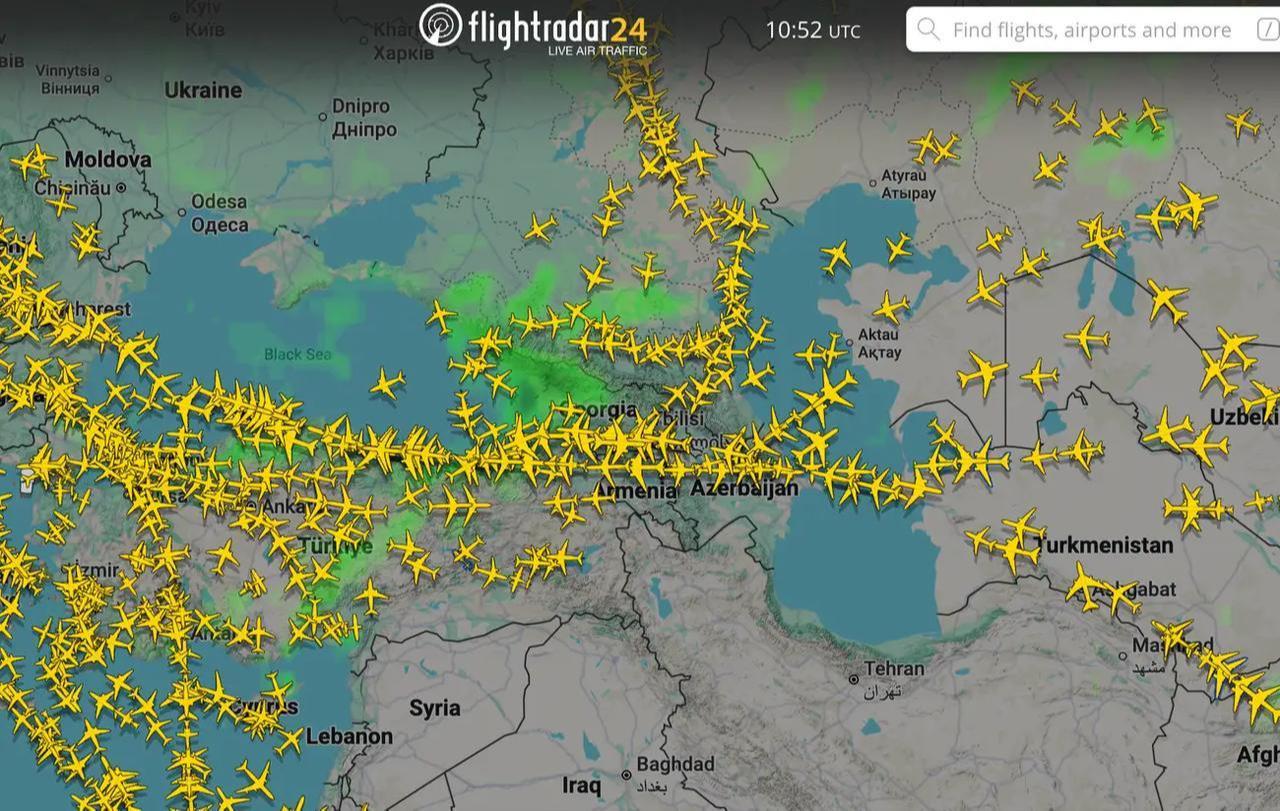
“One only has to look at publicly available commercial flight tracking services to see the impact of the current conflict,” says Hudson Institute senior fellow Luke Coffey.
“A glance at the concentration of aircraft icons diverted away from their usual routes up and down the Gulf and instead rerouted through the South Caucasus and over the Caspian Sea illustrates how quickly global aviation patterns can change in response to instability. Airlines, insurers, and shipping companies are making real-time calculations about risk.”
However, Ankara faces a strategic trade-off. While regional developments may catalyze a trade surge on one side, they simultaneously threaten the viability and financing of a core Turkish regional initiative.

The Middle Corridor’s strategic value now extends beyond cargo and logistics, having evolved over the past week into a vital humanitarian artery.
Drone and missile strikes in the region have periodically forced the closure of airspace and disrupted civilian aviation around Iran and the Gulf. With commercial flights diverted away from the conflict zone, neighboring countries connected to the broader corridor have stepped in to facilitate evacuation routes.
Armenia, Azerbaijan, Turkmenistan and Türkiye have allowed foreign nationals to transit through their territories as part of evacuation operations in many cases.
Beyond the immediate role, the conflict may produce longer-term changes in how companies move goods across Eurasia.
The Middle Corridor’s appeal stems partly from the risks now facing other transit routes. “Now, to the south of the Middle Corridor, the relentless air campaign and subsequent fighting over Iran make both air and ground transport in the region increasingly dangerous,” Coffey explains.
“Add to this the recurring Iranian threats to the Strait of Hormuz and the ongoing disruptions caused by Houthi attacks in the Bab el-Mandab Strait and it becomes clear why the Middle Corridor’s appeal has grown.”
“In the medium term, the Middle Corridor will likely become an even more important route for moving goods, especially if the Gulf and other regional transit routes continue to be disrupted by fighting,” he adds.
For Türkiye, which serves as the western gateway of the corridor, this shift could translate into greater logistical and geopolitical relevance in Eurasian trade.
Reinforcing the idea, Armenian Prime Minister Nikol Pashinian said Thursday in his European Parliament speech that “Armenia has no plans to delay the implementation of the Trump Route for International Peace and Prosperity (TRIPP).”
Yet the same regional instability that strengthens the Middle Corridor could complicate another major infrastructure initiative backed by Ankara.
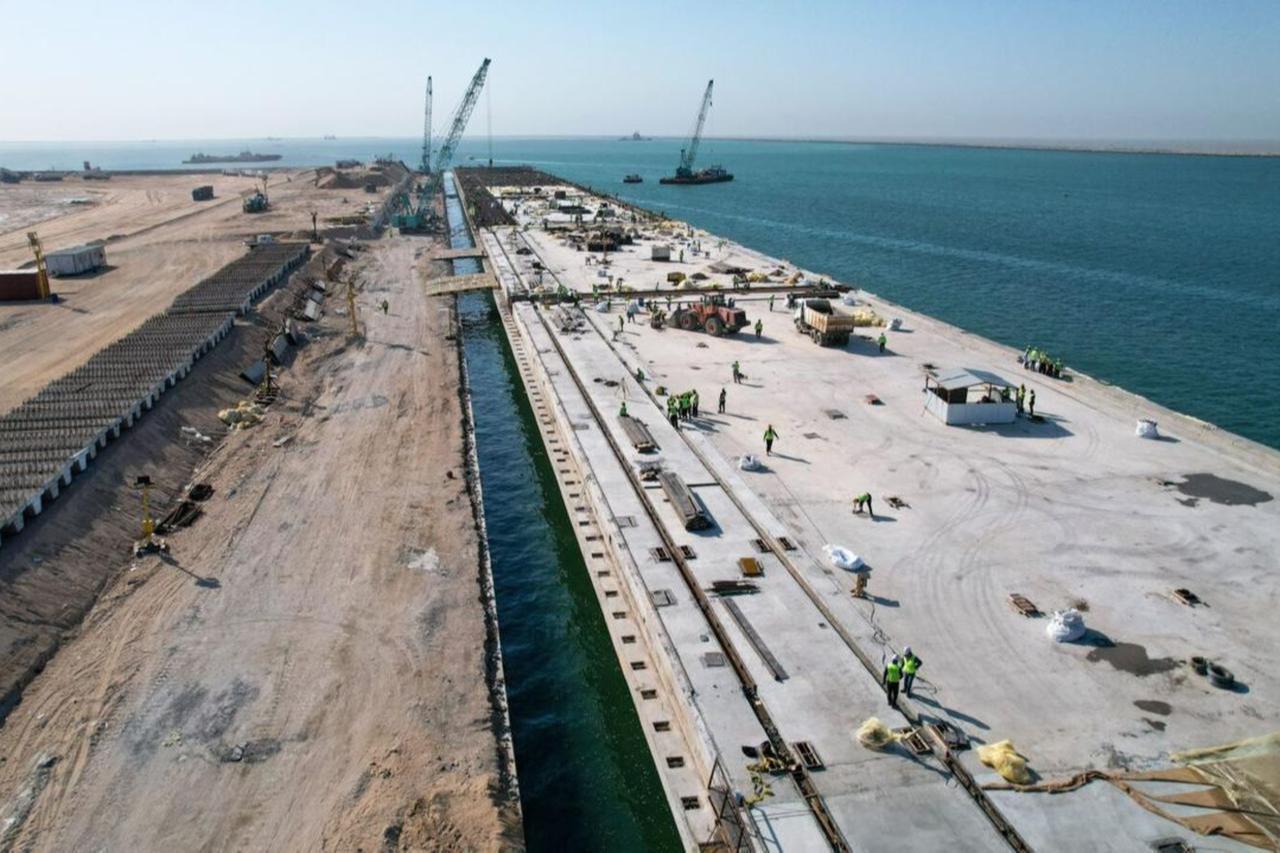
The $17 billion Development Road project aims to connect Iraq’s southern port of Al-Faw to Türkiye and ultimately to European markets. Designed as a major logistics corridor linking the Gulf to Europe, the project has attracted financial backing from Gulf states, particularly the United Arab Emirates and Qatar.
However, the regional environment that made such investments attractive may now be changing.
The primary concern may not be physical security along the route itself but the psychological calculations of investors. Large-scale infrastructure projects require long-term stability, and Gulf financiers tend to prioritize predictable political conditions before committing large amounts of capital.
Last week, the Financial Times reported that Gulf states may begin reassessing their foreign investments and future financial commitments as they look for ways to manage growing budget pressures in the wake of the military campaign against Iran.
The Zangezur corridor, now renamed the “Trump Route for International Peace and Prosperity” after the US president brokered a peace deal between Armenia and Azerbaijan, is not immune to the Iranian threats.
While not entirely disrupting the Middle Corridor, any potential development remain a critical variable in advancing the route’s strategic expansion.
Tehran, which has long viewed the Zangezur or TRIPP route as a strategic threat, may now escalate militarily as part of its broader regional disruption strategy.
However, should the Trump administration extend its security umbrella to the route as it is the one which has the record of brokering peace, the project’s commercial potential could finally materialize.
On those aspects, the conflict surrounding Iran therefore presents a mixed outcome for commercial lifelines that cross over Türkiye. While the Middle Corridor is emerging as a major beneficiary of shifting trade patterns, other ambitious connectivity project the Development Road may face new strategic and financial uncertainties.


 Set as preferred source
 Set as preferred source


 4 min read