Newsletters


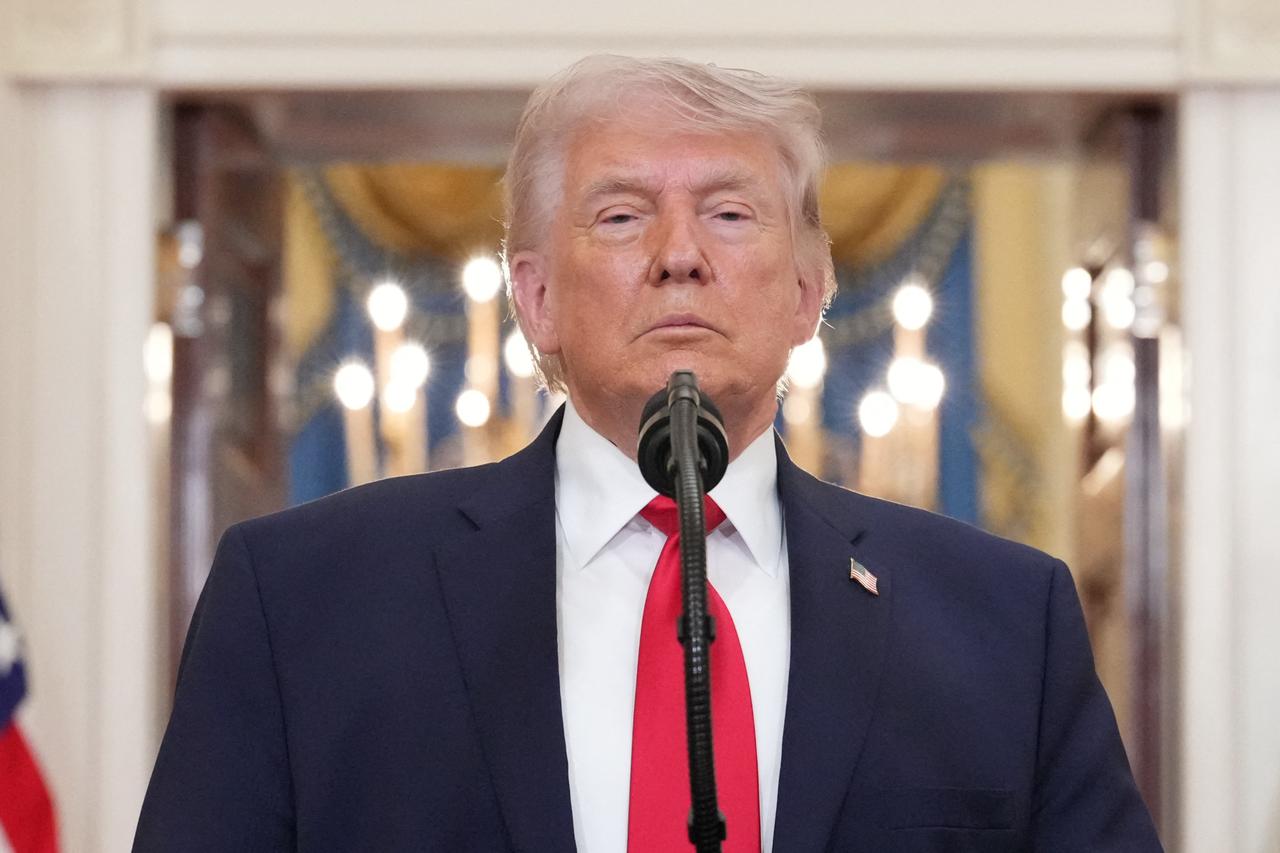


U.S. President Donald Trump told TIME Magazine that Israel will follow his orders to halt fire when he decides to end the Iran war, declaring, "they'll do what I tell them."
Even as a detailed account of his wartime decision-making reveals a White House rattled by Iran's unexpectedly fierce retaliation, mounting economic pain and a president searching for a way to declare victory before political damage sets in.
"They'll do what I tell them," Trump said of the Israelis.
"They've been a good team player. They'll stop when I stop. They'll stop unless they're provoked, in which case, they'll have no choice, but they'll stop when I stop," he added.
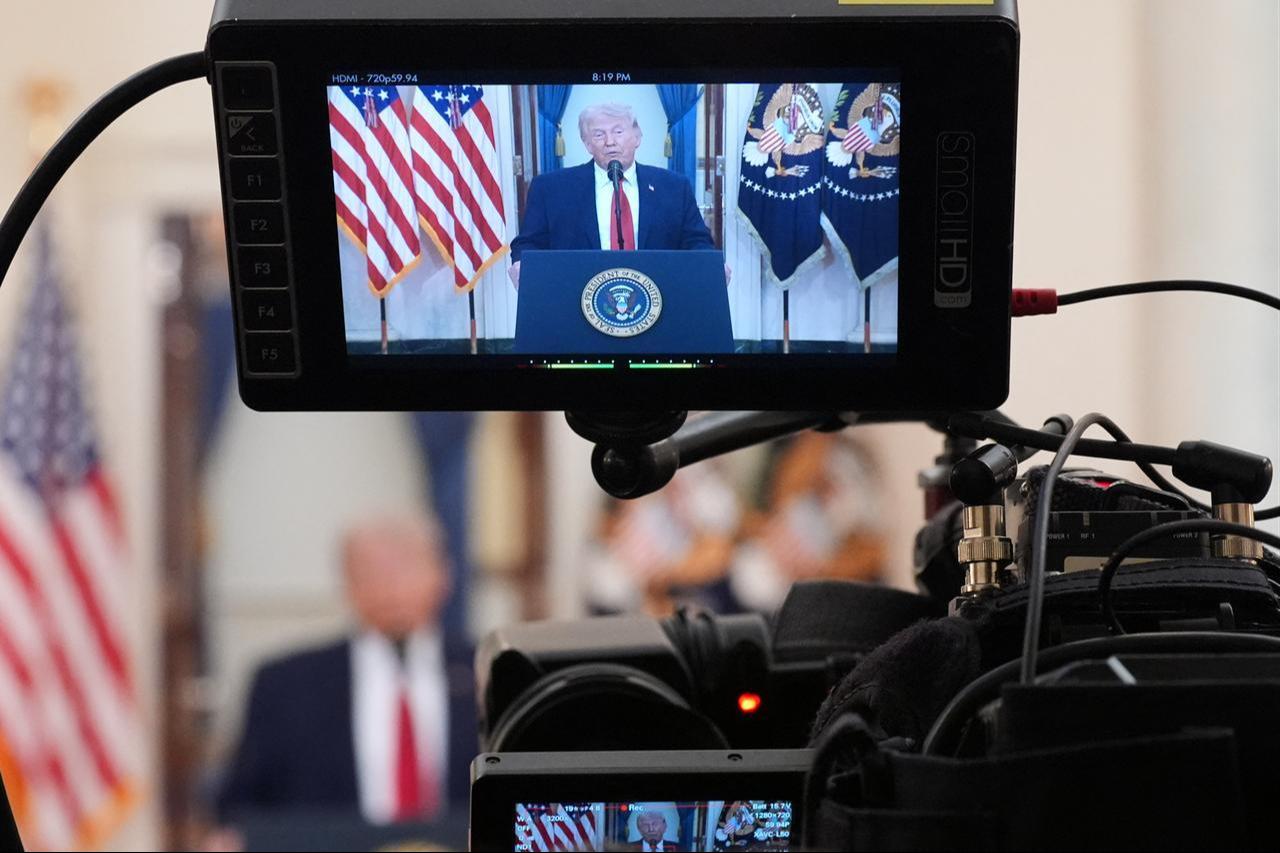

The TIME account reveals that Defense Secretary Pete Hegseth was surprised by the breadth of Iran's retaliation, which included strikes on U.S. and Israeli targets across Kuwait, Bahrain, Saudi Arabia, the UAE and Qatar, countries long assumed off-limits.
"He was expecting the Iranians to fight back in some form. When they started attacking virtually the entire region, it sort of hit him like, 'Whoa, we're really in this now,'" said a person familiar with Hegseth's thinking.
The Pentagon disputed the account. "Long before Operation Epic Fury launched, we had already anticipated, war-gamed, and fully prepared for every possible Iranian response," spokesman Sean Parnell told TIME.
The administration also appeared surprised when Iran used the Strait of Hormuz as leverage, implementing a de facto blockade. The resulting economic shock exceeded the expectations of Trump's inner circle.
Vice President J.D. Vance pushed hardest against the operation in the lead-up, according to two sources familiar with the deliberations.
"J.D. really doesn't like this," Trump told advisers gathered at Mar-a-Lago on the night of the attack's launch. "But when the decision is made, it's a decision, right?"
A Vance aide declined to comment. A White House source said Vance had laid out both benefits and risks and stood by the president "110%" once the decision was made.
The night of Feb. 27, Trump traveled to Mar-a-Lago and used deliberate misdirection, telling a group of aides the operation was off before calling back a smaller, trusted circle for the actual launch. Present for dinner as the first bombs fell were Stephen Miller, Marco Rubio, Steve Witkoff and White House counsel David Warrington.
Israeli Prime Minister Benjamin Netanyahu had pushed for a sustained campaign against Iran for months. On Feb. 11, in a private meeting in Washington that stretched for hours, Netanyahu told Trump: "We've come this far, Donald. We have to finish what we started," according to a source present.
Netanyahu and Saudi Crown Prince Mohammed bin Salman are inclined to prolong the conflict, viewing it as a rare opportunity to weaken a common adversary, TIME reported. But they recognize their dependence on Trump's timeline.
Trump told TIME that Iran has been tougher than expected. "They are very tough. They're able to withstand tremendous pain," he said.
"So I respect them for that. The fact is, I think they're better negotiators than they are fighters," he added.
The administration now faces what TIME described as an "acrobatic challenge"—finding an exit without appearing to have achieved too little. Some national security officials warned internally that a sustained assault might accelerate rather than deter Iran's nuclear ambitions.
"The only way they will think they can prevent something like this from happening again is to have a nuclear weapon," one White House official said.
"There is more of a burden on us now to have a tangible, enforceable agreement," the official added.
Trump's envoy Steve Witkoff told colleagues the president "always has multiple exit strategies" and "feels his way through the process." But TIME noted that wars have a way of outrunning a president's plans.
The Pentagon said Operation Epic Fury had degraded 90% of Iran's missile capacity, neutralized roughly 70% of its launchers, disabled or destroyed more than 150 naval vessels, and killed Supreme Leader Ali Khamenei along with many of his top lieutenants.
When Trump spoke to TIME early in March, he talked of regime change: "I want to be involved in the selection" of a new Iranian leader, he said.
"They can select, but we have to make sure it's somebody that's reasonable to the United States." In his April 1 speech, he falsely claimed regime change was never the goal, TIME reported.
During the third week of the war, Trump's longtime pollster, Tony Fabrizio, delivered surveys showing the conflict was becoming increasingly unpopular.
Gas prices had surged past $4 per gallon, stock markets had fallen to multi-year lows, and millions of Americans were preparing to take to the streets in protest.
Chief of Staff Susie Wiles and a small group of aides told Trump that the longer the war dragged on, the more it would threaten his public support and Republican midterm prospects.
Wiles had urged colleagues to be "more forthright with the boss" about political and economic risks, concerned that aides were giving the president a rose-colored picture of how the war was being perceived domestically, according to two White House sources.
Trump was left frustrated by the predicament, telling advisers and members of Congress he wants to wind down the campaign while still achieving a decisive success, two advisers and two lawmakers said. "There's a narrow window," a senior administration official said.


 Set as preferred source
 Set as preferred source


 4 min read