Newsletters


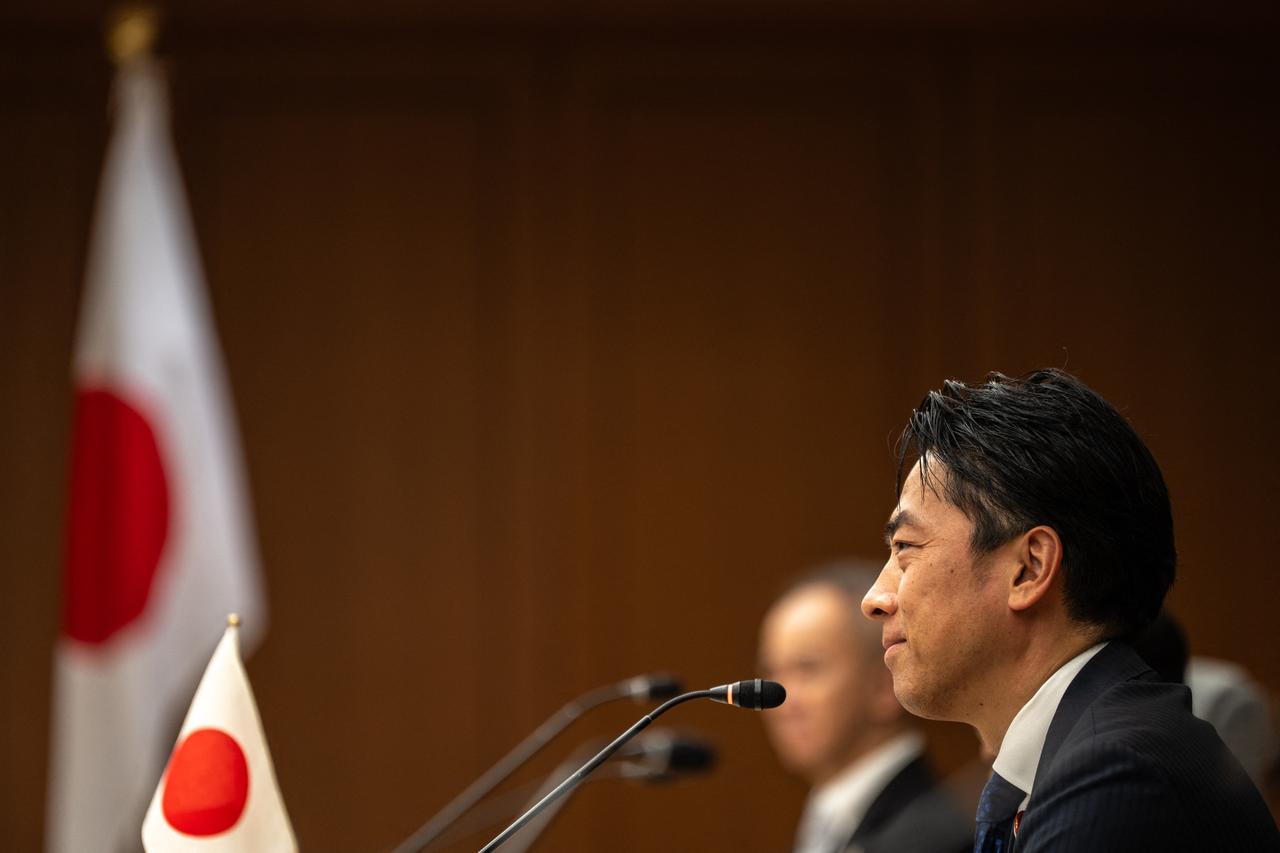


Japanese Defense Minister Shinjiro Koizumi is planning an official visit to Türkiye in early July to attend events linked to the NATO summit in Ankara, underscoring Tokyo's deepening security cooperation with the transatlantic alliance despite Japan not being a NATO member, the Japan Today newspaper reported.
Koizumi is expected to participate in NATO-related gatherings on the sidelines of the NATO Heads of State and Government Summit, set for July 7-8 in Ankara, and hold bilateral talks with defense ministers from member states, according to the report.
Discussions are expected to focus on regional security challenges and defense cooperation.
Japan has steadily broadened its cooperation with NATO in recent years, particularly in cyber defense, maritime security, emerging technologies and support for Ukraine, according to Mainichi Media.
Tokyo and the alliance have repeatedly emphasized that security developments in the Euro-Atlantic and Indo-Pacific regions are increasingly interconnected.
In January 2025, Japan formalized its institutional ties with the alliance by establishing its own independent NATO diplomatic mission in Brussels.

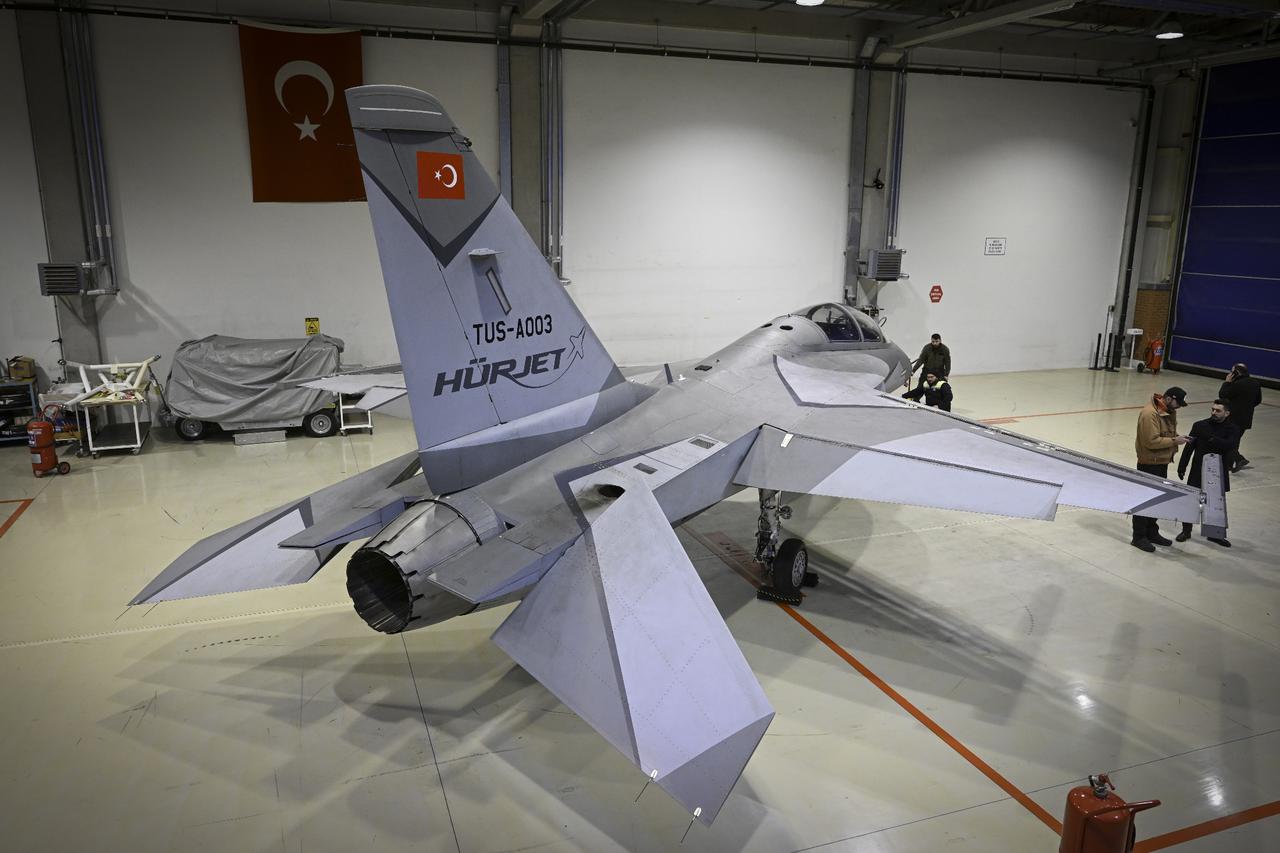
Koizumi held talks with Haluk Gorgun, head of Türkiye's Presidency of Defense Industries (SSB). He praised Türkiye for placing significant emphasis on developing its national defense industry, particularly the unmanned aerial vehicles (UAVs).
"Türkiye is a country that places great importance on developing its national defense industry, including the development of unmanned aerial vehicles," Koizumi wrote on X, describing the meeting with Gorgun as an exchange of views on the topic.
He said Japan would continue to strengthen bilateral relations with Türkiye.
The meeting followed a visit by Gorgun to Japan, where he held senior-level talks in Tokyo and Kobe with Japan's defense minister, the commanders of Japan's Ground and Maritime Self-Defense Forces, and the head of Japan's Defense Equipment and Technology Agency (ATLA).
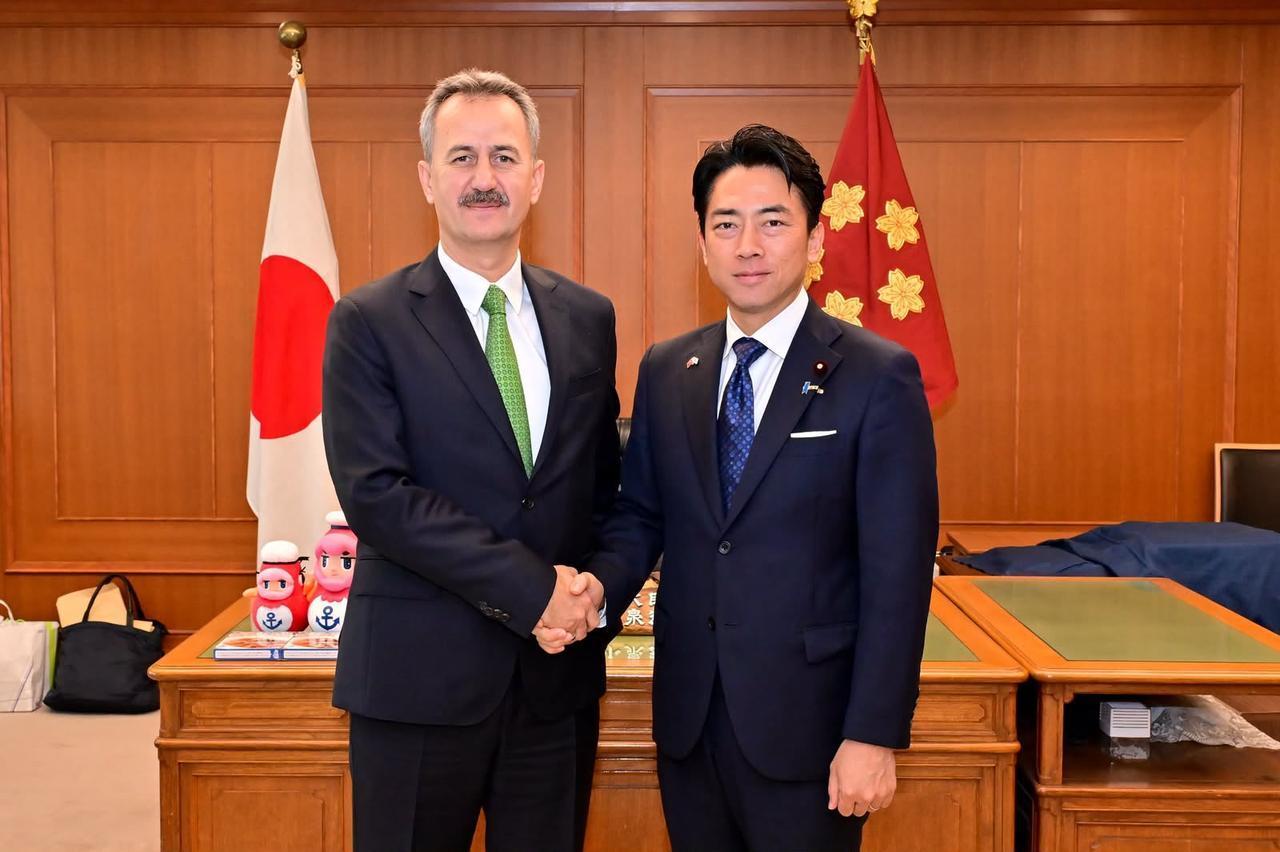
Gorgun said relations between Türkiye and Japan are built on a foundation of longstanding friendship, mutual respect and trust, and said the two countries now have a much broader perspective for cooperation than in the past.
"We want to strengthen our defense industry contacts in a way befitting this understanding, through long-term, institutional cooperation," Gorgun said.
"We aim to transform our strategic partnership with Japan into more concrete collaborations in the defense industry, based on advanced technology, quality, trust and mutual benefit," he added.
The Turkish official said Japan's engineering, quality and technology culture offers significant complementarity with Türkiye's innovative defense industry ecosystem.
"We see strong synergy potential between Japan's high-technology-based production capability and Türkiye's agile, innovative and field-proven defense industry experience," he said, adding, "we aim to turn this potential into concrete outcomes in R&D, supply chain, systems integration and advanced technology."
As part of the visit, Gorgun toured the Kawasaki Heavy Industries' (KHI) Kobe Works facility in Kobe and Nippon Electric Company's (NEC) Fuchu facility in Tokyo, where discussions covered advanced manufacturing technologies, electronic systems, communications infrastructure, systems integration, and defense technology cooperation opportunities.
"In our contacts with ATLA, KHI and NEC, we will have the opportunity to closely evaluate each other's capabilities," Gorgun said.
"Our goal is to establish a sustainable, trust-based and mutually beneficial cooperation framework between the industrial and technology institutions of the two countries," he noted.
Gorgun also attended the 100th-anniversary reception of the Turkish-Japanese Society, held in the presence of Princess Akiko of Mikasa.
"The friendship between our two countries is one of the most valuable foundations of our relations," he said.
"We hope this visit contributes not only to defense industry cooperation efforts but also to strengthening the bonds between our peoples."
 1 min read
Japan's 2022 revision of its National Security Strategy was driven by changing geopolitical threats, including Russia's invasion of Ukraine, North Korea's ballistic missile and nuclear programs, and China's rapidly expanding military capacity.
Japan's annual defense spending is expected to reach 1.9% of the gross domestic product in fiscal year 2026, with Tokyo targeting 2% in fiscal year 2027.
Facing regional threats in the Indo-Pacific, Japan is easing traditional restrictions as it shifts toward a more "proactive" defense posture, both technologically and militarily, while aiming to build a more integrated defense framework with allies and diversify its suppliers.


 Set as preferred source
 Set as preferred source



 1 min read