Newsletters


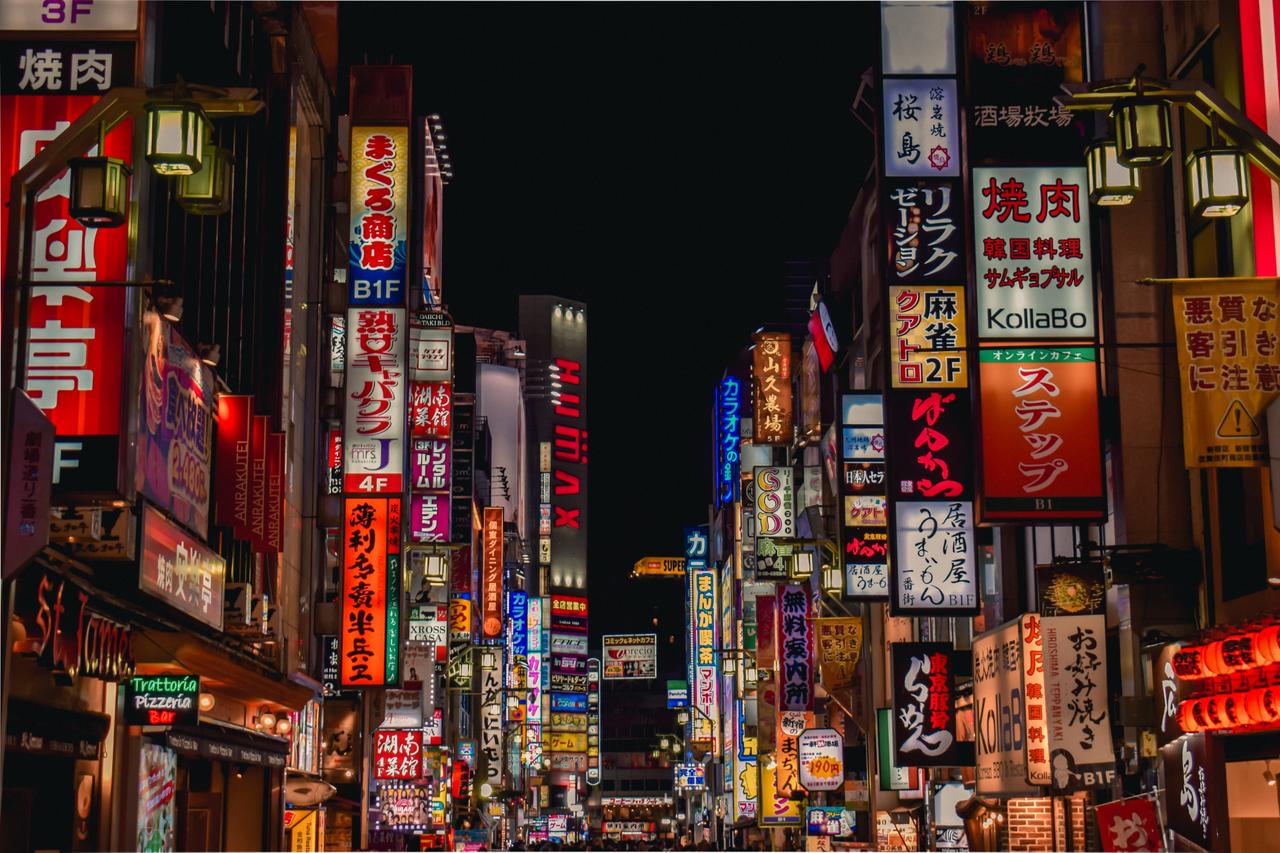


More than half of the short-term rental properties in Tokyo's Shinjuku ward, a special administrative district of the city, including listings on Airbnb, will be banned after a sharp rise in complaints from residents about visitors, an official said Monday.
Known for its buzzing commercial and entertainment district, Shinjuku has around 4,000 short-term rentals, according to the ward's official website. That is nearly 10% of Japan's total.
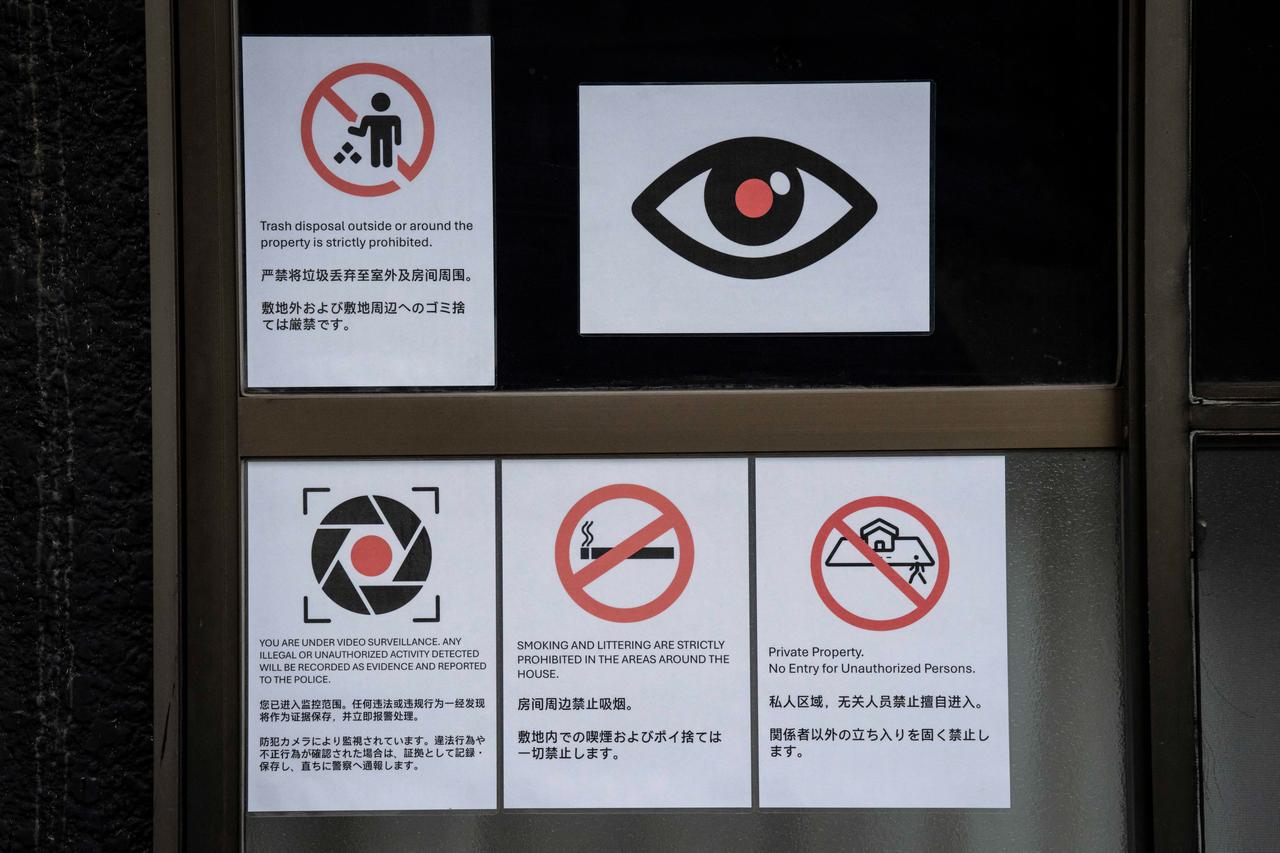
But its large residential population has become increasingly exasperated with tourists who fail to properly dispose of trash, smoke where they are not supposed to, and make too much noise.
A Shinjuku official supervising holiday rentals stated that the district was "planning to revise the current ordinance... to ban private lodging" in residential zones and areas near schools.
"As the number of private lodging businesses has risen, complaints and troubles around them have increased," the official said on customary condition of anonymity.
More than 50% of short-term rentals in Shinjuku face a ban under the new rules, he said, adding that the plan would formally be announced by the Shinjuku mayor on Tuesday.
The policy will only apply to existing rentals, the official said. It is likely to result in the closure of around 2,000 properties, including an unknown number on Airbnb.

Japan aims to attract 60 million foreign tourists by 2030, up from 42 million in 2025, but overtourism has emerged as a major challenge. Residents of Japan's former imperial capital Kyoto and other hotspots have expressed annoyance at selfie-taking crowds as well as traffic congestion and soaring land prices.
In Shinjuku, the number of complaints over vacation rentals increased by around 40% in the fiscal year to March, the official said. "Many complaints are about the violation of trash disposal rules while others include smoking and trespassing," he said.
American tourist Luke Jemison, 24, said that the rules "make sense, because of noise".
Masaru Sato, a Shinjuku resident in his 70s, said: "Many foreigners, including operators of private lodgings, don't follow local rules. This area gets dirty because the way they dispose of trash is very messy," he said.
In July, the Japan Tourism Agency gave municipalities the right to regulate short-term lodgings if "a tranquil living and educational environment" is under threat or if they "hinder the maintenance of a permanent population and local community."
Kyoto is also considering a ban on short-term lodging, but only for new rentals within residential and industrial areas. Other global cities have cracked down on private lodgings available through online rental platforms.
That is partly due to overtourism concerns, but also because some residents say home-sharing websites for tourists deprive locals of apartments for long-term rent and push up prices for homes remaining on the market.
Barcelona, one of Europe's most-visited cities, aims to ban apartment rentals to tourists by 2029 to ease a housing shortage. Under rules introduced in 2023, New York prohibits rental periods of less than 30 days unless the host lives in the property.


 Set as preferred source
 Set as preferred source



 4 min read