Newsletters


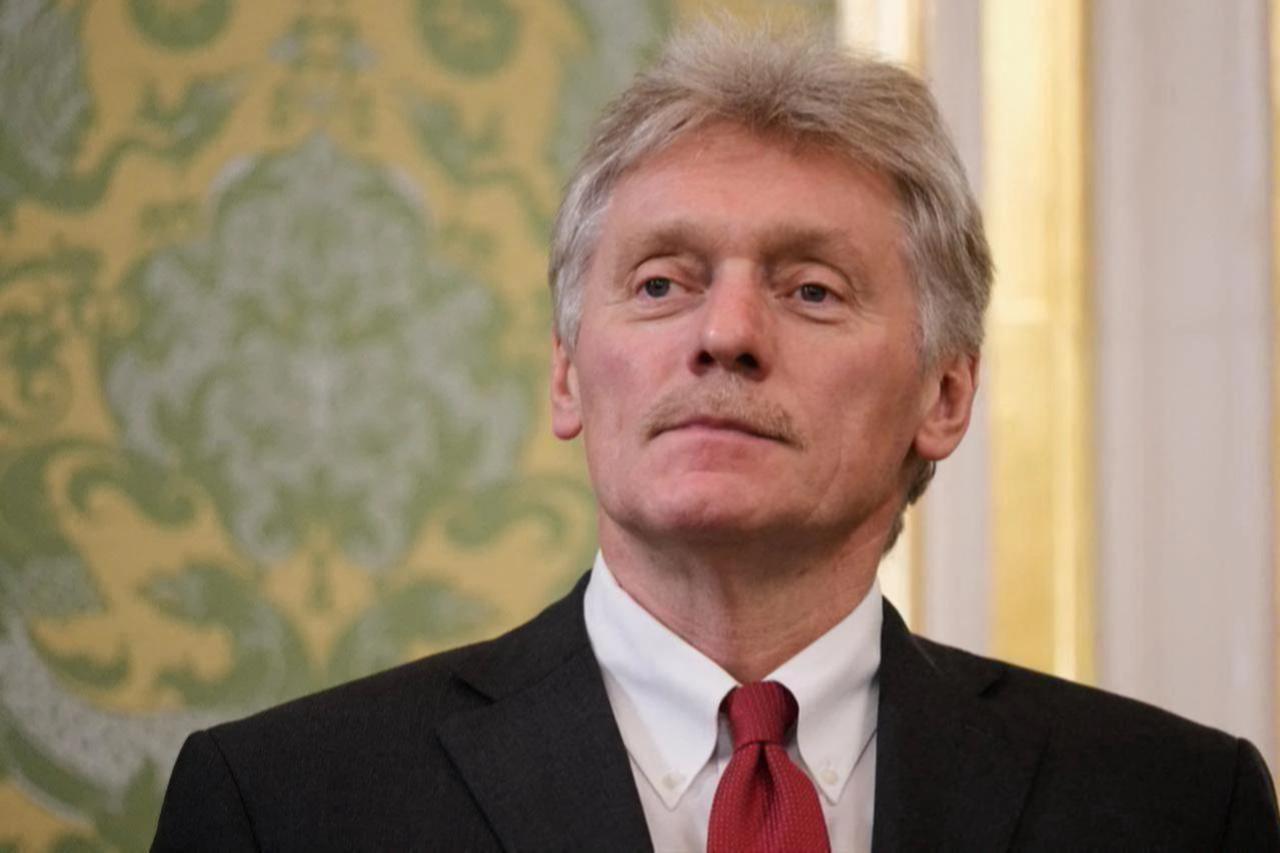


Kremlin spokesman Dmitry Peskov said Monday that Germany’s declining economic competitiveness was partly linked to its decision to stop buying cheap Russian gas and turn to more expensive supplies from other countries, particularly the United States.
Speaking at a briefing, Peskov said Russia had noted low approval ratings for Germany’s current government and figures showing a decline in the competitiveness of its economy.
“We also observe that the decline in the competitiveness of the German economy is largely due to the fact that Germany has stopped purchasing cheap Russian gas and has begun buying very expensive gas, sometimes several times more costly, on the spot market from other countries, primarily the United States,” he said.
“Naturally, Germans, or at least some of them, are seeking an alternative to the current leadership in order to improve their situation,” Peskov added.

His comments came after Germany’s anti-immigration Alternative for Germany party won a second state election Sunday in Mecklenburg-Vorpommern, two weeks after its record victory in Saxony-Anhalt.
Votes for Chancellor Friedrich Merz’s conservative CDU fell below 5%, with the party failing to enter a German state parliament for the first time.
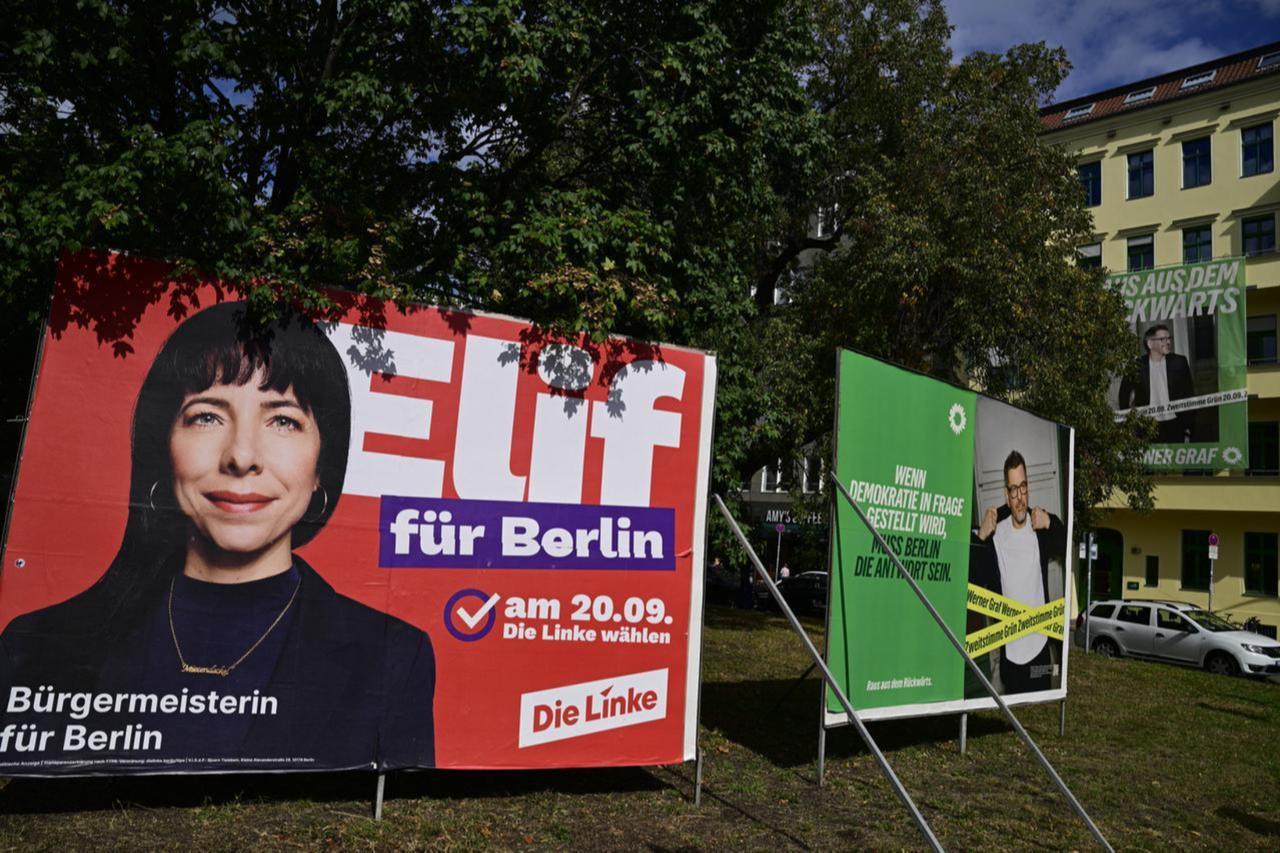
In Berlin, meanwhile, the Left Party won the state election with about 25.3% of the vote, ahead of the CDU’s 19%.
On France, Peskov rejected recent remarks by Marine Le Pen, presidential candidate of France’s right-wing National Rally, that Russia could no longer influence French politics through threats.
“We disagree with this statement. Russia does not threaten either France or any other European state,” Peskov said, adding that Moscow “does not threaten or blackmail anyone.”
On U.S. President Donald Trump’s latest sanctions package targeting Russia, Peskov said Moscow remained in contact with its trading partners and that they had expressed opposition to potential secondary sanctions.
He said the new measures would not help revive bilateral relations or advance efforts toward a settlement of the war in Ukraine.
Peskov added that Russia had adapted to more than 30,000 sanctions imposed by various countries and had found ways to minimize their negative effects.


 Set as preferred source
 Set as preferred source


 1 min read
 1 min read