Newsletters


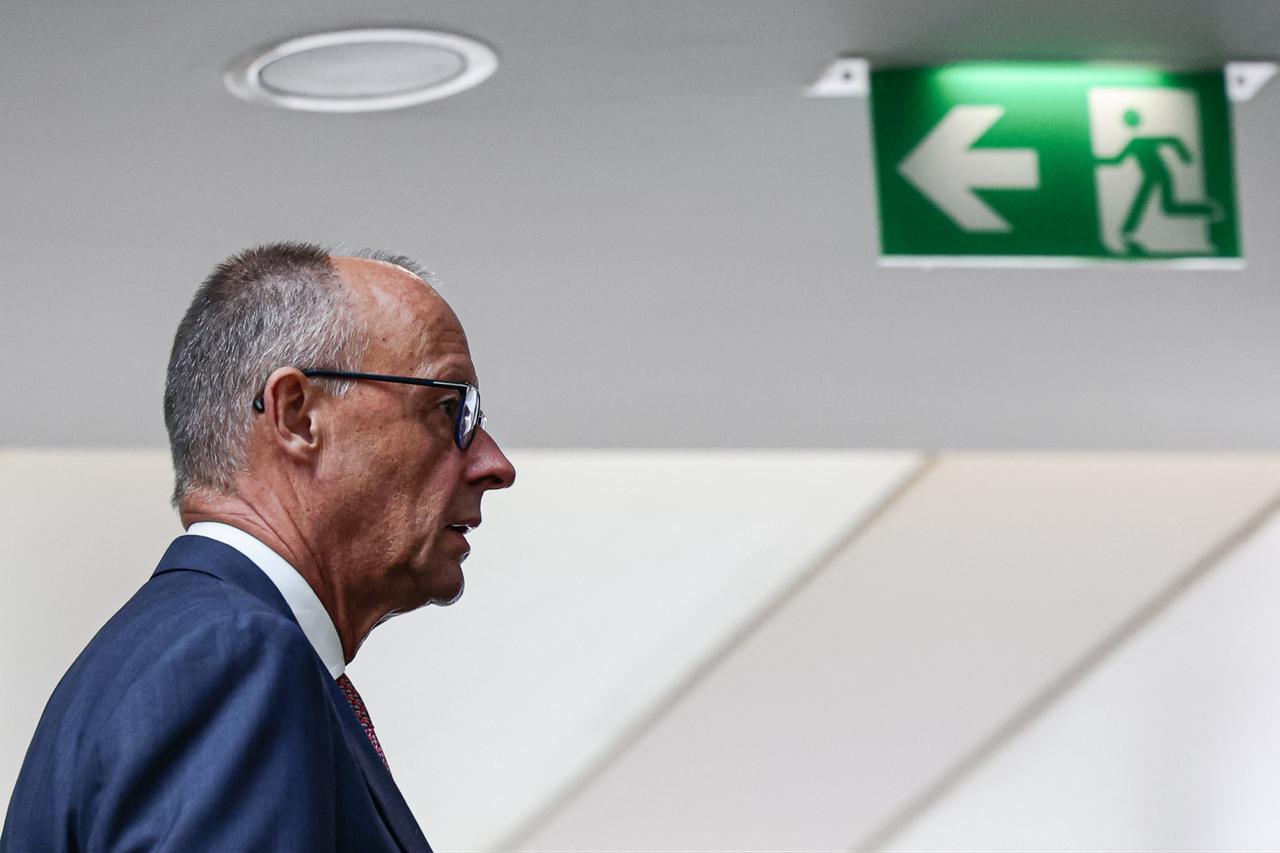


Leaders of Germany’s Alternative for Germany, or AfD, predicted Chancellor Friedrich Merz could be forced from office after his Christian Democratic Union (CDU) suffered major losses in two state elections Sunday, while Merz called the result a “disaster” but vowed to remain chancellor.
In Mecklenburg-Western Pomerania, AfD lead candidate Leif-Erik Holm won 38% of the vote, according to results cited by Agence France-Presse (AFP), while Merz’s CDU fell to 4.9%, below the 5% threshold needed to enter the state parliament.
“The chancellor certainly won’t make it to the end of the year,” Holm said Monday. “I think the twilight of the chancellor’s era has begun.”
The result was the CDU’s worst in a state election since the party was founded in 1945.
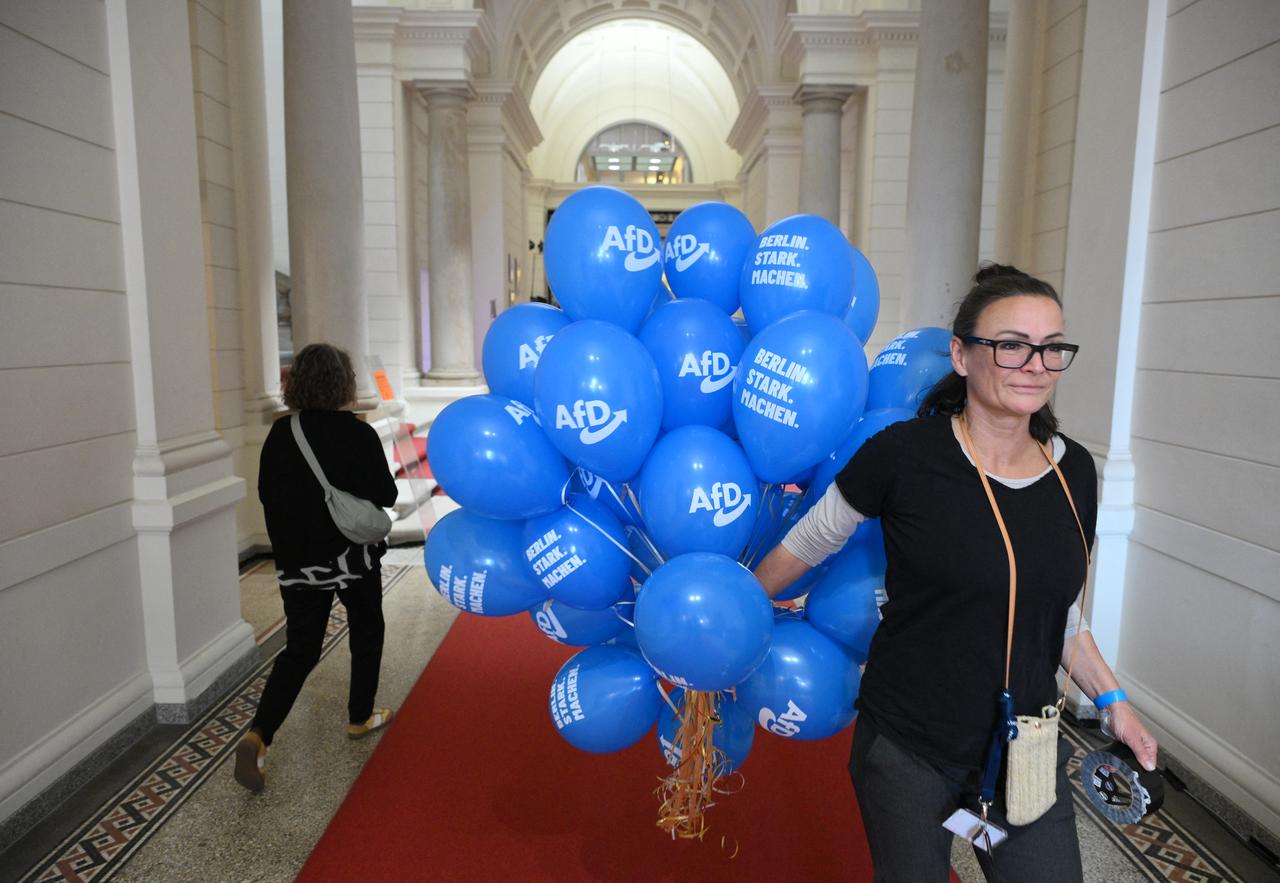

AfD co-leader Tino Chrupalla said the party had “pulverized” the CDU and called Merz’s resignation “long overdue.”
“The blue wave is unstoppable,” he said, referring to the AfD’s party color.
Co-leader Alice Weidel said the AfD had replaced the CDU as Germany’s “people’s party” and urged talks on the country’s political direction.
Asked by the BBC how long Merz could remain in office, Weidel replied: “Pretty soon, he’s going to leave.”
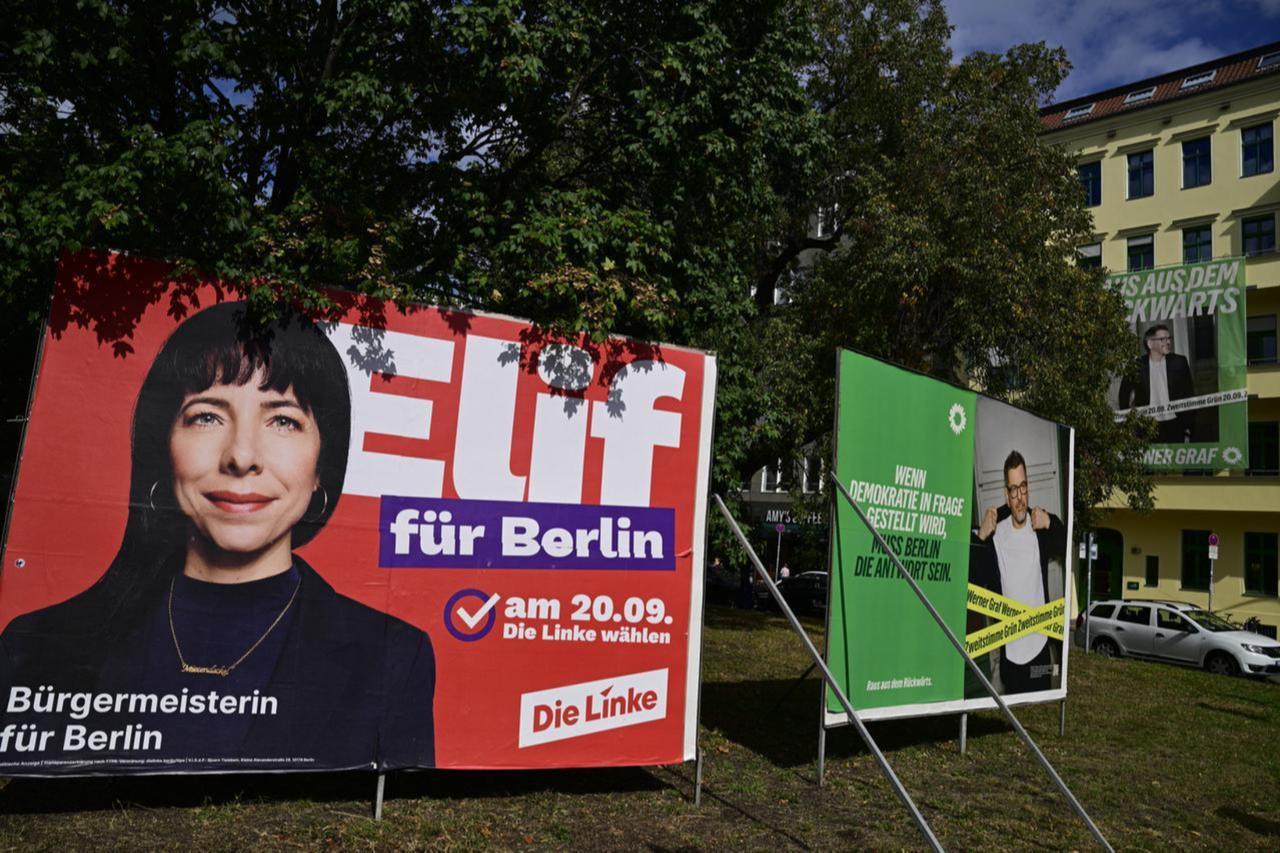
In Berlin, the CDU was also set to lose ground. Public broadcasters ARD and ZDF projected the left-wing Die Linke at nearly 26%, ahead of the CDU at about 19%, while AfD support rose to around 16%.
The elections came two weeks after the CDU saw its vote cut roughly in half in Saxony-Anhalt, where the AfD also made major gains.
Merz acknowledged the Mecklenburg-Western Pomerania result was a “disaster” for the CDU but rejected calls to step down.
“The reforms have to come,” Merz told reporters at CDU headquarters in Berlin, referring to his coalition government’s economic, tax and welfare plans.
“What needs to be done now requires backbone, steadfastness and patience,” he said. “I will demonstrate this as CDU party chairman and, above all, as chancellor of our country.”
Merz described the reforms as an “antidote” to what he called growing authoritarian tendencies in German society.
His comments came amid speculation that he could be replaced before the end of his term in a so-called chancellor swap. Earlier in the week, leaders of eight German states publicly backed Merz, who has been chancellor for 16 months.
Berlin CDU politician Burkard Dregger also defended Merz, telling the BBC that the chancellor should be given his full four-year term.
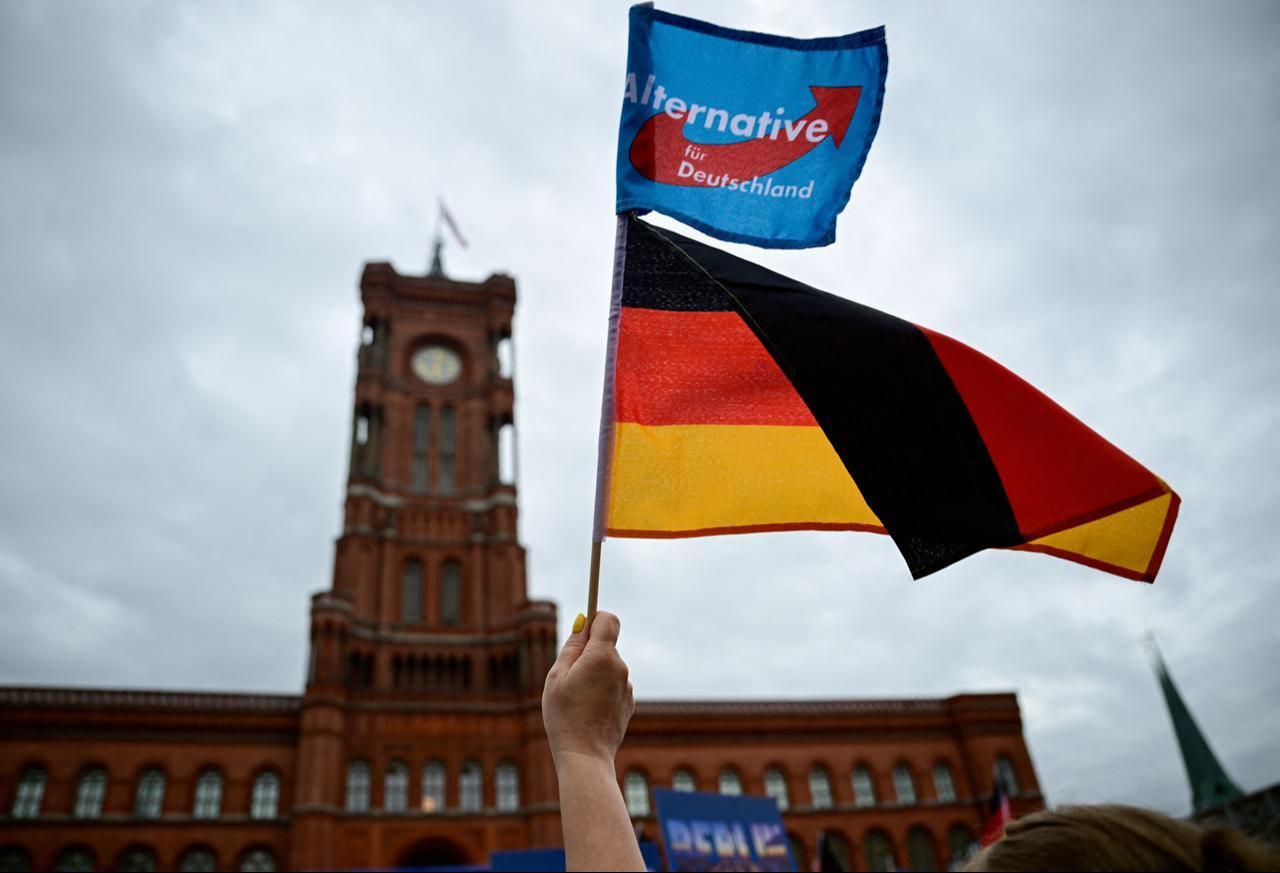
Some branches of the AfD are classified as right-wing extremist by Germany’s domestic intelligence authorities, a designation the party rejects.
The party’s anti-immigration, Germany-first and Russia-friendly positions have gained significant support in Germany’s former communist east.
Merz has moved the CDU to the right on issues including immigration, but the shift has not reduced AfD support and has also drawn criticism from voters further to the left.


 Set as preferred source
 Set as preferred source


 1 min read

 1 min read