Newsletters


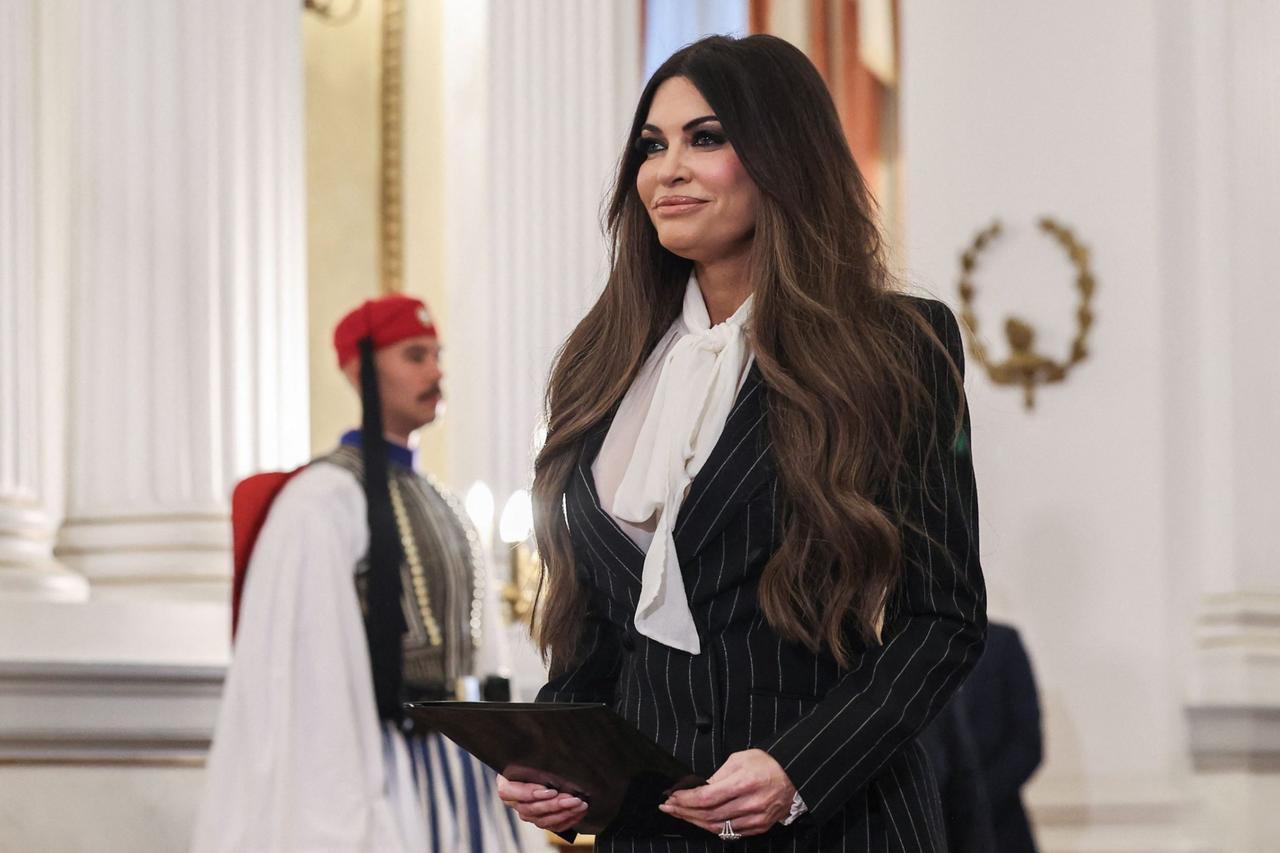


In Athens, diplomacy now comes with a court and its own camera crew.
Leaked documents have placed U.S. Ambassador to Greece Kimberly Guilfoyle under scrutiny, after reports pointed to costly upgrades at her official residence in Athens, including a basketball court and plans for a government-funded photographer.
The claims have surfaced at a time when Guilfoyle already stands out in Athens for her high visibility, blending diplomacy with a social presence that has drawn both attention and criticism.

Since her arrival in November, Kimberly Guilfoyle has appeared at elite gatherings, courtside basketball games, and private events with influential figures, quickly becoming one of the most talked-about foreign diplomats in the country.
A January profile by The New York Times described her as “the talk of Athens,” capturing both the attention she attracts and the unease surrounding her role.
The latest reports add a financial dimension to that image, raising questions about public spending, priorities, and the optics of her tenure.
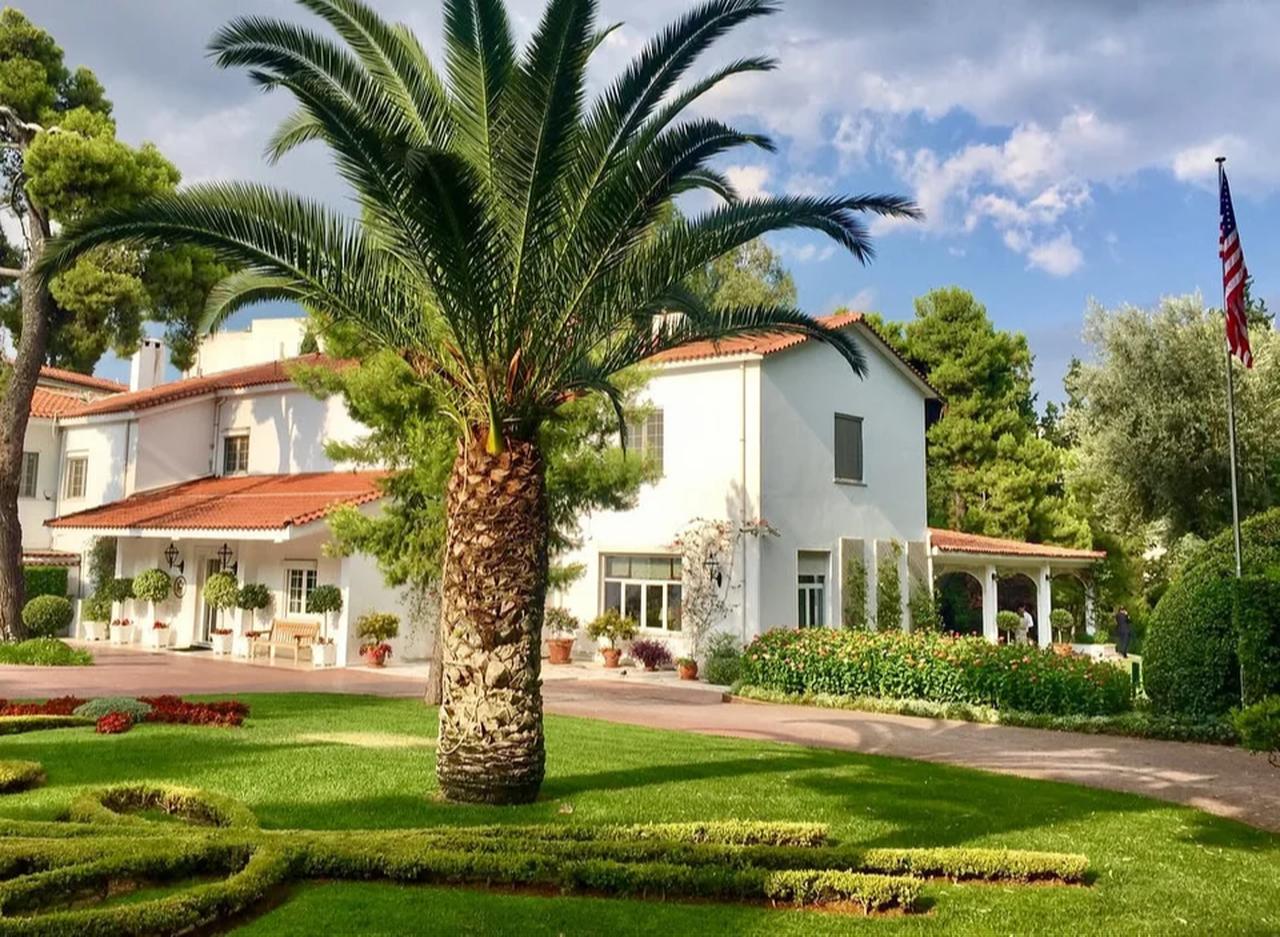
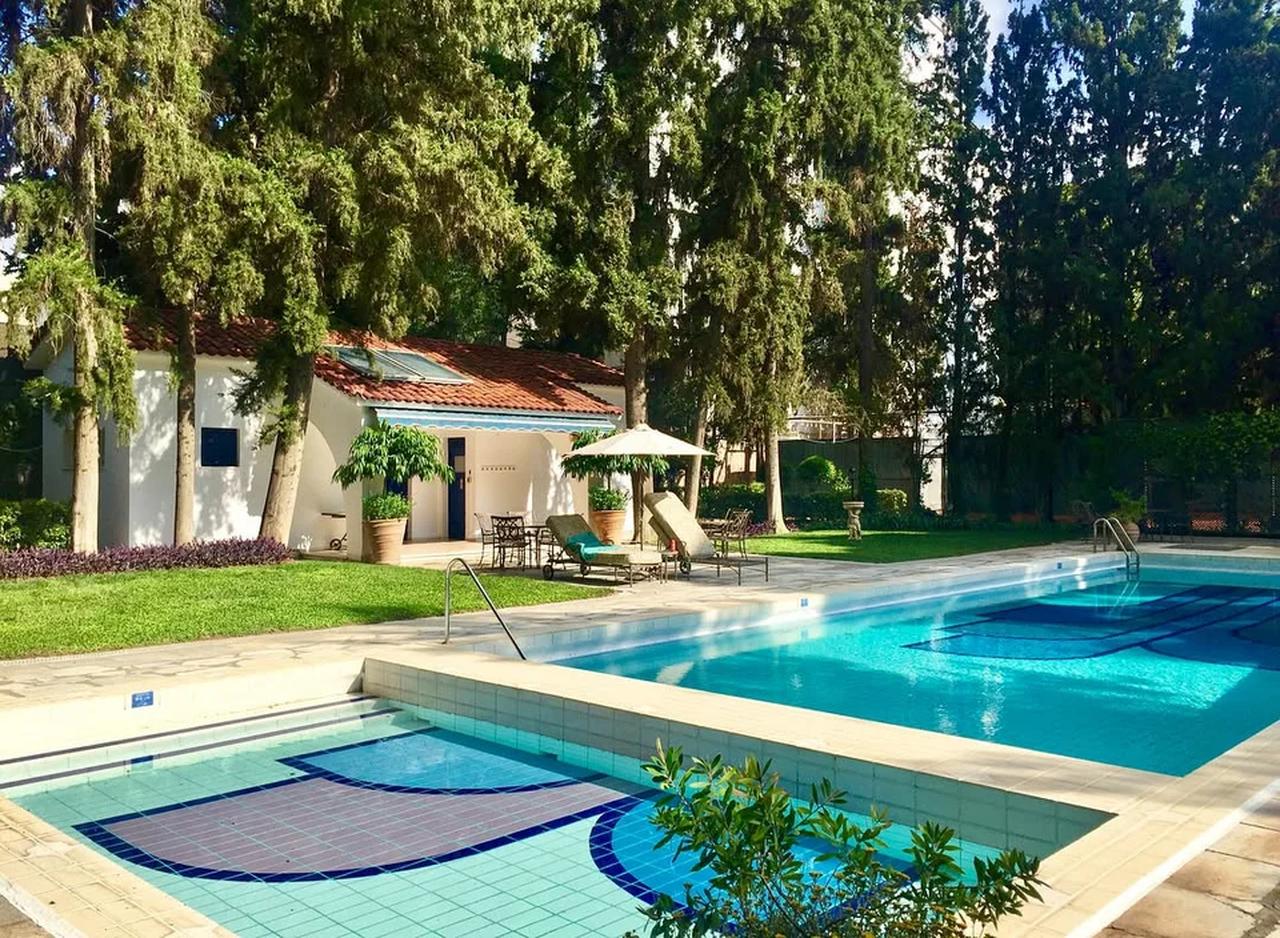
According to the Daily Mail, Guilfoyle approved a plan in December to build a half-sized basketball court at Jefferson House, the U.S. ambassador’s residence in Athens’ Kolonaki district, at a cost of about €50,000 (around $58,000).
The contract requires the court to be completed within 45 days, with financial penalties for delays. It also includes optional additions such as fencing, windscreens, and LED lighting, which could increase the final cost.
Separate documents reviewed by the outlet also outline a proposed €25,000 annual contract for photography and videography services. The role would be on an as-needed basis, including after-hours and weekend work, for up to 20 hours per month. Edited images would need to be delivered within 24 hours, or sooner if requested.
The U.S. Embassy in Greece has not publicly responded to the reports.
The spending reports land at a time when Guilfoyle has built a strong public presence in Athens, one that extends beyond traditional diplomatic routines.
Since arriving in November, she has attended high-end events, appeared at basketball games from courtside seats and formed ties with prominent figures in Greece’s business and sports circles. Her appearances have drawn sustained media attention, with local coverage often focusing as much on her presence and image as on her official role.
Among those she has engaged with are Olympiacos club owners Panagiotis and Giorgos Angelopoulos, who reportedly gifted her a custom jersey bearing the name Vassilis Spanoulis.
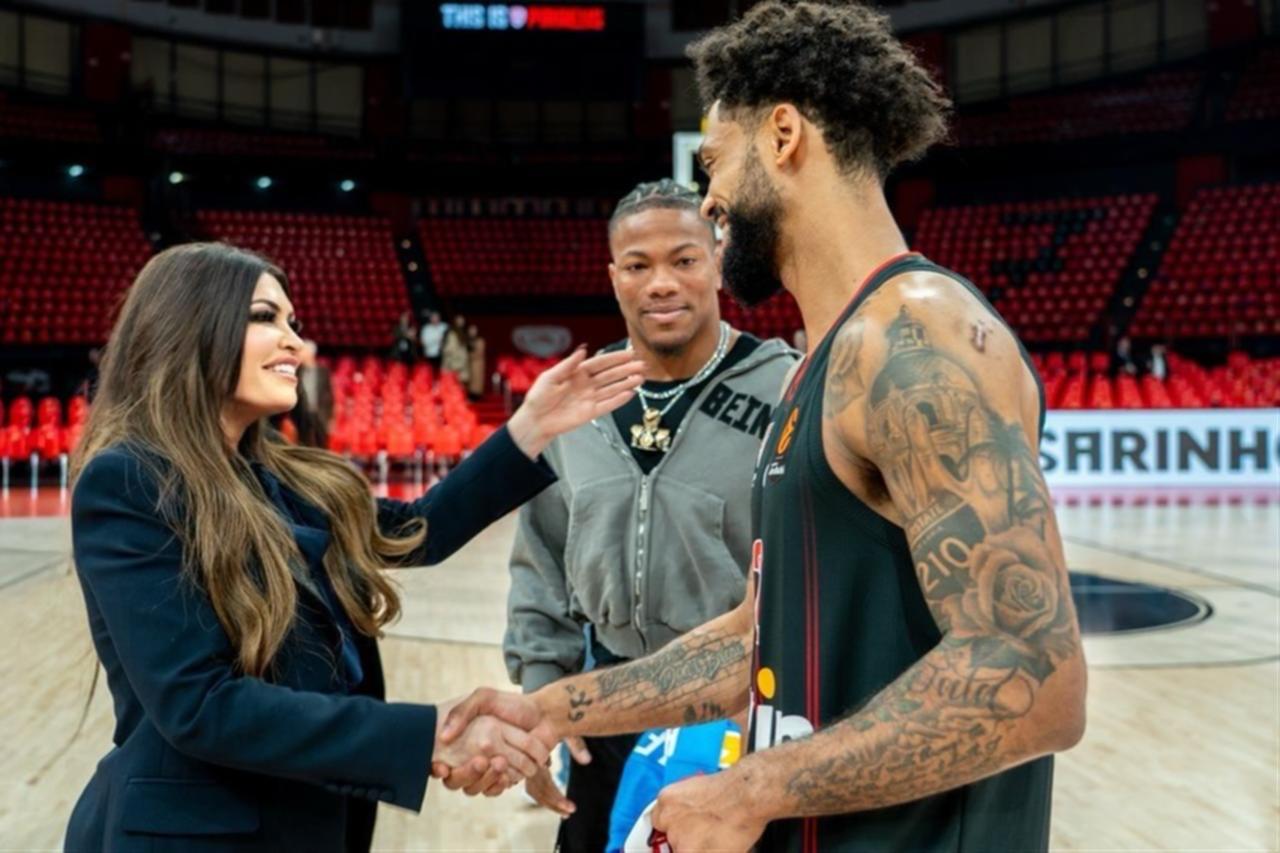
She has also been photographed with athletes, including NFL player Daiyan Henley and Greek American basketball player Tyler Dorsey, during a jersey exchange she described as taking place “in the spirit of friendship, respect, and U.S.-Greek ties.”
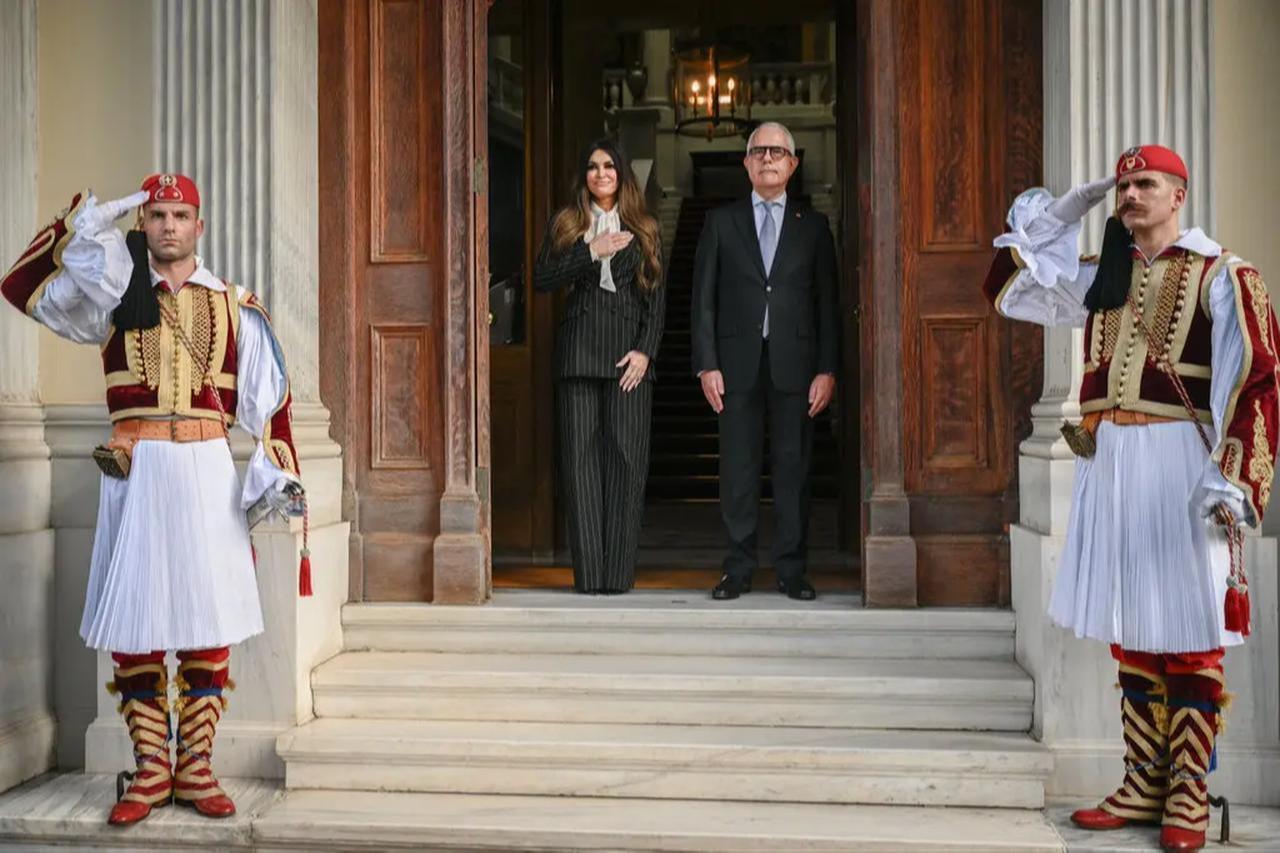
The renewed attention has also brought back past remarks Guilfoyle made about Greece, now resurfacing alongside criticism of her highly visible diplomatic style.
During a 2015 appearance on Fox News’ “The Five,” she described Greeks as “freeloaders,” criticized early retirement practices, and said, “It doesn’t matter if you made great yogurt. I don’t care.” She also compared the country’s situation to training a dog that “pees on the rug.”
Those comments had largely faded after she took office and built ties with Greek officials and business figures. But as her public presence has grown, so has scrutiny of the tone and image she brings to the role.
Critics now point to a mismatch between traditional diplomatic restraint and a style that combines high visibility, social access, and political assertiveness, arguing that the contrast makes earlier remarks harder to dismiss as past rhetoric.
Beyond her public profile, Guilfoyle has moved quickly to position herself within key economic and geopolitical discussions, expanding her role beyond conventional diplomacy.
She became involved in U.S.-backed initiatives within weeks of taking office, including offshore natural gas exploration near Corfu and plans for a new port development in Elefsina. The project has been framed as a strategic counterweight to China’s role in the port of Piraeus, placing her at the center of broader geopolitical competition.
Greek officials described her approach as unusually direct and fast-moving.
Energy Minister Stavros Papastavrou said she was “a driving force” behind advancing agreements, noting that she often followed up within hours and operated beyond typical diplomatic schedules. Her allies point to her close access to the Trump administration as a factor that allows her to move quickly on strategic priorities.
That visibility and pace have drawn mixed reactions. Some government figures credit her with helping accelerate projects that were already underway. Others have raised concerns about the political implications of her approach.
Former Greek Foreign Minister George Katrougalos warned that her actions sometimes give “the impression that the United States is co-governing the country,” while her remarks on China’s role in the port of Piraeus prompted the Chinese Embassy in Athens to accuse her of “malicious defamation.”
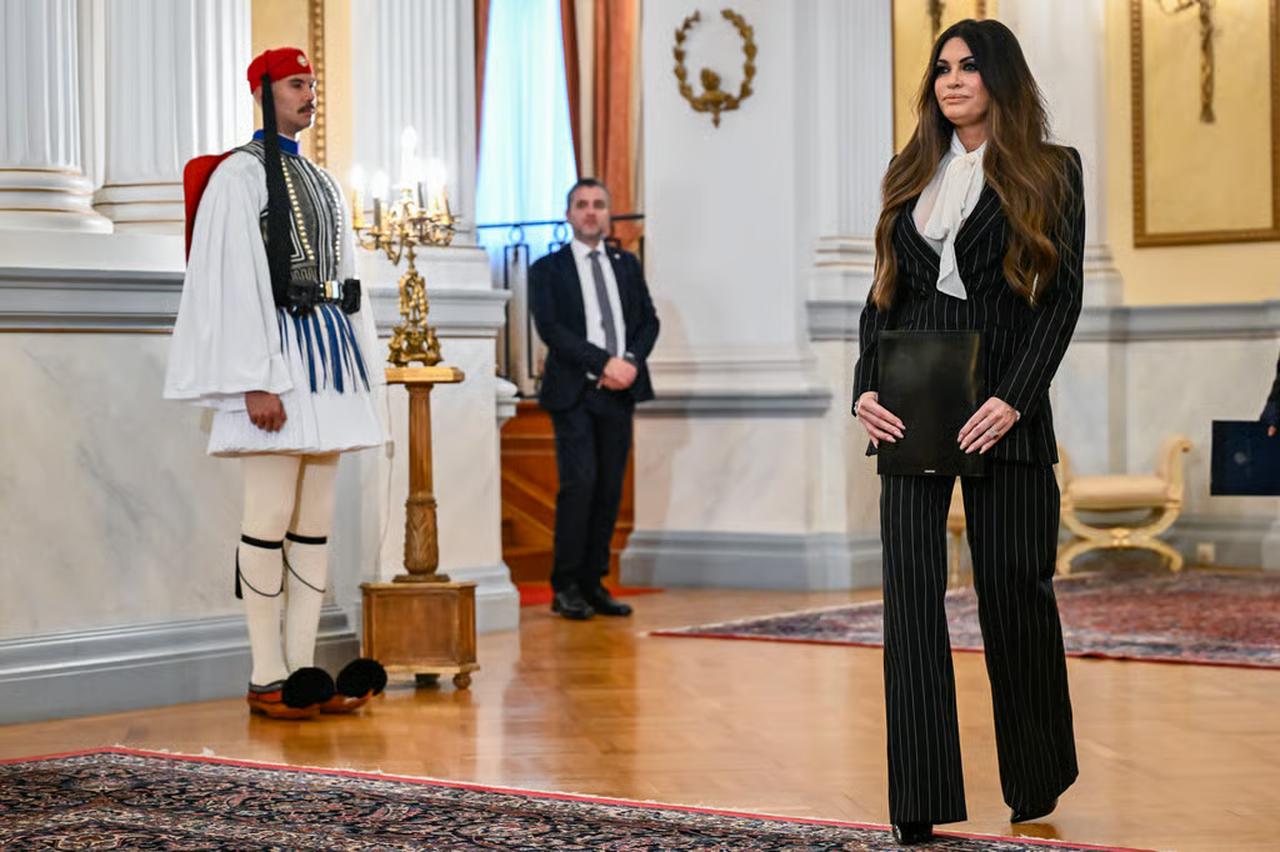
The controversy is not only about the reported cost of a basketball court or a photography contract. It reflects a broader question about how Guilfoyle’s role is perceived at a time when she already occupies an unusually visible and politically active position.
Her tenure combines public visibility, direct political access, and involvement in strategic economic projects. Supporters point to her energy and ability to move quickly within the Trump administration’s agenda. Critics argue that the combination of visibility, luxury, and political assertiveness raises questions about priorities and optics.
For now, the claims around spending remain based on documents cited in media reports, with no detailed public response from the embassy. Even so, the reaction in Greece suggests that the issue extends beyond individual expenses.
Guilfoyle arrived as an unconventional ambassador and quickly became one of the most talked about figures in Athens. The latest reports reinforce that perception, placing her diplomatic style, public image and political role under closer scrutiny.


 Set as preferred source
 Set as preferred source


 4 min read