Newsletters


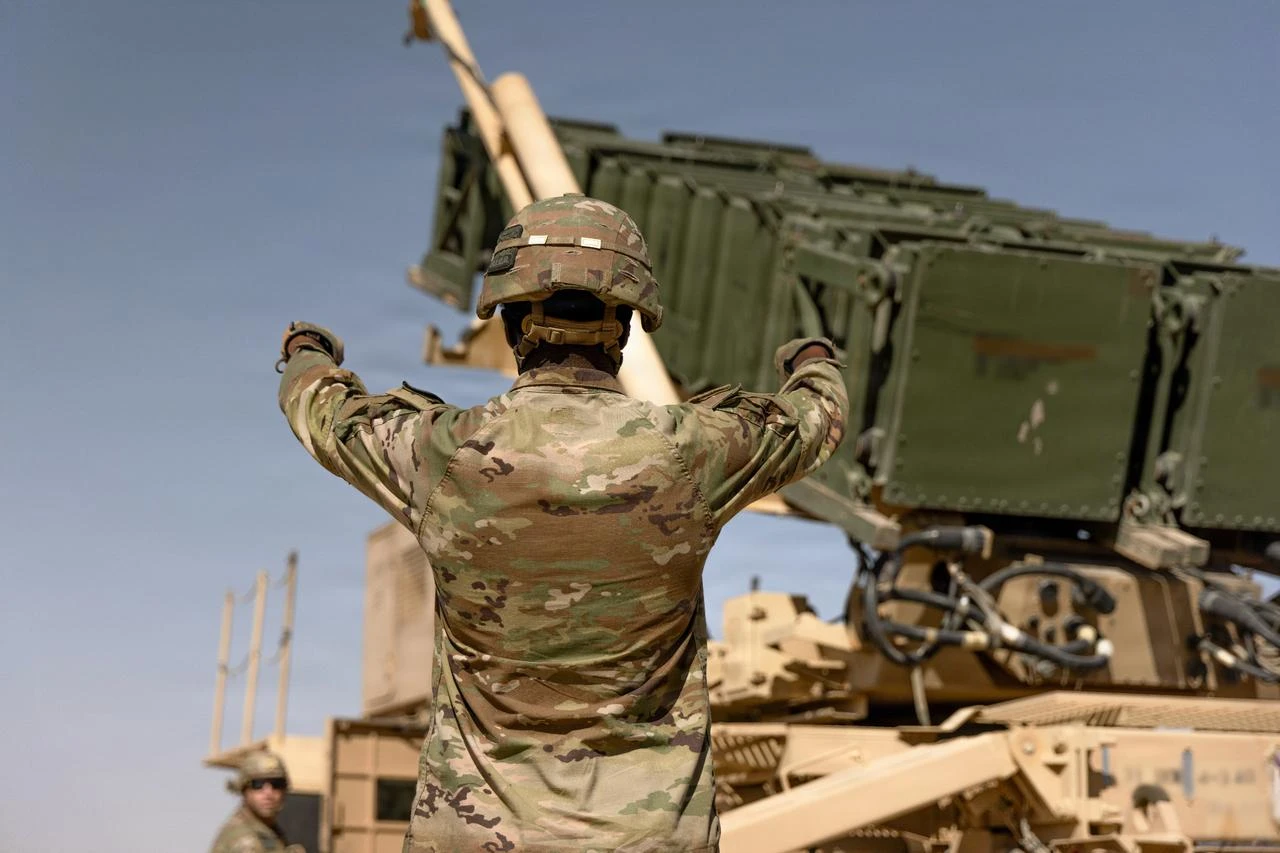


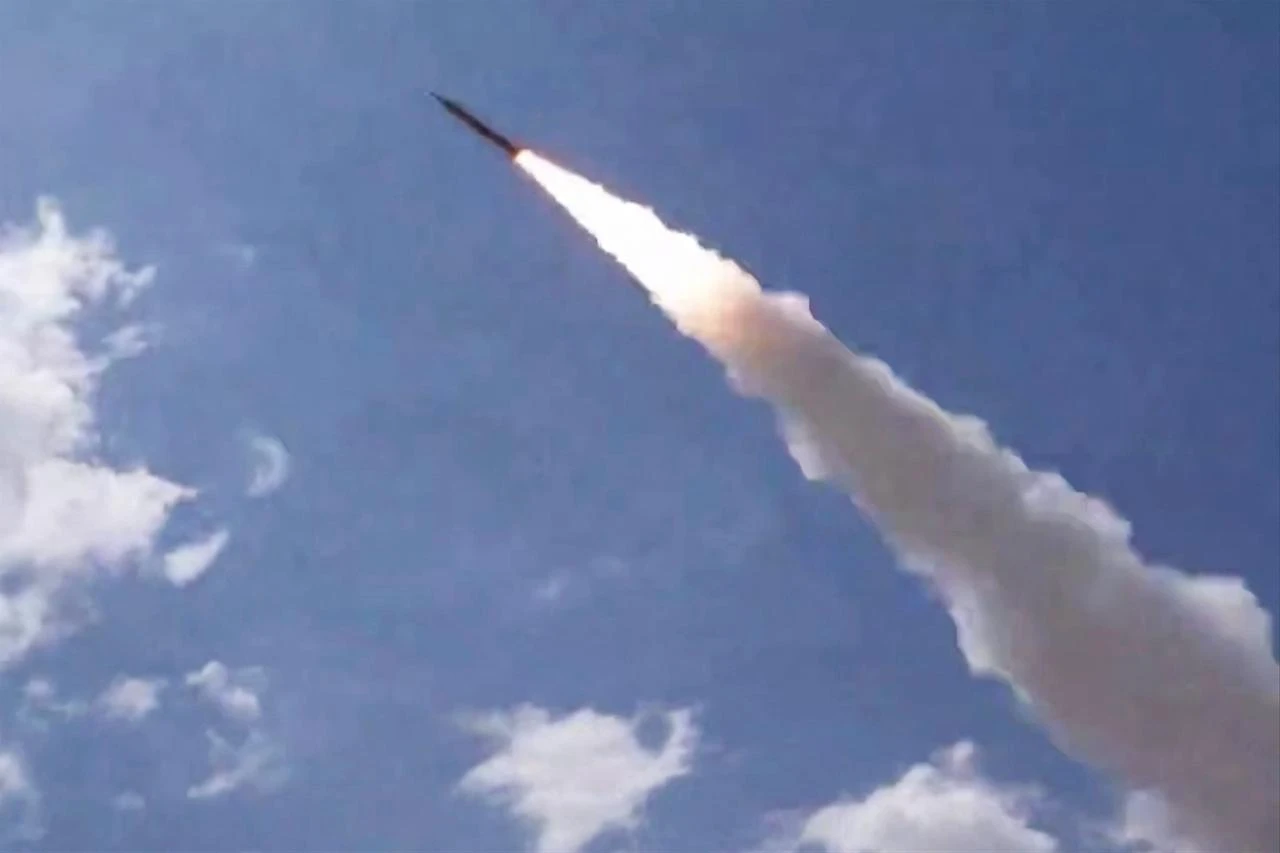
Lockheed Martin unveiled a lower-cost Patriot interceptor Monday as militaries worldwide seek cheaper ways to counter drones and missiles, opening a Farnborough International Airshow dominated by soaring defense budgets tied to the wars in Ukraine and the Middle East.
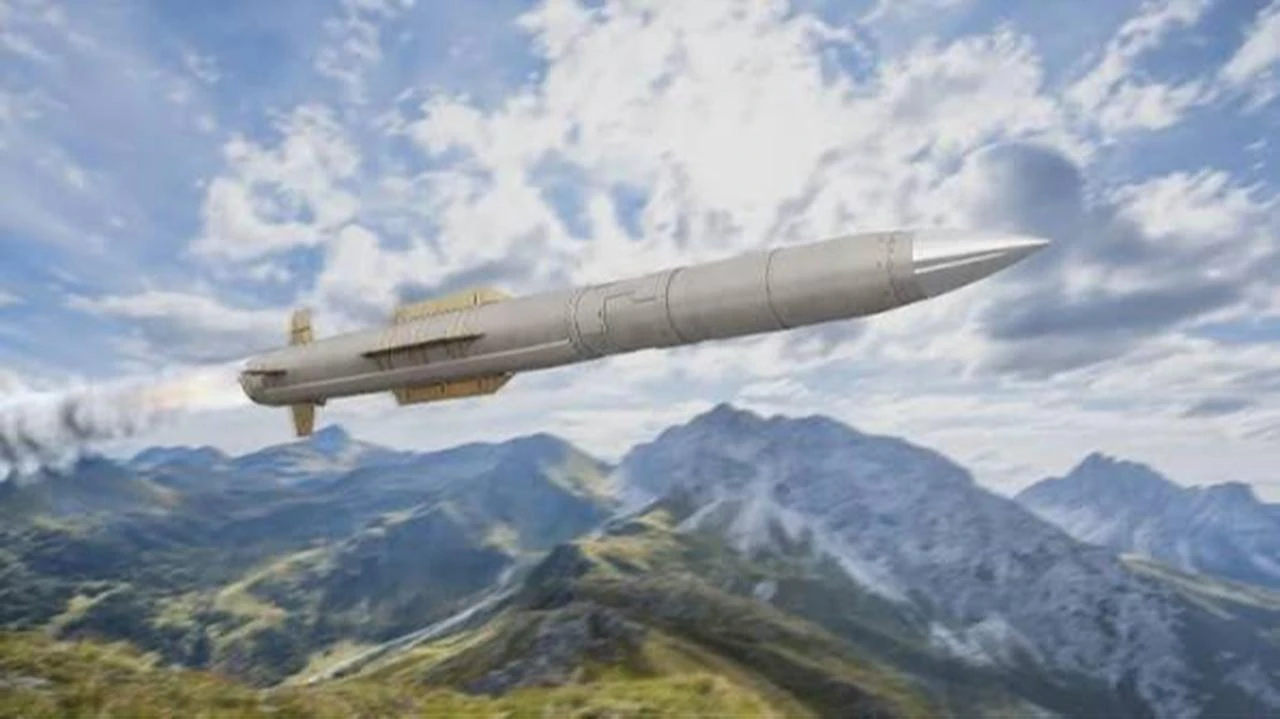
Lockheed stated that its new PAC-3 Adapted Capability Effector (ACE) missile will cost less than half as much per unit as its PAC-3 MSE interceptors, which cost roughly $4 million per missile according to U.S. Army budget documents cited by Reuters.
The company noted that initial production could begin within 36 months, with plans to develop and manufacture the weapon jointly alongside U.S. and European industry partners.
"American and allied warfighters need a solution that is battle-tested and budget-smart, and PAC-3 ACE delivers exactly that by building on the unrivaled performance of the PAC-3 MSE," Tim Cahill, president of Lockheed Martin Missiles and Fire Control, said in a company statement.
"As we look to partner with our allies, we can further enhance resiliency and ensure our forces can swiftly counter emerging threats today and tomorrow," he added.
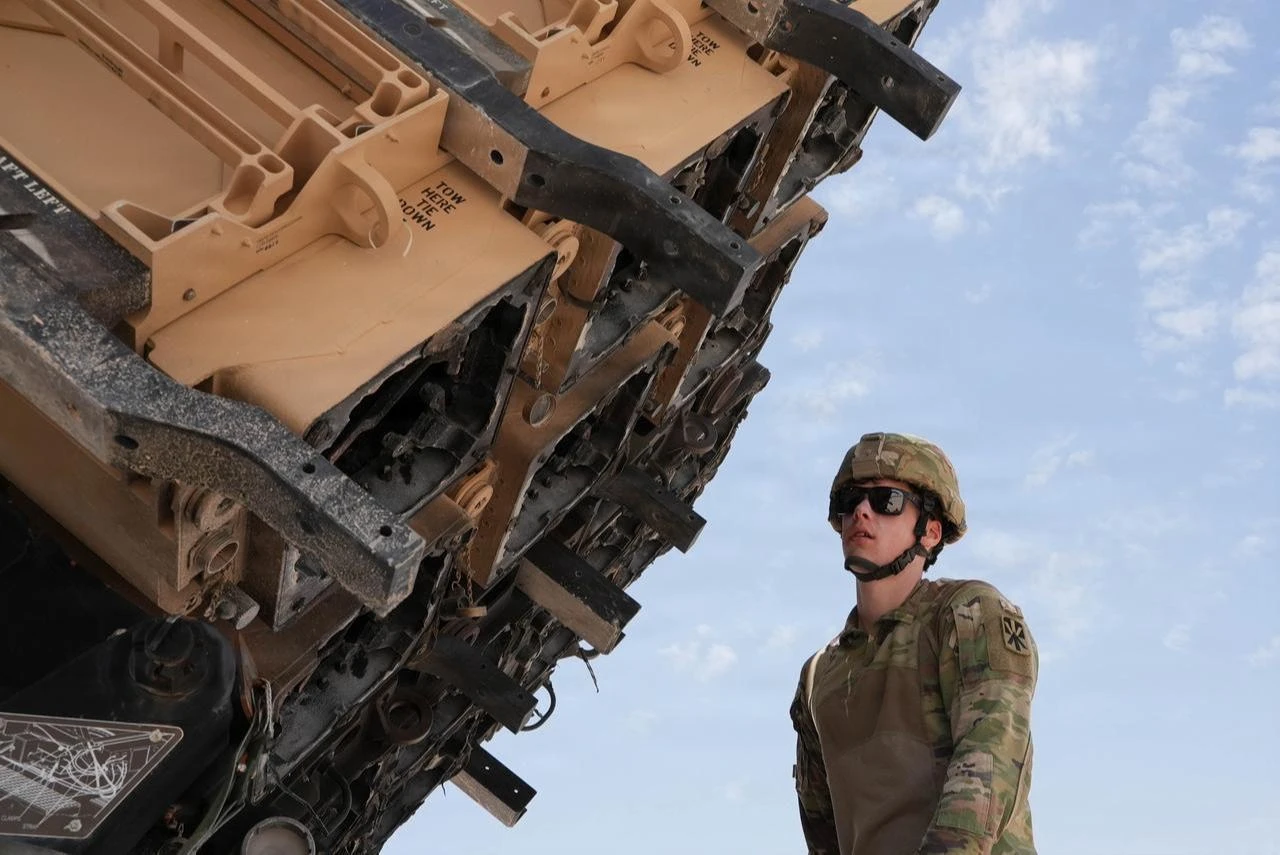

According to Lockheed, PAC-3 ACE is built on the existing PAC-3 fire-control system and is fully integrated with the Patriot weapon system and the Integrated Battle Command System (IBCS), which the company said would speed up development, testing and deployment relative to traditional programs while allowing allied forces to field a common interceptor.
The company said the system is designed to counter air-breathing threats, cruise missiles, and close- and short-range ballistic missiles within a single platform.
Reuters reported that the launch of a lower-cost interceptor reflects how established defense contractors are responding to growing competition from Silicon Valley-backed startups promising faster, cheaper weapons at scale.
The Patriot system has become one of the most sought-after air-defense weapons globally since Russia's 2022 invasion of Ukraine, with Kyiv crediting Patriot batteries with helping defend its cities against Russian ballistic missile attacks.
Demand has also been driven by missile exchanges between Iran, the U.S. and Israel and broader instability in the Gulf, consistent with the extensive strain on regional air-defense systems this outlet has covered in recent weeks, which stretched supplies of advanced air-defense weapons and exposed production bottlenecks across the Western defense industry.
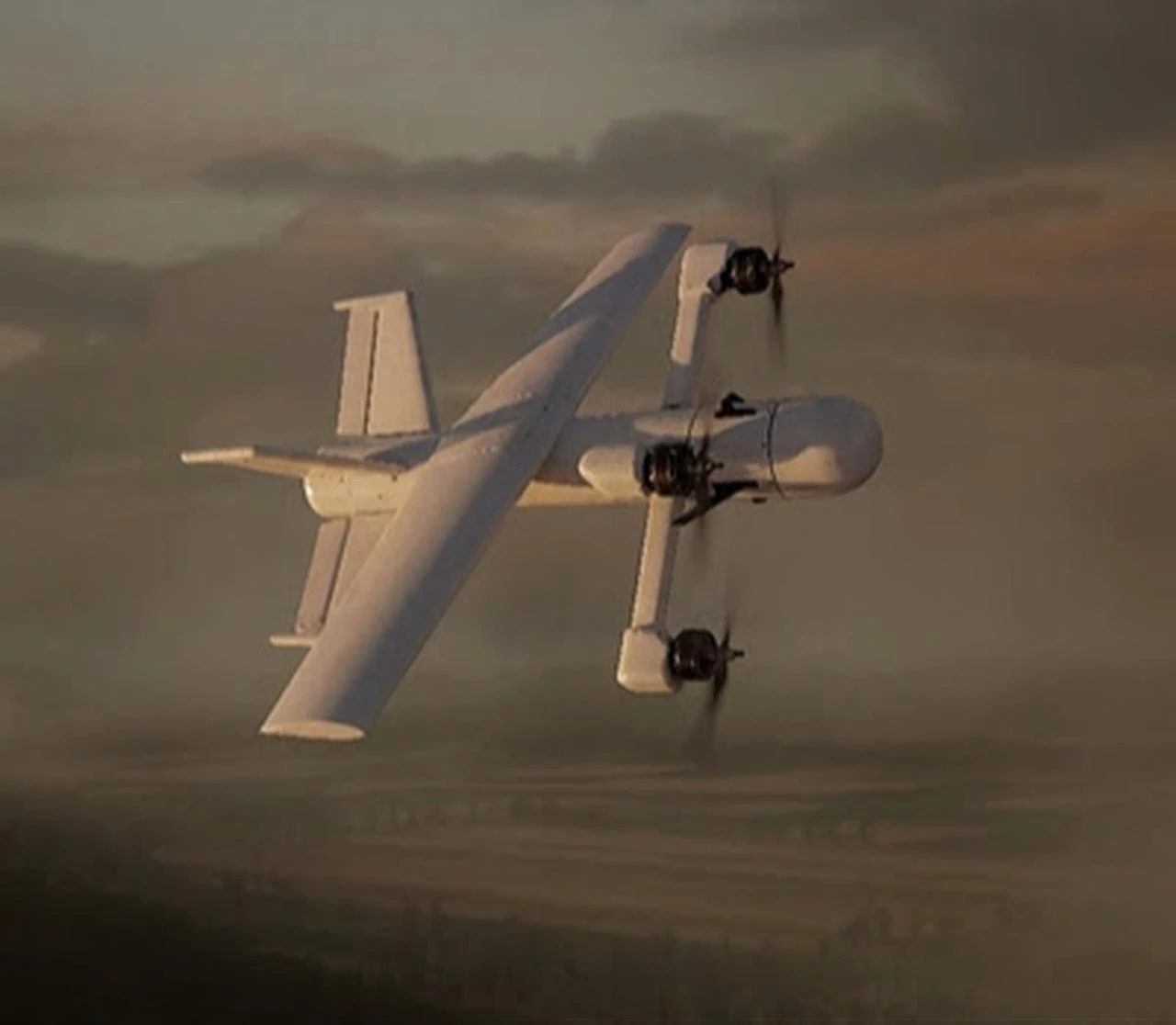
Separately, Lockheed Martin introduced the MORFIUS X-Rotor, a reusable, airborne high-power microwave counter-drone system the company said can neutralize more than 50 hostile drones in a single flight.
According to Lockheed, the system is sensor- and command-and-control-agnostic, meaning it does not require a dedicated sensor to guide it to a target, distinguishing it from other airborne counter-drone systems.
The company said it is accelerating prototype production and planning further flight tests, building on trials conducted in Arizona, California and Oklahoma.
"MORFIUS sets a new benchmark for counter-drone capability, delivering a high kill rate while keeping the cost per kill low," said Randy Crites, vice president and general manager of Lockheed Martin Missiles and Fire Control Advanced Programs.
"By leveraging a lightweight, field-reusable high-power microwave architecture, we provide the most effective, low-cost solution on the market today and demonstrate Lockheed Martin's ability to field innovative, affordable technologies at the speed our American and allied troops need," Crites added.
Lockheed said the effort supports the U.S. Department of War's 2025-2028 Rapid Response Counter-UAS Roadmap, and that the MORFIUS family of high-power microwave systems has been in flight testing since 2017.
The Farnborough Airshow opened Monday with organizers reporting that defense companies make up roughly half of a record 1,600 exhibitors, up sharply from the roughly 40% share the sector has typically held, according to the event's managing director, Gareth Rogers, cited by Agence France-Presse (AFP).
Pascal Fabre of consultancy AlixPartners told AFP that Russia's war in Ukraine and shifting U.S. policy under U.S. President Donald Trump had accelerated European focus on defense sovereignty and rearmament.
Ukraine will have a significant presence at the show, with additional space set aside for its exhibitors following what AFP described as Kyiv's recent deep strikes against Russian refineries and military installations, with Fabre saying Ukrainian firms offering "battle-tried" solutions from the drone war would be courted by industry players at the event.
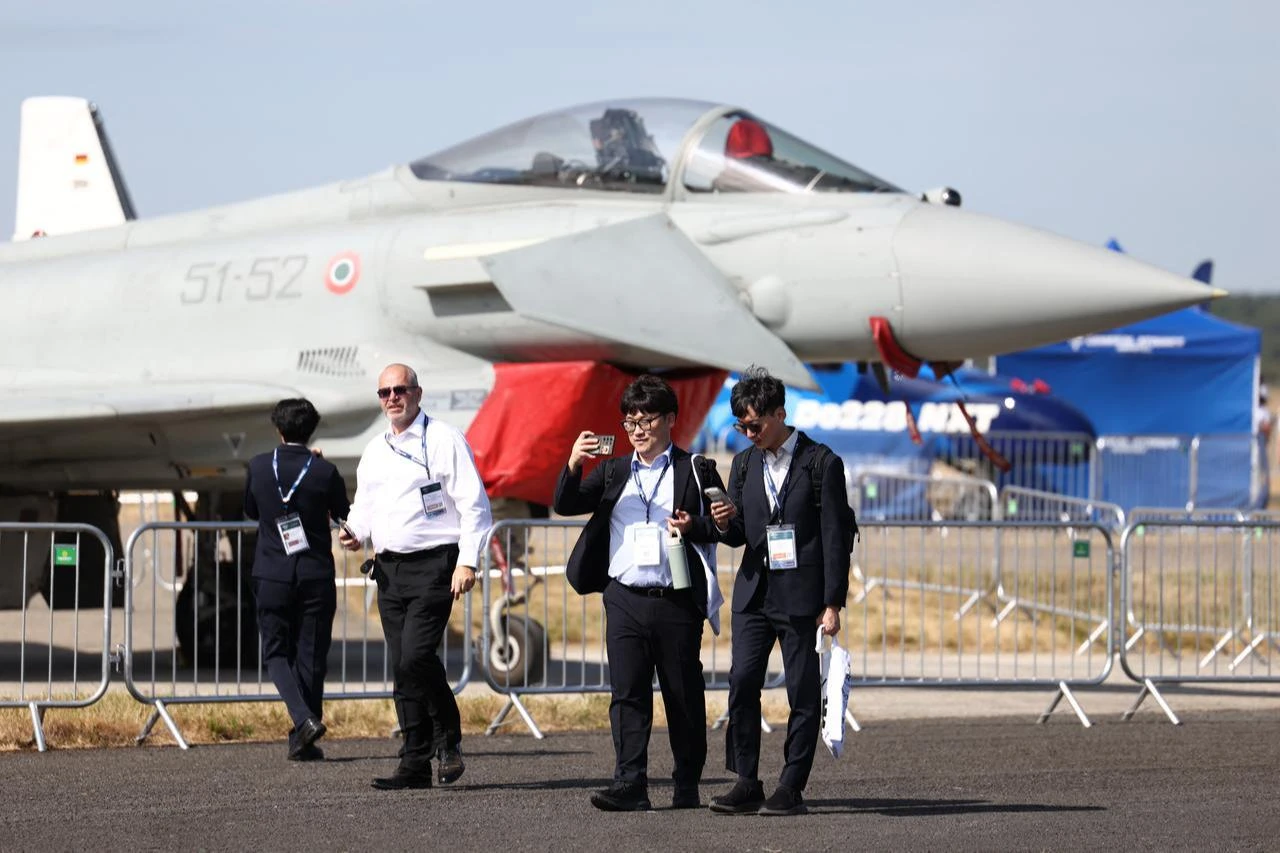
Following the collapse of the Franco-German-Spanish SCAF fighter jet program, attention at Farnborough has shifted to its rival, the Global Combat Air Program (GCAP), developed by the United Kingdom, Italy and Japan, which received a funding commitment of 4.6 billion pounds ($6.2B) from the three countries this month, with a target in-service date of 2035.
Justin Bronk of the RUSI think tank told AFP the three countries would be "keen to show off the progress made thus far and to emphasize unity now that the U.K. has finally committed to large-scale funding."
Boeing is showcasing its MQ-28 Ghost Bat autonomous combat drone at the show as a potential partner platform for GCAP, with German firm Rheinmetall having partnered with Boeing to integrate the MQ-28 into the German Air Force, with availability expected by 2029, a partnership AFP said has reignited debate over Europe's defense sovereignty ambitions.


 Set as preferred source
 Set as preferred source



 2 min read