Newsletters


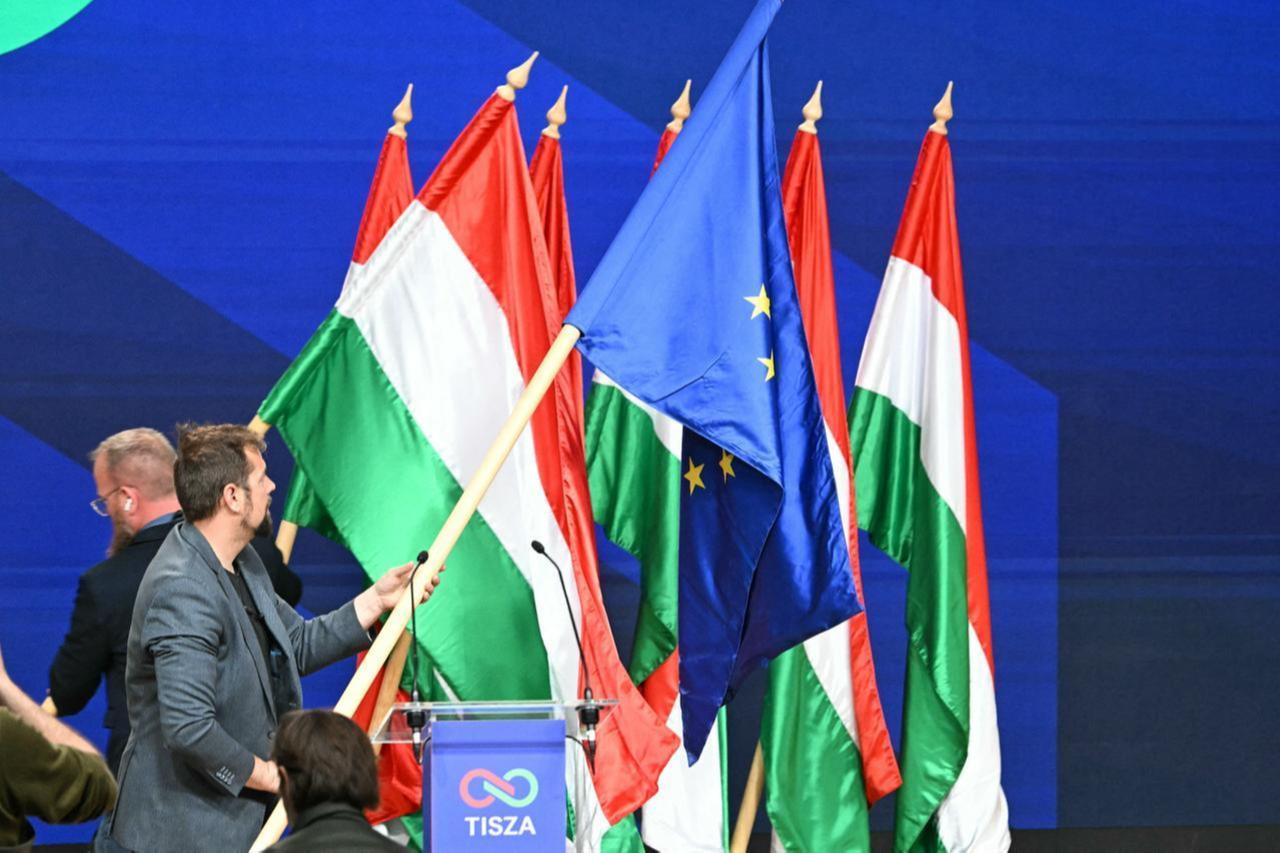


Hungary's incoming leader Peter Magyar extended an invitation to Israeli Prime Minister Benjamin Netanyahu to attend commemorations marking the 70th anniversary of the 1956 Hungarian Uprising, signaling that Budapest intends to maintain its historically warm relationship with Israel under new leadership.
The outreach came during Magyar's first telephone conversation with Netanyahu following the Hungarian general election, in which Magyar's Respect and Freedom Party, known by its Hungarian acronym Tisza, emerged victorious. The call was confirmed in a statement issued by the Israeli Prime Minister's Office.
During the conversation, Magyar expressed his desire to preserve the close bilateral relationship between the two countries, an approach that Netanyahu welcomed. The Israeli prime minister, in turn, extended his own invitation to Magyar for an intergovernmental meeting planned to take place in Israel.
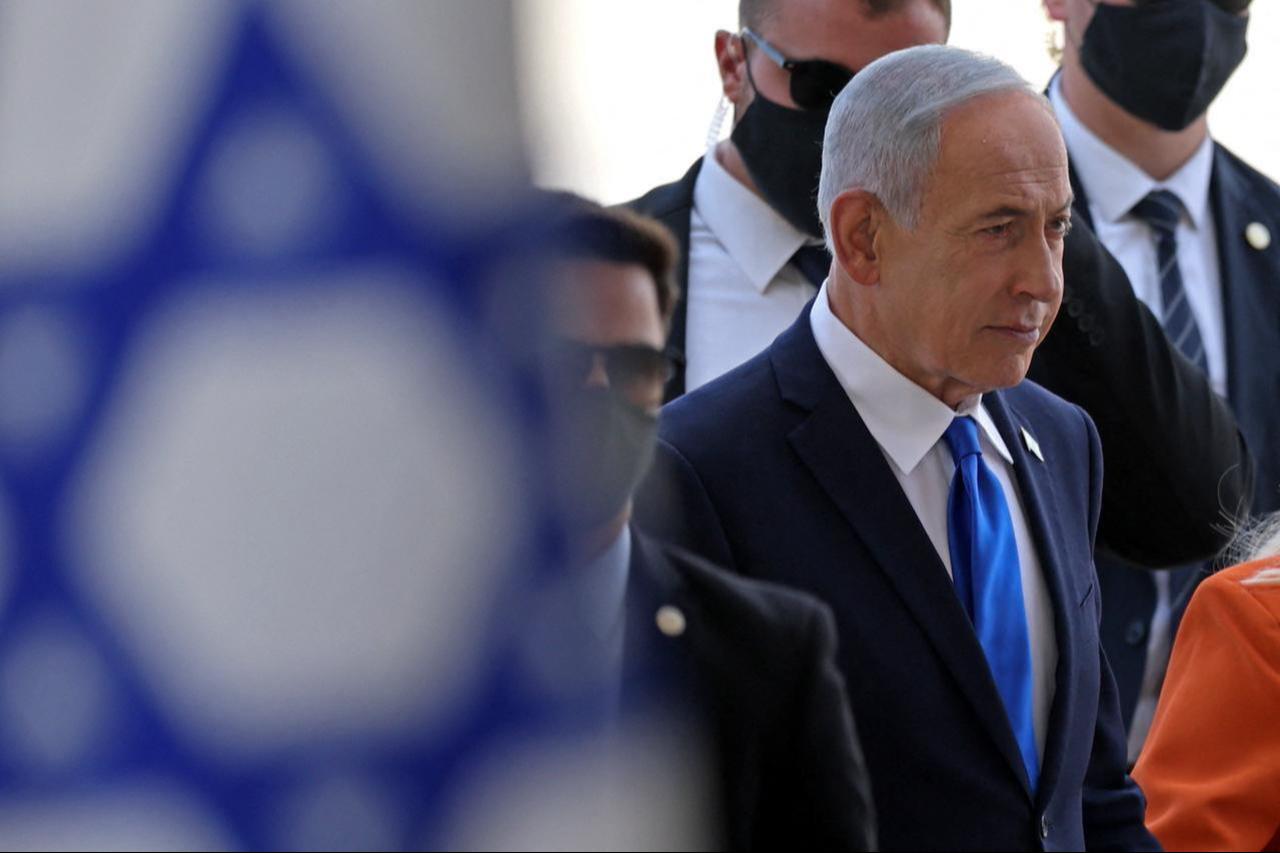

The two leaders also agreed that their respective foreign ministers would convene in the near future to discuss bilateral affairs, laying the groundwork for formal diplomatic engagement ahead of any summit-level meetings.
Netanyahu's willingness to engage with Magyar quickly after the election result reflects Israel's interest in preserving institutional ties that had flourished under outgoing Prime Minister Viktor Orban, whose government maintained one of the most Israel-friendly postures in the European Union.
Hungary and Israel developed unusually close ties during Orban's tenure, with Budapest frequently diverging from European Union consensus on Middle East policy and resisting bloc-wide criticism of Israeli military operations. Magyar's early signals suggest he does not intend to rupture those arrangements, even as his political platform diverged sharply from Orban's on issues of democratic governance and rule of law.
Whether that warmth will translate into the same degree of diplomatic solidarity remains to be seen, particularly as Magyar faces pressure from European partners to realign Hungary more closely with broader EU foreign policy positions.
The Hungarian Uprising of 1956 stands as one of the defining events of 20th-century Central European history.
Beginning in October of that year, the revolt saw Hungarian citizens take up arms against single-party communist rule and the military presence of the Soviet Union. The uprising briefly succeeded in producing a change of government and a declaration of neutrality before Soviet forces crushed the revolution within days. Tens of thousands were killed or fled the country.
The 70th anniversary of the uprising, to be held in October 2026, is expected to be a major state occasion in Hungary, and Magyar's decision to invite Netanyahu places the commemoration at the center of his emerging foreign policy identity.


 Set as preferred source
 Set as preferred source


 1 min read
 1 min read