Newsletters


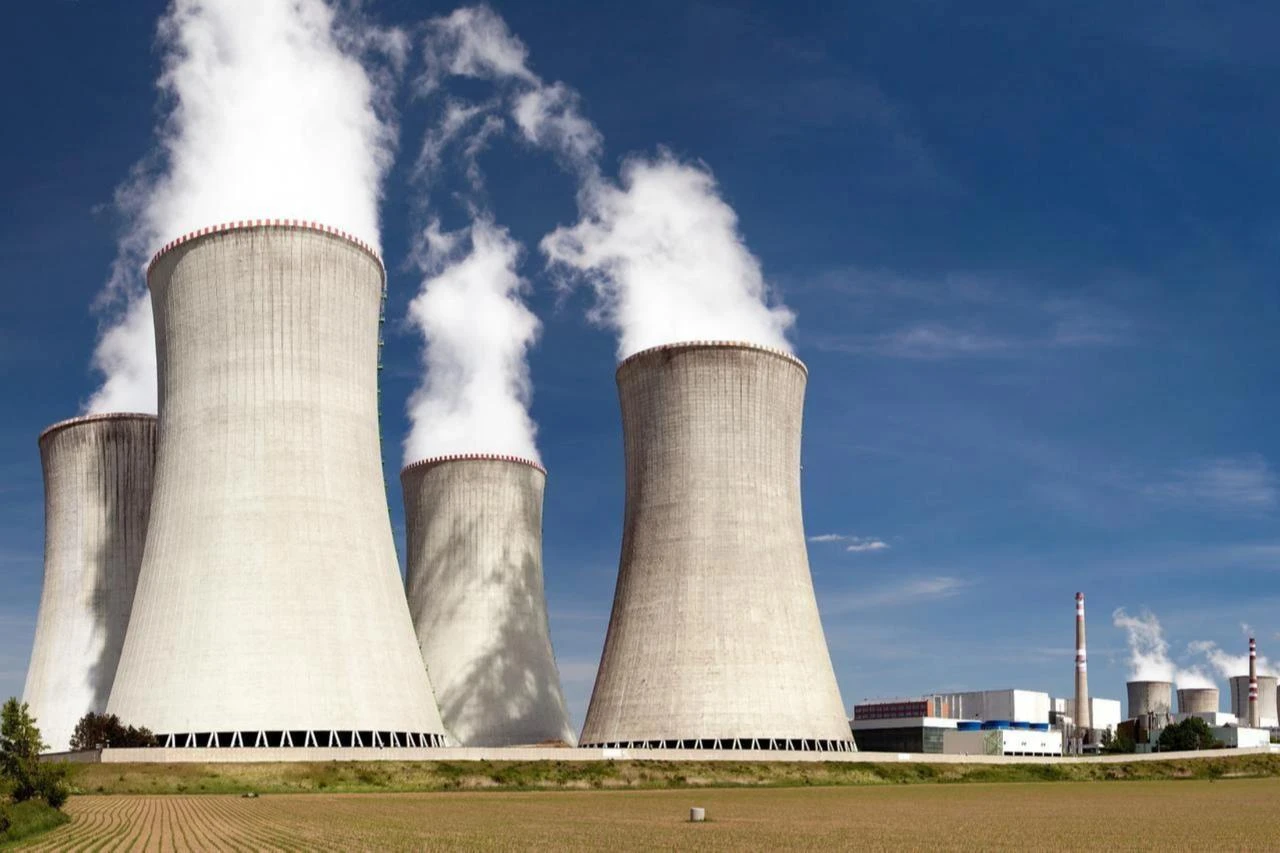


Philippine President Ferdinand Marcos said Monday that the Philippines may need to reconsider nuclear power as the country faces the region’s highest electricity prices, rising inflation and energy pressures linked to the war in the Middle East.
Marcos, who declared a national energy emergency this year, raised the possibility during a wide-ranging State of the Nation address before a joint session of Congress.
“Perhaps it is time for us to revisit nuclear energy production,” Marcos said.
“We will ensure it is safe. We will ensure the good benefits of nuclear energy will be explained properly to the public.”
He did not provide specific details about how the country might revive or develop nuclear energy.
The Bataan Nuclear Power Plant, the only nuclear facility in the Philippines, was completed in the 1980s but never entered operation because of corruption allegations and safety concerns.
The Philippines has held exploratory discussions on nuclear energy with several countries, including Japan, France, Russia and the U.S.
In May 2024, the Philippines announced an agreement with the U.S. to train Filipinos to construct and operate nuclear power plants.
Carlo Arcilla, former director of the Philippine Nuclear Research Institute, told Agence France-Presse (AFP) that bringing nuclear energy back into the national discussion was a “no-brainer.”
“While it’s true that we have hydro and geothermal, these are not enough. We’ve experienced a lot of brownouts, especially in the Visayas,” Arcilla said.
The Visayas region in the central Philippines is home to more than 20 million people.
“I hope the president follows this up with concrete action,” Arcilla added.
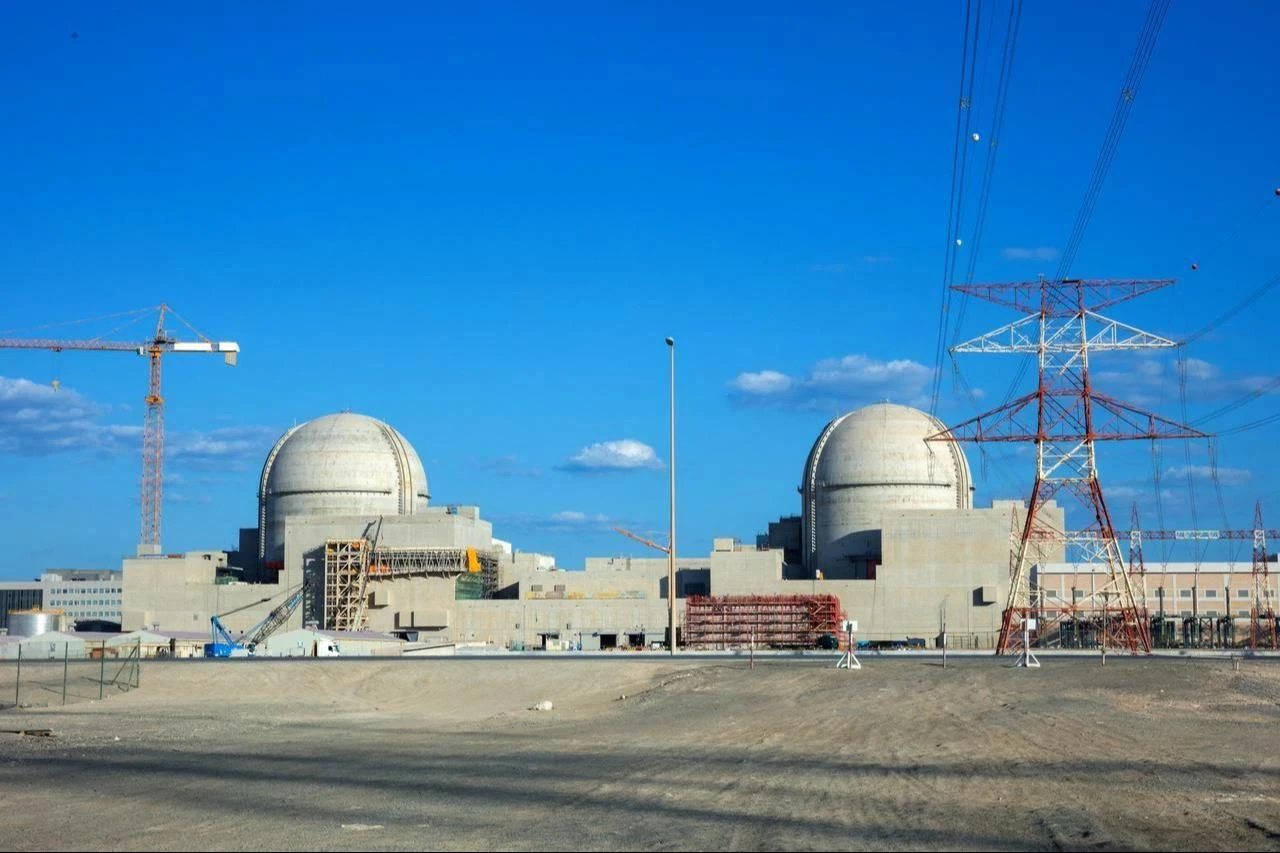

Energy Secretary Sharon Garin said in March that the import-dependent archipelago planned to increase output from its coal-fired power plants to keep electricity prices down.
The plan came as the war in the Middle East disrupted gas shipments and placed additional pressure on energy costs.
Marcos placed rising electricity prices and inflation at the center of his address, arguing that the country needed measures to ease the burden on households.
Marcos also announced a series of measures aimed at providing relief to the country’s struggling middle class.
Under the proposal, people earning up to 350,000 pesos, or $5,670, would be fully exempt from income tax.
The previous tax-free threshold was 250,000 pesos.
The measures were presented as part of the government’s response to rising energy costs and inflation.


 Set as preferred source
 Set as preferred source


 1 min read
 1 min read