Newsletters


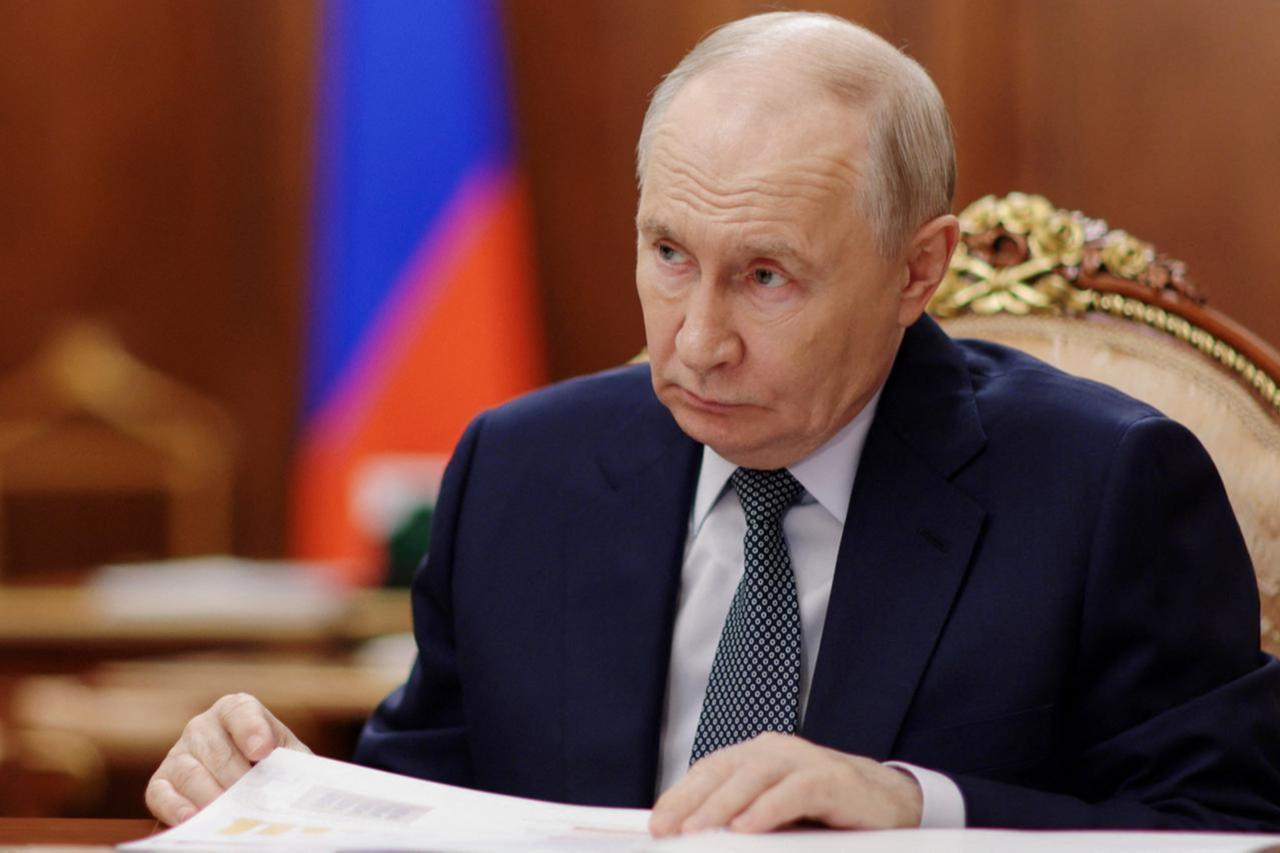


The Russian Embassy in Germany on Tuesday rejected as "unsubstantiated, absurd and irrational" Berlin's allegations that Russian intelligence services orchestrated an attempted drone attack at Leipzig Airport, accusing Germany of systematically dismantling the framework of bilateral cooperation.
The rejection came after Germany blamed Russia for the plot and announced the closure of Russia's Consulate General in Bonn along with the termination of a decades-old cultural cooperation agreement, prompting the European Union to voice solidarity with Berlin.
The Russian Embassy said on Telegram that its ambassador had been summoned to the German Foreign Ministry and presented with a formal protest over Russia's alleged involvement in the Aug. 5 incident, which involved an explosive-laden drone.
The ambassador rejected the allegations outright, describing Germany's response as an "unprecedented escalation" in bilateral relations and warning it would carry consequences for which Germany would bear full responsibility.
According to the embassy's statement, the ambassador argued that the Leipzig incident served the interests of "the Kyiv regime, the militaristic wing of the European political class, and the magnates of the military-industrial complex interested in fueling the Ukrainian conflict."
Russian Foreign Ministry spokesperson Maria Zakharova echoed the rejection in remarks to the state news agency Tass, accusing Berlin of inventing a "far-fetched pretext" without presenting convincing evidence.
"Both the Russian House and our Consulate General in Bonn have long been harassing the ruling elite. Now they've come up with a pretext. Well, they'll get a fitting response," she said.
Zakharova also accused Germany of fueling the war in Ukraine and said Moscow would respond to what she called all "anti-Russian" decisions.
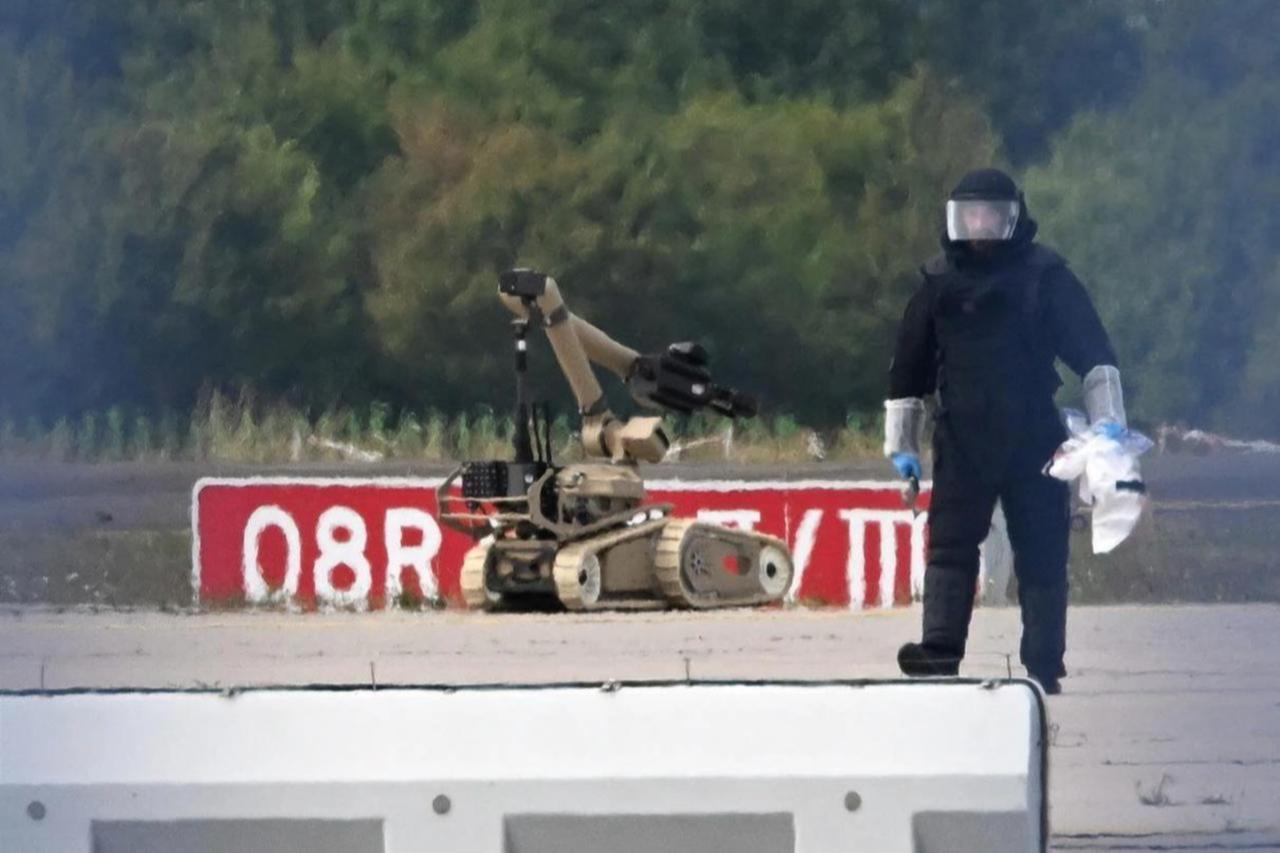

The Russian rejection followed a news conference in Berlin at which Interior Minister Alexander Dobrindt said investigators had determined that the Leipzig plot was planned by Russian intelligence services and carried out by low-level operatives.
Foreign Minister Johann Wadephul said he had summoned Russia's ambassador to formally protest and to notify Moscow of Berlin's response.
"The Russian Consulate General in Bonn will close on Sept. 18. The agreement regarding the Russian House in Berlin is being terminated," Wadephul said.
The 2011 agreement covered Russian cultural and information centers in Germany, including the Russian House in Berlin, a Soviet-era institution that Western officials have long viewed as a possible cover for intelligence activity.
 1 min read
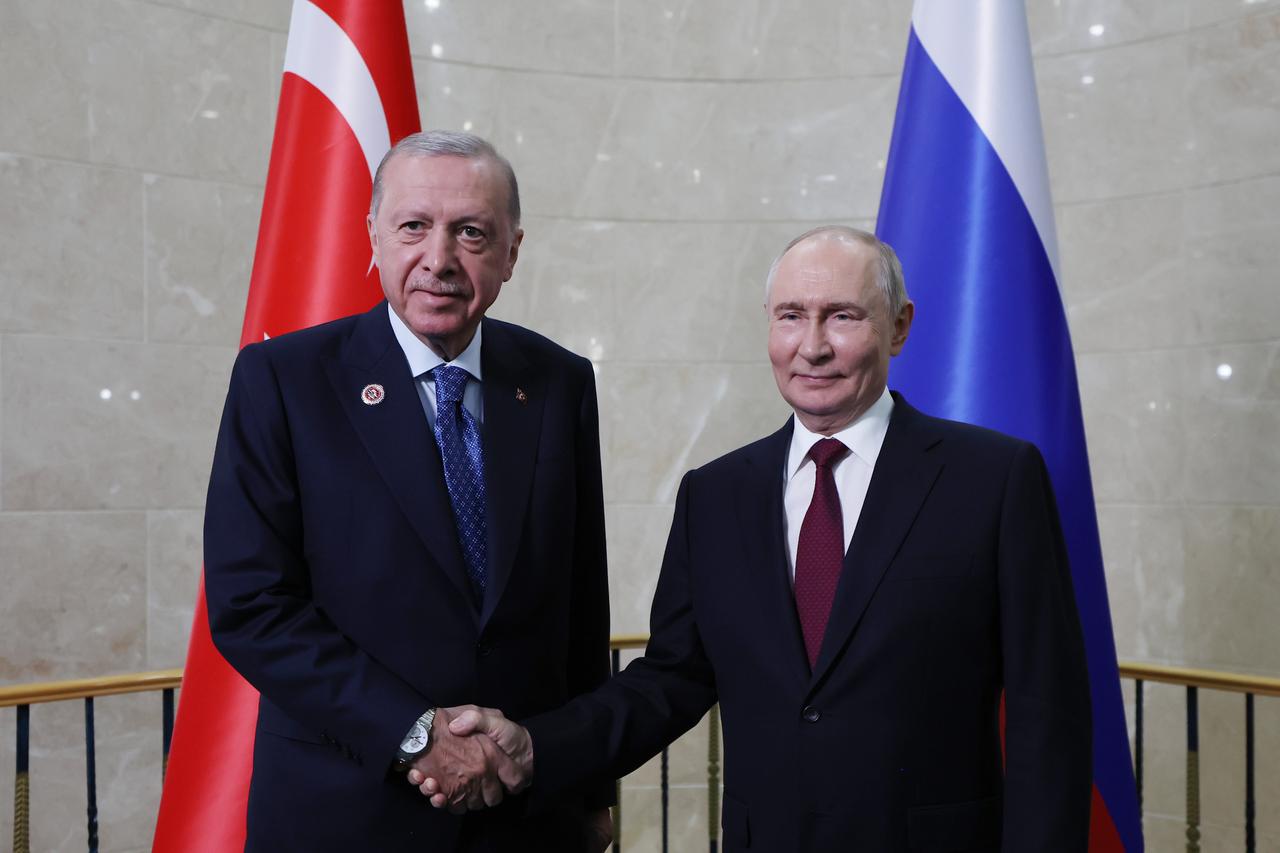
European Commission President Ursula von der Leyen backed Berlin's response, writing on the social media platform X that "hybrid attacks will not go without a clear response."
She said she had spoken directly with German Chancellor Friedrich Merz and pledged the European Union's full solidarity with Germany.
"We will keep the EU united despite these escalating and serious acts," von der Leyen wrote, adding that member states were resolved to stand firm against what she termed Russian aggression.
"We will deter anyone who seeks to undermine our freedom and security. Russia is seeking to sow distrust and fear among our societies. But it will fail," she said.
Von der Leyen said additional sanctions against Russia would be prepared by EU foreign ministers at their upcoming meeting, framing the move as part of continued support for Ukraine.
The term "hybrid attacks" has increasingly been used by European officials in recent years to describe covert or deniable actions, including drone incursions, cyberattacks and sabotage, that fall short of conventional military conflict but are attributed to state actors seeking to destabilize rival nations.


 Set as preferred source
 Set as preferred source



 1 min read