Newsletters





Britain, Norway, and the United States thwarted a covert Russian operation in Arctic waters involving technology designed to disable critical undersea cables, Reuters reported Thursday, citing Western officials familiar with the incident.
The operation took place near Norway's remote Svalbard archipelago in the spring and involved deep-sea submersibles operated by Russia's Main Directorate of Deep-Sea Research, known by its Russian acronym GUGI, according to Reuters.
Two Western officials told the news agency that the Russian vessels were conducting an exercise simulating the deployment of technology capable of damaging subsea cables while making the source of the disruption difficult to identify.
British, Norwegian, and U.S. forces tracked and confronted the vessels at sea, preventing them from completing the exercise before they eventually left the area, the officials said.
Britain and Norway had disclosed in April that they had detected covert Russian activity in Arctic waters, but Reuters said the technology involved, the location of the operation, and U.S. participation had not previously been reported.
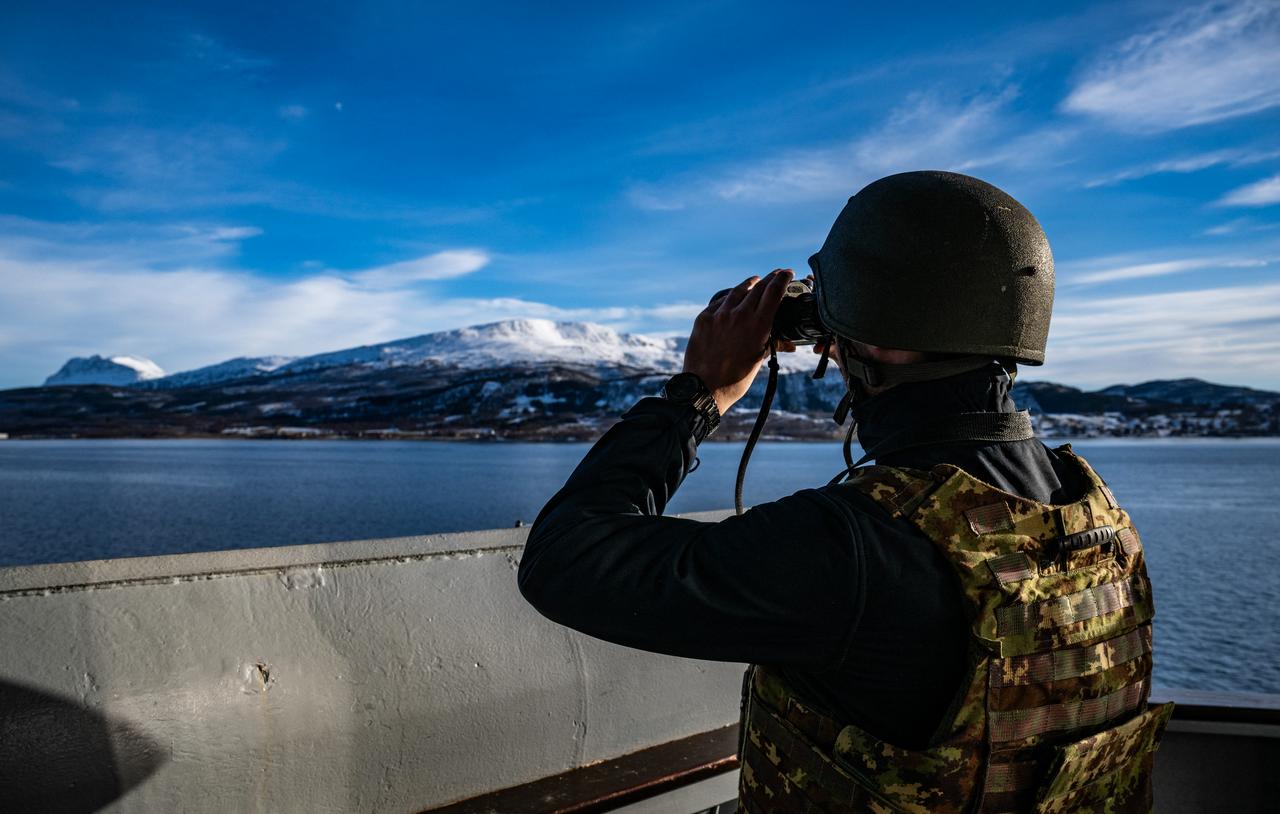

The incident comes amid growing concern among some Western intelligence officials that Russia could expand sabotage operations against European infrastructure as tensions with NATO remain high.
Some U.S. intelligence analysts are increasingly concerned that Moscow could seek to test NATO's Article 5 collective defense commitment, three U.S. officials told Reuters. Under Article 5, an armed attack against one NATO member is considered an attack against all members.
The Western officials said disrupting subsea cables could play a significant role in such a scenario.
Two fiber-optic cables stretching about 1,400 kilometers between Svalbard and mainland Norway run at depths of up to 2,700 meters. They carry large volumes of satellite data from the SvalSat ground station, which is part of NASA's Near Space Network.
No cables were damaged during the Russian exercise, according to the officials.
Russia's Defense Ministry did not respond to Reuters' request for comment on the incident. The Kremlin has repeatedly denied conducting sabotage operations in NATO countries or preparing for a confrontation with the alliance.
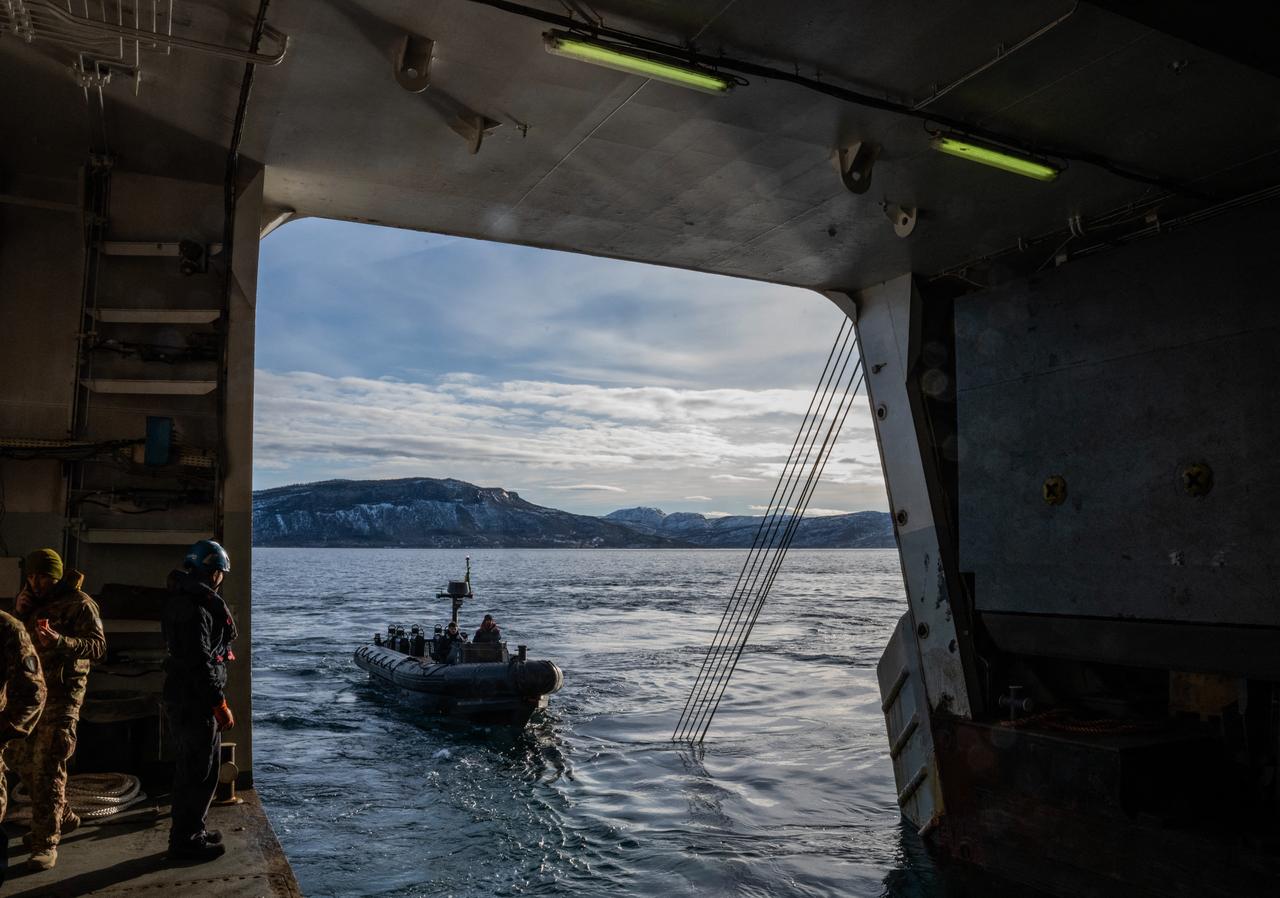
British and Norwegian officials also presented their findings to Moscow while the confrontation was taking place, seeking to demonstrate that they were aware of the technology and could detect its deployment, Reuters reported.
Norwegian Defense Minister Tore Sandvik said the joint operation had demonstrated that Russia could not conduct such activities undetected.
“We have made it unequivocally clear to Russian authorities that any attempt to target our critical infrastructure will be detected and met with consequences,” Sandvik said, adding that escalating tensions in the High North was in no one's interest.
Britain's Defense Ministry referred to statements issued April 9 acknowledging attempted covert activity in and around British and Norwegian waters by GUGI. Both Washington and London have imposed sanctions on the Russian directorate.
The White House did not respond to Reuters' request for comment, while the CIA declined to comment.
Reuters also reported that CIA Director John Ratcliffe traveled to Moscow in August and warned Russian intelligence officials against escalating sabotage operations in Europe, citing two people familiar with the matter. It was unclear whether the Arctic subsea operations were discussed during the visit.
NATO countries have stepped up efforts to protect undersea infrastructure following a series of incidents involving cables and pipelines in European waters.
The alliance launched its Baltic Sentry monitoring initiative in January 2025, while Britain leads the Nordic Warden operation aimed at increasing surveillance around critical maritime infrastructure.
According to data cited by Reuters from maritime risk analytics company Windward, at least 11 subsea cables were damaged or cut in the Baltic Sea between October 2023 and the end of 2025.


 Set as preferred source
 Set as preferred source


 1 min read


 1 min read