Newsletters


The death toll from flash floods and landslides in Nepal and the Tibet Autonomous Region of China has risen to 750. At the same time, more than 3,000 people remain missing, according to figures released by authorities and local media on Sunday.
In Nepal, a landlocked South Asian country bordering China and India, 2,498 people remain missing, including hundreds of foreign nationals. Chinese authorities reported 16 deaths and 546 people missing in Tibet, the mountainous region in southwestern China.


Search and rescue operations are underway for the missing, including 933 workers at hydropower projects, 589 foreign nationals, 127 Nepali nationals traveling with foreign tourists and residents from several affected districts, local sources reported.
Nearly 20,000 security personnel have rescued 8,186 people, while helicopter operations evacuated 279 hydropower workers and 227 foreign nationals to safety.
Relief operations are underway, with food and essential supplies being delivered, medical teams deployed and government cash aid distributed, Nepal News reported.
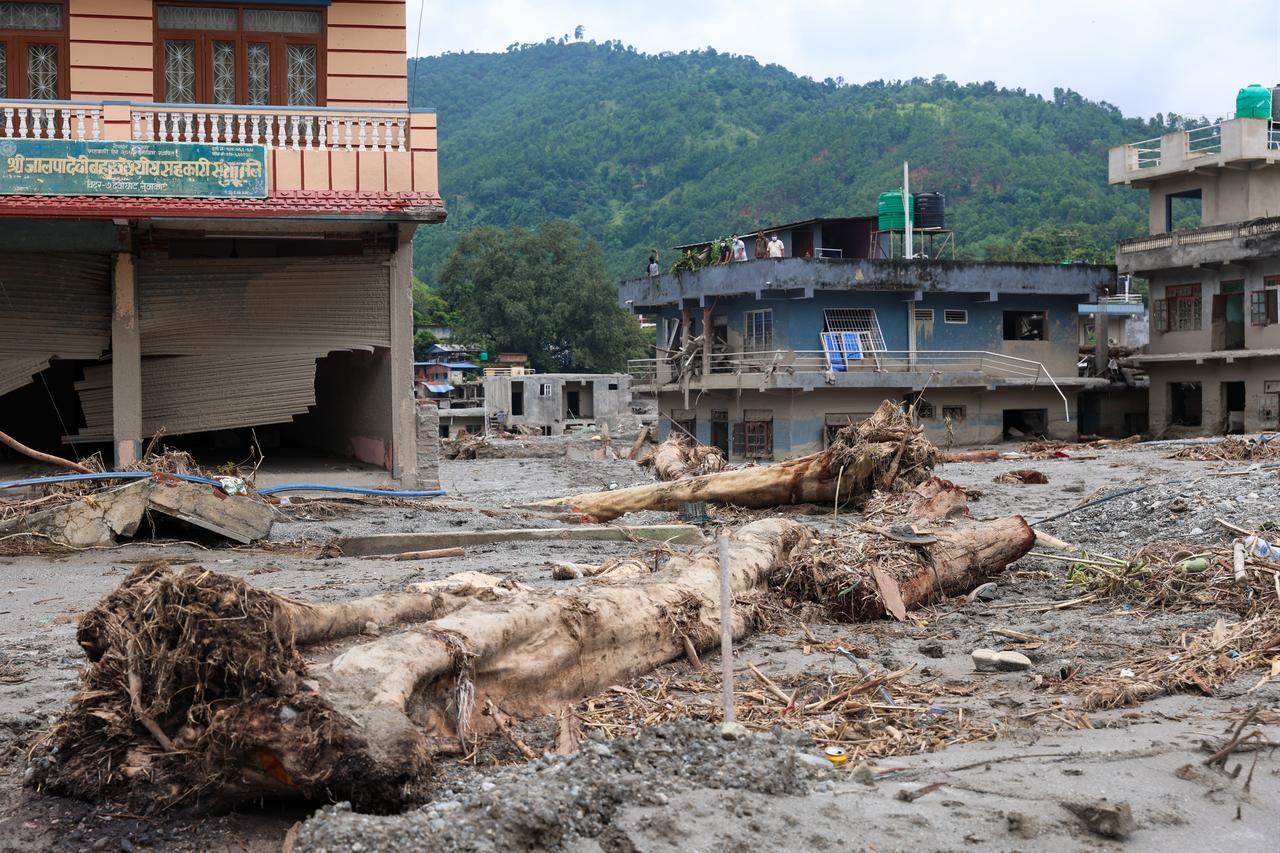
The disaster struck the China-Nepal border region on Wednesday when a sudden glacial collapse sent a surge of water and debris through Himalayan valleys, destroying villages and damaging major infrastructure.
Authorities are working to preserve evidence and find space for the dead as hospital mortuaries reach capacity and recovered remains begin to decompose.
The United States announced more than $3.6 million in humanitarian assistance for flood-hit Nepal on Saturday, including emergency food aid for up to 10,000 affected households.

Nepal Police spokesperson Deputy Inspector General Abi Narayan Kafle told the Kathmandu Post that floodwaters had carried the bodies, making identification difficult.
Many recovered remains were found mutilated, partial or severed, Kafle said, adding that many bodies had been buried under mud and water for two to three days.
Search and rescue operations have been complicated by the region's rugged terrain, steep mountains and narrow gorges.
Nepal has sought specialized assistance for tunnel rescues, survivor-detection technology, and forensic and DNA analysis, as well as equipment to preserve recovered bodies. An 11-member tunnel rescue reconnaissance team from India has arrived to support the operation.
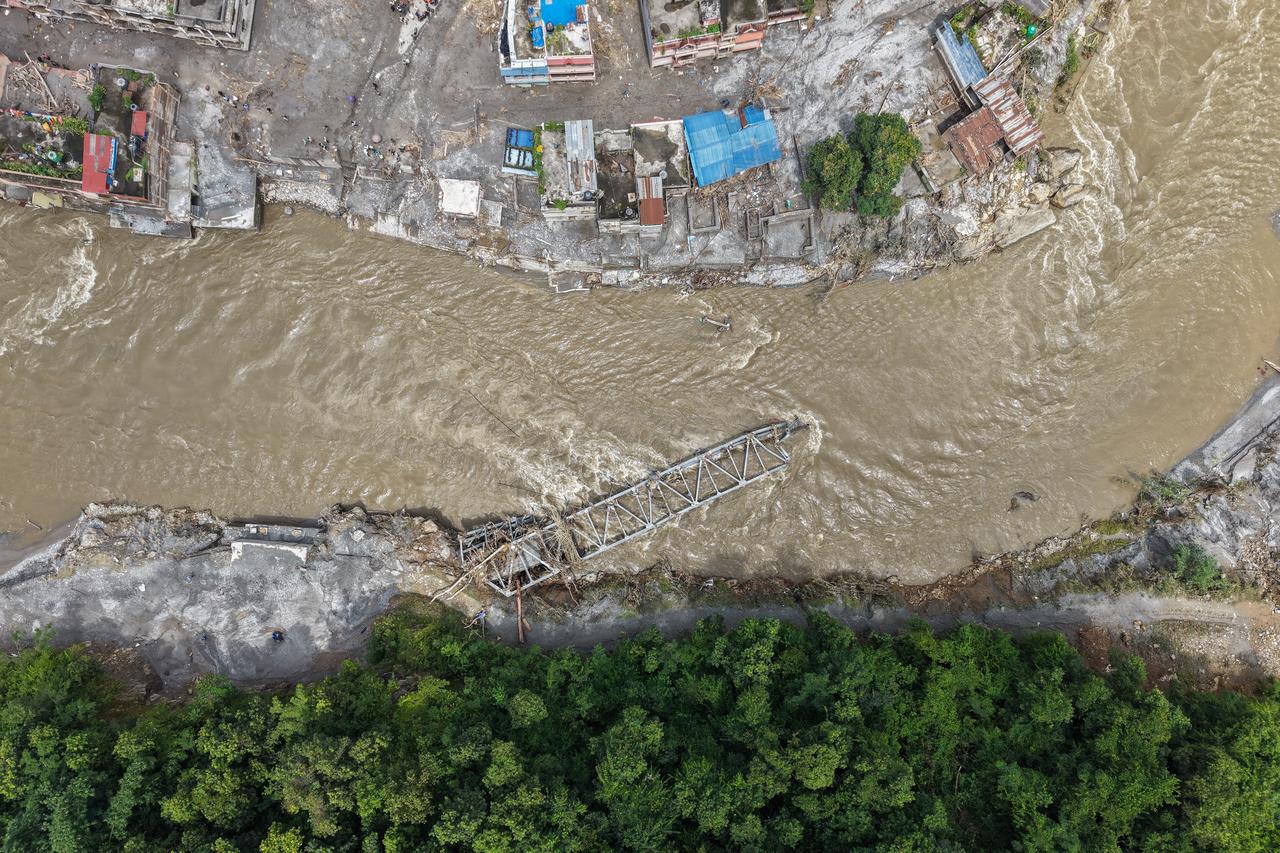
Authorities are also monitoring a newly formed lake in the Himalayas that has raised fears of another flood. Chinese officials said the lake had significantly shrunk and was 'essentially drained' after releasing its water naturally, easing concerns of an immediate new surge.


 Set as preferred source
 Set as preferred source



 4 min read