Newsletters


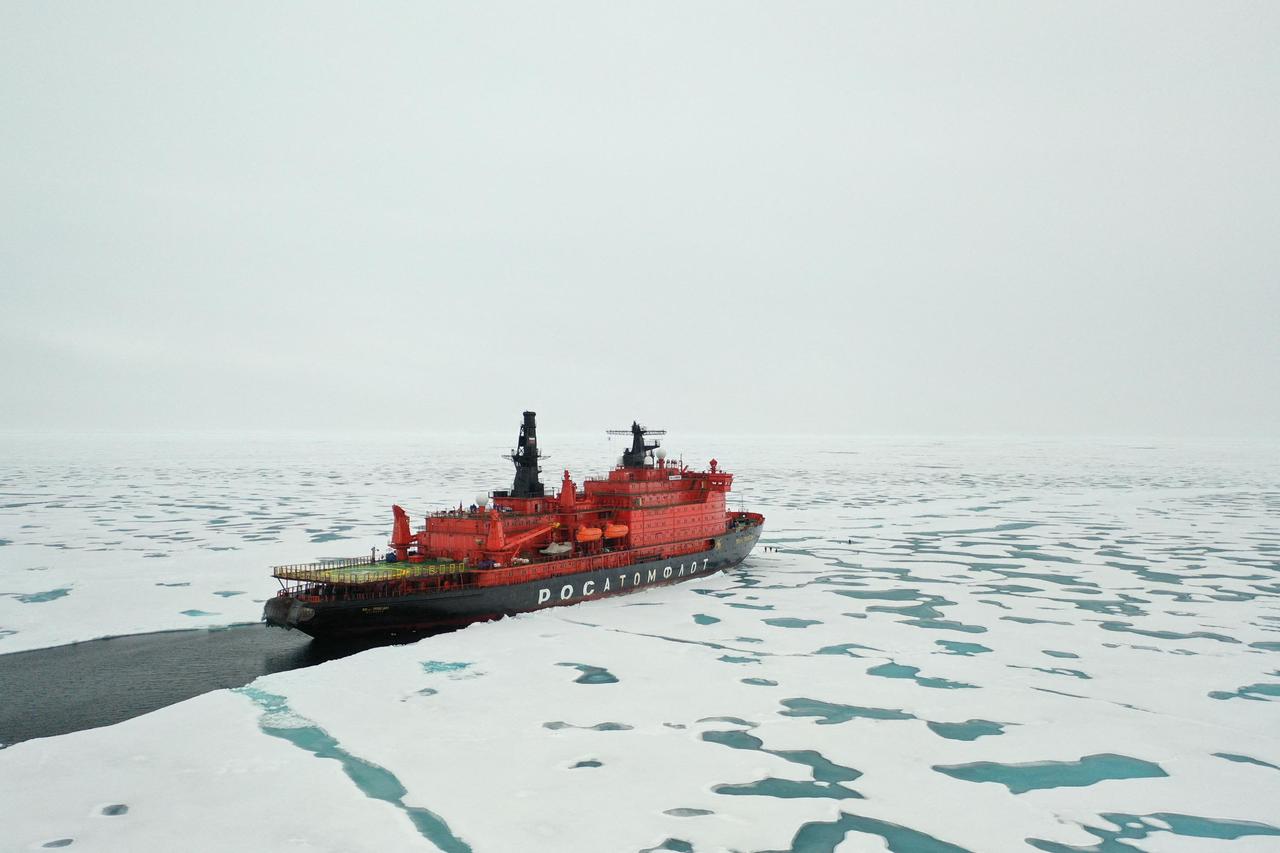


Shipping through the Arctic's Northern Sea Route hit a record 133 voyages in September, more than four times the 2022 level, as melting sea ice and disruption at key chokepoints push shipowners toward alternative routes, according to Lloyd's List Intelligence.
The September total was up 46% from August, the data showed, with Russian-flagged ships making almost half the transits.
Chinese ships have also used the route to reach European markets amid disruption in the Middle East and the Red Sea, the Financial Times (FT) reported.
Iran's throttling of the Strait of Hormuz and Houthi threats to the Bab el-Mandeb Strait have squeezed global trade routes, while drought has hit the Panama Canal this year, making the shorter Arctic passage more attractive.
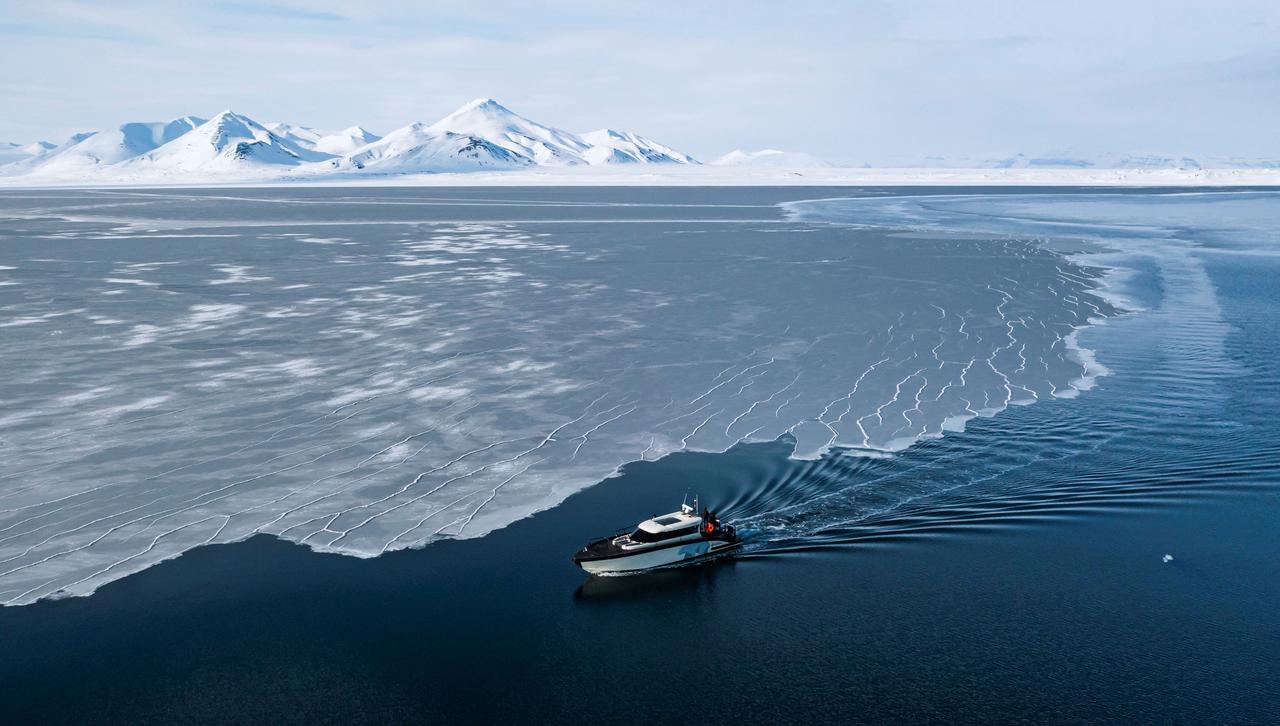

The Chinese container ship Dubai Tower sailed from Qingdao to the British port of Felixstowe via the Arctic in September, completing the voyage in 24 days, compared with 40 days or more via the Suez Canal or the Cape of Good Hope.
Another ship from the same company set out from Ningbo to Felixstowe on the same route on Sept. 27.
"It's worth watching how the use of this route develops as government and operators increasingly look for alternative shipping lanes with less exposure to geopolitical disruption," said Bridget Diakun, maritime intelligence and research director at Lloyd's List.
While liquefied natural gas carriers often use the route to reach Russia's Yamal and Arctic LNG 2 plants, bulk carrier transits rose to 29 in September from 18 in August, beating the previous high of 12 set in September last year. A record number of crude oil tankers also used the route, Lloyd's List data showed.
September is typically the busiest month, as sea ice is at its lowest and ships without icebreaking capability can transit. Northern sea ice suffered its largest single-year winter decline in 2025 since satellite records began, according to University of Southampton researchers.
The route is divided into 28 sections governed by the Rosatom-controlled Northern Sea Route administration, which issues permits to sail through the area.
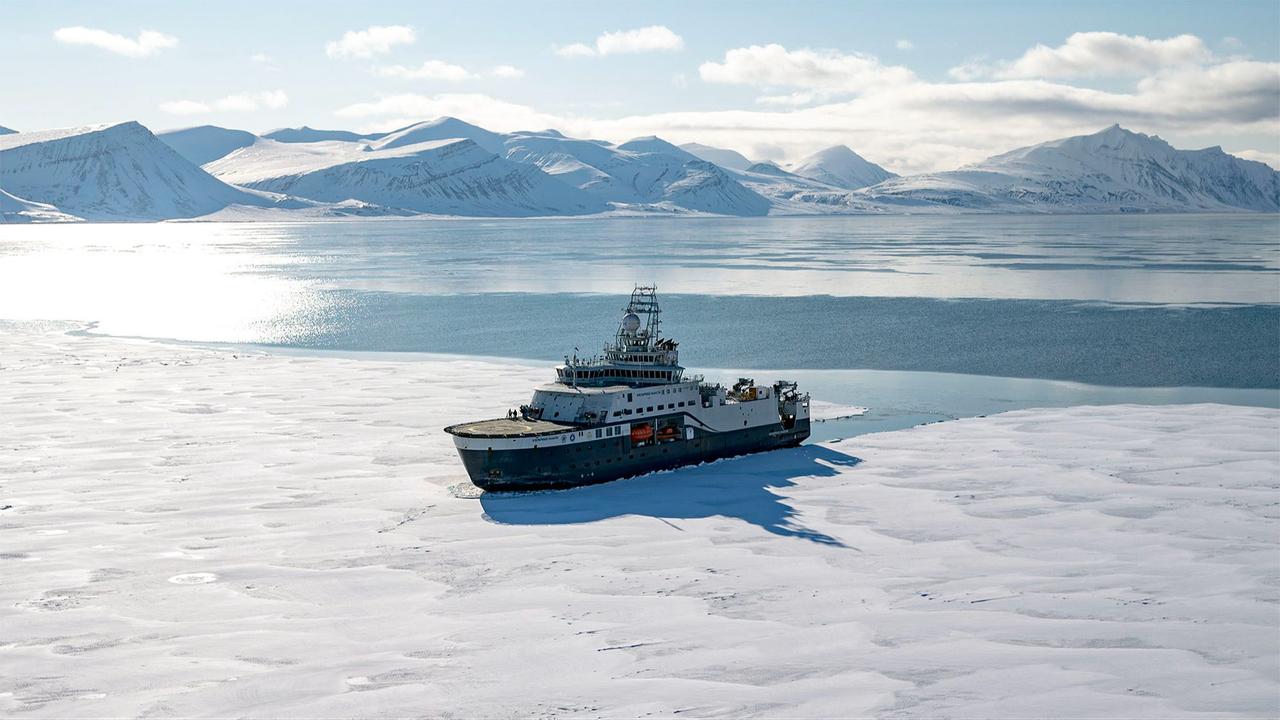
Insurers and environmentalists have warned that increasing use of the waterway could lead to a major accident, with few search-and-rescue or cleanup capabilities in the region.
"If you and I are buying goods that are using this path, we are contributing to the dangers of it," said Romain Troublé, executive director of the Tara Ocean Foundation, warning that even minor oil spills could accelerate melting.
Tom Mellor of the U.K. Hydrographic Office said navigational equipment could fail at far-northern latitudes. "I wouldn't want to go on board if you didn't have a proper system that was showing the chart correctly," he said.
Traffic on the Northern Sea Route is expected to remain sensitive to ice conditions and geopolitical disruption elsewhere.


 Set as preferred source
 Set as preferred source


 2 min read