Newsletters


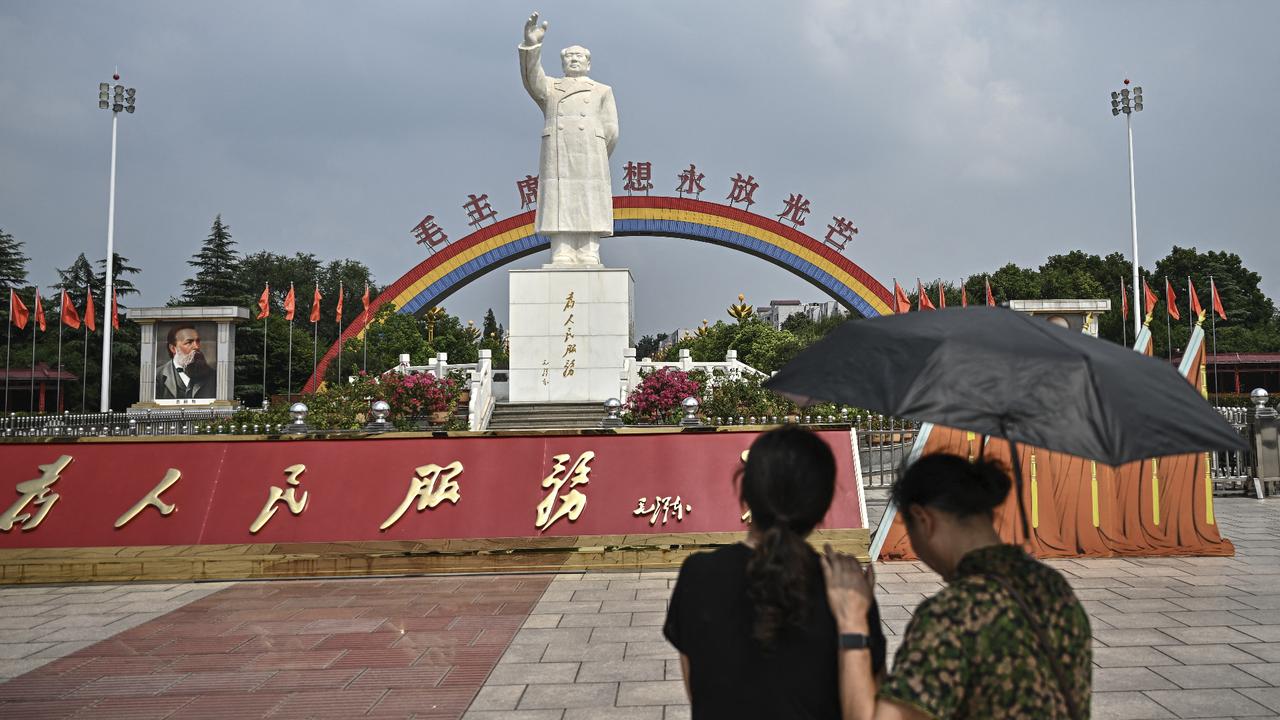
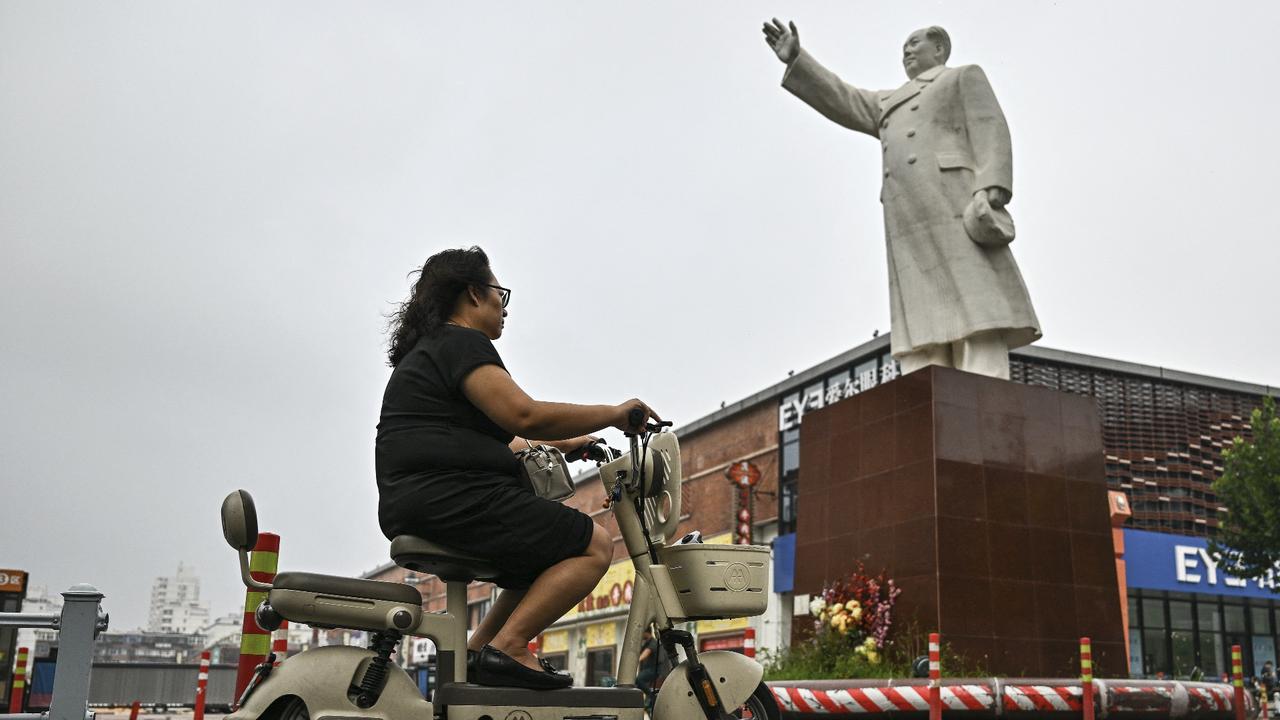
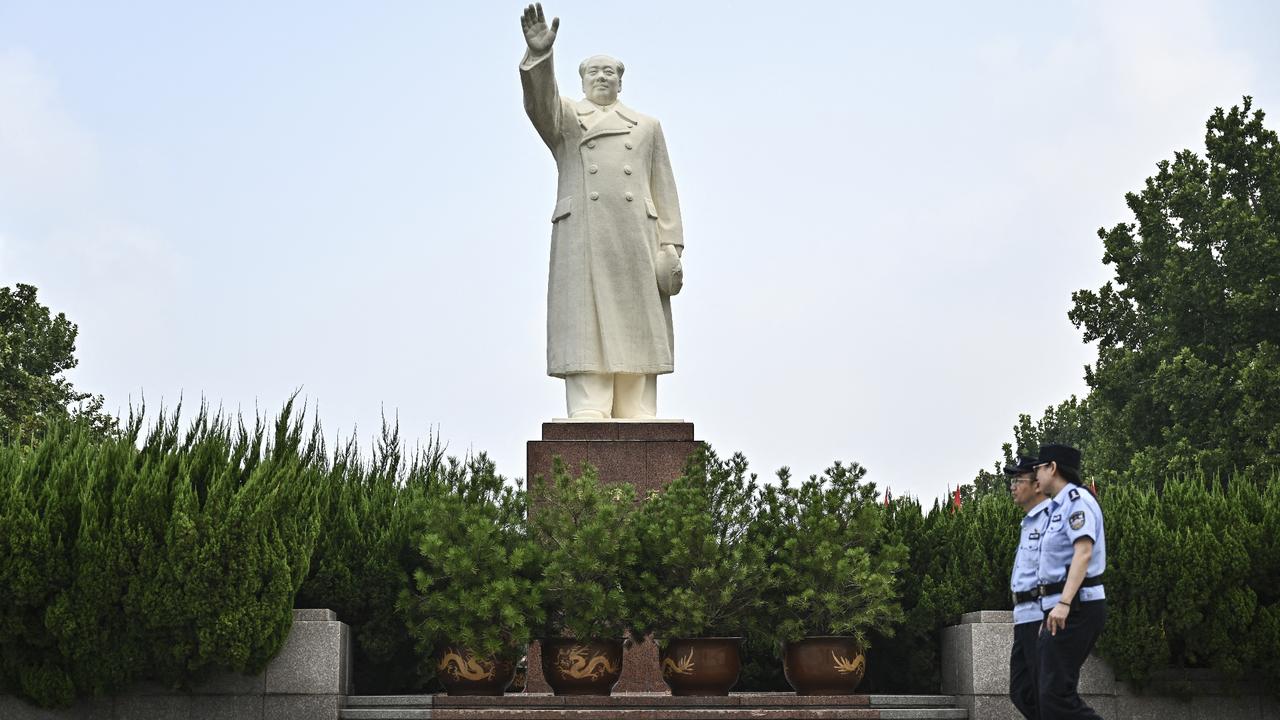
Crimson flags on Nanjie village's "East is Red" Square hang limp in the sweltering summer heat as a trickle of tourists take photos with a towering statue of Chairman Mao Zedong.
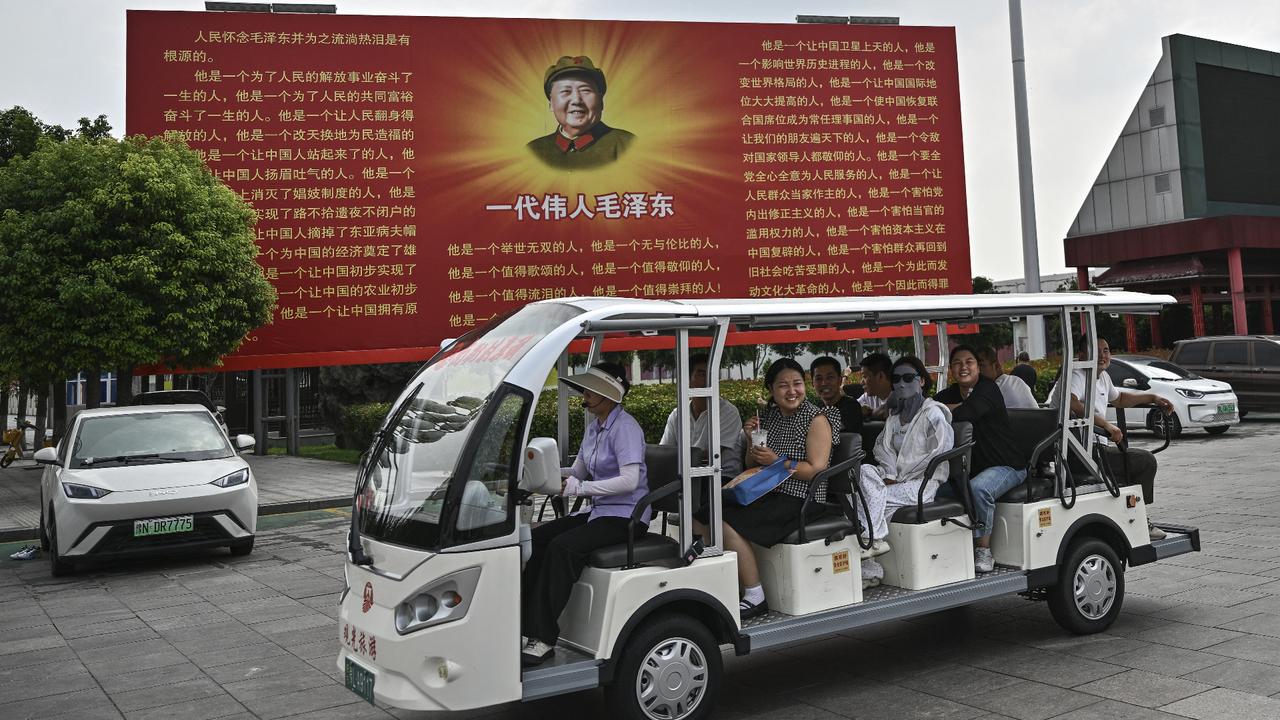
Mao, who died on Sept. 9, 1976, remains a fixture in central Henan province's Nanjie—often dubbed "China's last Maoist village."
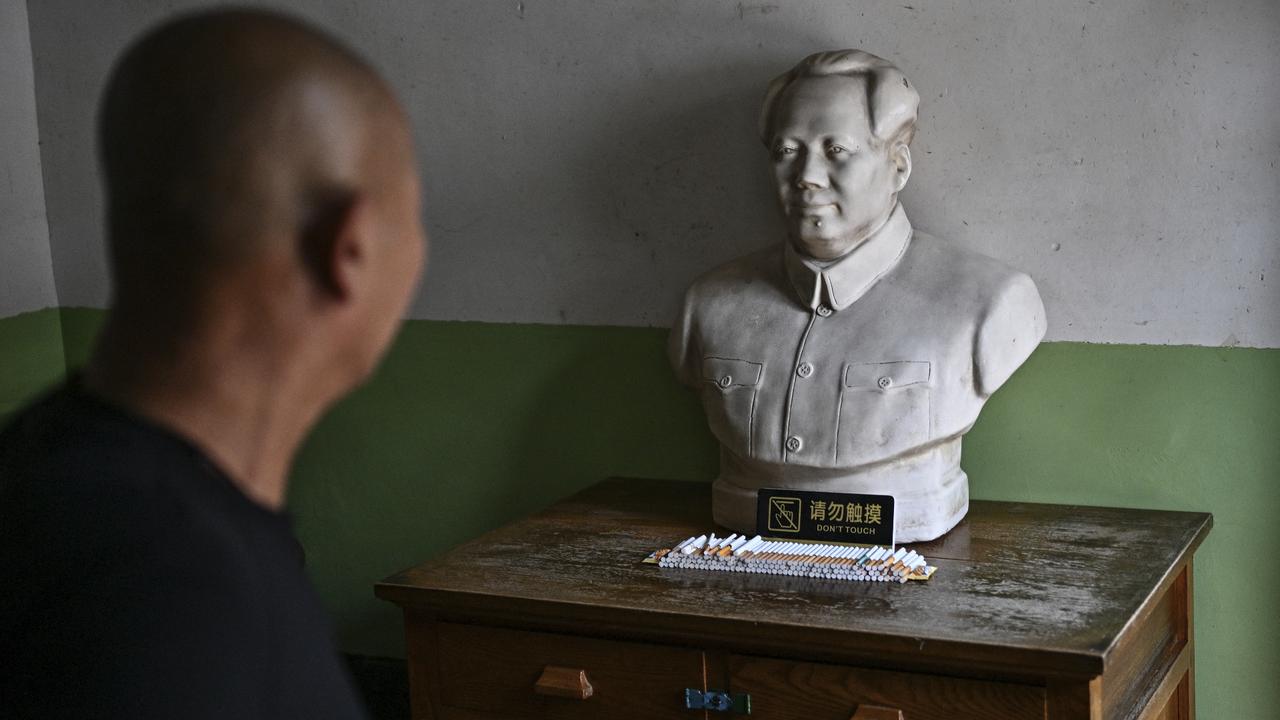
Nostalgia for Mao's egalitarian ideals is growing in China as memories of his turbulent rule fade and the country contends with a slowing economy and inequality.
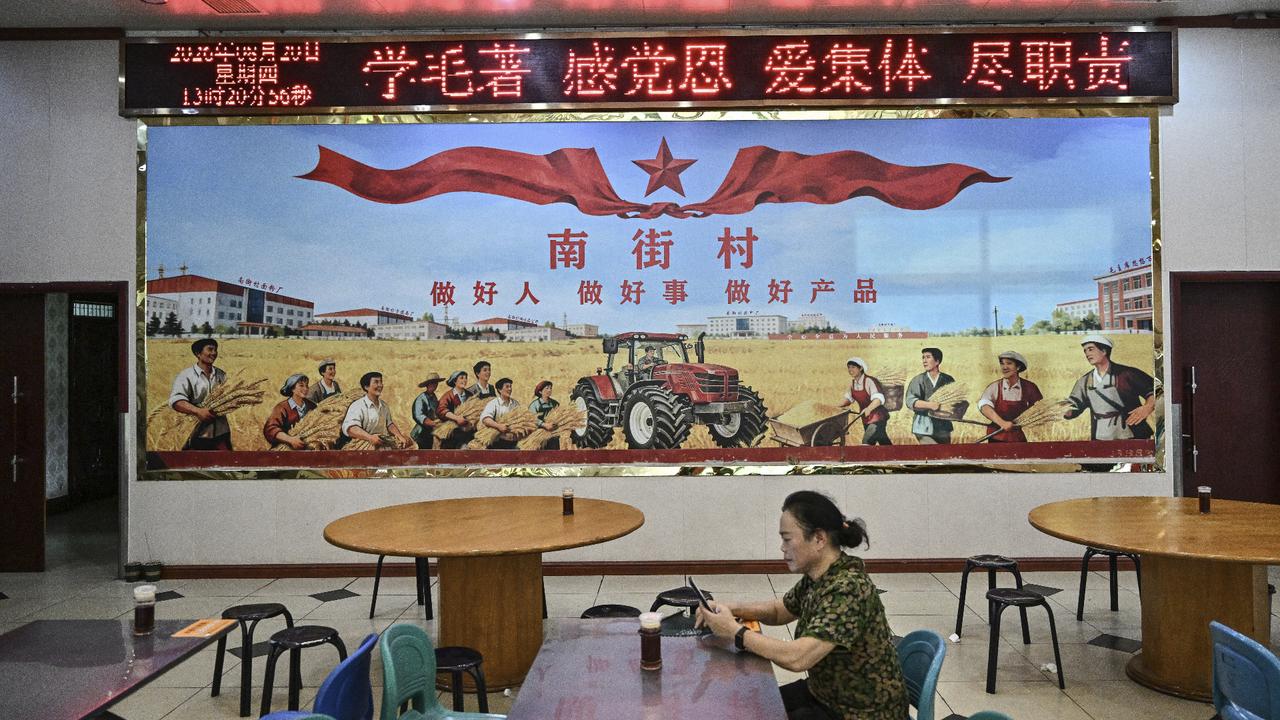
Mao, who led the 1949 communist revolution against the ruling nationalists, ushered in an era of collectivized ownership he argued would boost industry and unite the country, but historians also blame his drastic policies for mass starvation and millions of deaths.
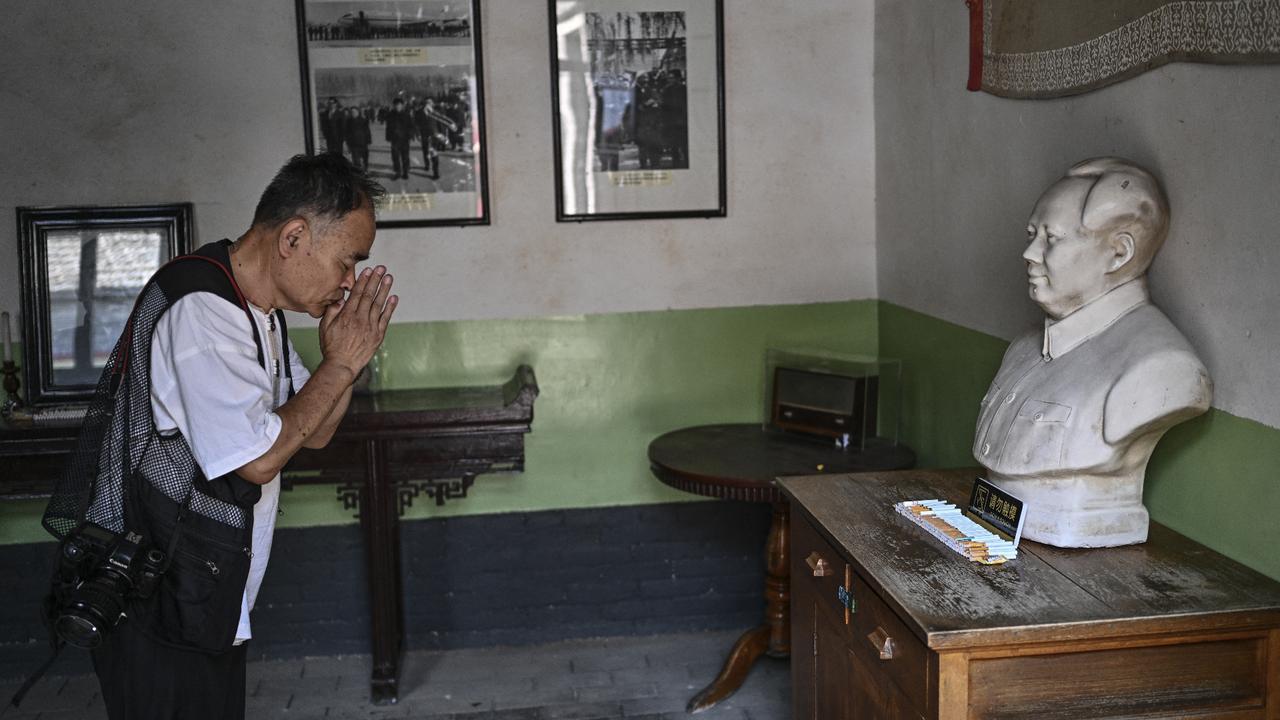
The ruling Chinese Communist Party maintains Mao was a "revolutionary hero," though it publicly acknowledged after his death that his devastating Cultural Revolution was a "grave mistake," a verdict subsequent leaders have upheld.
Countless murals of the former Chinese leader cover Nanjie village, where residents continue living under Maoist principles of shared ownership, even as the rest of the country abandoned that economic model.
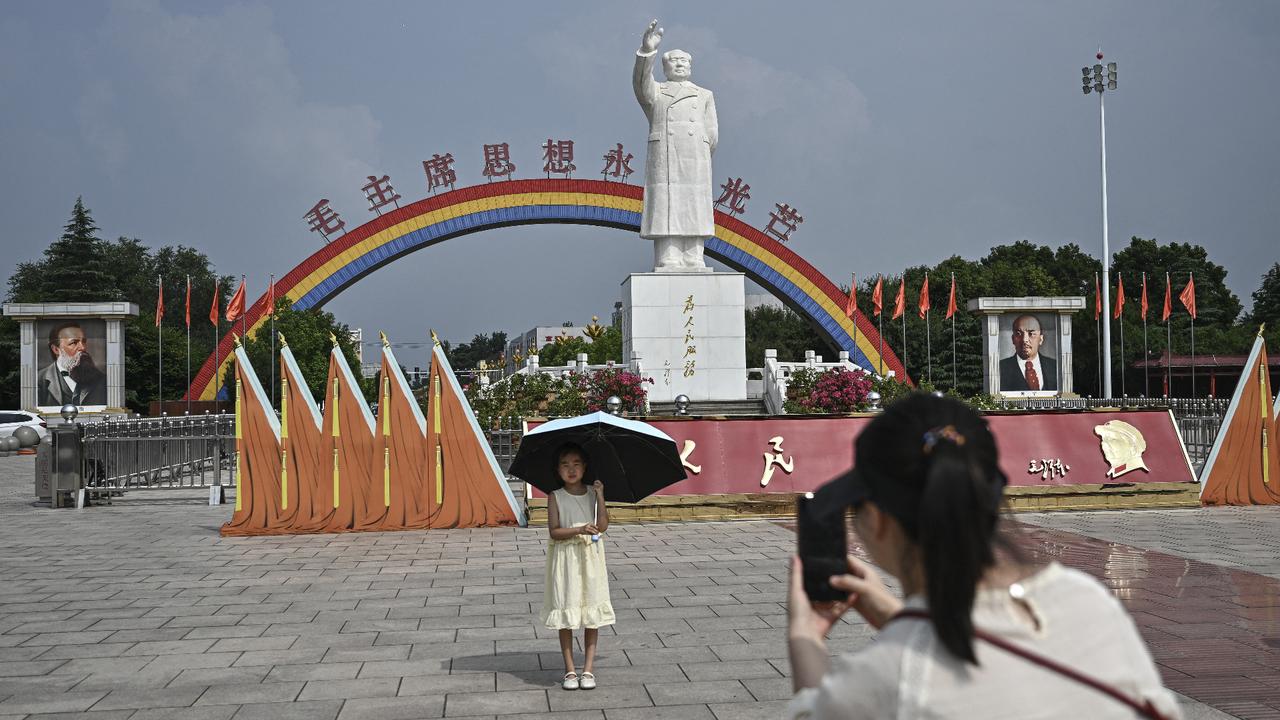
"I still revere him very much," said Xie Kaiyue, a 22-year-old local university student, speaking of Mao, who died almost 3 decades before she was born. "I think young people in the village and, actually, myself, aren't as strong-spirited as in the past... People were purer," she told Agence France-Presse (AFP).
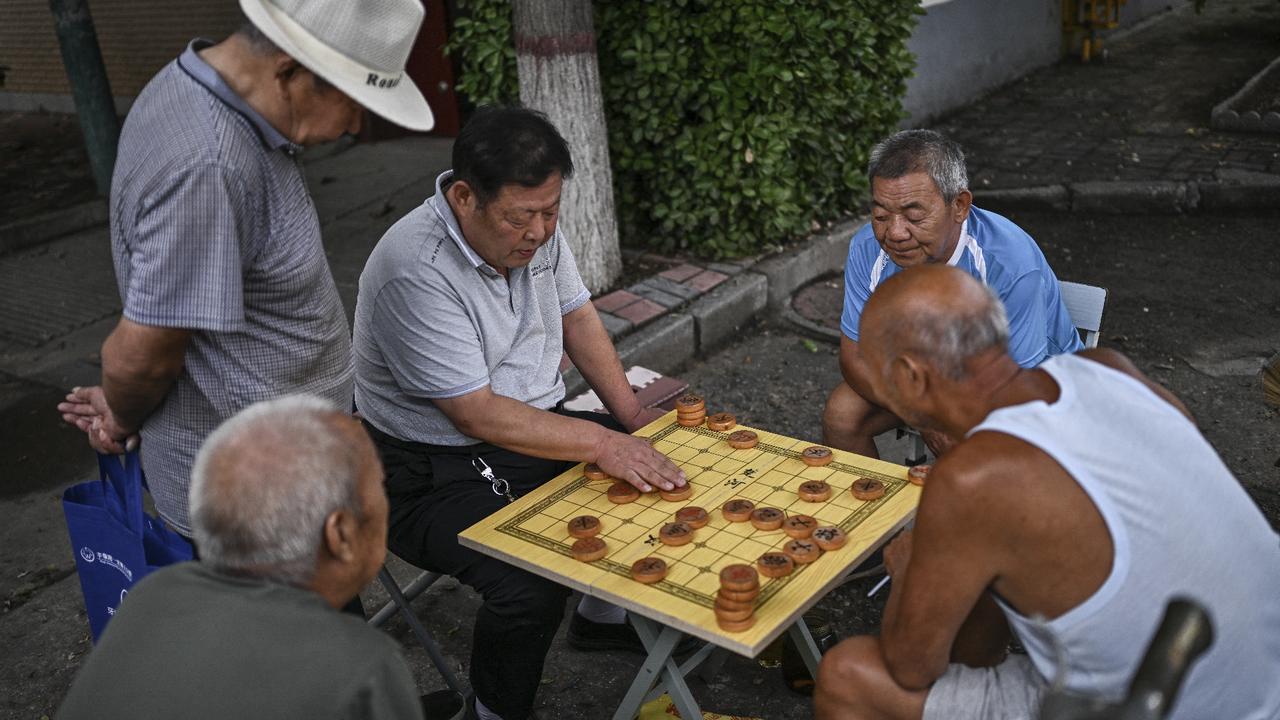
"(People) didn't have enough to eat or to wear," said Li, a 64-year-old tourist from Xi'an, recalling his childhood. "But... the whole country was full of vigour, and there was a spirit of struggling with heaven, earth, and people to change every aspect of China," the retiree told AFP. "Of course, I miss it."
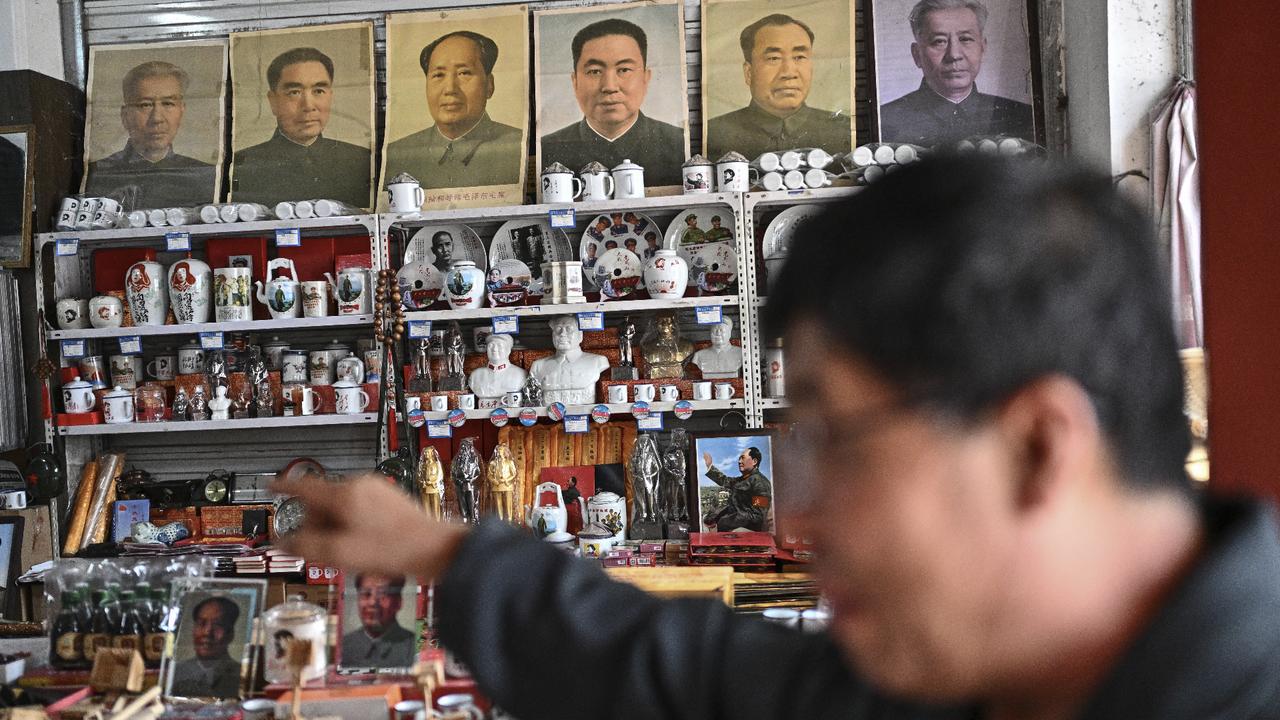
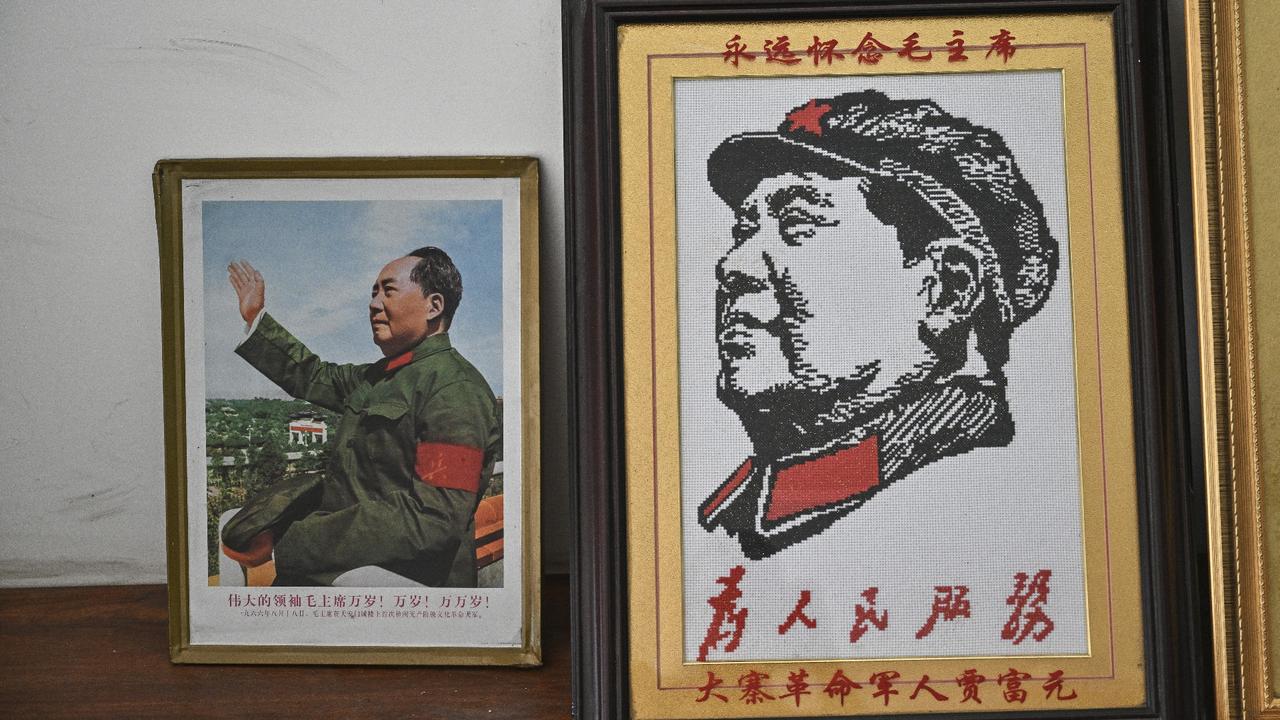
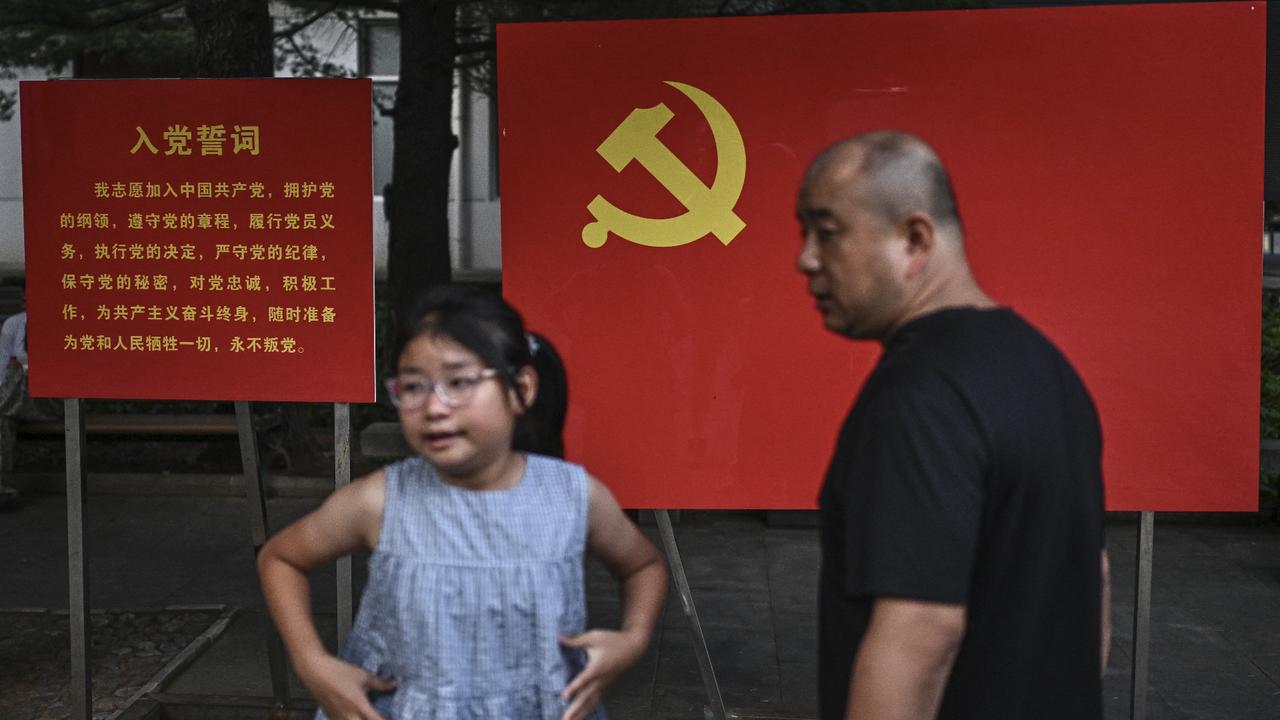
Shops in the village now overflow with items fueling Mao's personality cult, including posters, playing cards, and crockery emblazoned with his image alongside the "Little Red Book" of his quotations. Yet, references to the dark chapters of his decades in absolute power remain tightly censored in public discourse.
Mao's 1966 decade-long campaign targeted intellectuals as "class enemies" and closed schools, hindering China's educational growth. Following the earlier collectivization of land and private property, economic mismanagement led to the Great Famine—resulting in an estimated 15 million deaths according to government data, though historians place the figure between 20 and 43 million.
Authorities have further tightened public discussion under current leader Xi Jinping, who warns against "historical nihilism," or narratives contradicting the party's own.
In Shijiazhuang, an industrial city of 7 million located northeast of Dazhai, 20-year-old Wang Zhihao and his classmates posed with a giant Mao statue opposite the municipal government. "We admire and revere Chairman Mao very much. He is a great figure," Wang, speaking to AFP, said, as the sound of elderly residents singing songs praising the Communist Party drifted over from the nearby square. "He led the founding of New China."


 Set as preferred source


 4 min read