Newsletters





Senior U.S. military leaders have warned Defense Secretary Pete Hegseth that prolonged large-scale operations against Iran are unsustainable and could weaken U.S. capabilities elsewhere, including homeland defense, The Washington Post reported.
The warnings appeared in the Aug. 14 edition of the classified Secretary of Defense Orders Book, according to people familiar with the assessment.
The concerns came from the heads of the Army, Navy and Air Force and four-star commanders overseeing U.S. operations in Europe, Asia and Latin America.
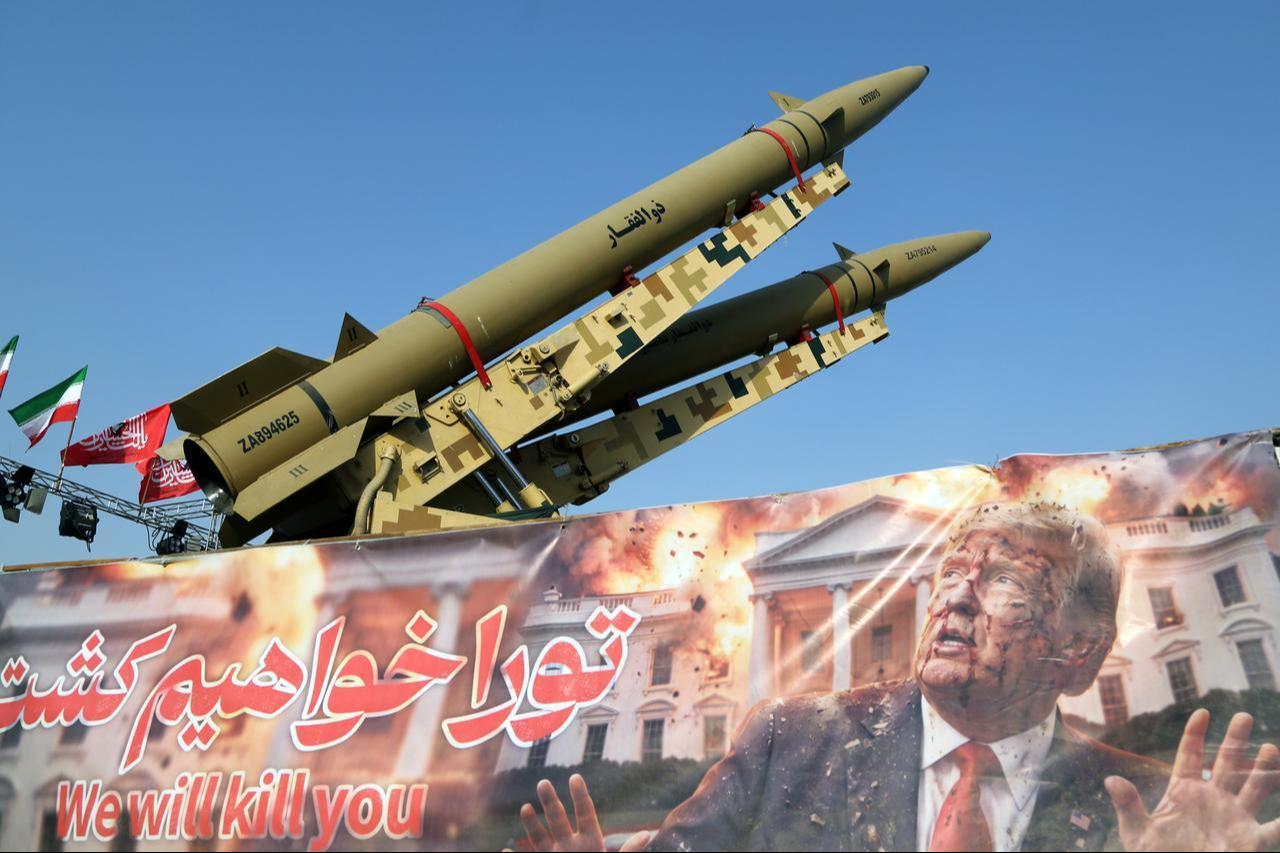
Six months into the Iran war, U.S. Central Command has kept more than 50,000 troops on alert as President Donald Trump pressures Tehran to reopen the Strait of Hormuz and accept U.S. conditions for ending the conflict while keeping further military action on the table.

The orders book directs some U.S. forces in the Middle East to remain through September and others into 2027.
The heads of European Command, Pacific Command and Southern Command, along with the Navy’s top admiral, filed “non-concur” assessments, meaning they opposed extending forces but would carry out the orders.
Ships, aircraft and other equipment have been shifted from those commands to support the Iran operation, reducing their ability to conduct missions, training and homeland-defense duties.
One person familiar with the assessment described military leaders’ view of the operation as “too much for too long.”
Army and Air Force leaders supported extending their deployments but warned of significant risks.

Adm. Daryl Caudle, chief of naval operations, reportedly warned that the Navy could not sustain its current support for the Iran conflict without a clear end date.
The Navy has supplied dozens of ships for strikes, defense against Iranian attacks and enforcement of the U.S. blockade of Iranian ports.
Caudle said barely one-quarter of the Navy’s destroyer fleet was ready to deploy, a sharp decline from prewar levels. The assessment also warned that continued demands could disrupt ship maintenance and reduce availability during another conflict.
Pacific Command chief Adm. Samuel Paparo objected to continuing to provide an aircraft carrier strike group and destroyers, while European and Southern commands warned that transfers of ships and surveillance aircraft were weakening homeland-defense missions.
The Navy’s only dedicated Pacific aircraft carrier was also sent to the Middle East to relieve another carrier that had been deployed for more than 300 days.
The Army’s 82nd Airborne Division, which mobilized 2,000 troops in March, is expected to remain in the Middle East at least through September and could stay longer.
Patriot air-defense units are also expected to have their deployments extended.
The Iran war and previous donations to Ukraine have reduced Patriot interceptor stocks, while supplies of THAAD interceptors and long-range Tomahawk missiles have also been depleted.
About 25% of the Pentagon’s Reaper drone fleet has been lost, and U.S. bases in the Middle East have sustained billions of dollars in damage, according to previous reporting cited by The Post.
The Trump administration has disputed reports of ammunition shortages.
Many Air Force units carrying out bombing missions and other operations are expected to remain in the region into 2027.

Pentagon spokesperson Sean Parnell said force commitments are determined by current threat assessments, presidential priorities and advice from senior military commanders.
He said the Pentagon does not discuss internal operational processes, including specific risk assessments or disagreements over force allocation.
The orders book is also reviewed by Joint Chiefs Chairman Gen. Dan Caine, who reportedly warned the White House before the war that the U.S. lacked sufficient munitions and allied support for an extended large-scale campaign.
The latest warnings come as Trump seeks to end the conflict on terms favorable to Washington while Iran continues to resist U.S. pressure.


 Set as preferred source
 Set as preferred source


 1 min read

 1 min read