Newsletters





The U.S. Defense Department's policy chief is drafting a new U.S. nuclear strategy that emphasizes the possible use of shorter-range tactical weapons in case of a regional war with China or Russia, five people familiar with the plans told NBC News.
The new strategy, which is classified, challenges the approach to nuclear weapons that has been settled U.S. policy for decades.
The Pentagon's strategy helps inform nuclear options for the commander in chief during crises.
The redrafting effort comes as the United States is embroiled in a war with Iran and President Donald Trump has threatened that "a whole civilization will die," according to NBC News.
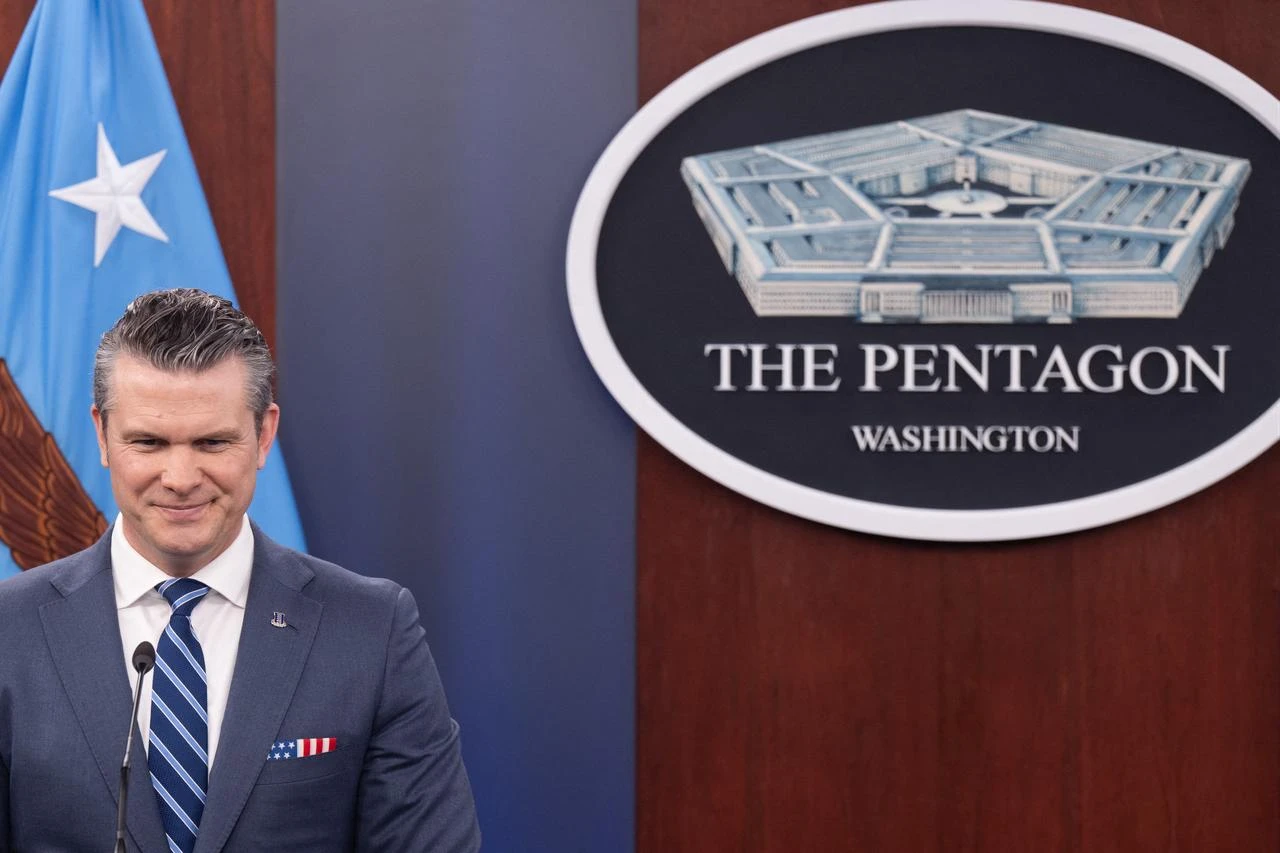
Elbridge Colby, the Pentagon's head of policy, is revamping the nuclear strategy as part of a regular review that typically occurs within each administration, people familiar with the plans said.
He is expected to discuss his views Wednesday at a private military event in Nebraska when he visits U.S. Strategic Command (USSTRATCOM), which oversees the country's nuclear forces.
Tactical nuclear weapons are shorter-range weapons, unlike strategic nuclear weapons such as those carried on intercontinental missiles. But "tactical" does not necessarily mean "surgical." The weapons can deliver as much destructive power as long-range nuclear weapons, NBC News reported.
Colby's proposed new strategy is meant to address a regional war scenario in which U.S. allies might be under threat or under attack by China or Russia, the people familiar with the plans said.


"Our view is that we need credible nuclear options," a senior Defense Department official who spoke to NBC News said.
The official said Colby's proposed strategy does not take any option off the table for the president but rather makes sure to "expand the president's option space by providing him with realistic and credible options and therefore strengthens deterrence."
Colby has long pushed for an emphasis on tactical weapons, arguing that America's adversaries would not believe the U.S. would seriously contemplate launching long-range weapons aimed at wiping out an enemy's nuclear forces, the emphasis of the current, longtime U.S. nuclear strategy.
"If you actually want extended deterrence to be credible, you have to provide the nation's political leadership with nuclear capabilities that common sense indicates you could actually use," the senior Defense Department official said.
"Otherwise you're reducing our leadership's options to extreme choices that the adversary won't find credible, and that is not going to fare well for deterrence," the official added.
Colby's effort to rewrite the U.S. nuclear strategy is rekindling Cold War-era debates over U.S. nuclear policy and how the country should manage its arsenal to avoid a catastrophic conflict, according to NBC News.
His proposed new strategy has sparked concern among some lawmakers, including hawkish Republicans and Democrats, that it could make using nuclear weapons appear less ominous or risk a decline in military preparedness for scenarios in which the president might opt to use long-range strategic weapons.
No nuclear weapon has been used since World War II and the bombings of Hiroshima and Nagasaki by the U.S., which led to Japan's surrender in 1945. But planning and preparations for a potential nuclear conflict have quietly continued within the government, NBC News reported.
Some critics privately expressed concern that the shift could affect military preparedness by moving training for personnel at U.S. Strategic Command away from the current strategy and toward shorter-range weapons. They argue that in a doomsday scenario, options involving longer-range nuclear weapons could become less accessible to the president because the military would not be as well trained in them.
"It's hard to imagine a study that is more out of line with President Trump's stated position of making our nuclear deterrent great again," a senior congressional aide familiar with the proposed strategy said.
"He clearly wants more options and capabilities, not less. This study is big-time low-T," the senior congressional aide noted.
Some nuclear scholars warn that with China building up its own nuclear arsenal, the current U.S. strategy risks a three-way arms race that could increase the likelihood of a crisis or conflict.
Speaking to NBC News, Daryl Kimball, executive director of the nonprofit Arms Control Association, said he would welcome a change in nuclear policy that discards the concept of a threatened massive strike against an enemy's entire nuclear force, a strategy military planners call "damage limitation."
He said the current strategy has "driven up the numbers of U.S. and Russian nuclear forces for decades" and offers the Pentagon a rationale to build even more nuclear weapons.
But Kimball also said it would be dangerous to promote tactical nuclear weapons as a viable option, noting that war games over the years have shown a conflict can spiral into full-blown nuclear war once any nuclear weapon is used.
"Once nuclear weapons are used in a conflict involving another nuclear-armed state, there is no guarantee that any use of nuclear weapons, even on the smallest scale, could reliably be expected to remain limited," Kimball said.
Some congressional aides briefed on Colby's proposed strategy are also concerned it could push Russia and China to further invest in their own nuclear capabilities to keep a competitive edge, according to NBC News.
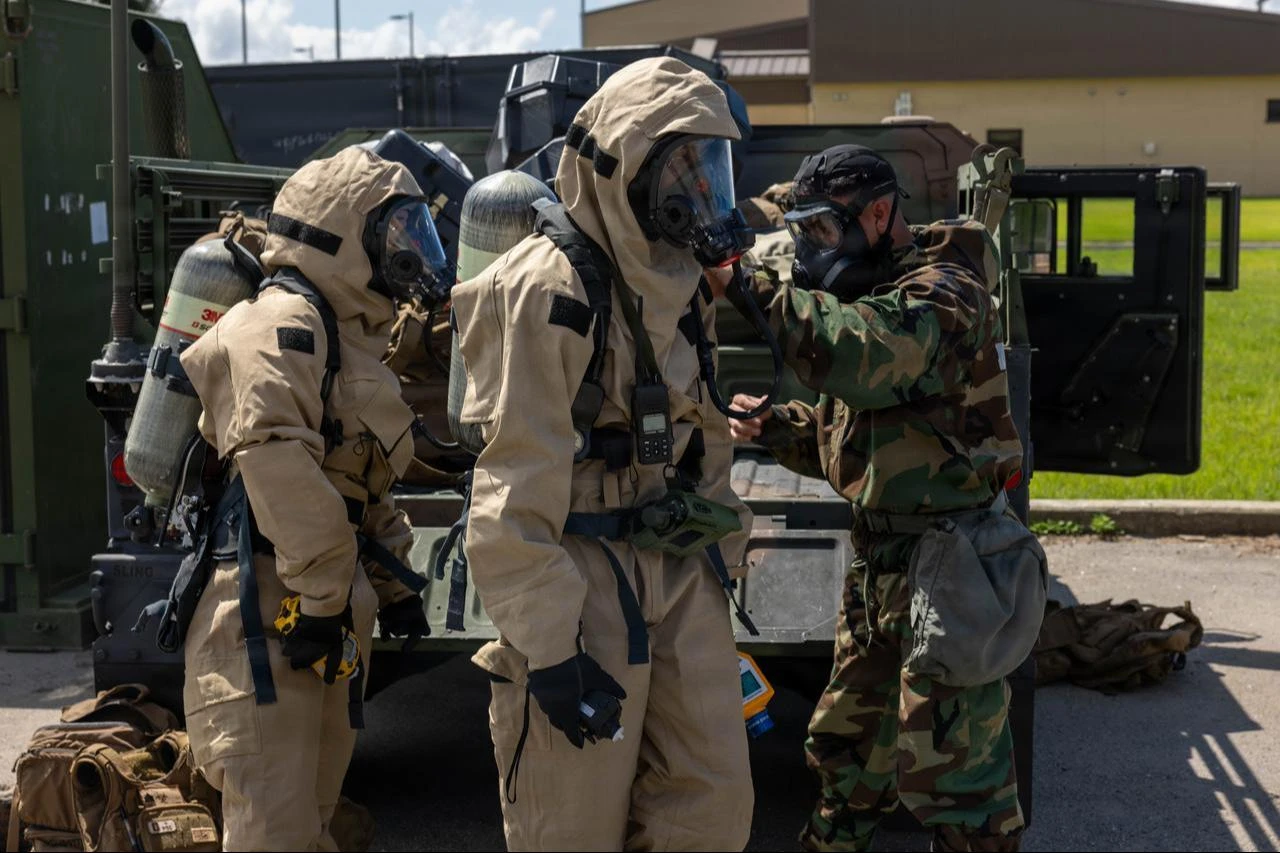
Proponents of the current policy, including some former officials, argue that it is vital for U.S. security pledges to allies around the world who have relied on America's nuclear arsenal for decades as a form of "extended deterrence," the promise to defend allies against possible aggression from Russia or China.
Without extended deterrence, the U.S. could look weak and shake the confidence of its friends around the world, proponents say.
"Allies are the ones that are going to get most nervous here," a former official familiar with the plans said.
Colby's allies see his effort as a way to present the president with more realistic options that would persuade an adversary like China not to risk a conflict with the U.S., according to NBC News.
The senior Defense Department official rejected the notion that Colby's proposed strategy would tie the president's hands. "Actually, completely to the contrary, this effort is about ensuring the president has credible, realistic, sensible options," the official said.
"It's actually about enhancing deterrence by expanding the president's optionality," the official added.
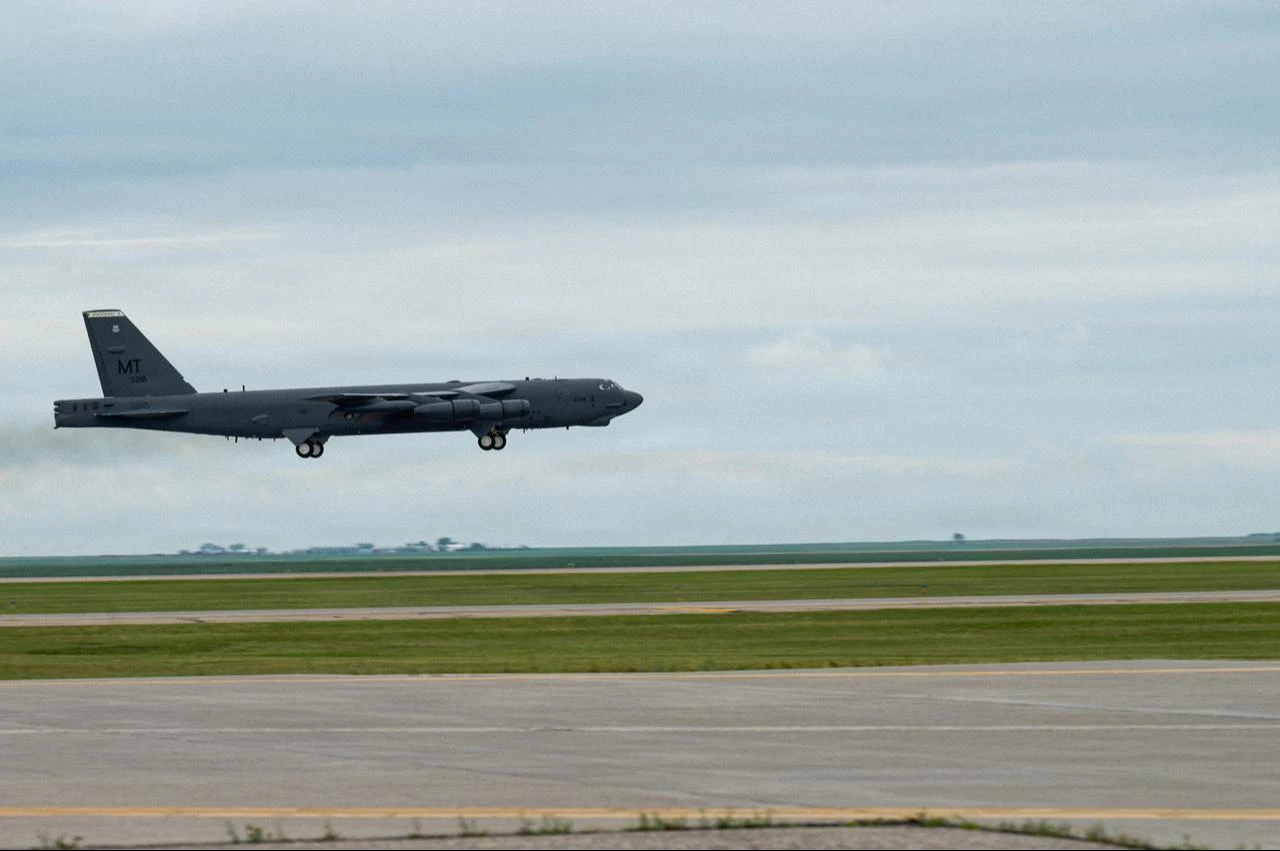
In May, Colby hinted at the possible changes to U.S. nuclear strategy at the National War College in Washington, arguing that advances by China and Russia mean the U.S. can no longer assume it holds "escalation dominance."
"We assumed escalation dominance and outright military superiority, and many believed achieving desired political outcomes was simply a matter of applying sufficient resolve to exercise our overwhelming military strength," Colby said at the time.
"The era in which such assumptions possessed credibility has, however, passed," he added.
The nuclear strategy review is part of a routine process to ensure the country's nuclear forces, plans and posture are updated and aligned.
The strategy was last updated in November 2024, when the Biden administration, citing China's growing nuclear arsenal, for the first time called for preparing for a scenario in which the U.S. might have to fight more than one nuclear-armed state simultaneously.
That 2024 guidance ordered the U.S. military to draft options that could simultaneously counter potential aggression from China, Russia and North Korea.
At his Senate confirmation hearing in March last year, Colby said, "Ensuring we retain a modern, capable and effective nuclear deterrent should be our top priority," and he has said repeatedly since then that he remains committed to safeguarding allies through the U.S. nuclear arsenal.
But another congressional aide briefed on Colby's proposed changes said they would undermine those commitments.
No formal decisions on a new nuclear strategy have been made, the congressional aides briefed on the draft said, though there are discussions about how to address concerns that a new strategy could limit the president's options.


 Set as preferred source
 Set as preferred source


 2 min read



 1 min read