Newsletters


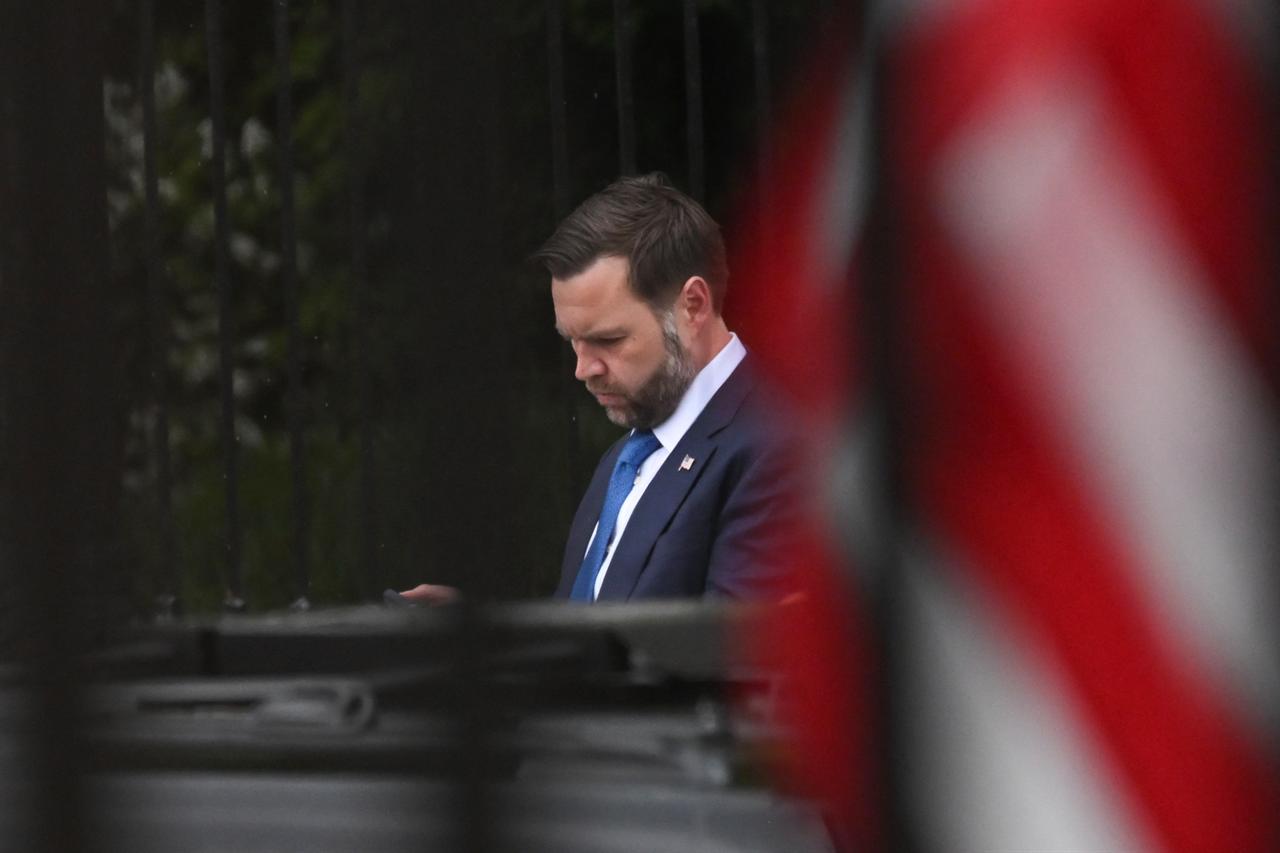


U.S. Vice President JD Vance has repeatedly questioned the accuracy of Pentagon briefings on the Iran war in closed-door meetings and raised concerns with U.S. President Trump about the depletion of U.S. missile stockpiles.
The intelligence assessments show Iran retains two-thirds of its air force, the bulk of its missile-launching capability, and most of its small, fast boats, The Atlantic reported Monday, citing multiple senior administration officials.
Two senior administration officials told The Atlantic that Vance had "queried the accuracy of the information the Pentagon has provided about the war" in closed-door meetings.
He raised specific concerns about the availability of certain missile systems directly with Trump, the report said, focusing on what appeared to be a "drastic depletion" of U.S. missile stockpiles.
A White House official said Vance "asks a lot of probing questions about our strategic planning, as do all of the members of the president's national-security team."
In a statement, Vance said Hegseth "is doing a great job." People close to Vance told The Atlantic he was not directly accusing Hegseth or Caine of misleading the president but was presenting concerns as his own to avoid "creating divisions in Trump's war cabinet."
Some of Vance's confidantes, however, told The Atlantic they believed "Hegseth's portrayal has been so positive as to be misleading."
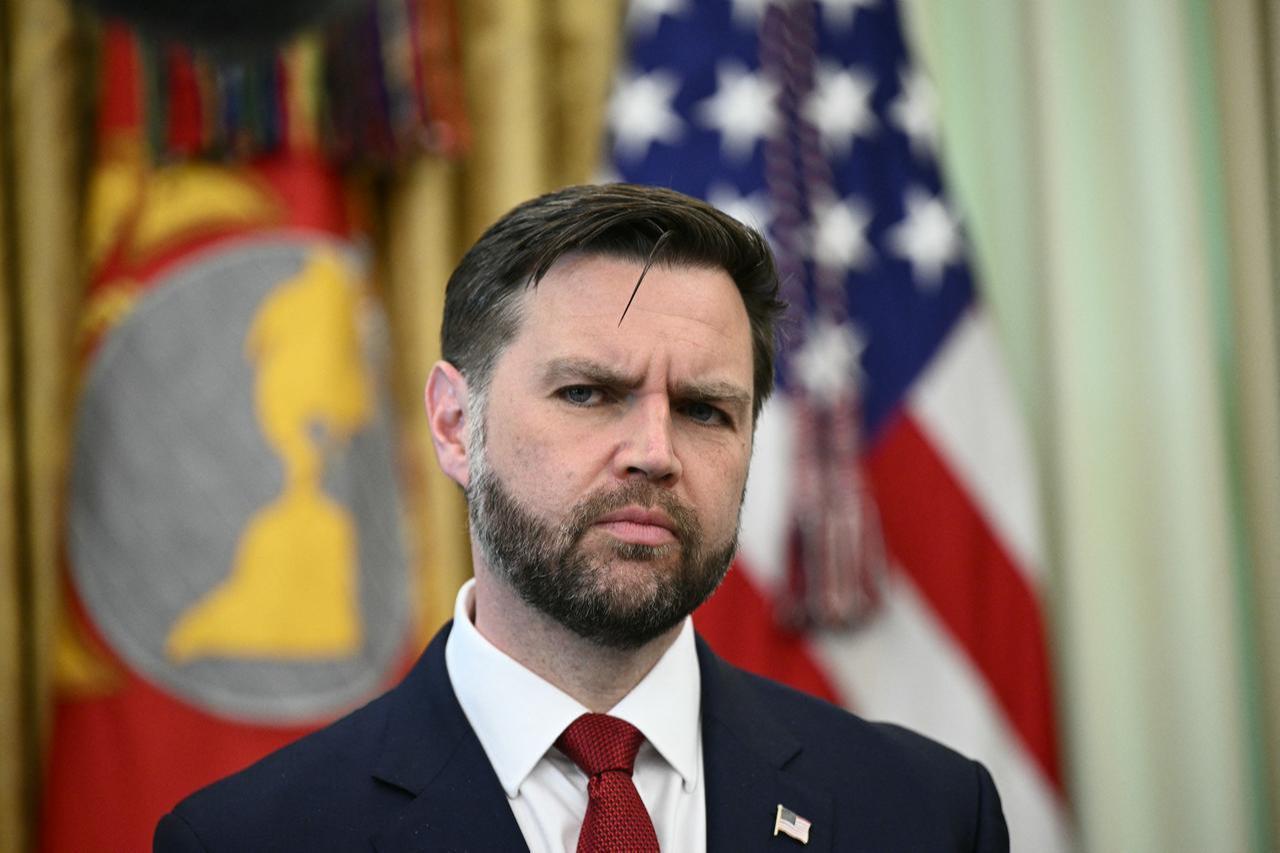

Despite Hegseth's repeated claims of decisive military results, people familiar with intelligence assessments told The Atlantic that Iran retained two-thirds of its air force, the bulk of its missile-launching capability, and most of its small, fast boats, which can lay mines and harass Hormuz traffic.
"Those are the real threats," one source said.
Iran's missile launchers were described as roughly 50% accessible again since the ceasefire, with Tehran bringing more online every day.
In March, Hegseth had boasted of "complete control" of Iranian skies; in April, Iranian forces shot down a U.S. fighter jet.
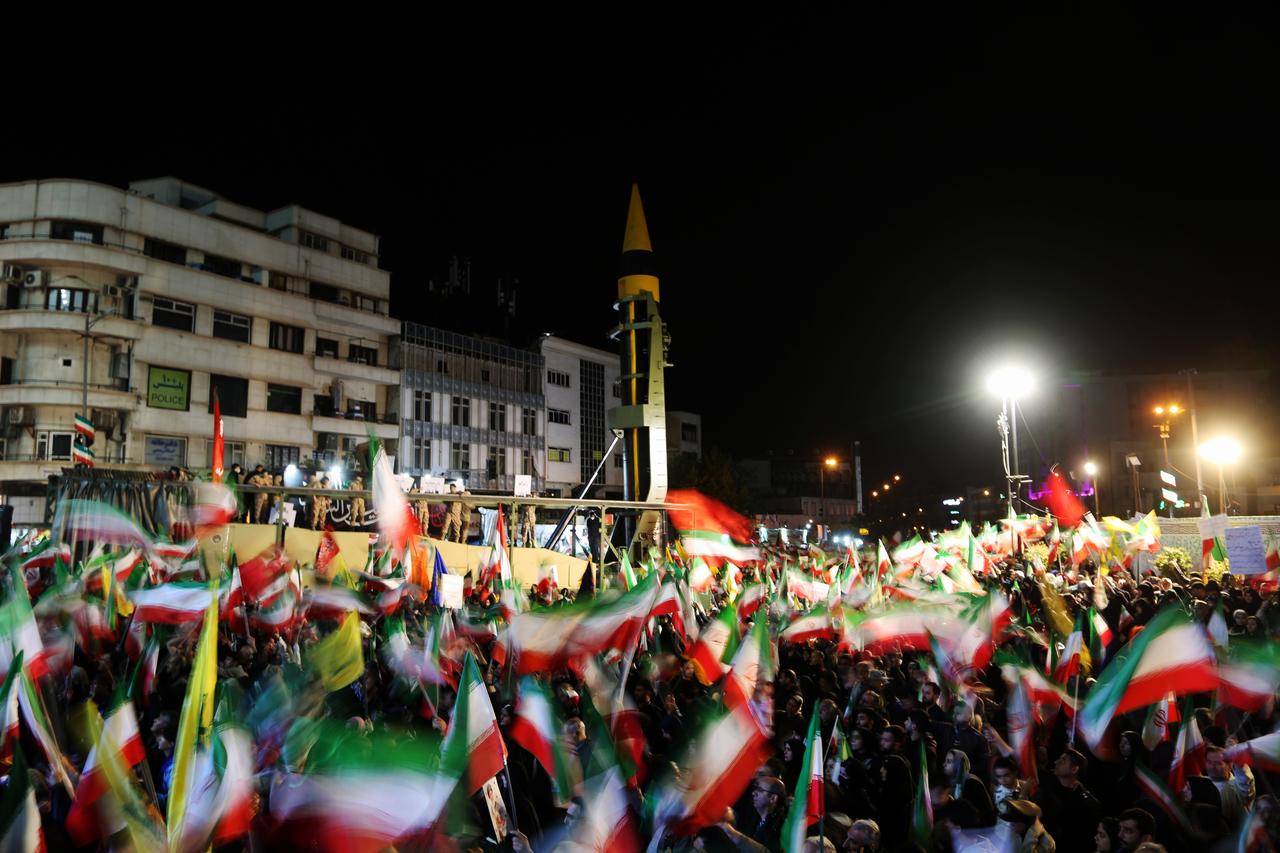
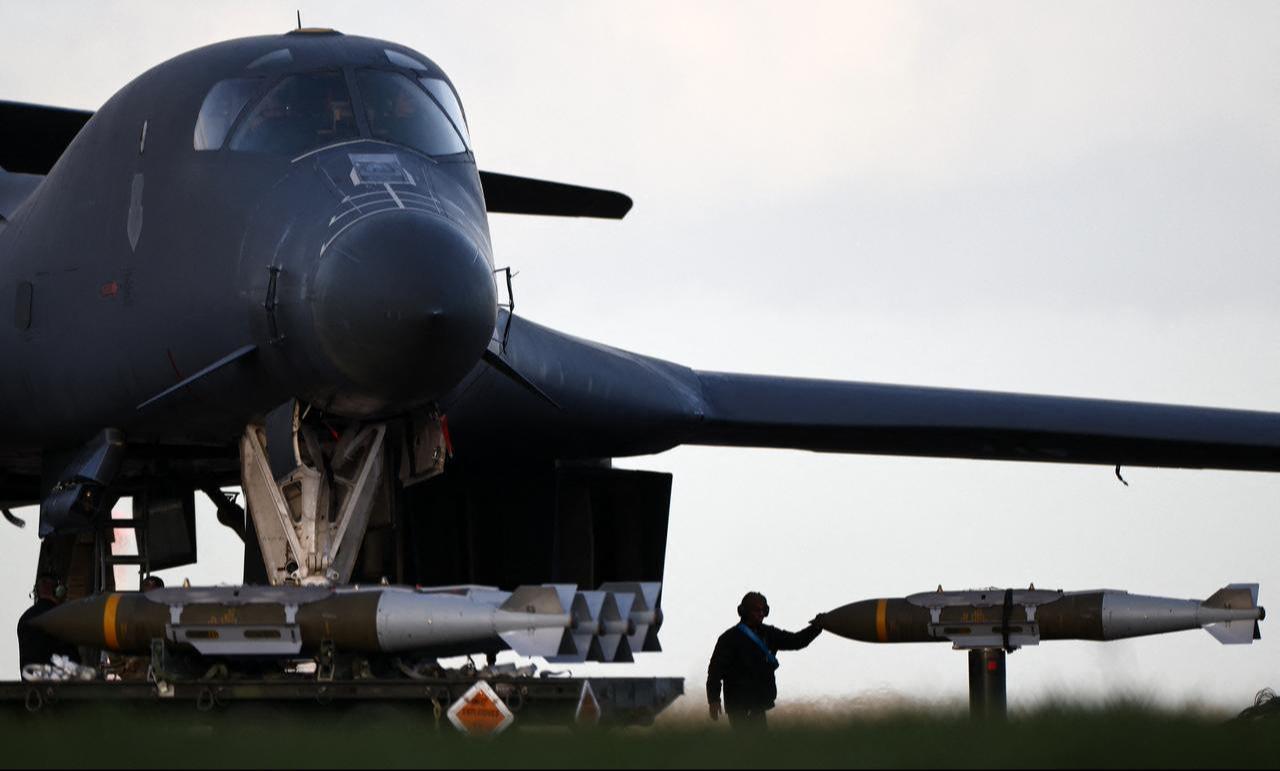
The Center for Strategic and International Studies (CSIS) noted that the U.S. may have already used more than half its prewar supply of four key munitions, including interceptors used to defend against Iranian missiles and offensive weapons such as Tomahawk and JASSM missiles.
Even before the Iran war, stockpiles had been depleted by donations to Ukraine and Israel and slow manufacturing replenishment.
The consequences, The Atlantic noted, were "potentially dire": the same stockpiles would be needed to defend Taiwan against China, South Korea against North Korea, and Europe against Russia.
Multiple sources described Hegseth's briefing style as calibrated to Trump's preferences. "Pete's TV experience has made him really skilled at knowing how to talk to Trump and how Trump thinks," a former Trump official said.
His 8 a.m. briefings were noted to coincide with Trump's viewing hours on Fox News.
"Hegseth strives to tell the president exactly what he wants to hear. I think that's dangerous," another former official said.
Pentagon spokesperson Sean Parnell said Hegseth and other leaders "consistently provide the president with the complete, unvarnished picture."
White House press secretary Karoline Leavitt said: "Under President Trump's leadership, the U.S. military decimated the Iranian regime's capabilities in just 38 days."


 Set as preferred source
 Set as preferred source


 4 min read