Newsletters


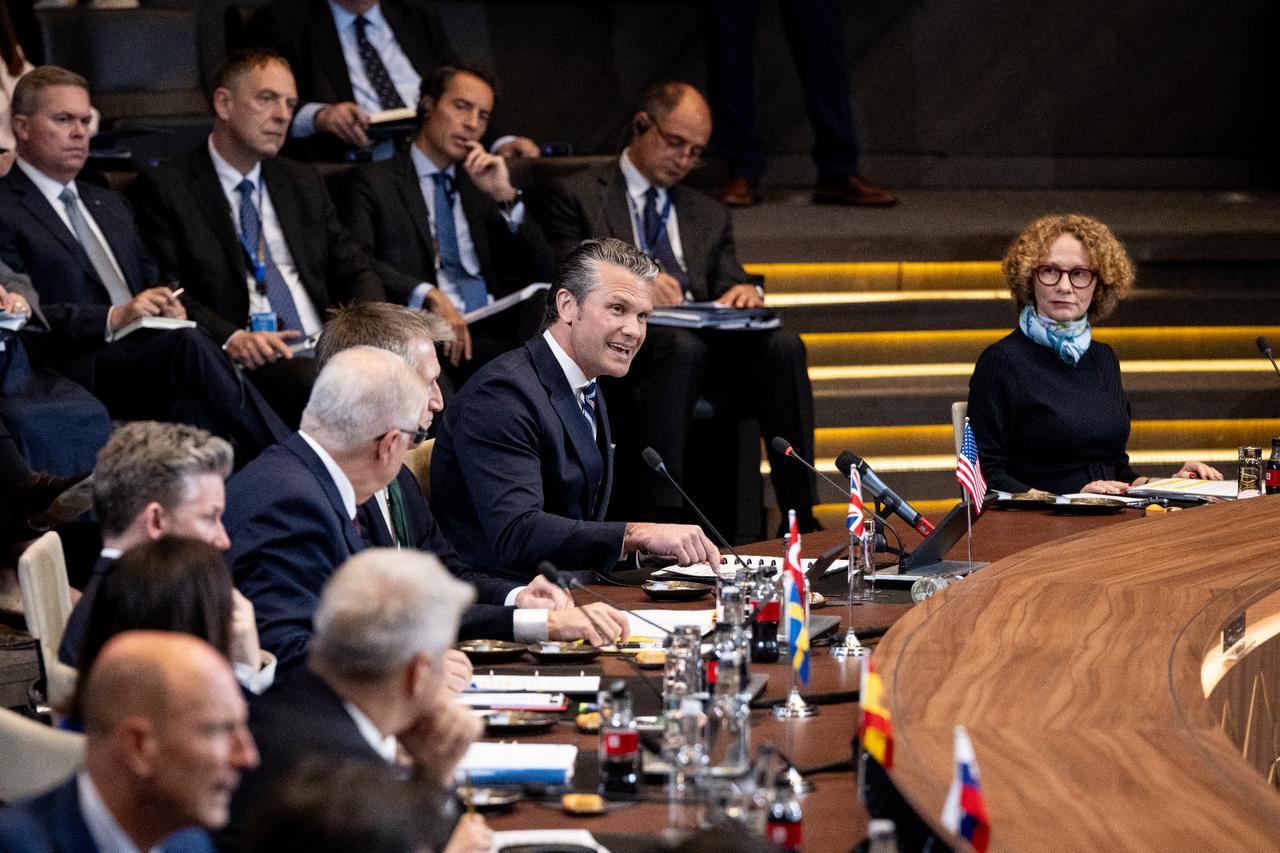


United States Defense Secretary Pete Hegseth announced Thursday that the Pentagon will conduct a review of its military presence in Europe over the next six months, as Washington increases pressure on NATO allies to take greater responsibility for the continent's defense.
"I'm announcing today a six-month Department of Defense review that will examine America's force posture and basing in Europe, up to six months, could be less," Hegseth told a meeting of NATO defense ministers in Brussels.
The review is part of a broader U.S. effort to facilitate a transition in which European allies assume primary responsibility for conventional defense on the continent.
"We're doubling down on our effort to make NATO what it always was supposed to be, a balanced alliance with Europe in the lead for its own defense," Hegseth said.
He explained that the "NATO 3.0 review" would assess U.S. force posture and military basing across Europe and help ensure American forces are positioned to meet Washington's global security requirements.
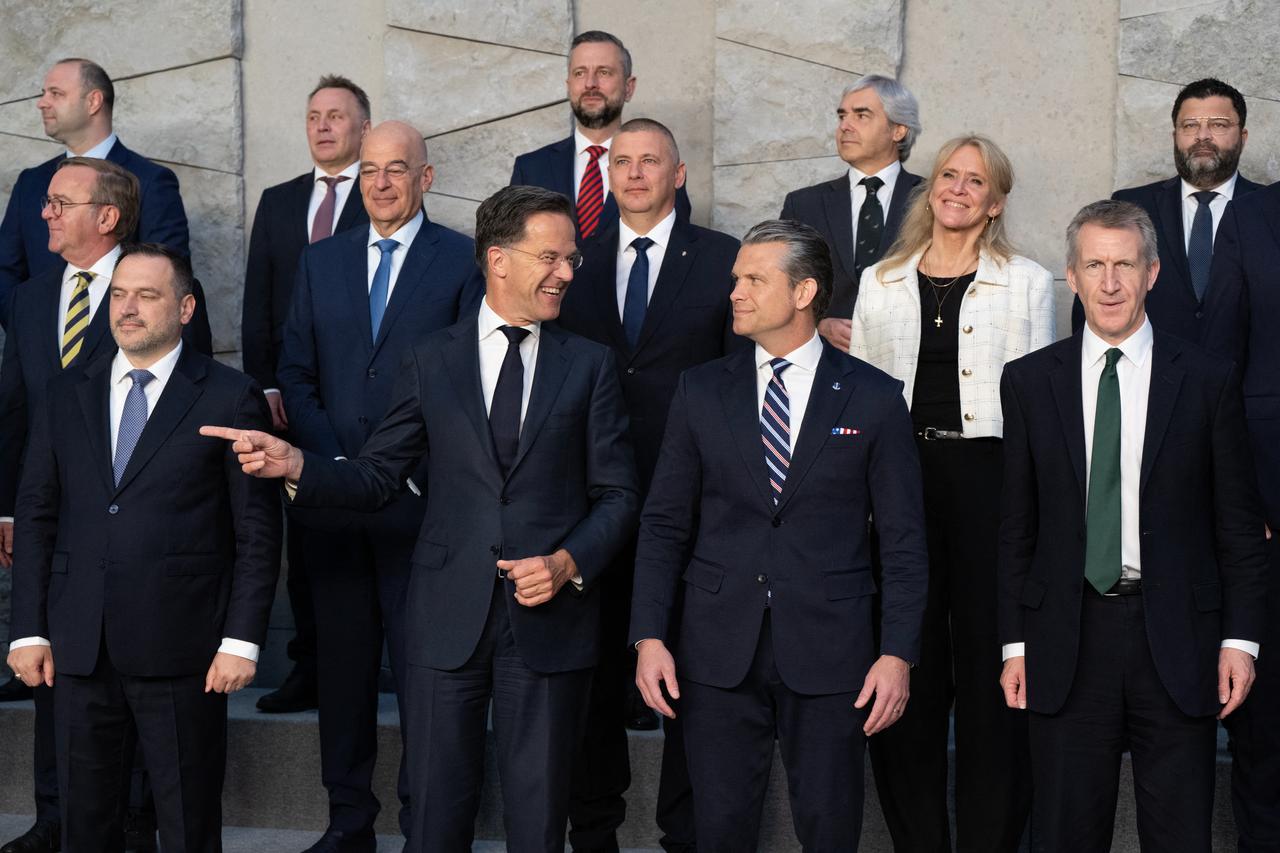

Hegseth said the study would incorporate input from U.S. European Command, Congress and international allies.
He stressed that the initiative is designed to ensure NATO moves "fast and irreversibly" toward a model in which European countries shoulder a greater share of responsibility for their conventional defense.
"Make no mistake about it, this will be a real review," Hegseth said.
The announcement comes as the United States ramps up pressure on allies ahead of next month's NATO summit. The country is seeking to ensure that members follow through on commitments made last year to significantly increase defense spending.
Hegseth said future U.S. contributions toward NATO's organizational budget, estimated at roughly $790 million in 2026, would be contingent on allies meeting agreed spending targets.
"Where other allies do not spend with urgency, our dues contributions will go down," he said.
The warning is likely to unsettle NATO allies already concerned about Washington's long-term commitment to European security.
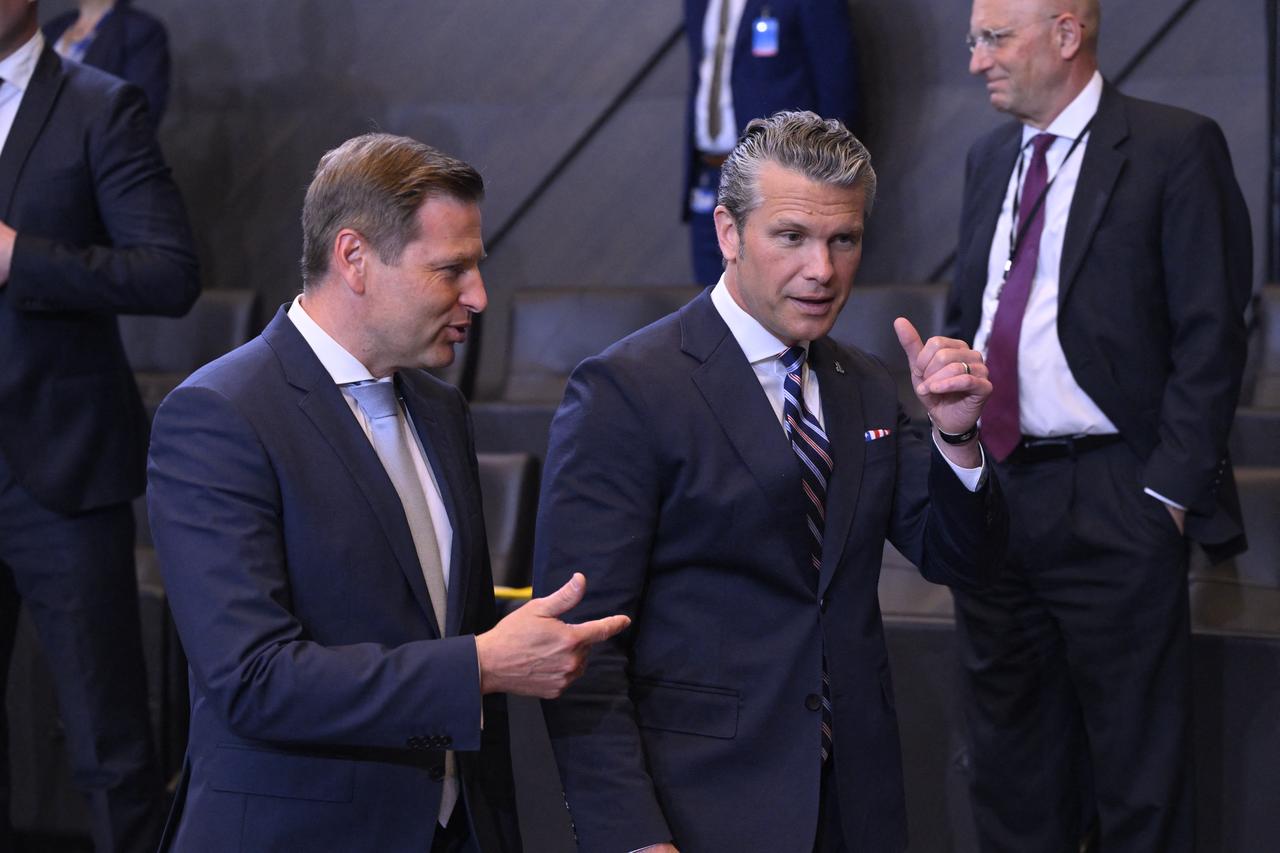
The Pentagon has repeatedly signaled that Europe must assume greater responsibility for its own security as the United States shifts more attention toward other global priorities.
Hegseth's remarks reinforced that message, underscoring Washington's expectation that European allies increase defense spending and military capabilities.
The defense secretary argued that NATO should evolve into a more balanced alliance, with Europe taking the lead in defending the continent while maintaining close cooperation with the United States.
The tougher rhetoric came after U.S. President Donald Trump criticized European allies over their response to his war in Iran, raising concerns about strains within the alliance.
Still, there were hopes that the U.S.-Iran peace agreement could help ease tensions before NATO leaders gather for their summit next month in Ankara.
"As President Trump put it, and rightfully so, he gave our allies a test to support America when we asked for their help, and too many failed it," Hegseth said.
Despite his criticism, Hegseth acknowledged that many NATO members have made significant progress in strengthening their defenses.
"Some of our allies have gotten the message and stepped up. You know who you are, and we very much appreciate it," he said.


 Set as preferred source
 Set as preferred source


 2 min read
 1 min read