Newsletters


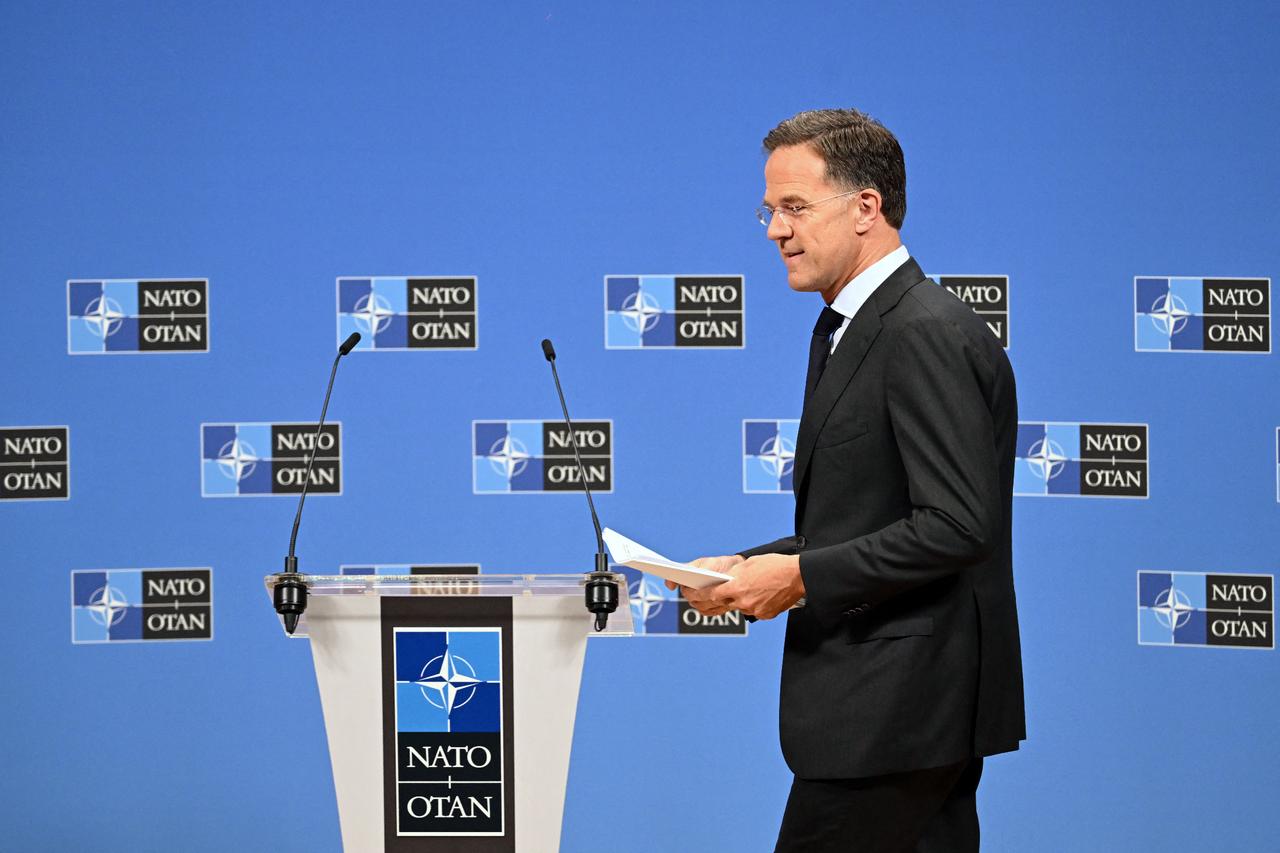


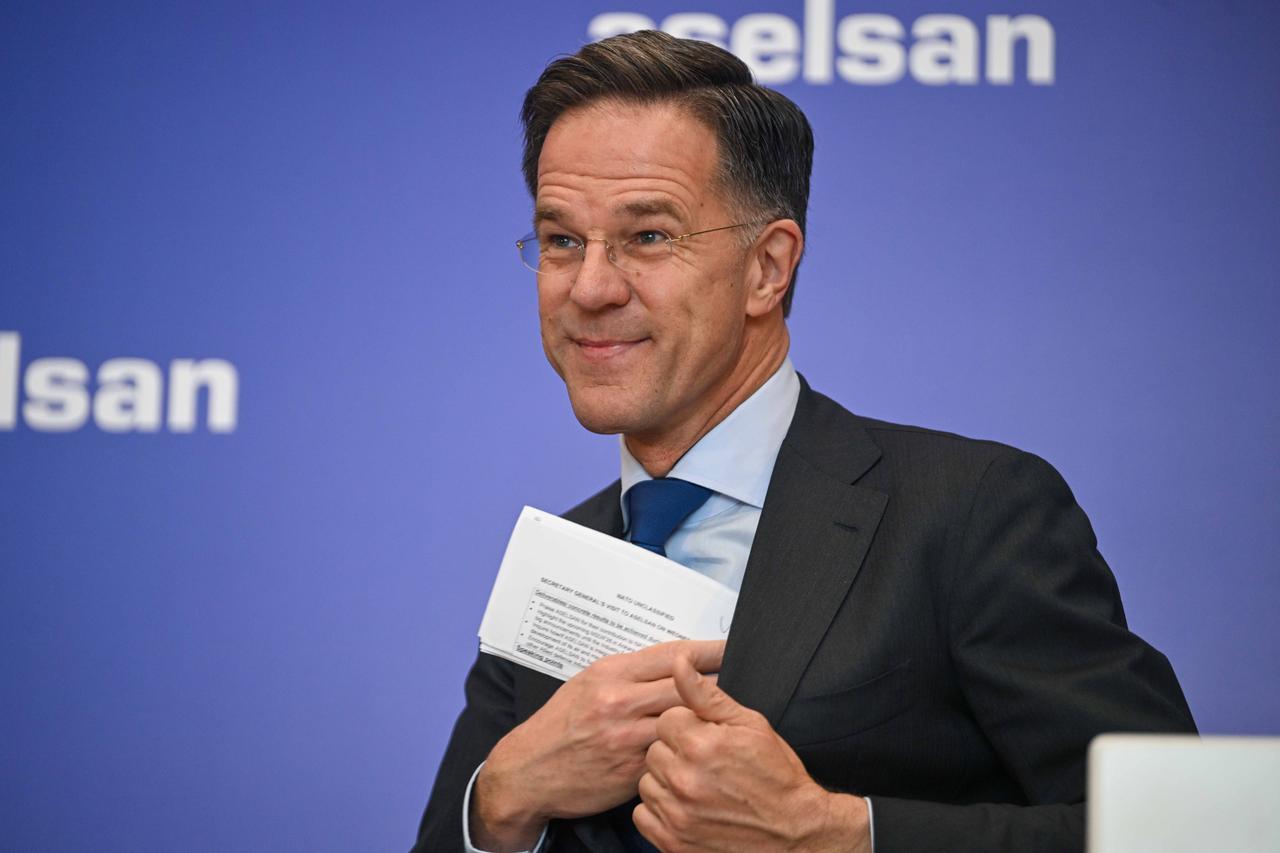
NATO Secretary-General Mark Rutte on Wednesday rejected suggestions that the United States is stepping back from Europe after announcing reductions in the military assets it makes available to the alliance.
Speaking ahead of a meeting of NATO defense ministers, Rutte said recent adjustments to U.S. force commitments should not be interpreted as a withdrawal from European security.
“In some cases this has been cast as a problem, as the U.S. pulling away from its allies. But that is not the reality,” Rutte said.
Washington has informed allies that it is reducing some of the assets assigned to NATO commanders as part of a broader effort to encourage European countries to take greater responsibility for their own conventional defense.
“The U.S. has adjusted its pledges to the NATO Force Model,” Rutte said. “This is not primarily about where forces and assets are currently, but about who would do what if our defense plans were activated.”
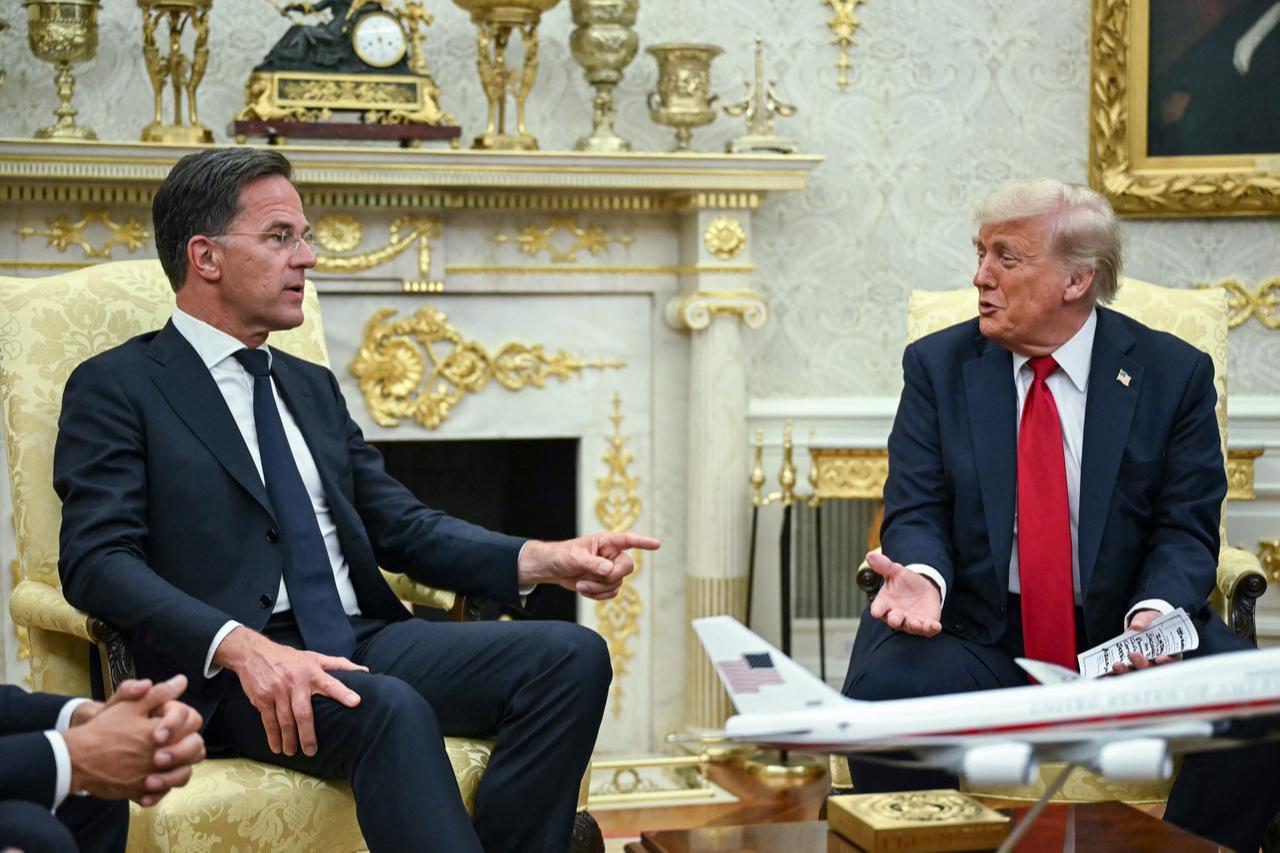

According to U.S. and German media reports, the reductions include roughly one-third of the 150 F-16 and F-15 fighter jets previously designated for NATO missions, as well as refueling and reconnaissance aircraft, bombers and drones.
The reports also said Washington plans to remove a cruise missile-capable submarine from NATO's force structure and reduce the number of aircraft carrier groups allocated to the alliance from two to one.
The move has raised concerns among some allies that Europe could become more vulnerable to Russia as questions persist about U.S. President Donald Trump's long-term commitment to NATO.
However, several European diplomats argued that European allies are capable of replacing the reduced U.S. contributions if given sufficient time to fill capability gaps.
“Historically this was overly reliant on the U.S. Now the U.S. has adjusted its pledged contributions—and other allies have stepped up to contribute more,” Rutte said.
He stressed that Washington remains committed to NATO's nuclear deterrence mission.
“The United States has made clear that the U.S. nuclear deterrent is solid,” Rutte said. “And that it is crucial that Europe and Canada do more on the conventional front, understanding that the U.S. has obligations around the globe that it needs to account for.”
 2 min read
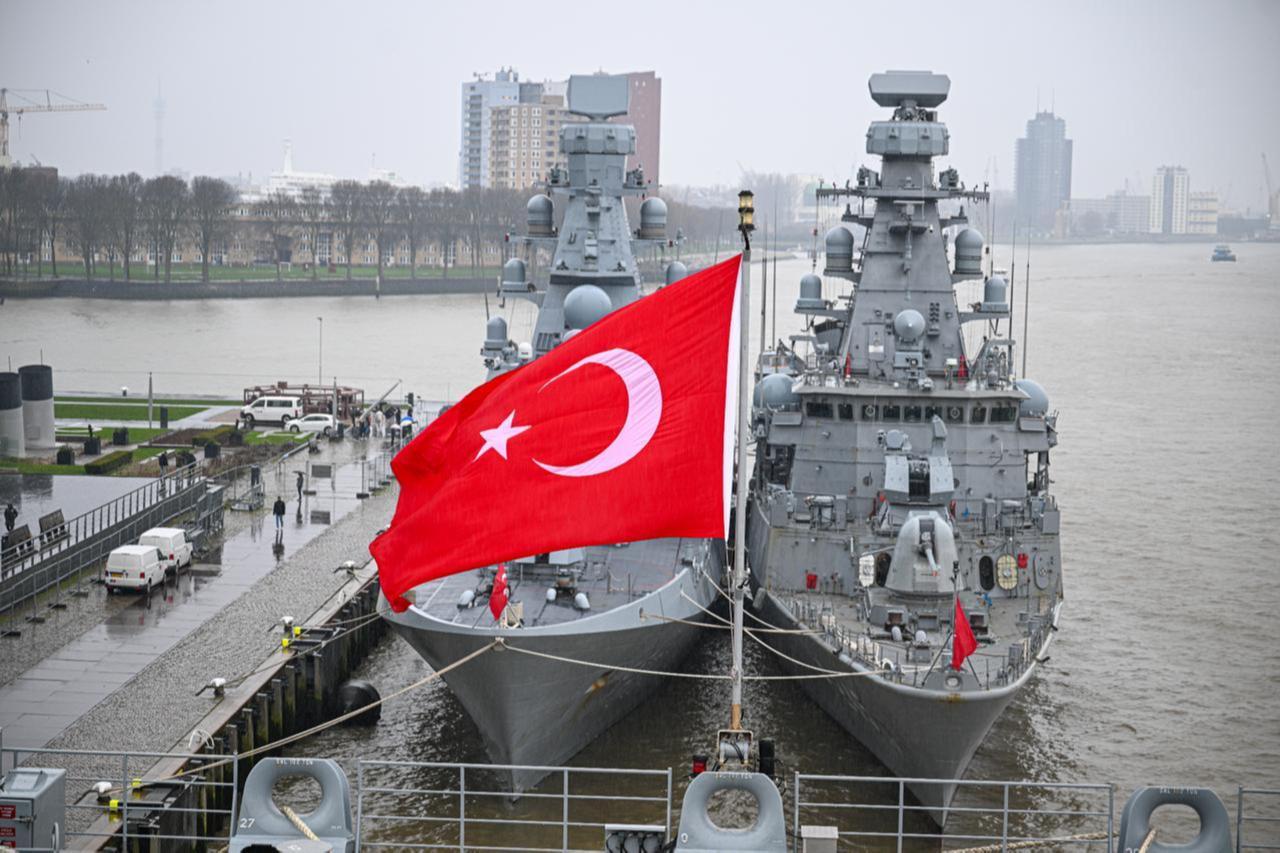
Rutte's remarks come as NATO leaders prepare for a summit in Ankara next month, where European allies hope to demonstrate progress toward increasing defense spending and strengthening their military capabilities.
Concerns had emerged that the conflict involving Iran could overshadow preparations for the gathering after Trump publicly criticized some European allies over their response to the crisis.
Rutte welcomed the recently announced U.S.-Iran agreement aimed at ending the conflict, saying it could help reduce tensions ahead of the summit.
“The deal President Trump struck has created an opportunity to ensure Iran never obtains a nuclear weapon,” he said.
He also welcomed efforts to restore maritime traffic through the Strait of Hormuz, one of the world's most important energy transit routes.
“The restoration of free passage through the Strait of Hormuz will be a massive step forward,” Rutte said. “I know that many allies, through the initiative led by France and the United Kingdom, are ready to support.”


 Set as preferred source
 Set as preferred source



 1 min read